






The men’s fragrance market has undergone a profound transformation that extends far beyond the traditional categories of “sporty,” “corporate,” or “seductive.” Today’s landscape represents a sophisticated ecosystem of dozens of distinct sub-tribes, each driven by unique values, aesthetic preferences, and identity markers. The modern male consumer approaches fragrance with an entirely new mindset—he is discerning, knowledgeable, and views scent as a critical tool for self-expression rather than simply a grooming afterthought. Research reveals that almost 45% of men under 45 now use fragrances specifically to express themselves through scent, marking a fundamental shift in how men engage with the category.
For brands operating in this space, fragmentation presents both significant challenges and unprecedented opportunities. The old playbook—featuring a chiseled celebrity in a moody black-and-white advertisement—has lost much of its effectiveness as consumers increasingly seek authenticity and personal resonance over aspirational fantasy. Success in 2025 hinges on building a cohesive and authentic brand story that resonates with a specific consumer archetype, from the scent profile itself to the marketing message and, critically, the physical packaging.
This guide explores three key modern male consumer archetypes that are reshaping the fragrance industry. We will analyze how to align your brand’s core narrative across every touchpoint and demonstrate how strategic packaging acts as the physical embodiment of this story, creating an irresistible and cohesive final product that speaks directly to your target consumer.
The Sustainability Imperative: From Niche to Necessity
What was once a fringe movement has become a core business imperative. The demand for sustainable packaging is a powerful current reshaping supply chains, design philosophies, and consumer relationships. It is a fundamental realignment of values, driven by a confluence of powerful forces.
The Forces Driving the Green Wave
The Consumer Mandate: Today’s consumers, particularly Millennials and Gen Z, vote with their wallets, and they are overwhelmingly casting their ballots for sustainability. Studies consistently show that a significant majority—often cited as over 70%—of consumers prefer brands that use sustainable packaging. They are not just buyers; they are ethical stakeholders who demand transparency and hold corporations accountable for their environmental footprint. They scrutinize labels, research brand practices, and share their findings online, creating a new level of brand accountability. This isn’t about “greenwashing” with vague claims; it’s about providing tangible, verifiable proof of a commitment to the planet.
Regulatory Pressure: Governments worldwide are turning sustainability goals into legislative action. The European Union’s stringent packaging regulations, for instance, are setting global benchmarks by mandating higher percentages of recycled content and setting ambitious targets for recyclability. These regulations create a clear framework that penalizes waste and rewards circular design, forcing brands to innovate or risk being left behind. As these standards become more widespread, designing for sustainability becomes a matter of market access and compliance.
Brand Economics and Equity: Far from being just a cost center, sustainability is a powerful driver of brand value. In a crowded marketplace, a strong environmental stance is a key differentiator that fosters deep-seated customer loyalty. Economically, smart sustainable design can lead to significant cost savings. Lighter materials reduce shipping costs, minimalist designs cut down on raw material usage, and refillable models create long-term customer relationships with recurring revenue streams.
The Material Revolution: A Palette for the Planet
The foundation of sustainable packaging lies in its materials. The industry is buzzing with innovation, from perfecting timeless classics to pioneering revolutionary bio-alternatives.
The Classics, Perfected (Glass & Aluminum): Glass and aluminum are the titans of sustainability. Both are infinitely recyclable without any loss of quality or purity. A glass bottle can be recycled back into a new glass bottle in a closed-loop system, dramatically reducing energy consumption and the need for virgin raw materials. Glass also offers a premium, weighty feel that communicates luxury and quality, making it ideal for high-end skincare, fragrances, and specialty CBD oils. Similarly, aluminum is lightweight, durable, and provides excellent protection from light and air, while being one of the most recycled materials on the planet.
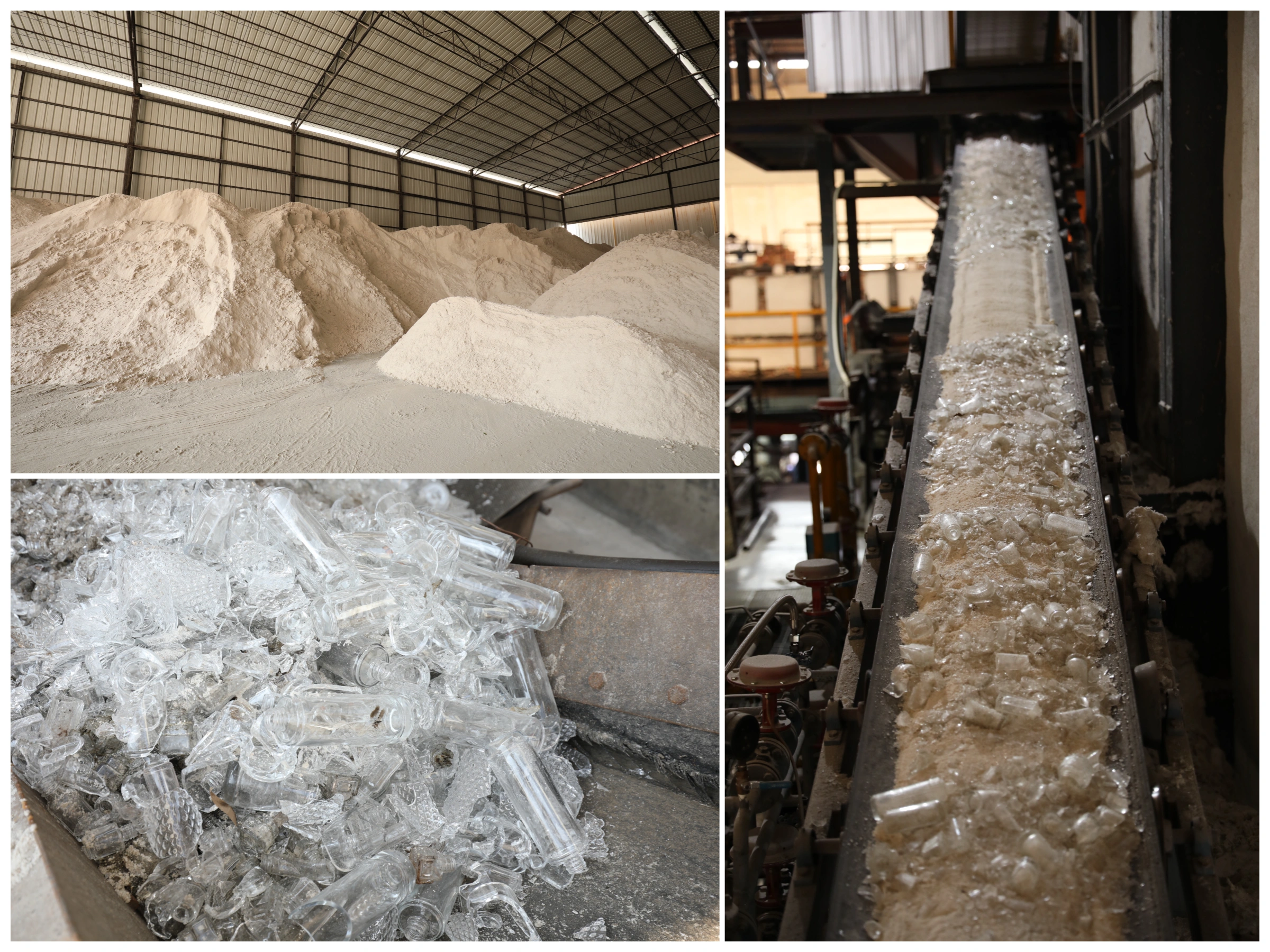
Closing the Loop with PCR (Post-Consumer Recycled) Materials: PCR represents a cornerstone of the circular economy. By collecting, cleaning, and reprocessing plastic or glass that has already been used by consumers, we create PCR materials. Incorporating PCR plastic and glass into new packaging drastically reduces landfill waste, minimizes carbon emissions, and lessens our dependence on fossil fuels. For brands, using a high percentage of PCR content is a clear, quantifiable way to demonstrate their commitment to sustainability. Jarsking offers an extensive range of PCR packaging, enabling brands to make a measurable environmental impact without compromising on quality.
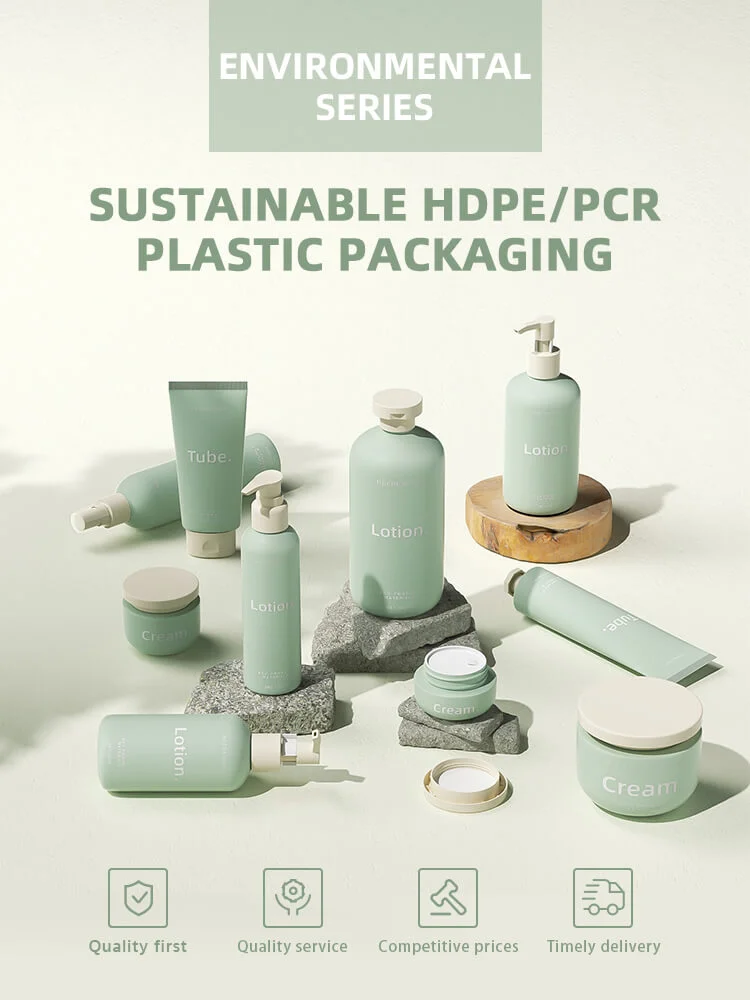
The Bio-Innovators (Plant-Based & Biodegradable Materials): The cutting edge of sustainable materials is found in nature itself.
PLA (Polylactic Acid): A bioplastic derived from renewable resources like corn starch or sugarcane. It looks and feels like traditional plastic but is commercially compostable, breaking down under specific conditions.
Bamboo: A fast-growing, renewable resource that requires no pesticides and self-regenerates from its own roots. Bamboo packaging offers a beautiful, natural aesthetic that resonates with eco-conscious consumers.
Other Innovations: Beyond these, the industry is exploring materials like mycelium (mushroom roots), seaweed, and other agricultural byproducts to create packaging that is truly regenerative.
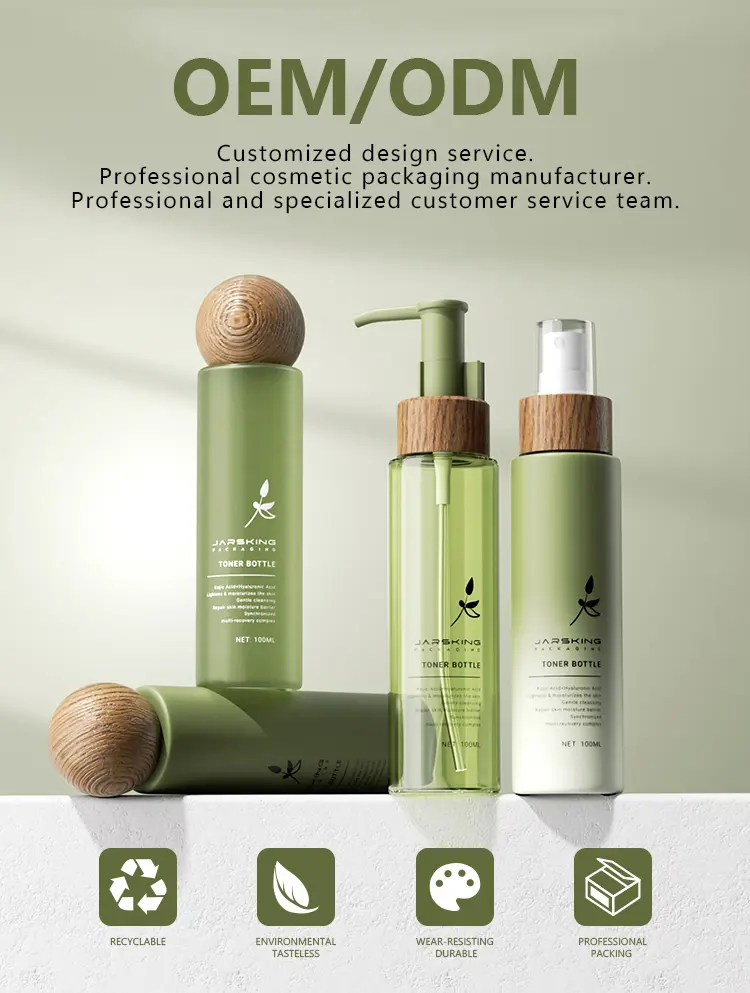
Redefining Design: The Power of Refill, Reuse, and Reduce
Beyond materials, the structure and philosophy of packaging design are undergoing a radical transformation.
The Refill Revolution: The “buy once, refill forever” model is gaining tremendous traction. This approach decouples the beautiful, durable primary container from the consumable product inside. Brands are engineering elegant refillable cosmetic packaging, such as glass jars with replaceable inner pods, luxurious lipstick cases that accept new color bullets, and perfume bottles designed for easy replenishment at home or in-store. This not only slashes waste but also builds a lasting relationship with the consumer, encouraging brand loyalty through a system of repeat purchases.
Minimalism as Luxury (Mono-Materials): The “less is more” philosophy has found its home in sustainable design. This involves stripping away unnecessary layers—goodbye to cellophane wraps, oversized boxes, and foam inserts. Instead, the focus is on clean lines, intelligent engineering, and the use of mono-materials. A mono-material package is one made from a single type of material (e.g., all PET plastic, including the cap and bottle), which dramatically simplifies the recycling process and increases the likelihood of the material being recovered and reused. This minimalist aesthetic conveys confidence and sophistication, letting the quality of the product speak for itself.

The Smart Revolution: When Packaging Gets a Brain
Simultaneously, packaging is becoming intelligent. By embedding digital triggers into physical products, brands can now transform a simple bottle or jar into a dynamic, interactive communication channel. This is the world of smart packaging.
The Value Proposition: Why Your Packaging Needs to Be Smart
Enhanced Consumer Experience: Smart packaging turns the unboxing moment into the beginning of a digital journey. A simple scan can unlock exclusive content, from application tutorials and user-generated reviews to personalized recommendations and seamless re-ordering. It connects the physical product in the consumer’s hand to the vast digital ecosystem of the brand.
Brand Protection & Authenticity: The counterfeit goods market is a multi-billion dollar problem, eroding brand trust and posing real risks to consumers, especially in cosmetics and pharmaceuticals. Smart technologies provide a digital fingerprint for every product, allowing consumers to instantly verify its authenticity, ensuring they are receiving a safe, genuine item.
Invaluable Data & Insights: Connected packaging is a two-way street. Every time a consumer interacts with a smart package, they can generate valuable, anonymized data. Brands can learn about usage patterns, geographic hotspots, and the effectiveness of marketing campaigns in real-time, allowing for data-driven decisions that were previously impossible.
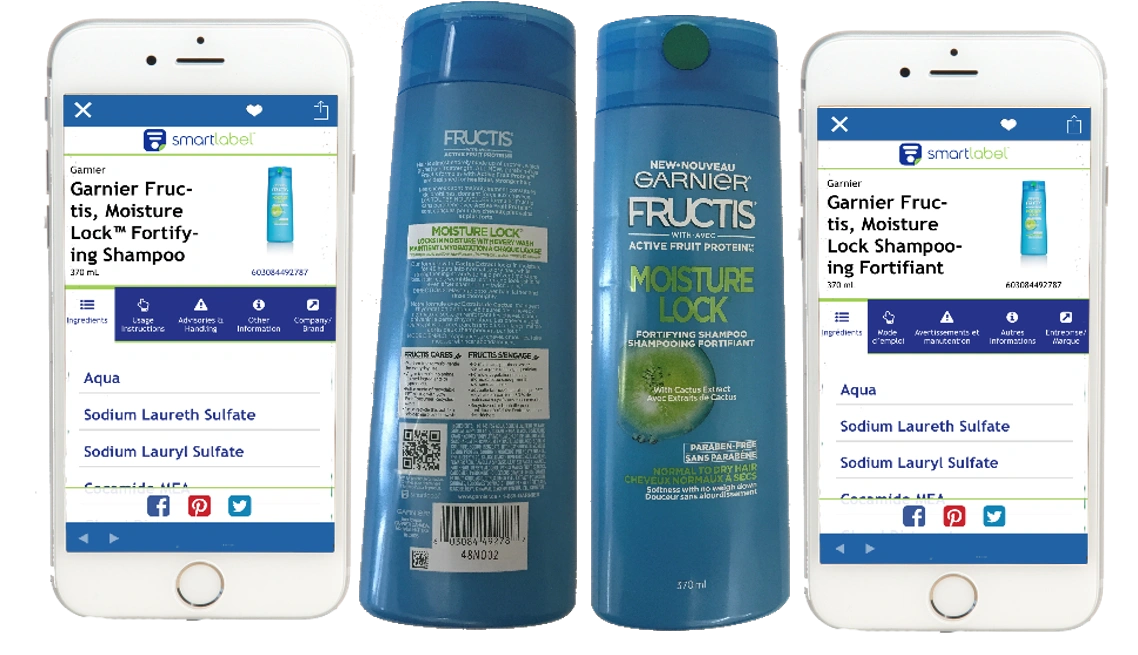
L’Oréal has integrated QR codes into the packaging of various products, including their Garnier line. Scanning the code often leads to a “digital product passport” that provides information on sourcing, ingredients, and the product’s environmental impact.
By tracking scan data, L’Oréal can determine which product attributes (e.g., “sustainably sourced,” “recycled packaging,” “vegan formula”) are most interesting to consumers in different geographic markets. If they see a high number of scans and engagement on the “sustainability” section in Germany, for example, they can tailor their marketing in that region to highlight eco-credentials.
Core Technologies Demystified
The “brain” of smart packaging is powered by a set of increasingly accessible technologies. While some are already widespread, others represent the exciting frontier of what’s possible.
The Gateways (QR Codes): The humble QR (Quick Response) code has become the ubiquitous gateway to the digital world. Easily printed on any surface, a QR code can be scanned by any smartphone camera, instantly linking the user to a specific webpage. Brands are using them to:
Provide exhaustive ingredient lists and sourcing information.
Show video tutorials from brand ambassadors.
Offer personalized quizzes that lead to product recommendations.
Drive traffic to social media channels or e-commerce pages for easy re-ordering.
The Next Wave of Interaction (NFC Tags): NFC (Near-Field Communication) tags are small, passive microchips that can be embedded within a product’s cap or label. They require no battery and are activated when a smartphone is brought within a few centimeters. Unlike QR codes, NFC tags are harder to replicate, offering a higher level of security for authenticity verification. An NFC tap can launch a more sophisticated, exclusive digital experience, making it a powerful tool for luxury brands. For now, this remains a technology of the near future for many, but its potential to create seamless, premium interactions is undeniable.
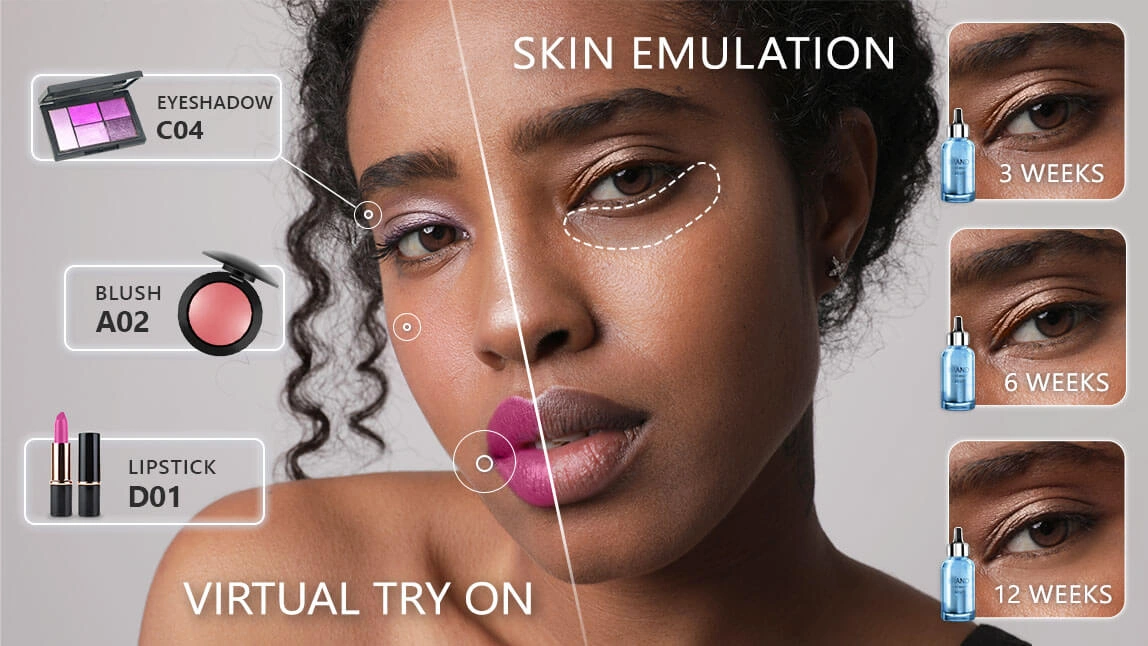
The Immersive Experience (Augmented Reality – AR): AR overlays digital information onto the real world through a smartphone’s camera. In the context of packaging, this technology holds immense potential for creating “try before you buy” experiences. Imagine pointing your phone at a foundation bottle and seeing a virtual swatch of the shade on your own skin, or seeing a perfume bottle animate with visuals representing its scent notes. While not yet a standard offering for most packaging suppliers, the possibility for brands to develop AR experiences linked via QR codes is a tantalizing glimpse into the future of retail.
Industry Deep Dive: The Twin Revolutions in Action
The true power of these revolutions is revealed when they are applied to the specific challenges and opportunities within key industries.
Beauty & Skincare: Transparency on Display
The modern beauty consumer is highly educated and demands transparency. Packaging is the frontline for delivering it.
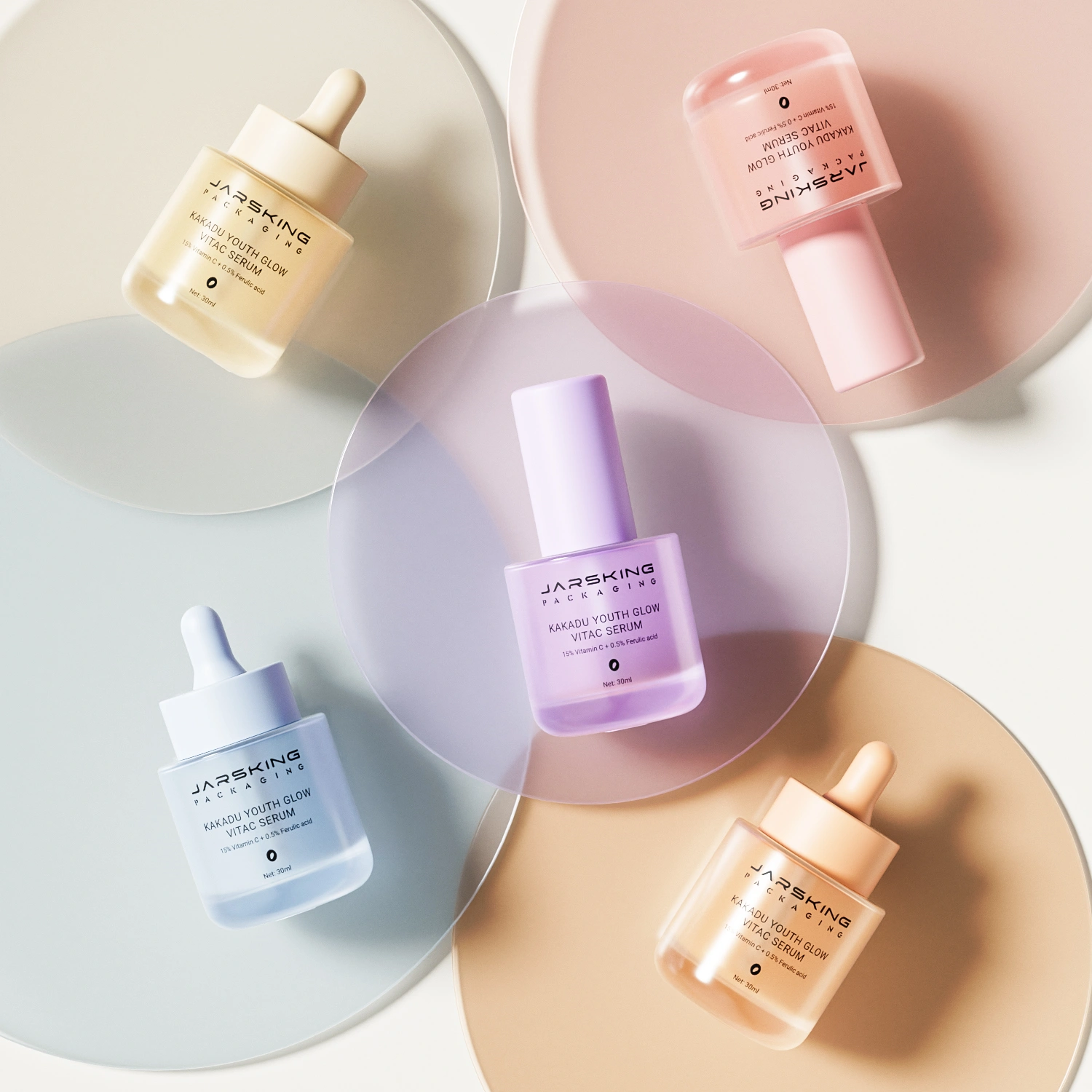
Sustainability in Practice: The shift is toward mono-material airless pumps that protect delicate, active formulas while being fully recyclable. Premium serums and moisturizers are finding their home in heavyweight glass jars with refillable pods. For mass-market products, tubes and bottles made from high-content PCR plastic are becoming the norm.
Smart Integration: Imagine a luxury anti-aging cream in a beautiful, recyclable glass jar. On the box, a QR code doesn’t just link to the product page; it unlocks a private portal. Here, the customer can view the complete provenance of the key active ingredient, watch a masterclass on application techniques from a celebrity esthetician, and set up a subscription that automatically sends a new refill pod every 60 days. This elevates the product from a simple cream to a complete, personalized skincare service.
Perfume & Fragrance: Storytelling and Security
Fragrance is an emotional purchase, driven by story and aspiration. Packaging must reflect this, combining timeless luxury with modern responsibility.
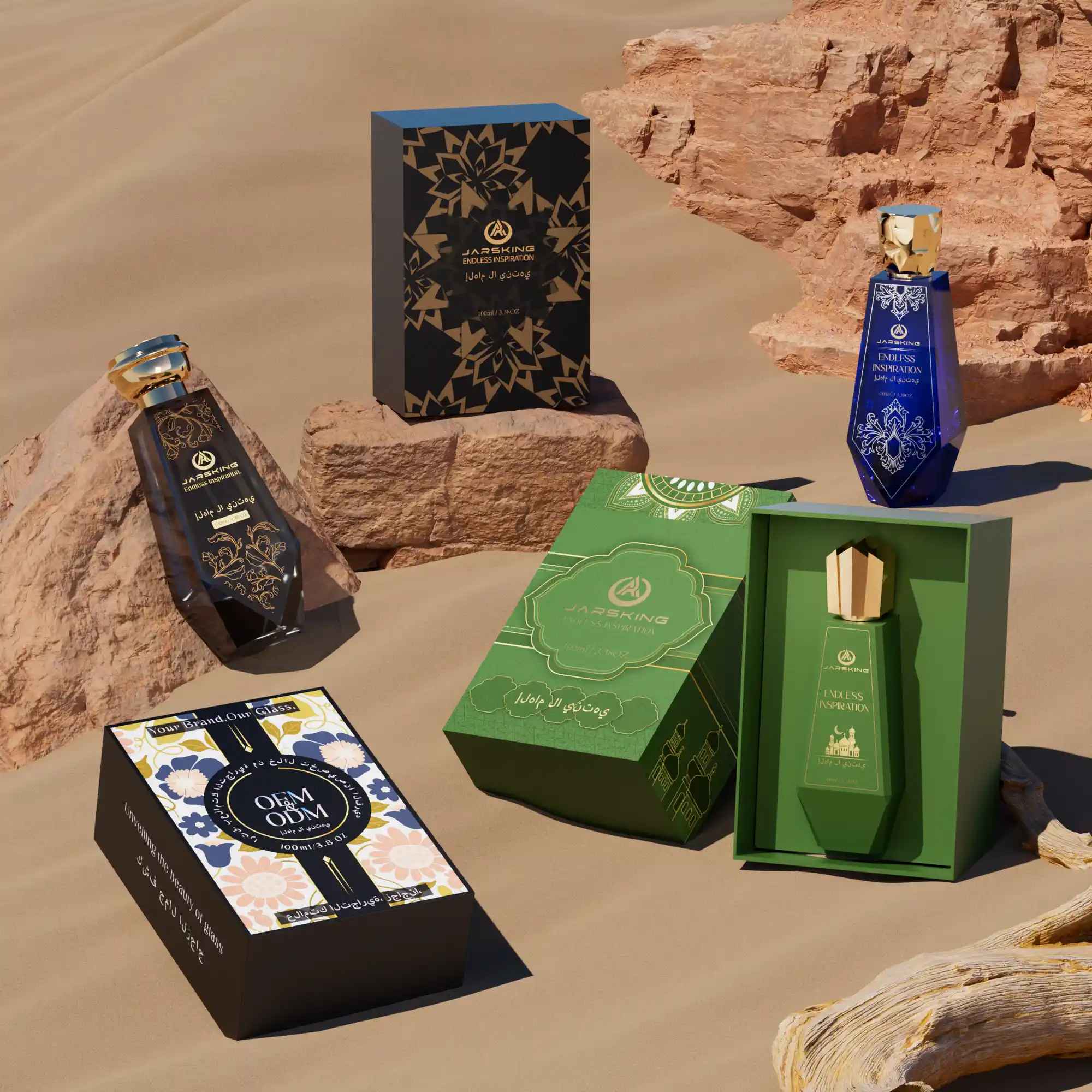
Sustainability in Practice: There is a major revival of classic, heavyweight refillable perfume bottles. Brands are encouraging customers to keep their beautiful primary bottles and purchase less-expensive, minimalist refill vials. Secondary packaging is also being transformed, with a move toward simple, elegant boxes made from recycled paper and printed with soy-based inks.
A Vision for Smart Integration: Consider a niche fragrance brand launching an exclusive scent. An NFC chip, invisibly embedded in the handcrafted cap, could serve as a key. A tap of a phone not only verifies the bottle as one of a limited edition but also unlocks a short film depicting the perfumer’s journey to source a rare flower in Madagascar. It could also provide suggestions for scent-layering with other fragrances from the collection, turning a single purchase into a deeper exploration of the brand’s world.
Cannabis & CBD: Compliance and Confidence
For the rapidly legitimizing cannabis and CBD industry, packaging carries the triple burden of compliance, safety, and brand-building.
Sustainability in Practice: The industry is actively moving away from cheap, single-use plastics. Premium flower is now being presented in airtight, reusable glass jars that preserve freshness. Tinctures and oils are sold in protective violet glass dropper bottles. Edibles and topicals are appearing in sleek, recyclable tin containers and compostable pouches.
Smart Integration as a Necessity: Here, smart packaging is not a gimmick; it is essential for building consumer trust. Every legitimate cannabis product comes with a Certificate of Analysis (COA) from a third-party lab. A QR code printed on the bottom of a child-resistant (CR) jar can link directly to that product’s specific COA report, providing the customer with instant, undeniable proof of its purity, potency, and safety. This radical transparency is the single most powerful tool for differentiating legitimate brands from the grey market and is crucial for navigating the patchwork of state-level regulations.

The Jarsking Advantage: Your Partner in the New Era
Navigating these twin revolutions requires more than just a supplier; it requires a strategic partner with the expertise, infrastructure, and vision to bring complex ideas to life. Jarsking is uniquely positioned to be that partner. We understand that sustainability and smart functionality are not separate goals but a unified objective.
Our leadership is built on a foundation of excellence in the areas that matter most:
Material Mastery: We offer an unparalleled portfolio of eco-friendly materials. From infinitely recyclable glass and high-grade aluminum to certified PCR plastics and natural bamboo, we provide the building blocks for responsible packaging. Our expertise ensures you can select the right material for your product’s needs, your brand’s aesthetic, and the planet’s health.
Engineering Excellence: Our capabilities go far beyond simple containers. We specialize in the complex engineering of refillable systems, designing mechanisms that are both intuitive for the consumer and durable for long-term use. Furthermore, our deep experience in child-resistant packaging for the cannabis and pharmaceutical markets means we deliver solutions that are not only compliant but also elegantly designed and user-friendly.
Agile Innovation and Customization: The future is built on speed and creativity. With cutting-edge services like our 1-Hour 3D Demo, we can turn a simple idea into a tangible design concept almost instantly. Our deep commitment to custom design means we work as an extension of your team, prototyping and iterating to create packaging that is truly unique. This agility is crucial for brands looking to be first-to-market with innovative solutions, providing the perfect, high-quality canvas for any current or future technological integrations you wish to explore.

Conclusion: The Future is Smart, Sustainable, and Seamless
The message from the market is clear: packaging can no longer afford to be passive. It must be responsible, it must be intelligent, and it must be engaging. The twin revolutions of sustainability and smart technology are not a passing trend; they represent a permanent evolution in the relationship between brands, consumers, and the world we share. They are complementary forces—smart technology can enhance sustainability by eliminating paper inserts and providing detailed recycling instructions, while sustainable materials provide the ethical foundation upon which a modern brand is built.
The brands that will win the future are those that embrace this dual challenge. They will create products that delight the senses, protect the planet, and open doors to new digital worlds. The future of packaging is a seamless integration of the physical and the digital, the beautiful and the responsible. It’s a future where every jar, bottle, and box tells a story of innovation, transparency, and a profound respect for both the customer and the environment.
FAQs
The twin revolutions refer to the simultaneous rise of sustainable, eco-friendly packaging and smart, digitally connected packaging, which are transforming the industry.
It is driven by three main forces: strong consumer demand for eco-friendly products, increasing government regulations mandating recyclability, and the economic benefits of enhanced brand equity and customer loyalty.
Key materials range from infinitely recyclable options like glass and aluminum to sustainable innovations such as Post-Consumer Recycled (PCR) plastics and glass, as well as eco-friendly alternatives like bamboo and compostable PLA (Polylactic Acid).
The refill model decouples the product from the primary container. It encourages customers to buy a durable, high-quality container once and replenish it with refills, which drastically reduces single-use packaging waste and builds long-term brand loyalty.
A mono-material package is one made entirely from a single type of material (e.g., a bottle and cap both made of PET plastic). This design dramatically simplifies the recycling process and increases the chances of the material being recovered.