logo

Custom Bottle Molding:
In-House Design, Tooling & Manufacturing

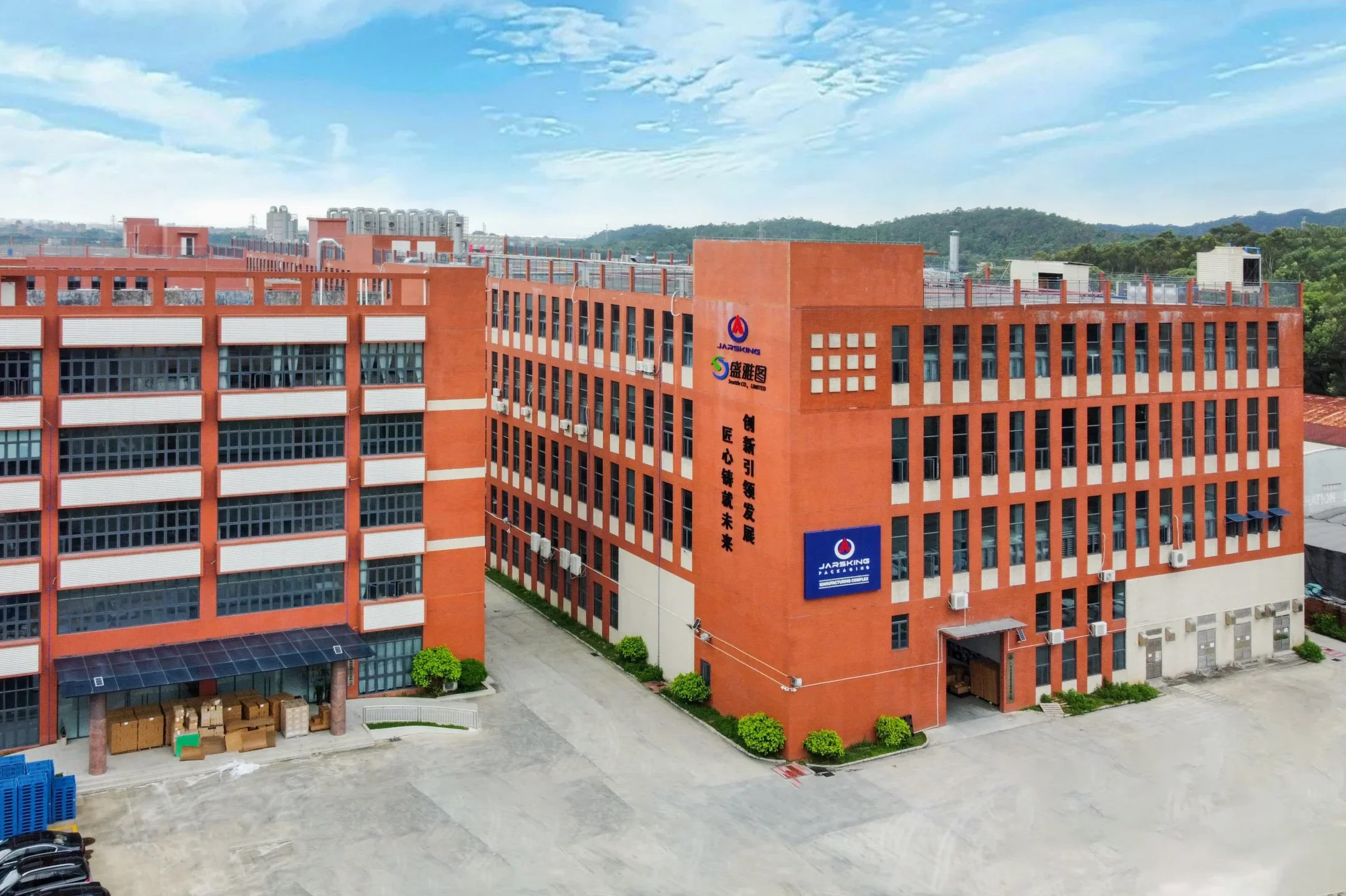
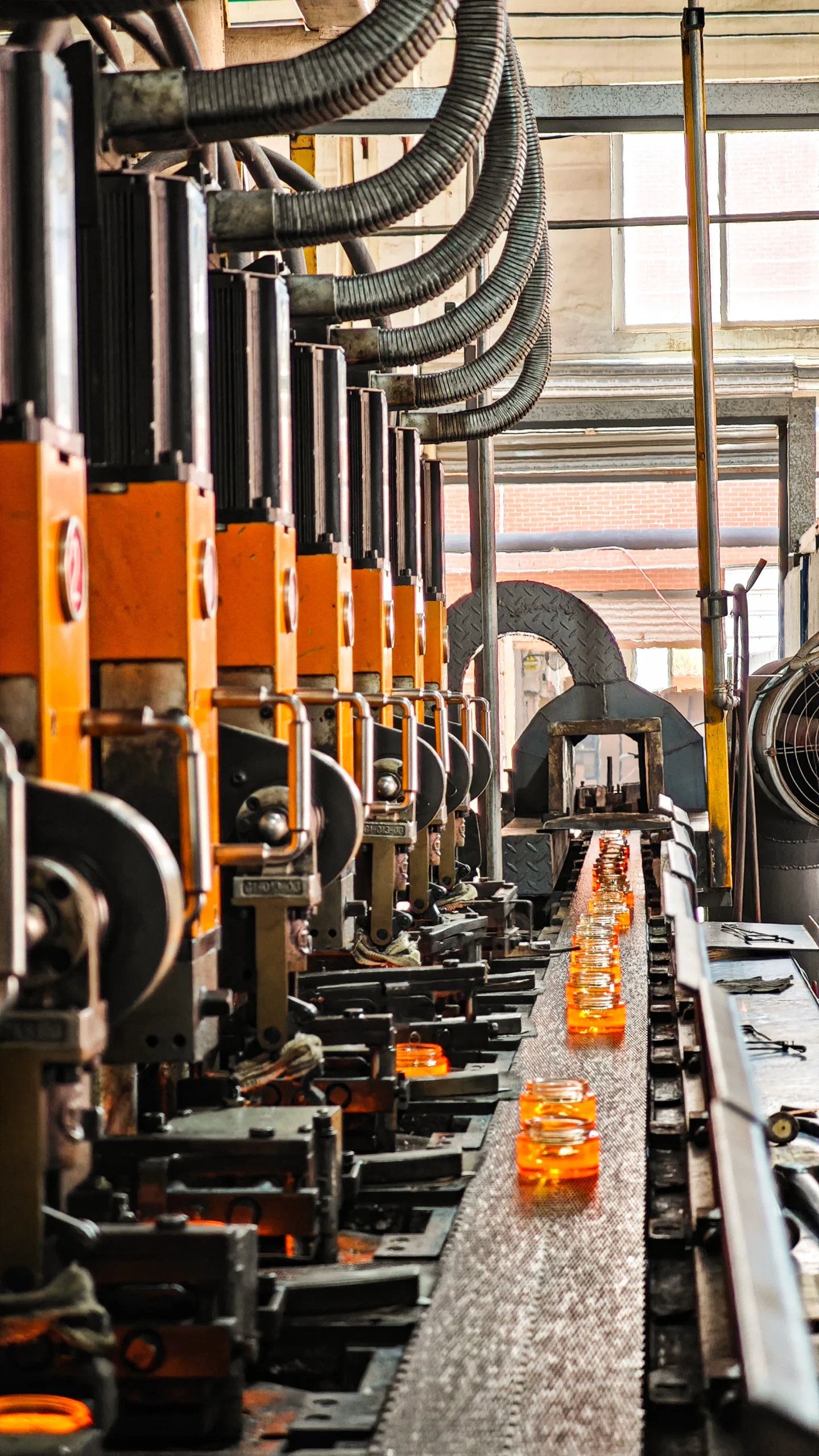
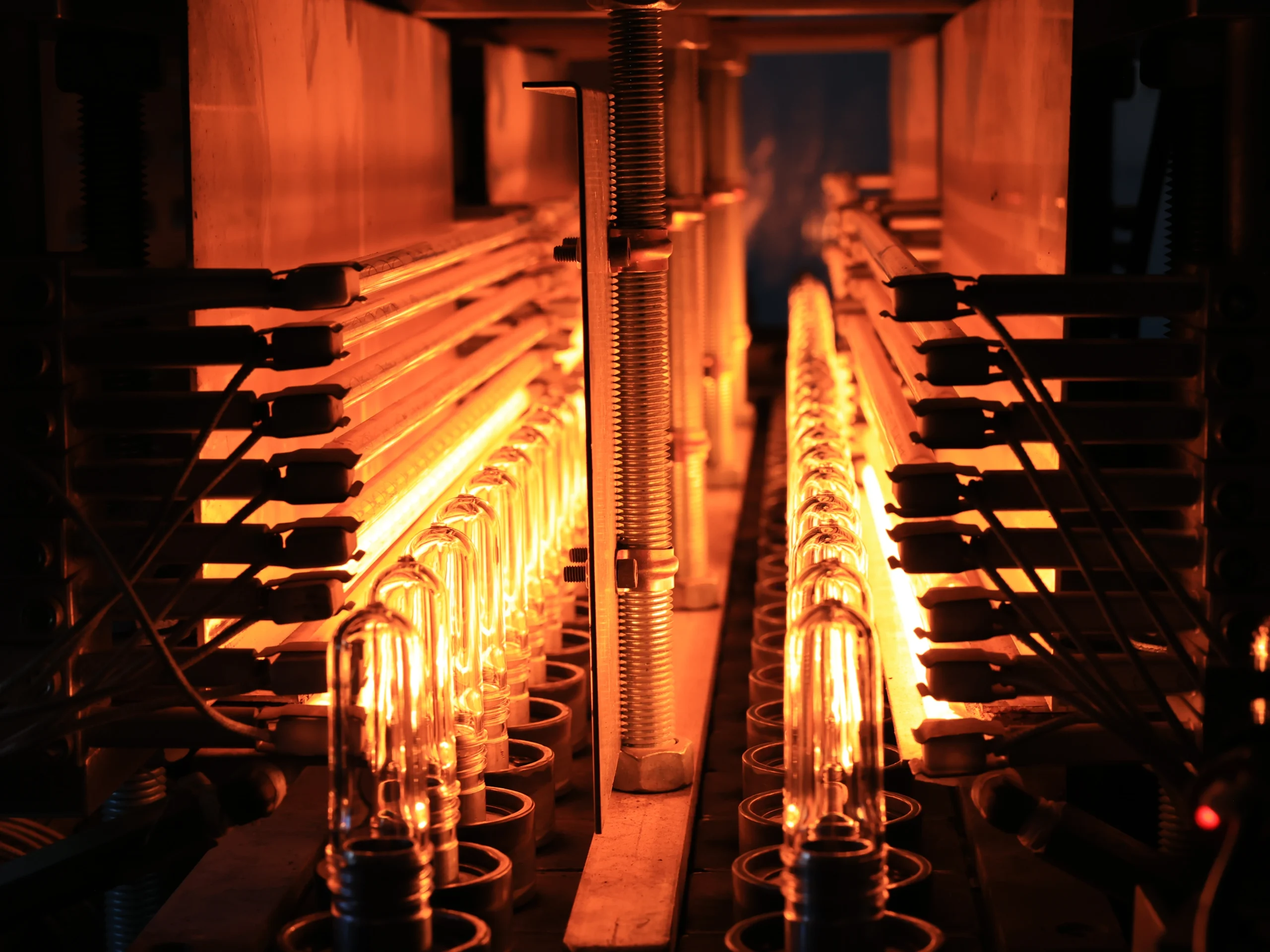
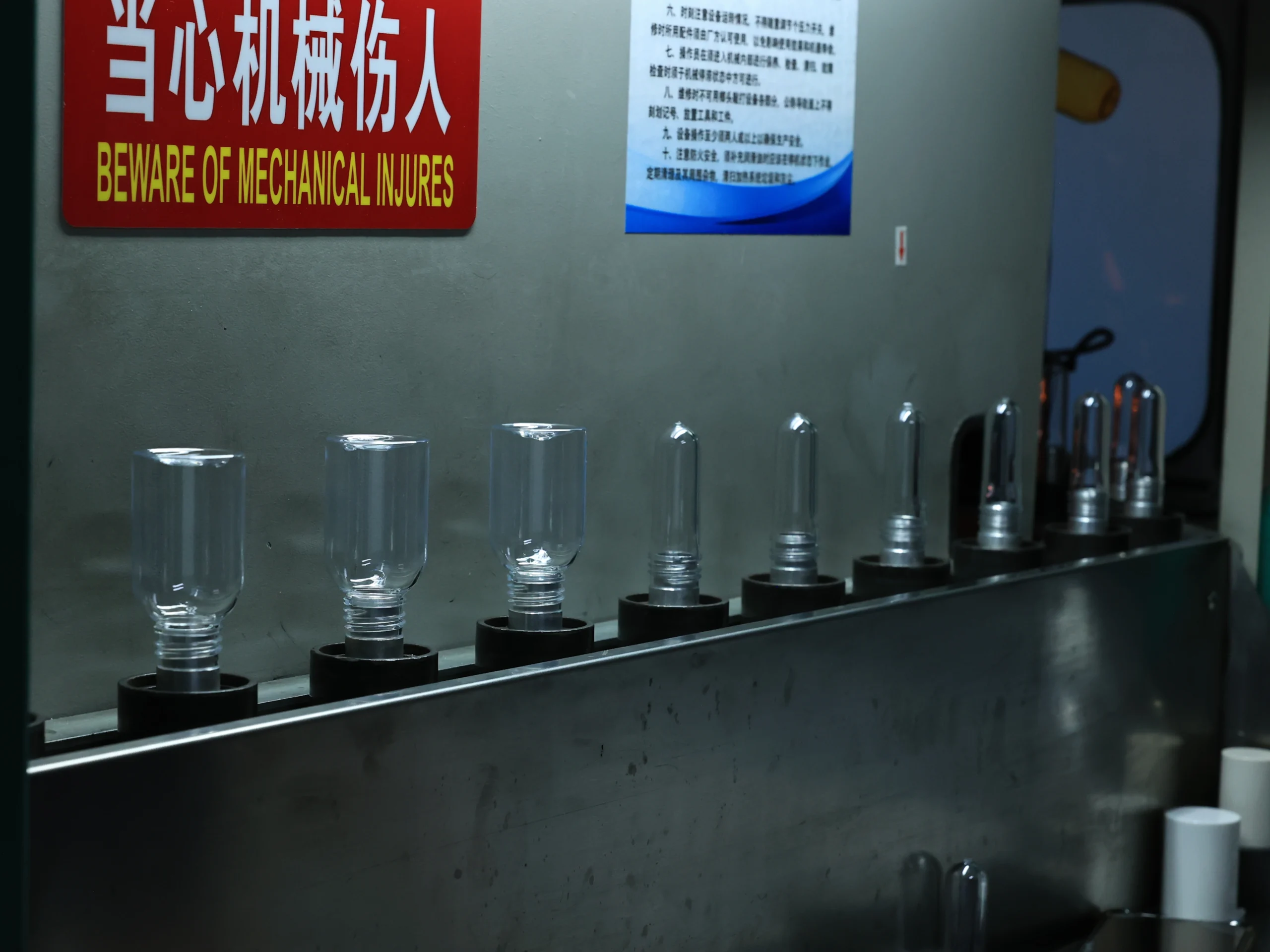
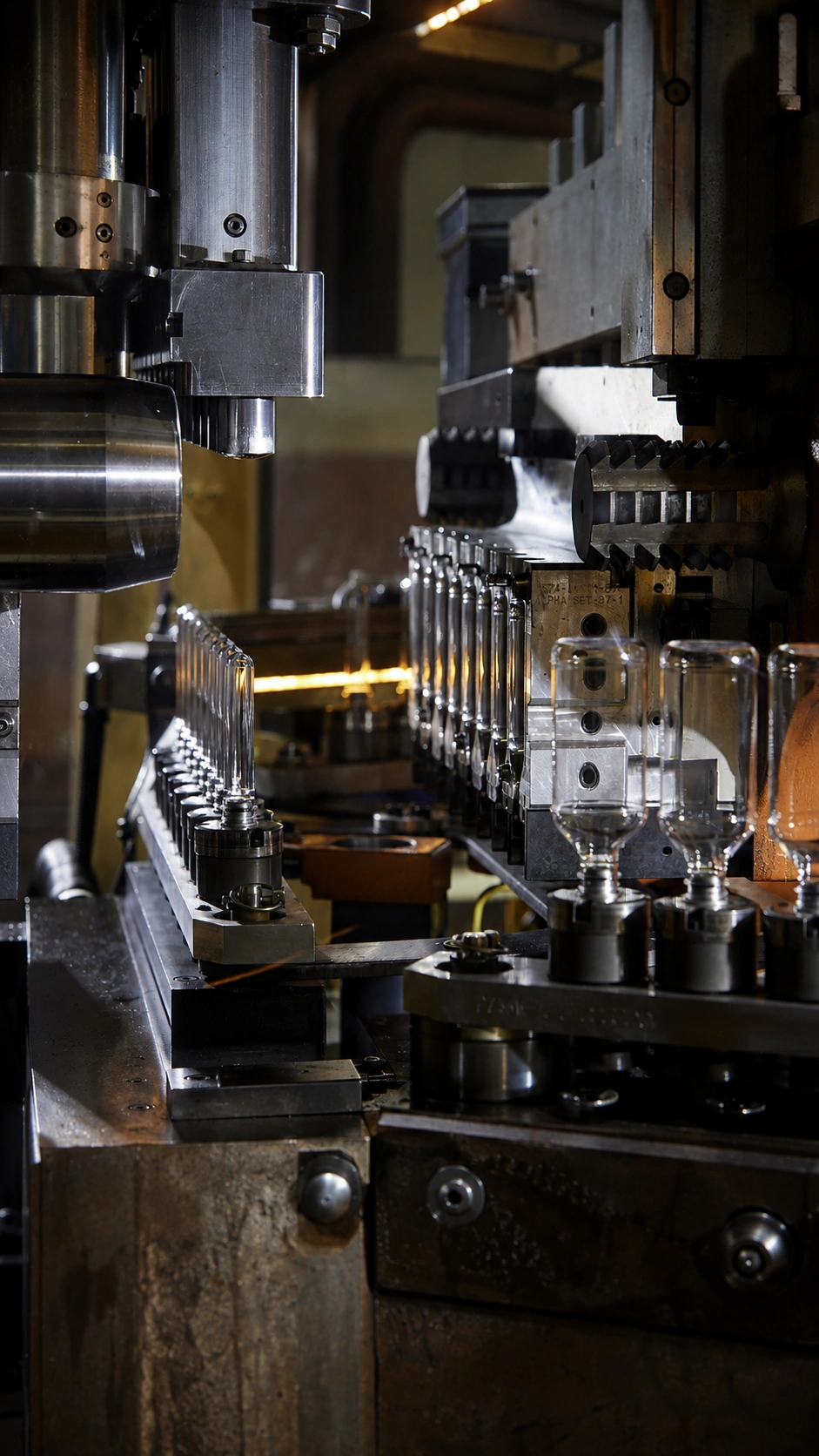
Jarsking controls the entire bottle creation process — from initial concept sketch to steel mold fabrication and pilot production — inside a single integrated facility. This means shorter lead times, tighter quality control, and IP protection that third-party mold development cannot match.

Why In-House Molding Is a Competitive Advantage

Most packaging suppliers outsource mold development to external toolmakers, creating handoff delays, version control gaps, and IP exposure. When your mold is built and held in-house, your brand’s unique bottle silhouette stays protected — and every production run pulls from the same validated tooling.

Design-to-tooling under one roof

Structural engineers and mold designers collaborate directly, eliminating translation errors between concept and production spec.

Pilot runs before mass production

Small trial batches catch issues before you’re committed to 50,000 units.

30,000+ existing mold library

Repurpose proven preform structures to cut tooling costs and compress timelines.

IP security

Molds are held exclusively in Jarsking’s facility; no third-party access.

Faster sampling cycles

Priority scheduling on in-house tooling vs. queuing at external toolmakers.

The 5-Stage Custom Mold Development Process

From first brief to production-ready bottle — here’s exactly how each stage works, what you’ll need to prepare, and what to expect at every step.

Stage 1: Brief & Feasibility Review

Timeline: Day 1–2

This is the conversation that sets the entire project up for success. You’ll share your brand vision, and our product development engineers will immediately assess whether your concept is manufacturable — and at what cost.

What you need to bring

  • Target fill volume (e.g., 30ml, 50ml, 100ml)

  • Material preference — glass, PET, PE, or PP

  • Decoration intent — frosted, coated, hot-stamped, screen-printed

  • Retail channel — luxury countertop, e-commerce shipper, pharmacy shelf

  • Reference images, mood boards, or a competitor sample you admire

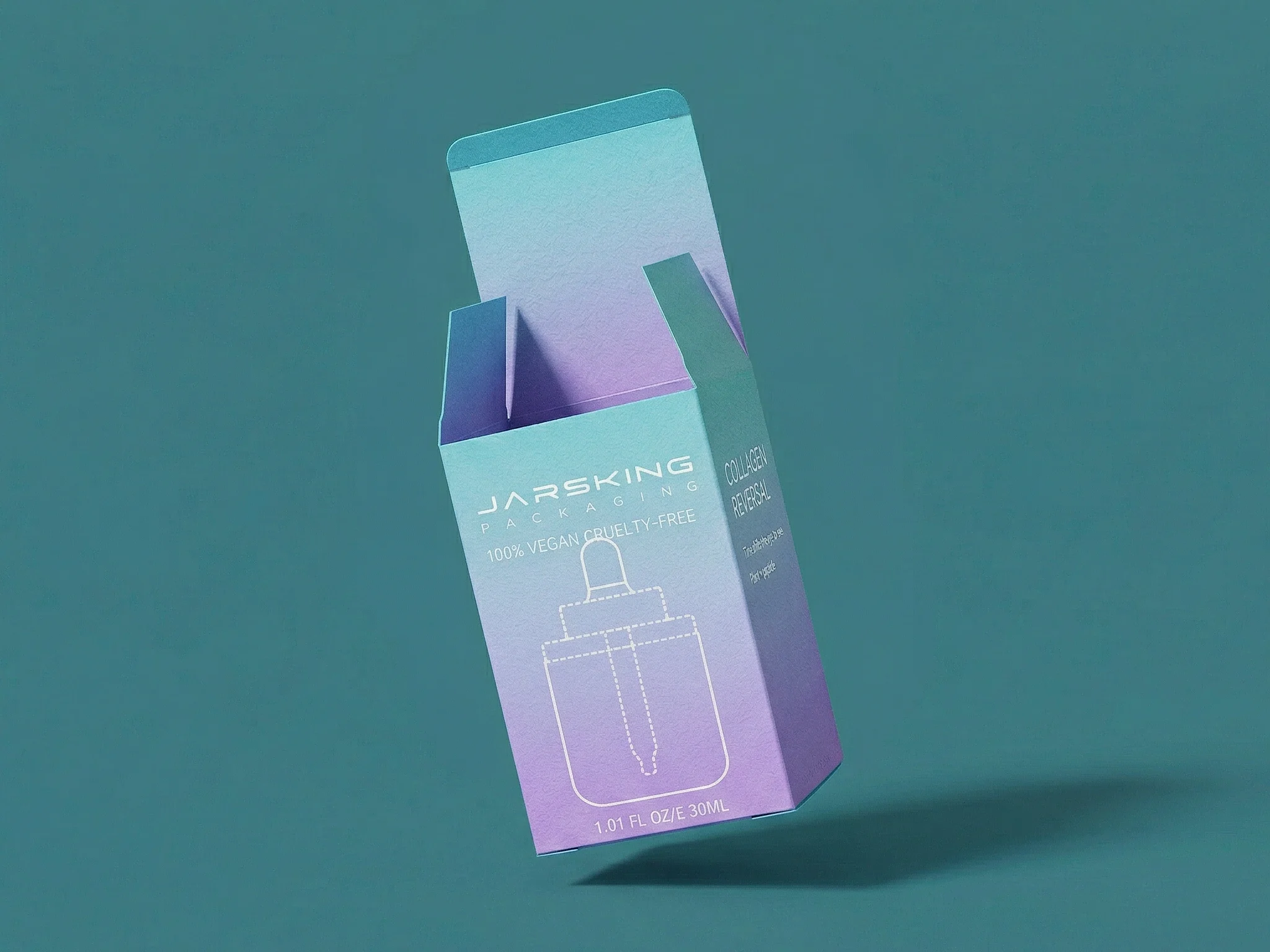
moodboard sample

What Jarsking delivers

  • A written Feasibility Summary outlining recommended material, estimated tooling cost range, and structural constraints

  • A clear recommendation: Can your concept use an existing mold from our 30,000+ library, or does it require new steel tooling?

What to watch out for

  • Vague briefs produce vague quotes. The more specific your brief, the more accurate our feasibility timeline and cost estimate will be.

  • If you have a hard launch deadline, state it here — it determines which mold path (OEM ODM OBM) is right for you.

  • Screen captures of colors are not accepted for color specs. Have Pantone codes or a physical reference sample ready before Stage 3.

Stage 2: 3D Concept Rendering & Structural Engineering

Timeline: 1–8 days
(depending on complexity)

This is where your bottle takes visible shape. Our designers produce photorealistic 3D renders while structural engineers simultaneously validate the architecture behind the beauty.

What Jarsking delivers

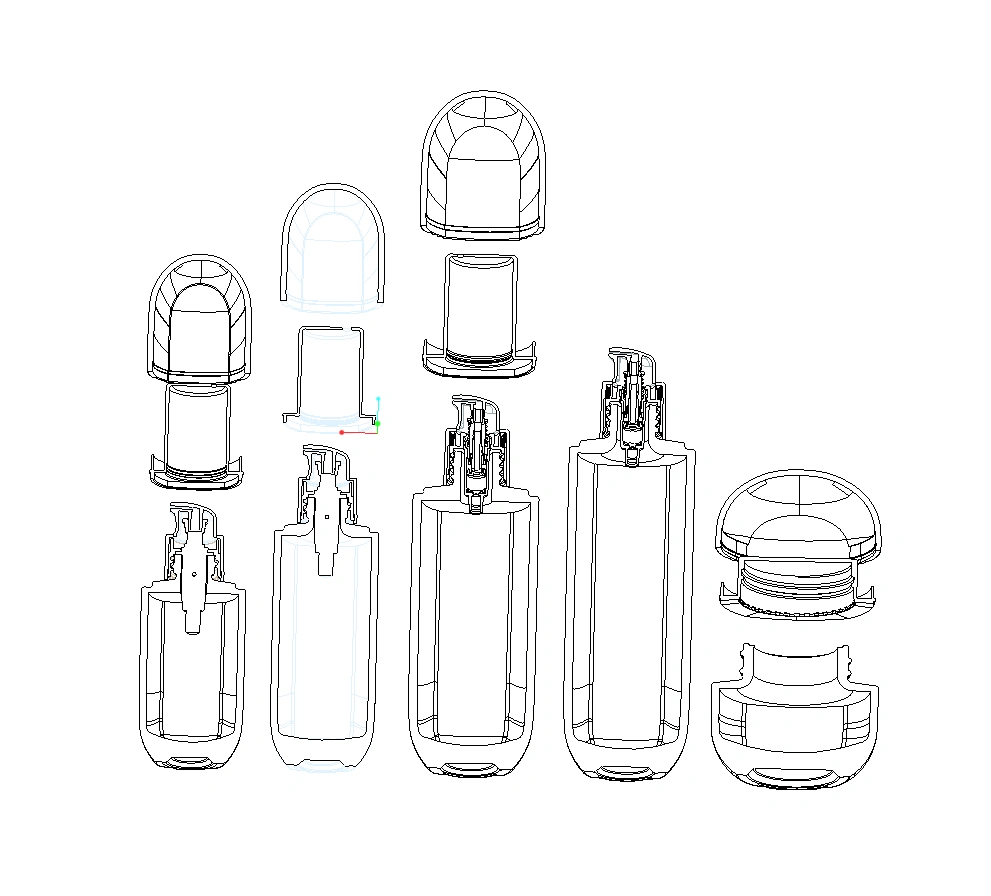
  • Photorealistic 3D renders from multiple angles, with realistic lighting and surface finish simulation

  • Engineering specification sheet covering: wall thickness, draft angles, parting line placement, and neck finish specs

  • Material compatibility note — confirming the chosen resin or glass composition is compatible with your target formula

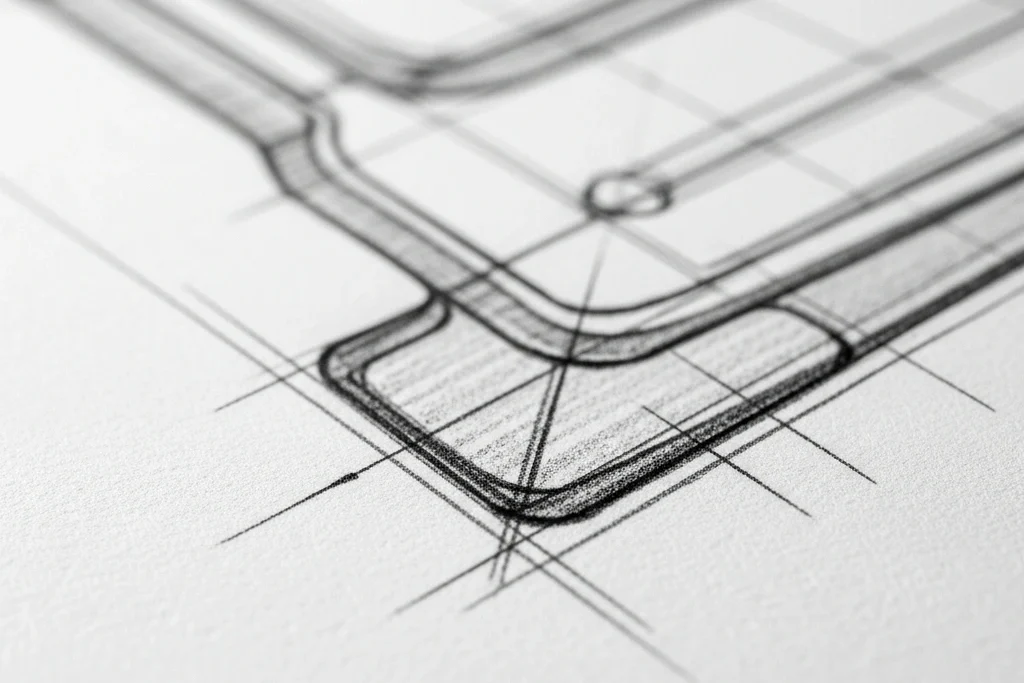
sketch and 3D demo

What you need to do

  • Review renders and give consolidated feedback. Avoid giving feedback in multiple rounds from different stakeholders — consolidate your team’s input into one marked-up document per revision round to prevent scope drift and delays.

  • Confirm label area dimensions, cap fitment type (screw, snap, crimp), and any surface texture requirements.

What to watch out for

  • Design details that look great in 3D can create manufacturing challenges. If our engineers flag a concern (e.g., undercuts, extremely thin walls, sharp internal corners), take it seriously — these will affect yield rates and unit cost at mass production.

  • Requesting major silhouette changes after engineering sign-off restarts the clock. Lock in the overall shape before requesting detail refinements.

Stage 3: Prototype (Physical Sample, Pre-Steel)

Timeline: 3–8 days after 3D approval

Before any steel is cut, you will hold a physical prototype of your bottle. This is a 3D-printed or rapid-tooled sample — not production material — designed purely for evaluating form, proportion, ergonomics, and label fit.

What you need to do

  • Fill the prototype with your actual formula (or a water-based proxy of the same viscosity) to check dosing feel and leak performance.

  • Test against your secondary packaging — does the bottle fit your carton depth? Does the cap clear the box lid?

  • Sign a physical approval form confirming the 3D form, proportions, and neck finish before tooling begins

white mold

What Jarsking delivers

  • One prototype unit (additional units available on request)

  • A spec confirmation document listing final agreed dimensions — this becomes the binding reference for mold machining

What to watch out for

  • The prototype material (not production resin or glass) will feel different in weight and surface texture. Evaluate shape and proportion only — not final tactile feel or clarity.

  • This is your last low-cost change window. Any structural changes requested after the prototype sign-off will require a new prototype round and will delay the steel mold start date.

  • If your team needs consumer testing at this stage, allow extra time before signing off — do not rush the approval.

Stage 4: Steel Mold Fabrication

Timeline: 35–40 days

This is the longest single stage — and the most critical. Our toolmakers CNC-machine the production mold to micron-level tolerances based on the signed-off specification.

What you need to do

  • Confirm your initial order volume before tooling begins — this determines cavity count (single-cavity vs. multi-cavity mold), which directly affects your per-unit cost at mass production.

  • Issue your tooling deposit payment. Mold fabrication does not begin until the tooling payment is received.

  • Provide vector artwork files (AI or PDF) for any surface engraving or embossing on the bottle body.

Jarsking cosmetic packaging factory interior with stacked metal molds

What Jarsking delivers

  • Progress photos at mid-point machining (approx. Day 20) and upon mold completion

  • A mold ownership certificate issued to your brand upon full payment

  • NDA-backed IP protection — your mold is held exclusively in our facility, the customer archival storage room,  and never shared with third parties

What to watch out for

  • Do not request design changes during mold machining. Any structural modification after steel cutting begins requires remachining, which adds 15–20 days and a cost surcharge.

  • If your order volume is likely to grow, discuss multi-cavity tooling upfront — it’s far more cost-effective to machine a 4-cavity mold now than to add cavities to existing steel later.

  • Keep your project manager informed of any changes to your target decoration or cap fitment during this window, as those components are being prepared in parallel.

Stage 5: Trial Production, Testing & Mass Production Sign-Off

Timeline: 5–7 days for trials + your review window

The mold produces its first real units. These trial samples are made from your actual production material — the first true representation of what your customers will hold. This stage is the final quality gate before full-scale manufacturing begins.

What you need to do

  • Receive the trial sample set (typically 30–50 units) and conduct a structured review:

    • Fill with your actual formula and check for leakage, compatibility, and dispensing performance

    • Apply your label or decoration and evaluate surface adhesion and visual alignment

    • Submit to any required drop tests, UV exposure tests, or retailer compliance checks

  • Provide written sign-off (email confirmation is sufficient) approving the trial batch for mass production.

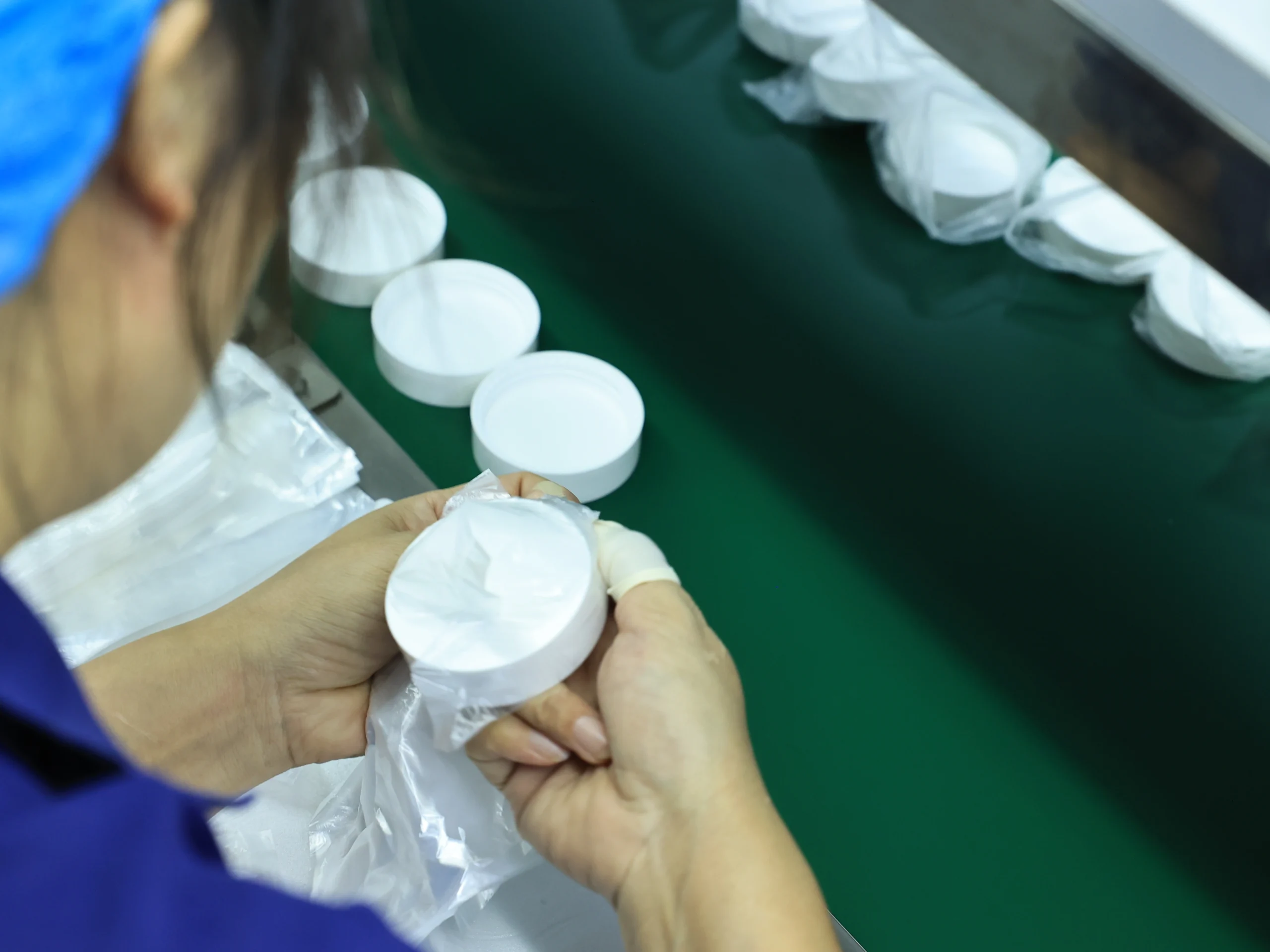
QC

What Jarsking delivers

  • Trial sample set with full QC inspection report: dimensional measurements, surface defect AQL rating, and functional performance data

  • Any mold adjustments required based on trial feedback — minor adjustments (polish, texture, dimensional tuning) are included within the project scope

  • Production timeline confirmation: your mass production start date is locked once sign-off is received

What to watch out for

  • Allow yourself sufficient internal review time before signing off. Once mass production starts, no structural changes are possible.

  • If your formula has specific chemical compatibility requirements (e.g., high-alcohol content, active acids), ensure your fill test uses the real formula — not a placeholder.

  • Compliance documents should be reviewed at this stage. If your bottle needs to meet specific drop-test or labeling standards, flag them before sign-off, not after.

FAQs

For custom mold development, the minimum is 50,000 units per SKU. For orders using existing molds from Jarsking’s preform library, the minimum is 10,000 units per SKU (MOQ might be different by cases, consult to our sales representative for confirmation).

The brand client owns the mold tooling upon full payment. Molds are held and maintained in Jarsking’s facility for repeat production orders, with full IP protection under NDA.

In many cases, yes. With thousands of preforms in our existing library, we can often match or closely replicate a target silhouette without requiring full custom tooling, significantly reducing cost and lead time.

Glass (flint/clear and colored), PET, PE, PP, PETG, etc. Material selection is guided by your formula compatibility, brand positioning, and target decoration method.

That’s exactly where we start. Our product development consultants, each with 5+ years of mold development experience, will translate your concept into a 3D rendering and engineering brief before any steel is cut.

Find out more about concept development process?  Check out Concept.

Request Quotation