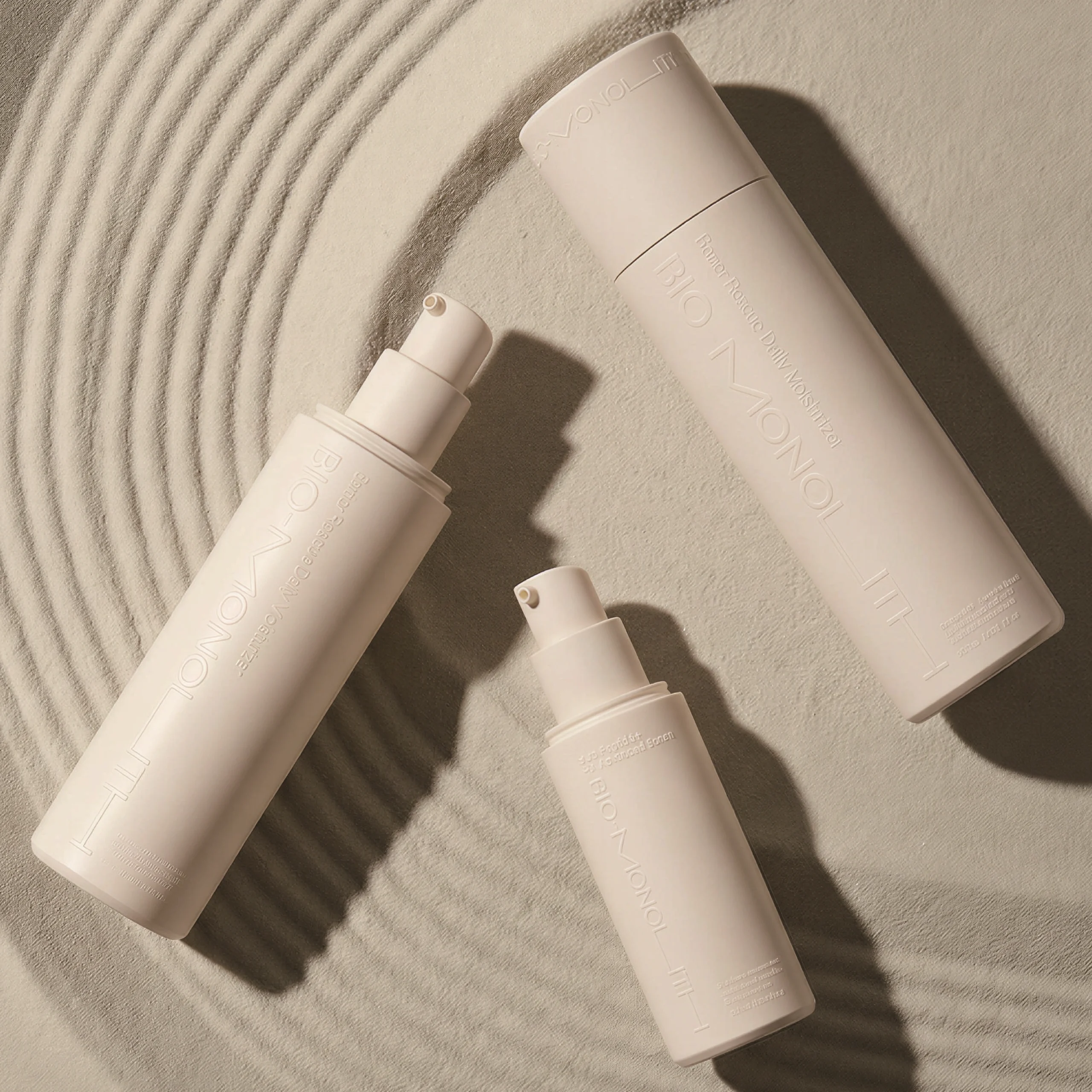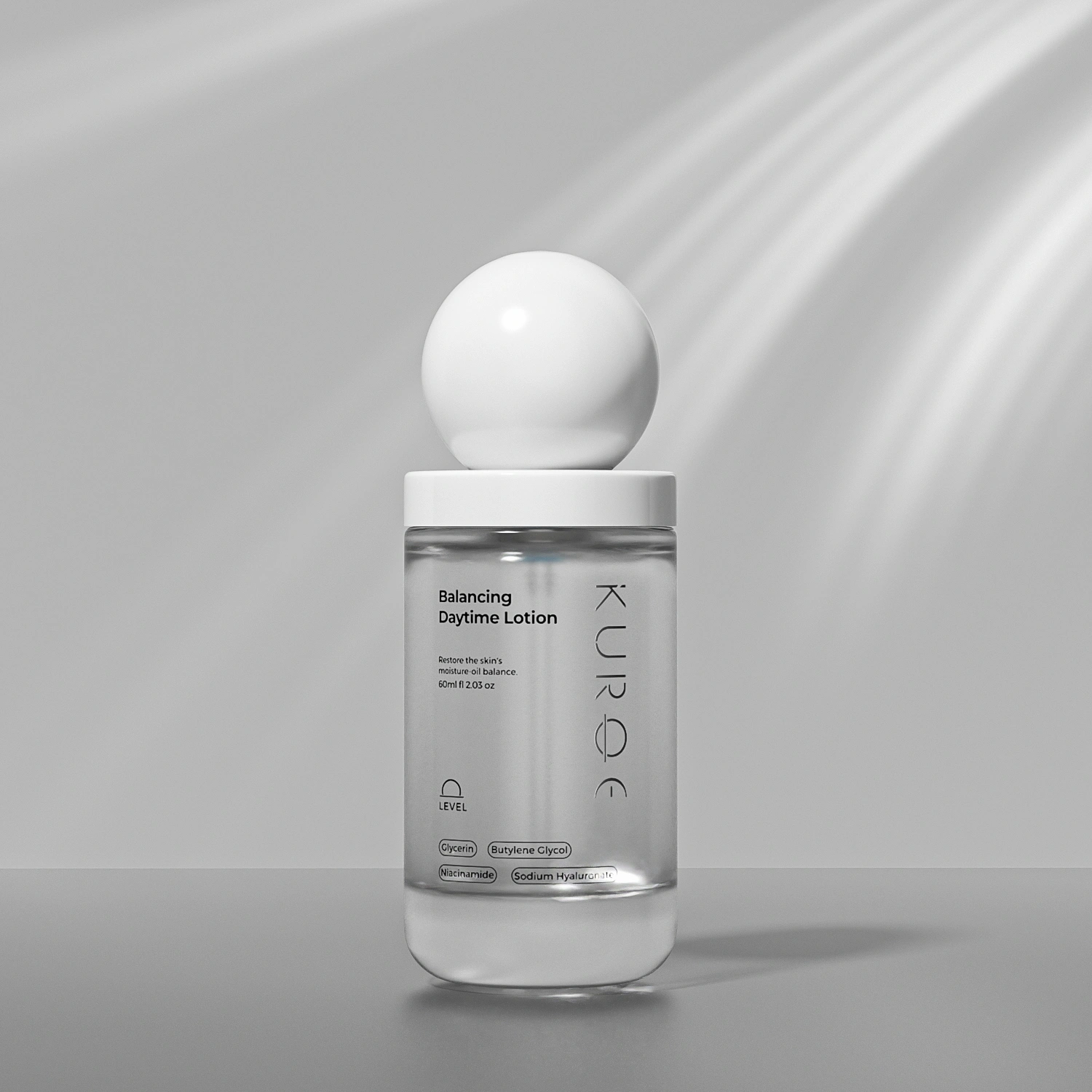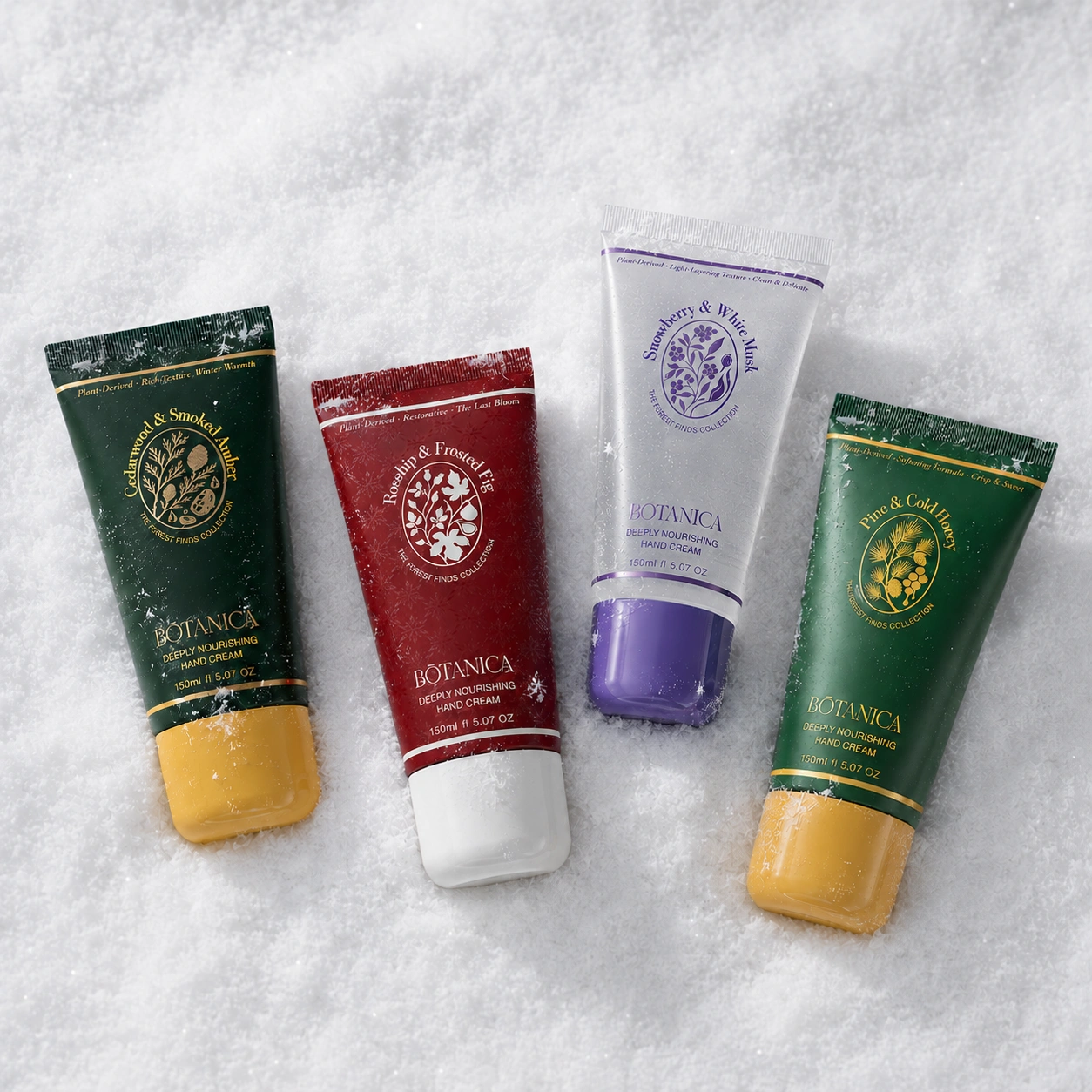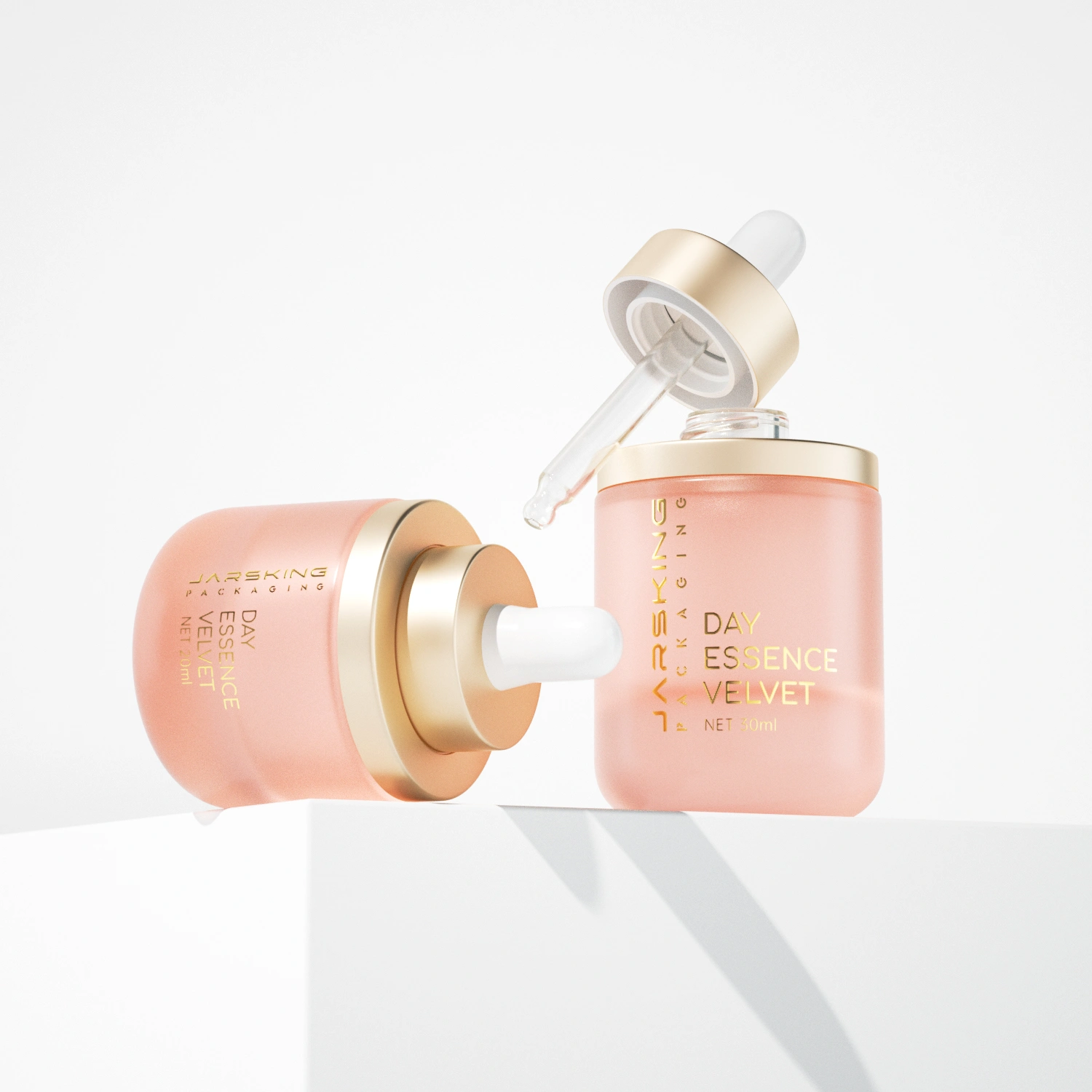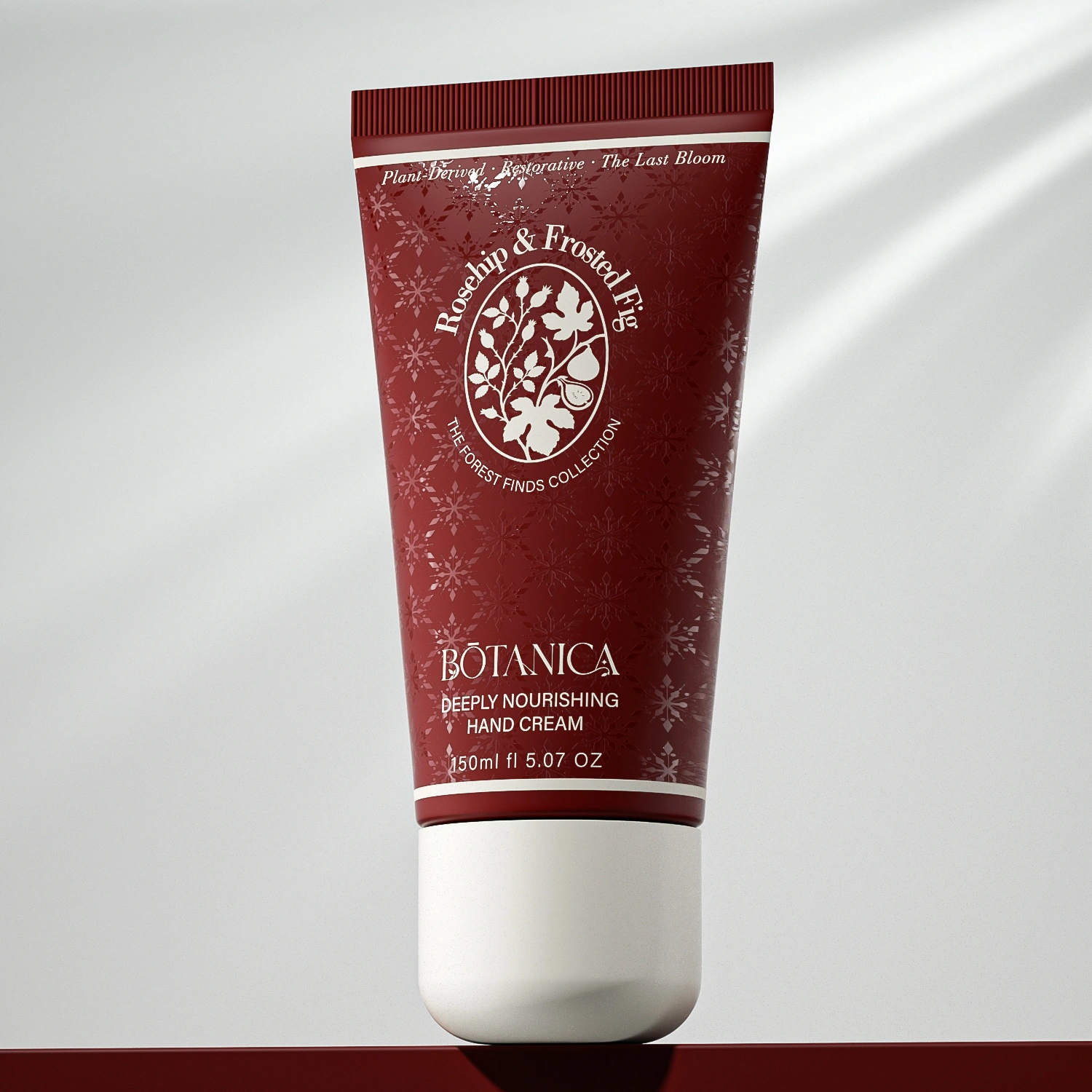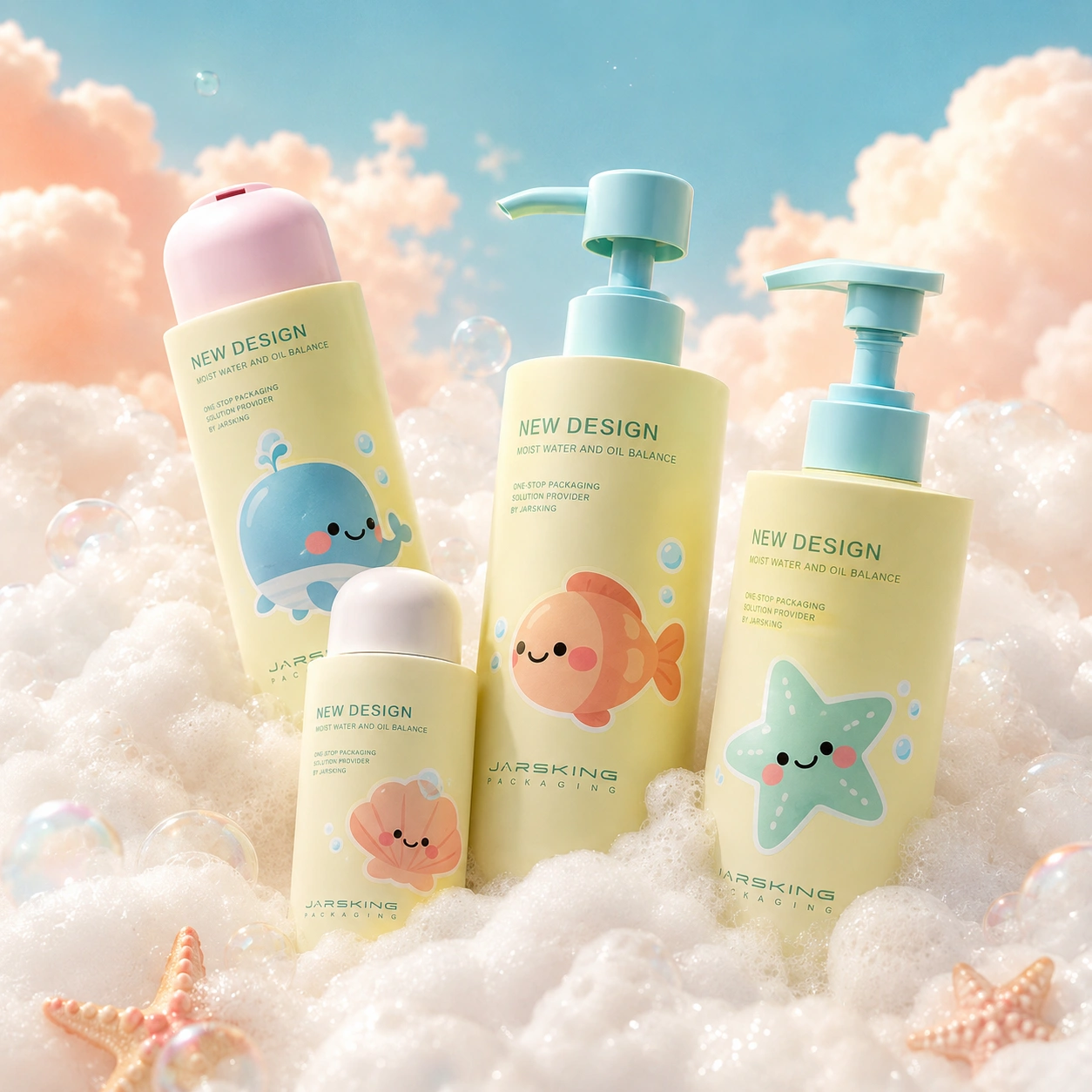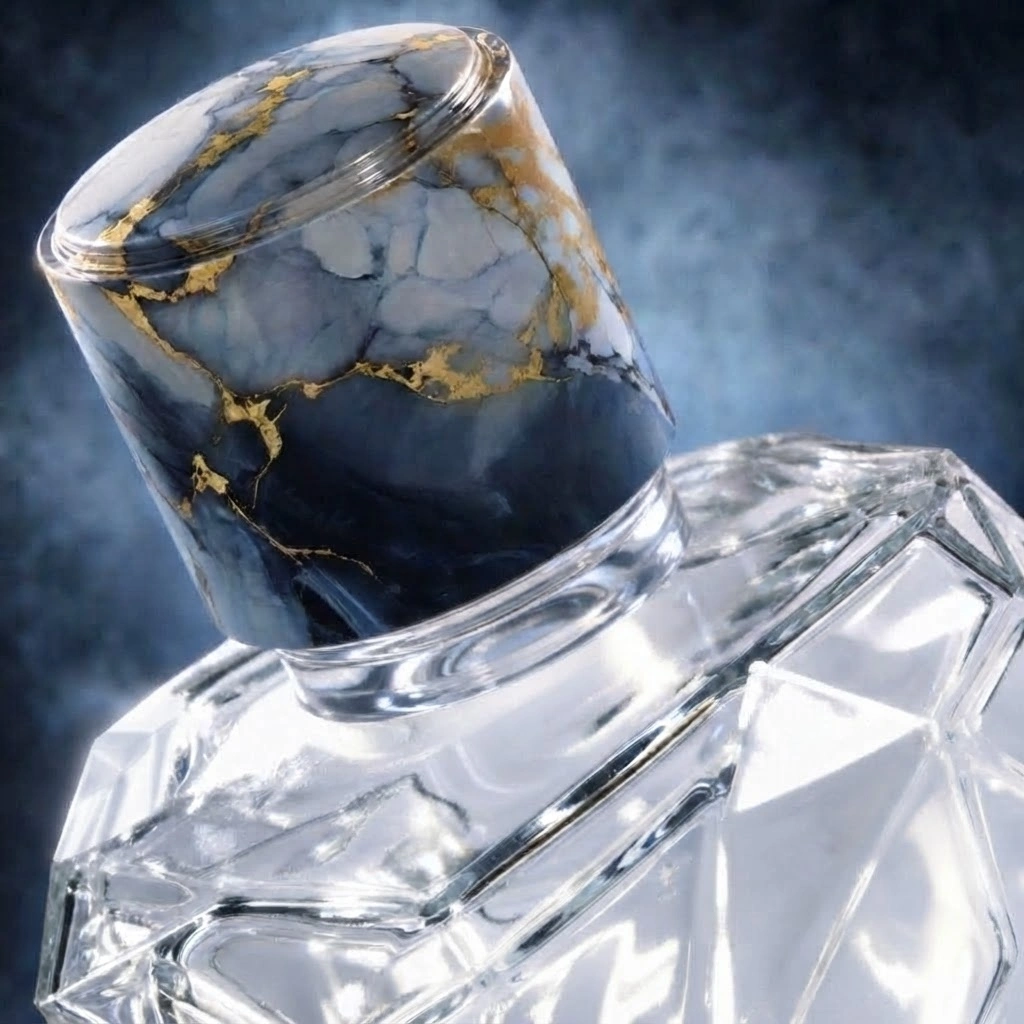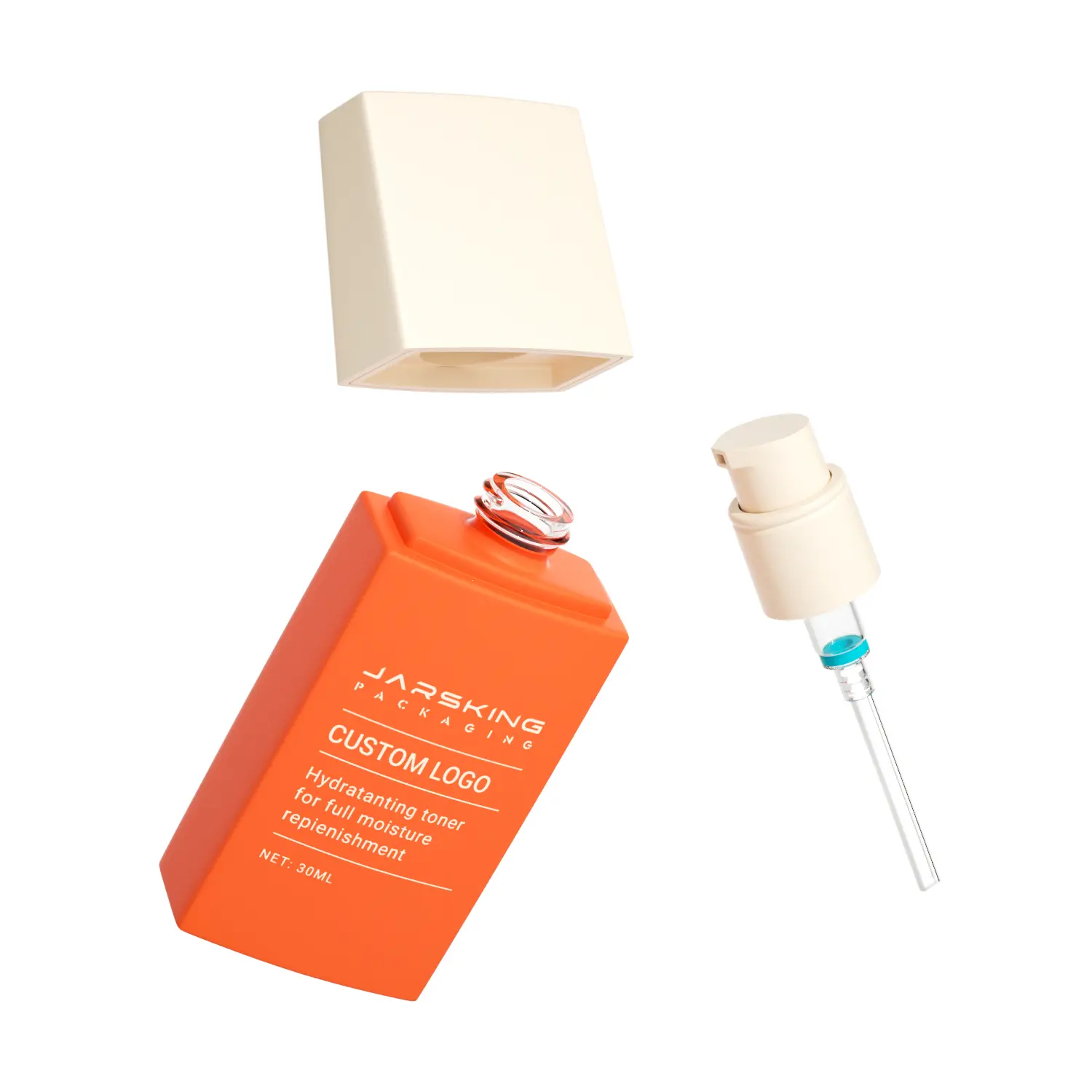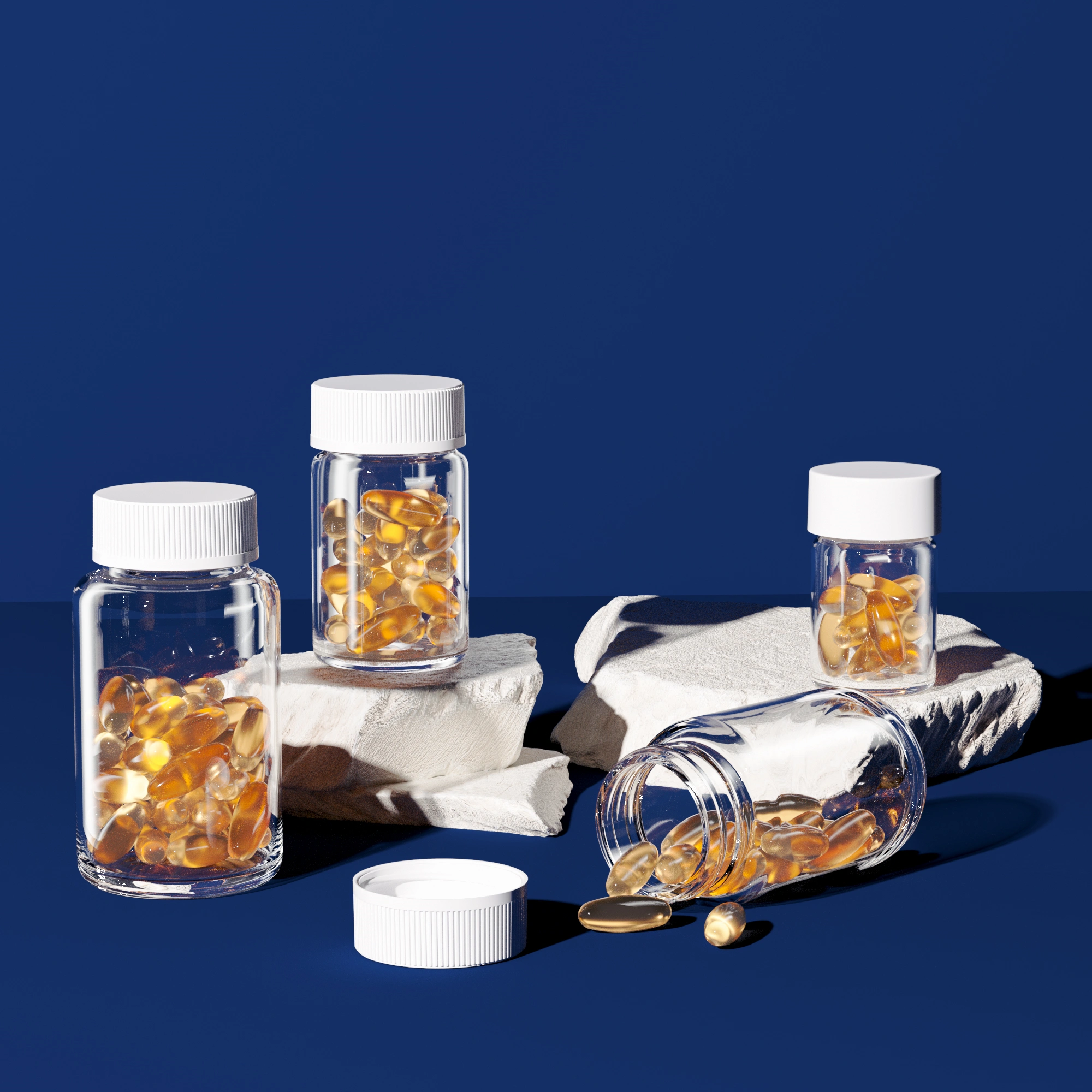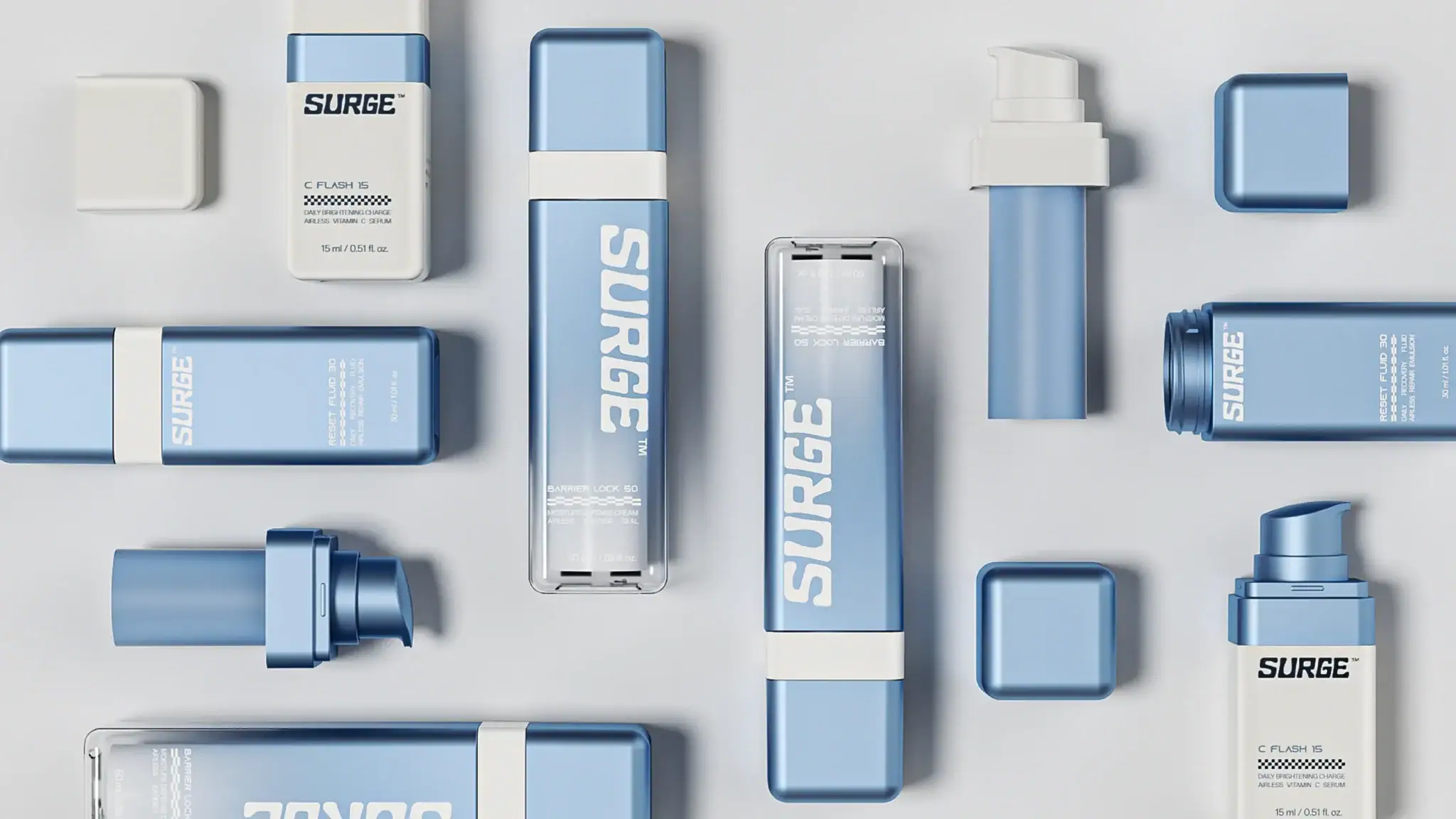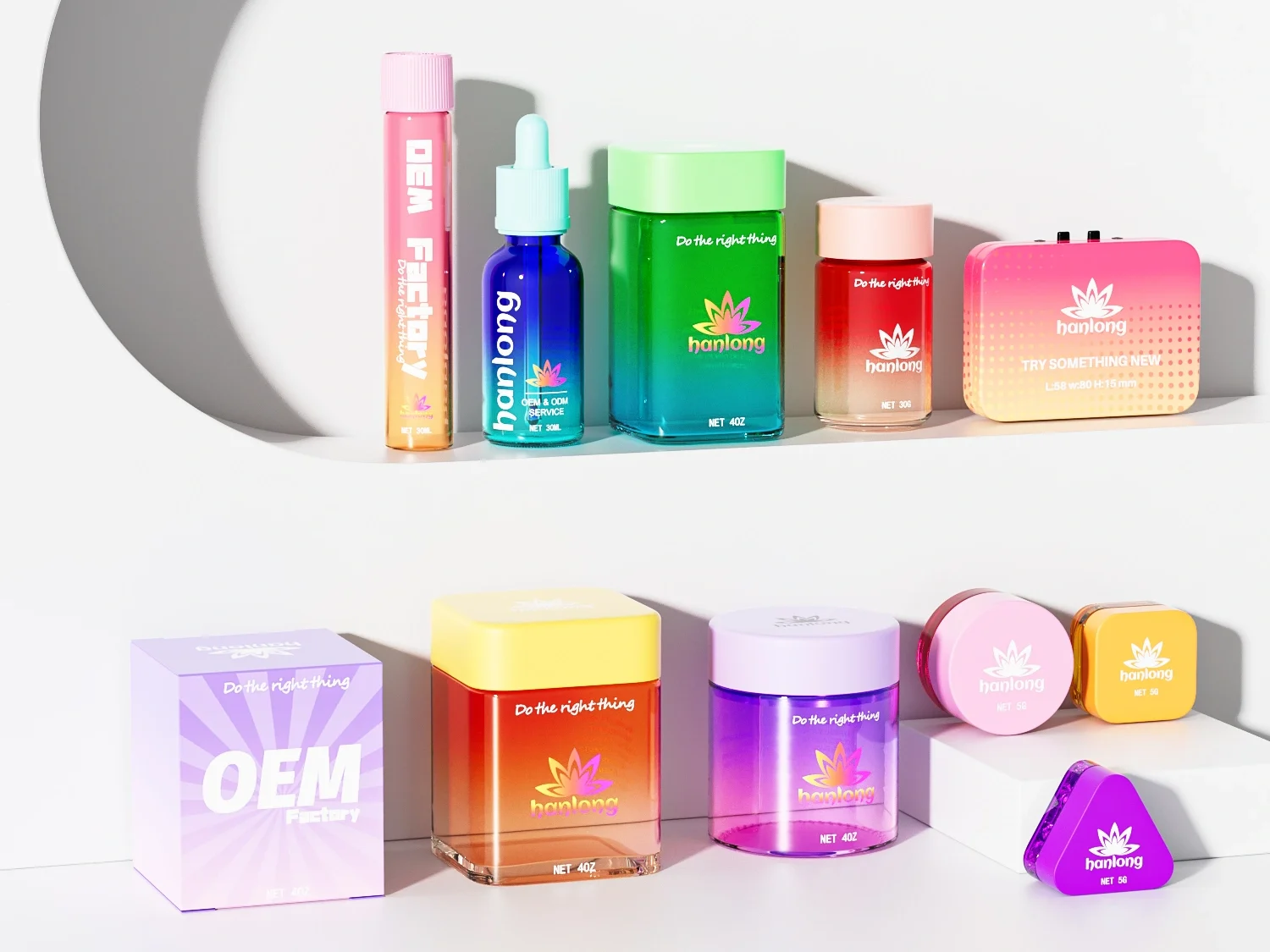
Closures, pumps, sprayers, droppers and applicators — matched to the neck finish of any Jarsking bottle or jar.
Jarsking covers all cosmetics,cannabis and perfume markets. Ask custom solutions here!
The world’s go-to cosmetic packaging factory for custom branding. Talk to Jarsking Team
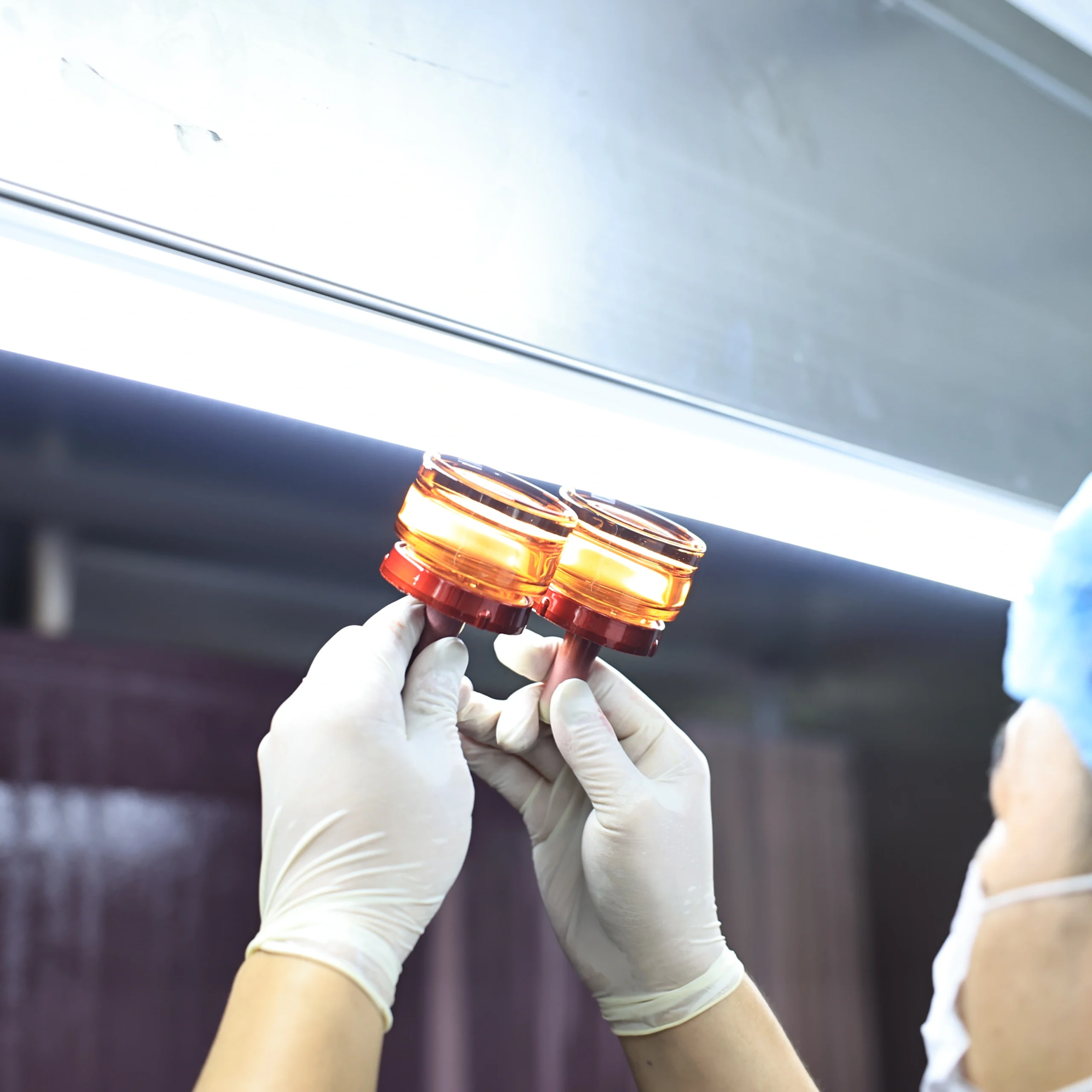
In-House Decoration
Sample Before Bulk Production
Multi-Stage Quality Control
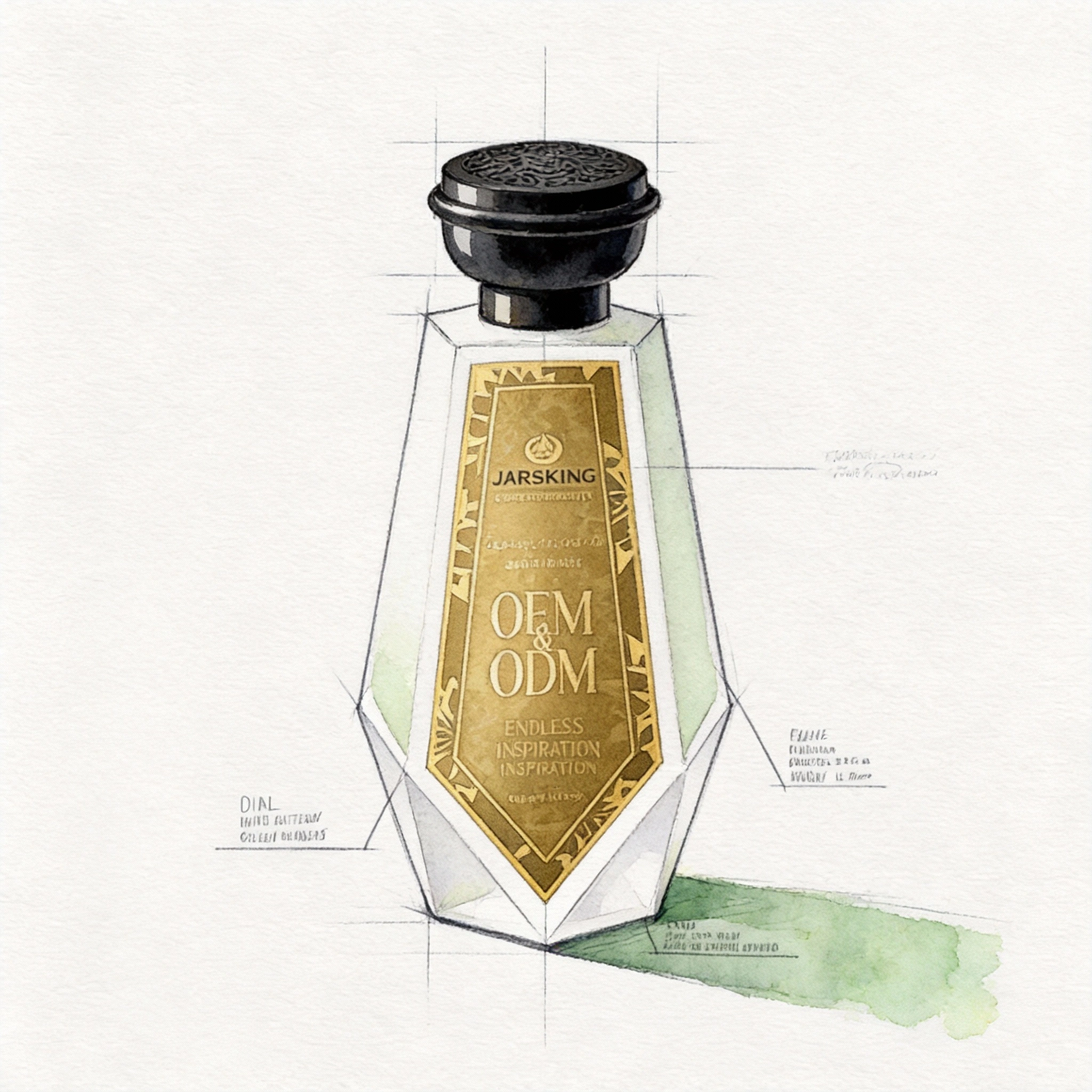
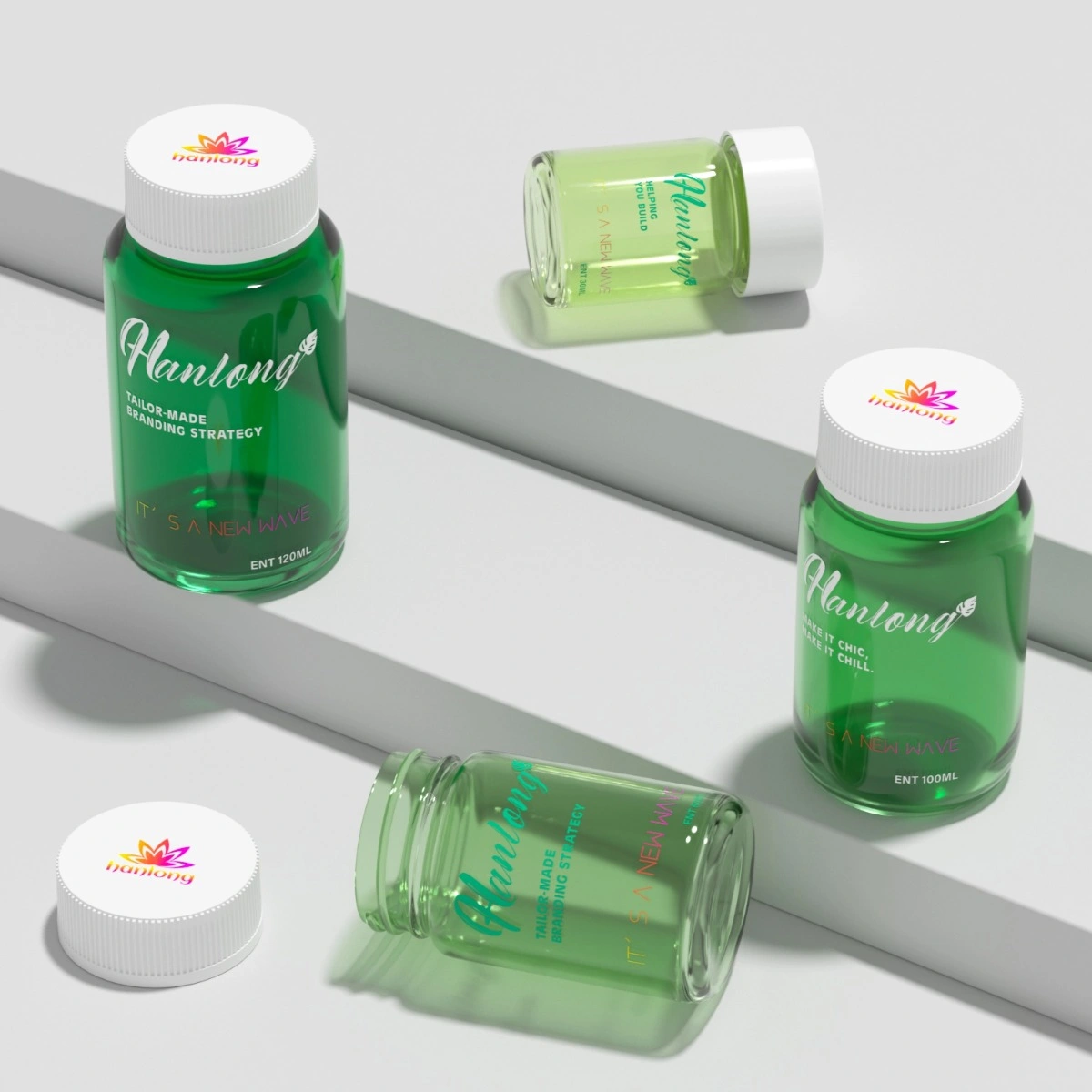
Turn an approved bottle, jar, tube or component into packaging customers recognize at first sight. Jarsking provides custom cosmetic packaging decoration services for glass and plastic packaging, coordinating printing, hot stamping, spraying, metallization, labeling and related finishing within one OEM, ODM or OBM program.
Whether you are refining an existing container or developing a complete custom packaging system, we help translate your brand identity into a finish that can be sampled, approved and reproduced at scale.
Decoration changes how packaging looks, feels and communicates value. The right process depends on the packaging material, shape, artwork, required durability, order quantity and target price.
Explore the options below, then send us your packaging and artwork for a project-specific recommendation.
Every packaging material responds differently to printing, color and surface finishing. Select your packaging format to see what can be customized and what we need to confirm before sampling. The final decoration method, MOQ, price and lead time are confirmed after we review your packaging, artwork and order quantity.
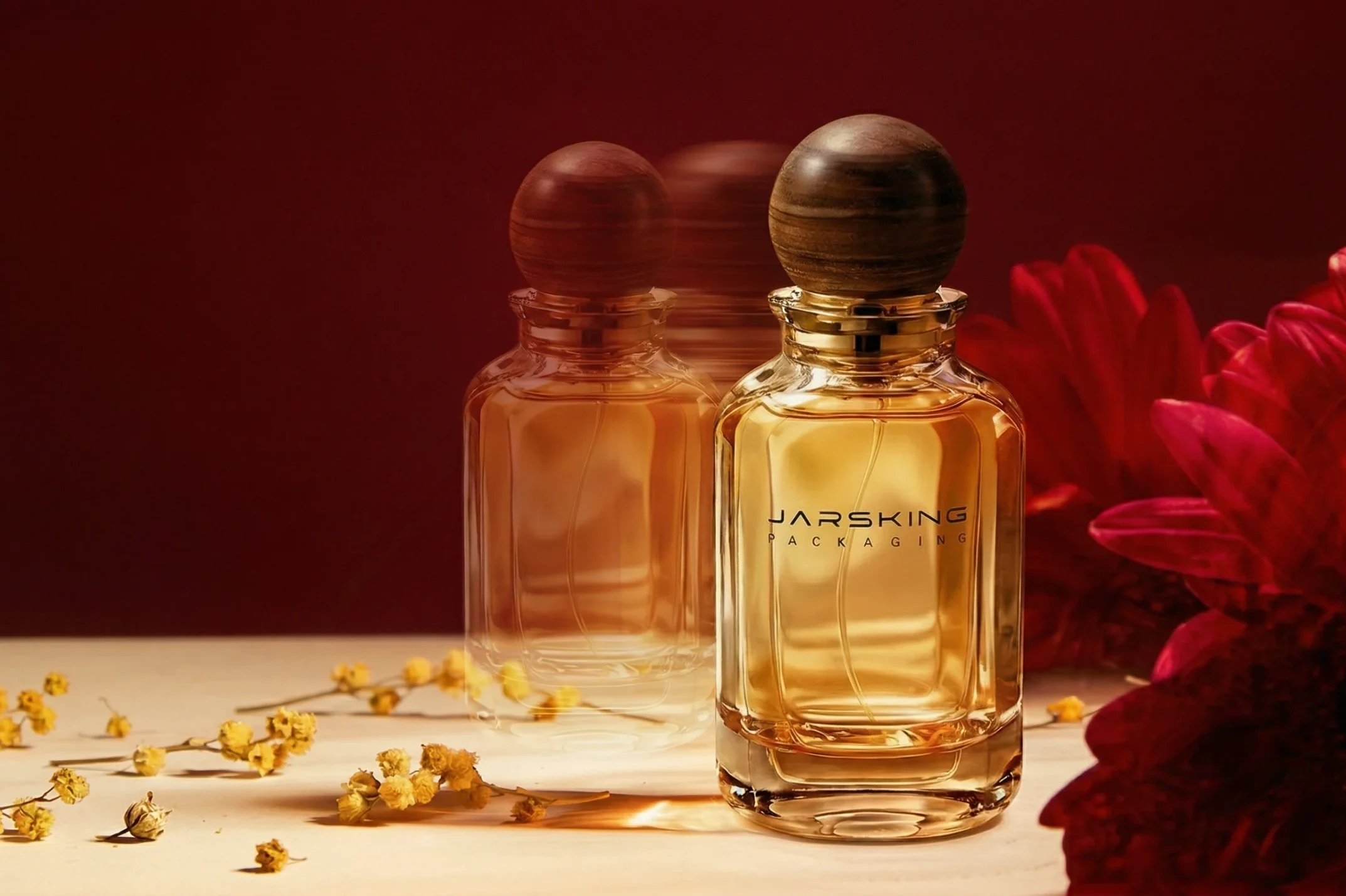
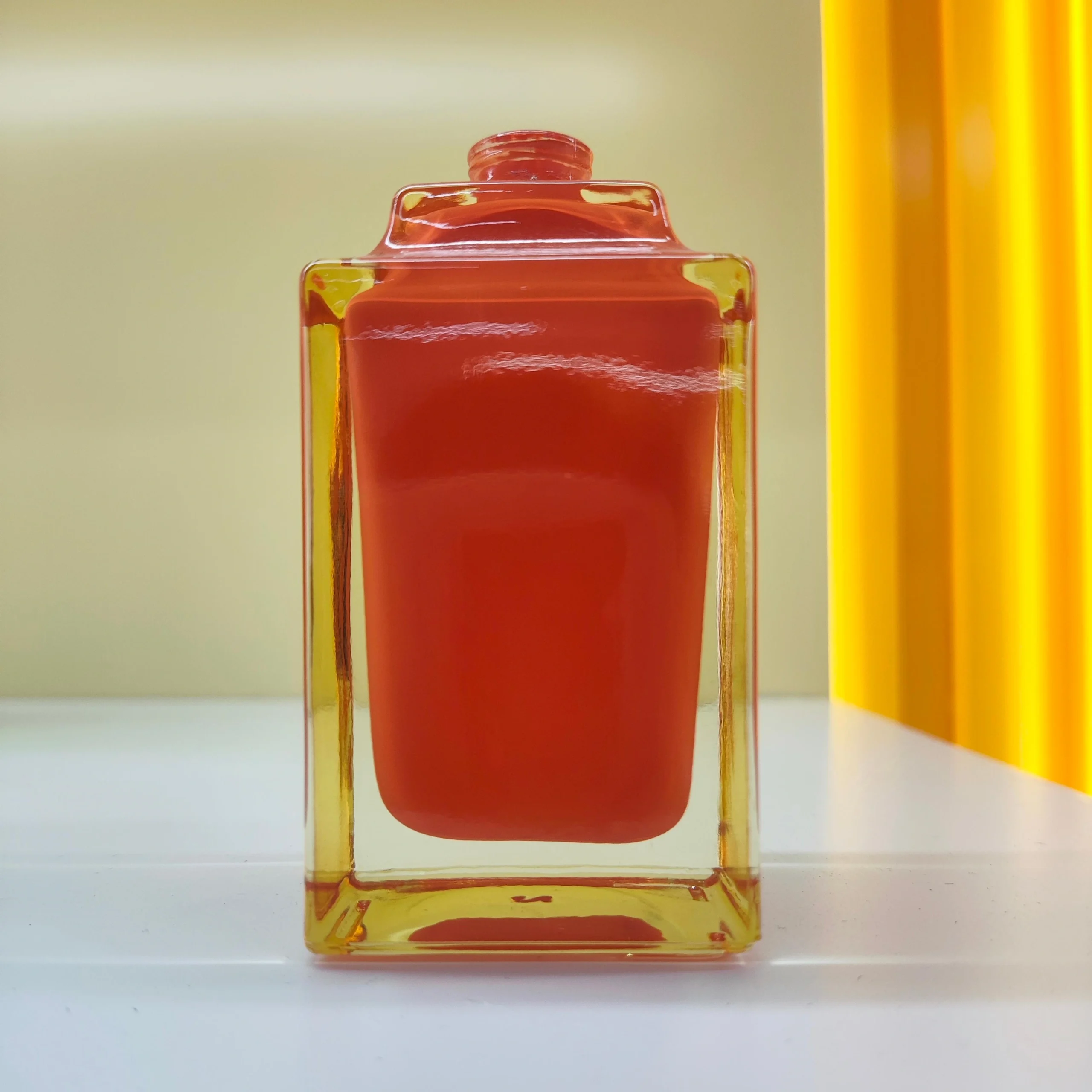
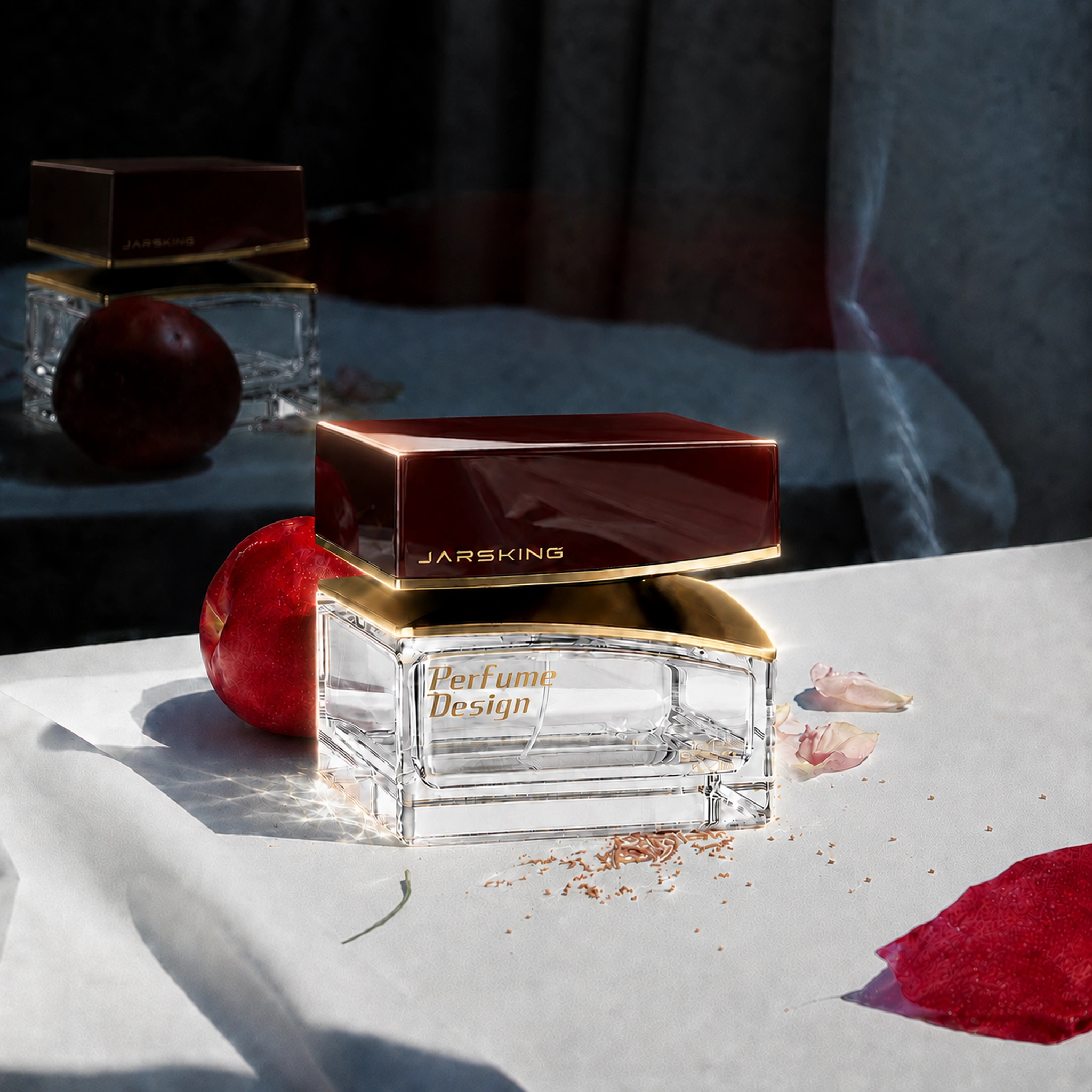
Glass provides a premium surface for skincare, fragrance and wellness packaging. Jarsking supplies glass bottles and jars from 5–500 ml and can coordinate the container decoration with its cap, pump, dropper or secondary packaging.
What buyers need to know
Suitable for: Perfume, serum, essential oil, skincare and wellness packaging
Customization options: Screen printing, hot stamping, spraying and coordinated component finishes
Color matching: Provide a Pantone code or physical color sample
Artwork required: Vector AI or PDF file
Sampling: Existing-mold glass packaging samples generally take 3–15 days; decoration timing is confirmed after artwork review
Before production: Container shape and curvature can affect the available print area. We confirm feasibility and produce a decorated sample for approval before mass production.
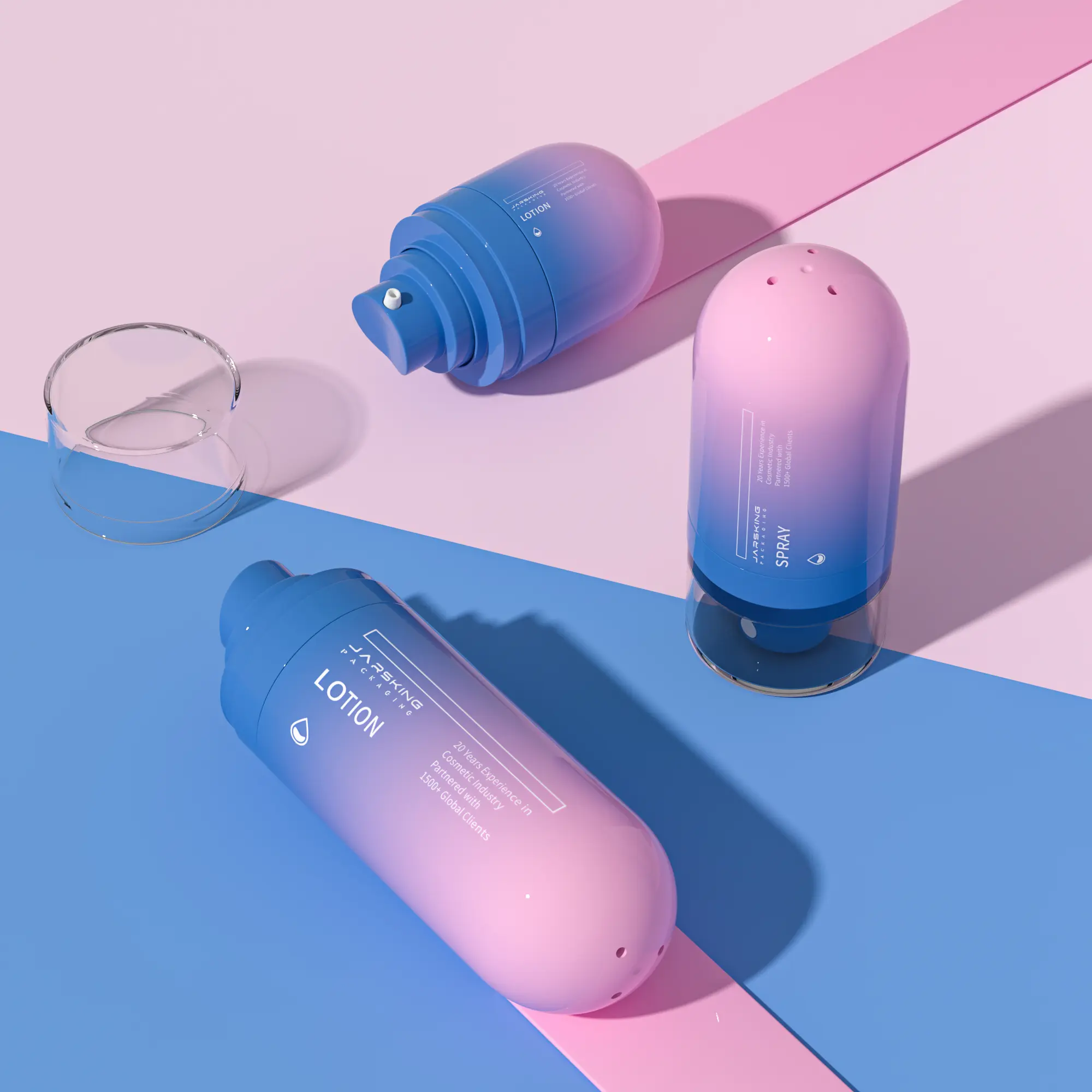
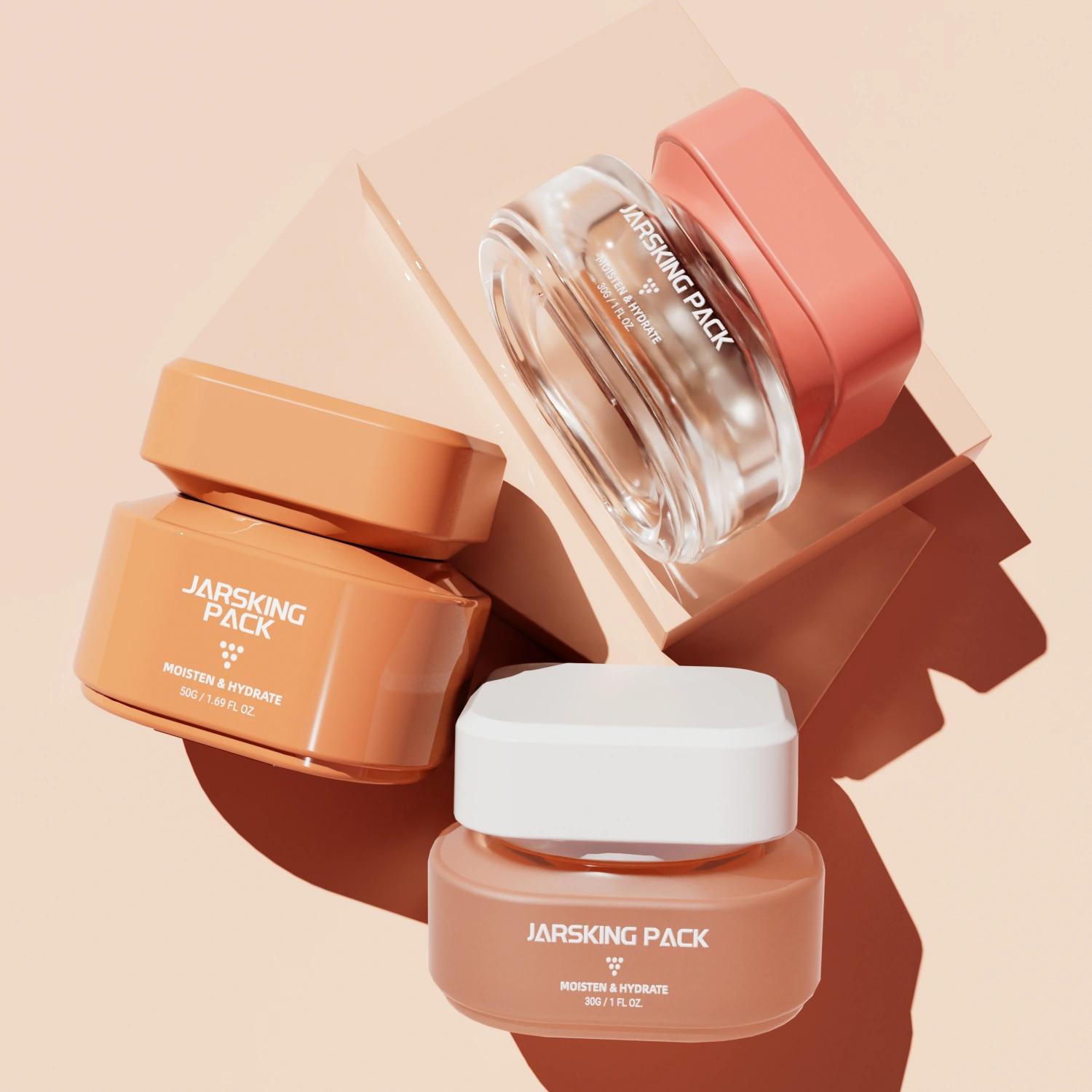
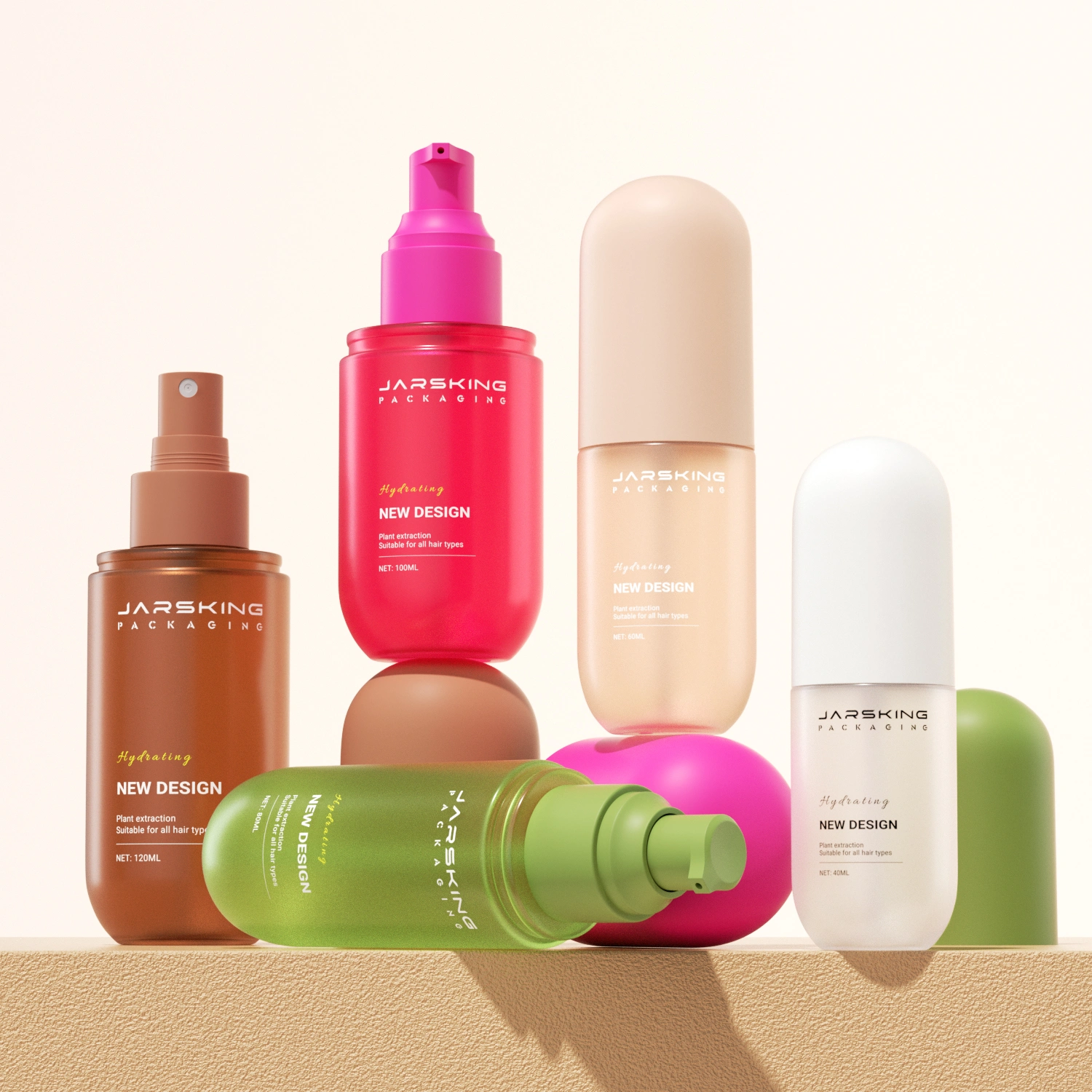
Jarsking supplies PET, PE and PP bottles and jars for skincare, personal care, makeup and wellness products. The decoration method is selected according to the plastic material, molded surface, container shape and required finish.
What buyers need to know
Suitable for: Lotion, toner, cleanser, shampoo, body care and skincare packaging
Customization options: Custom body color, screen printing, spraying, labels and coordinated closures
Material review: PET, PE and PP can require different decoration processes
Color matching: Pantone or physical color references are required
Sampling: Existing-mold plastic packaging samples generally take 15–20 days; decoration timing is quoted separately
Before production: We check the material and surface before confirming printing or coating compatibility. A decorated sample establishes the approved color and appearance for the bulk order.
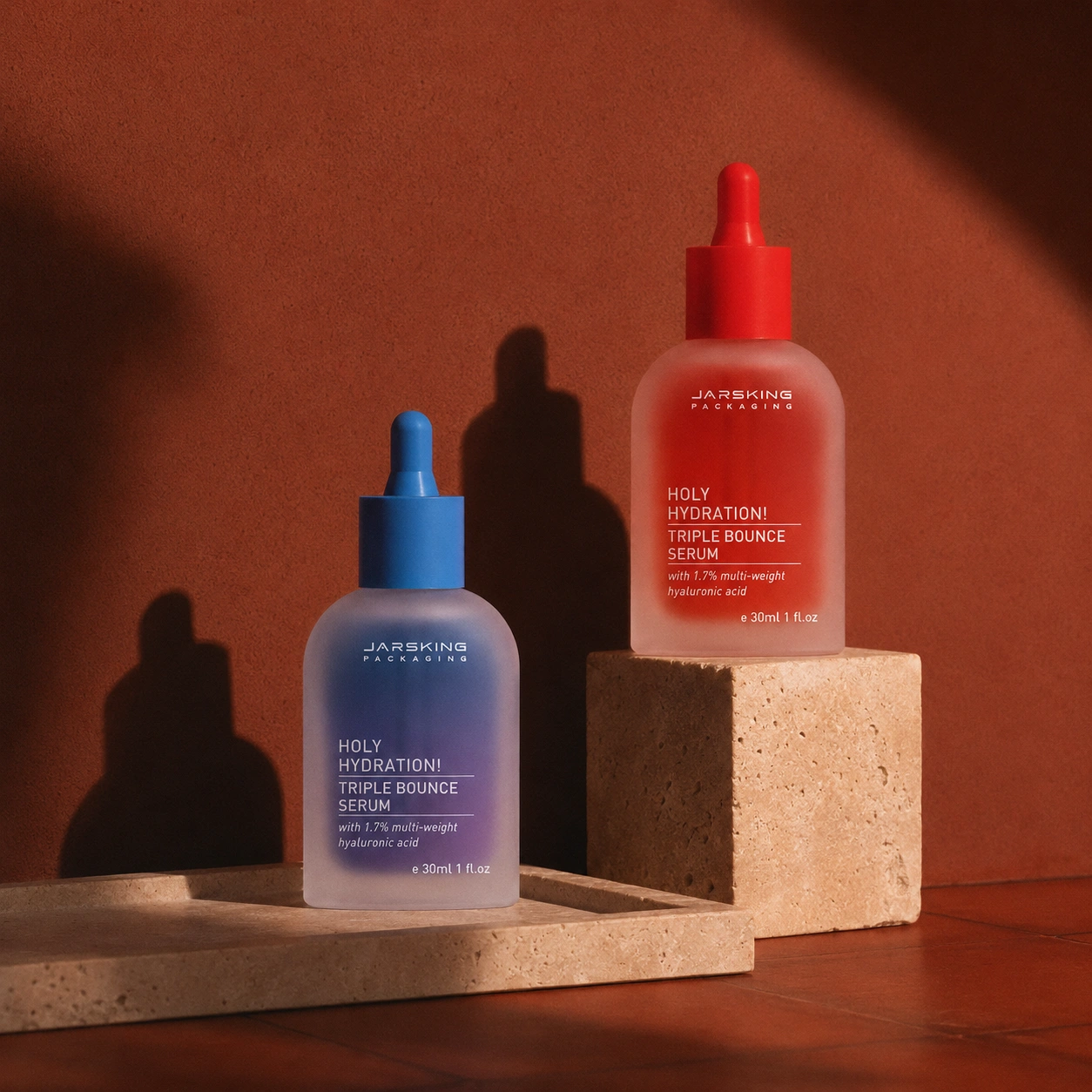
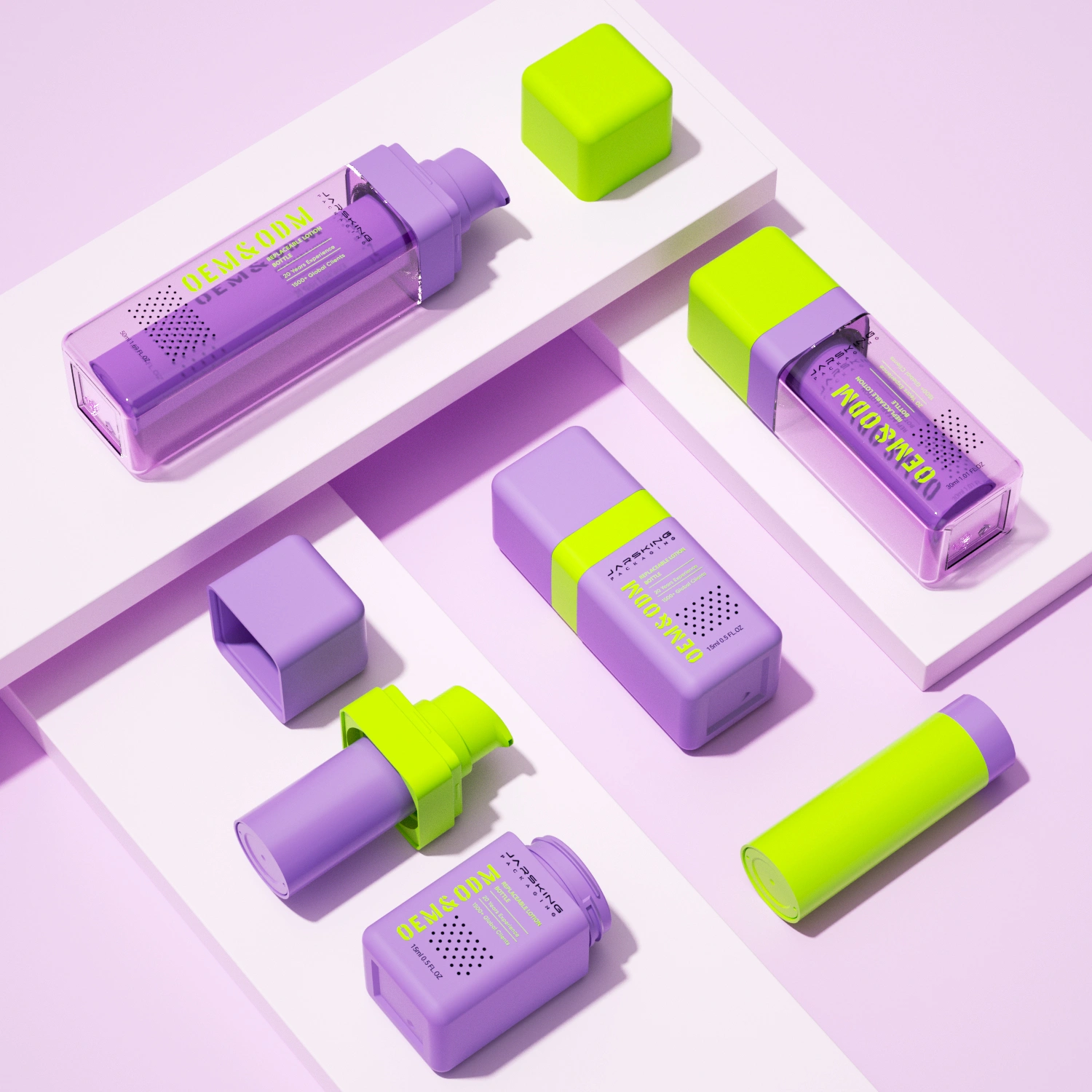
Airless and dropper packaging contains several visible parts. The bottle or jar, pump, collar, cap, dropper and overcap may use different materials, so their colors and finishes must be coordinated as one complete system.
What buyers need to know
Suitable for: Serums, creams, treatments, essential oils and formula-protection packaging
Available formats: Airless bottles, airless jars and glass or plastic dropper bottles
Customization scope: Container color, printed branding and coordinated component finishes
Key concern: The same color can appear different on glass, plastic and metal
Sampling and MOQ: Confirmed after the complete component specification is reviewed
Before production: Approve the fully assembled packaging under consistent lighting. This gives a more accurate result than approving each component separately.
Pumps and closures influence both the appearance and performance of the package. Jarsking supplies lotion pumps, spray pumps, perfume atomizers, caps and overcaps in ABS, PP and aluminum.
What buyers need to know
Suitable for: Skincare, fragrance, personal-care and wellness packaging
Component options: Lotion pumps, sprayers, atomizers, caps, overcaps and dropper assemblies
Finish options: Chrome, gold, rose-gold and brushed metallization
Color coordination: Components can be matched with the bottle, jar or tube
Sampling: Existing pump and cap samples generally take 7–25 days; custom finish timing is confirmed separately
Before production: Decoration must not interfere with component fit, assembly or dispensing performance. We review the decorated component as part of the complete packaging system.
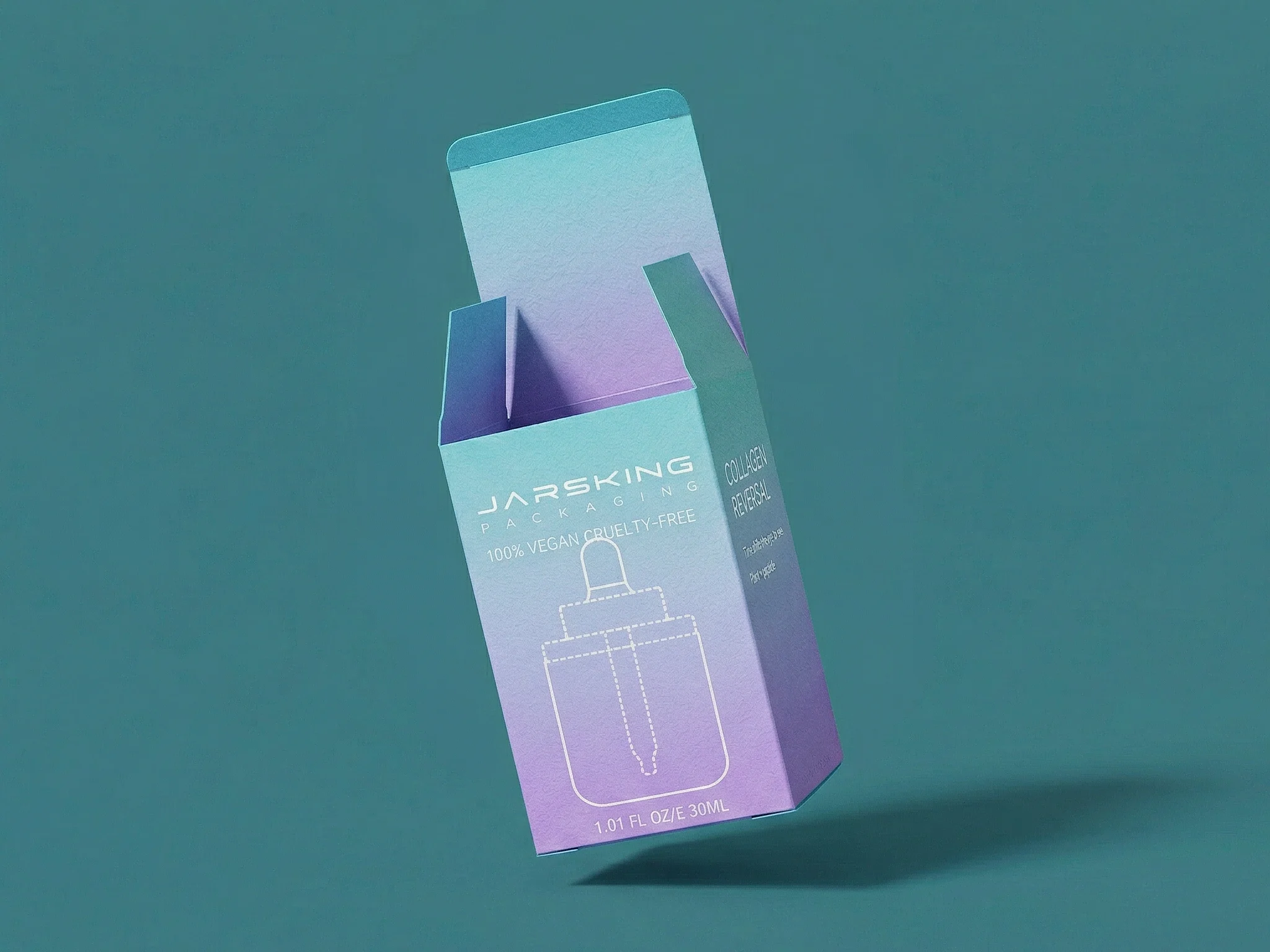
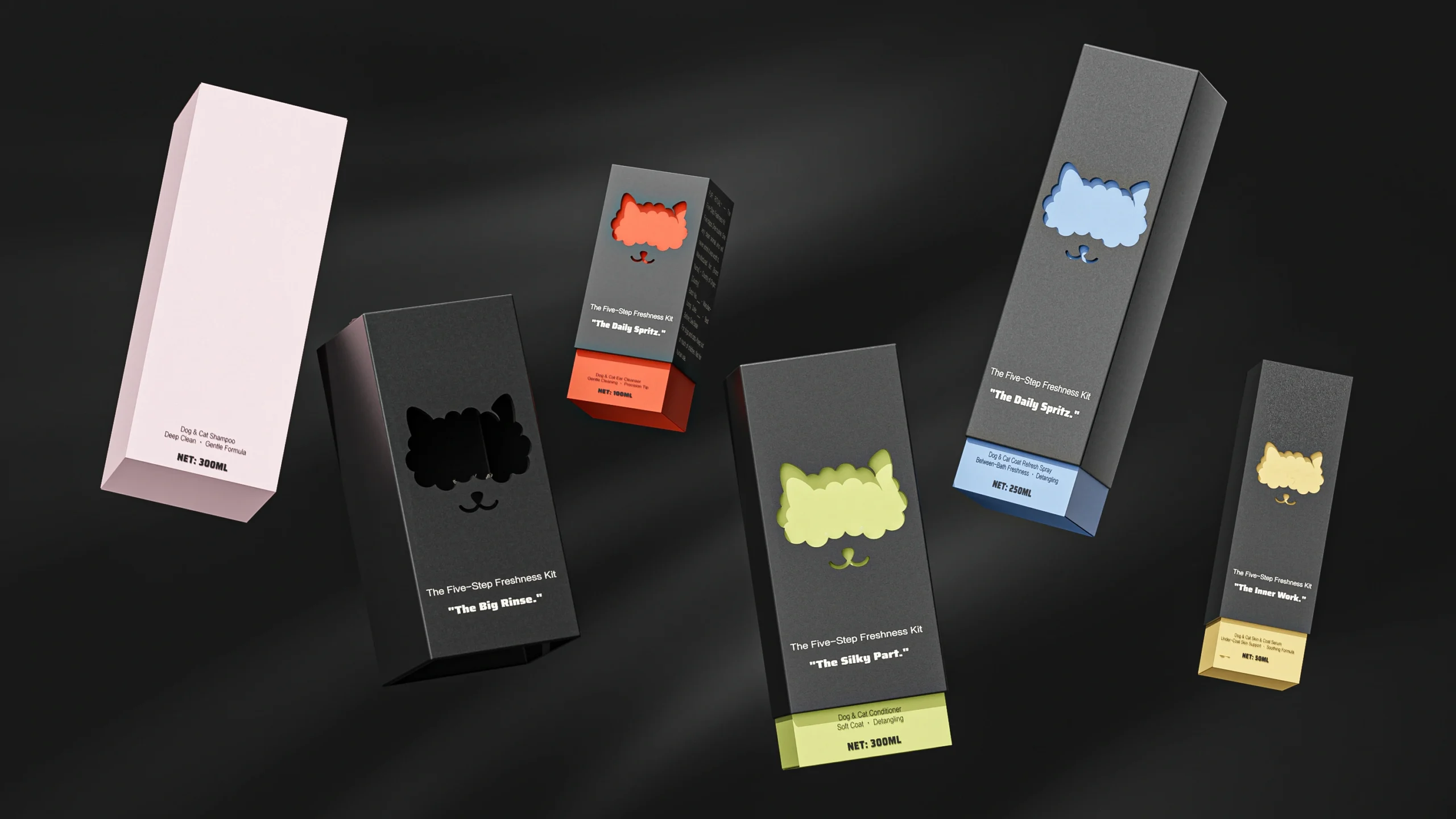
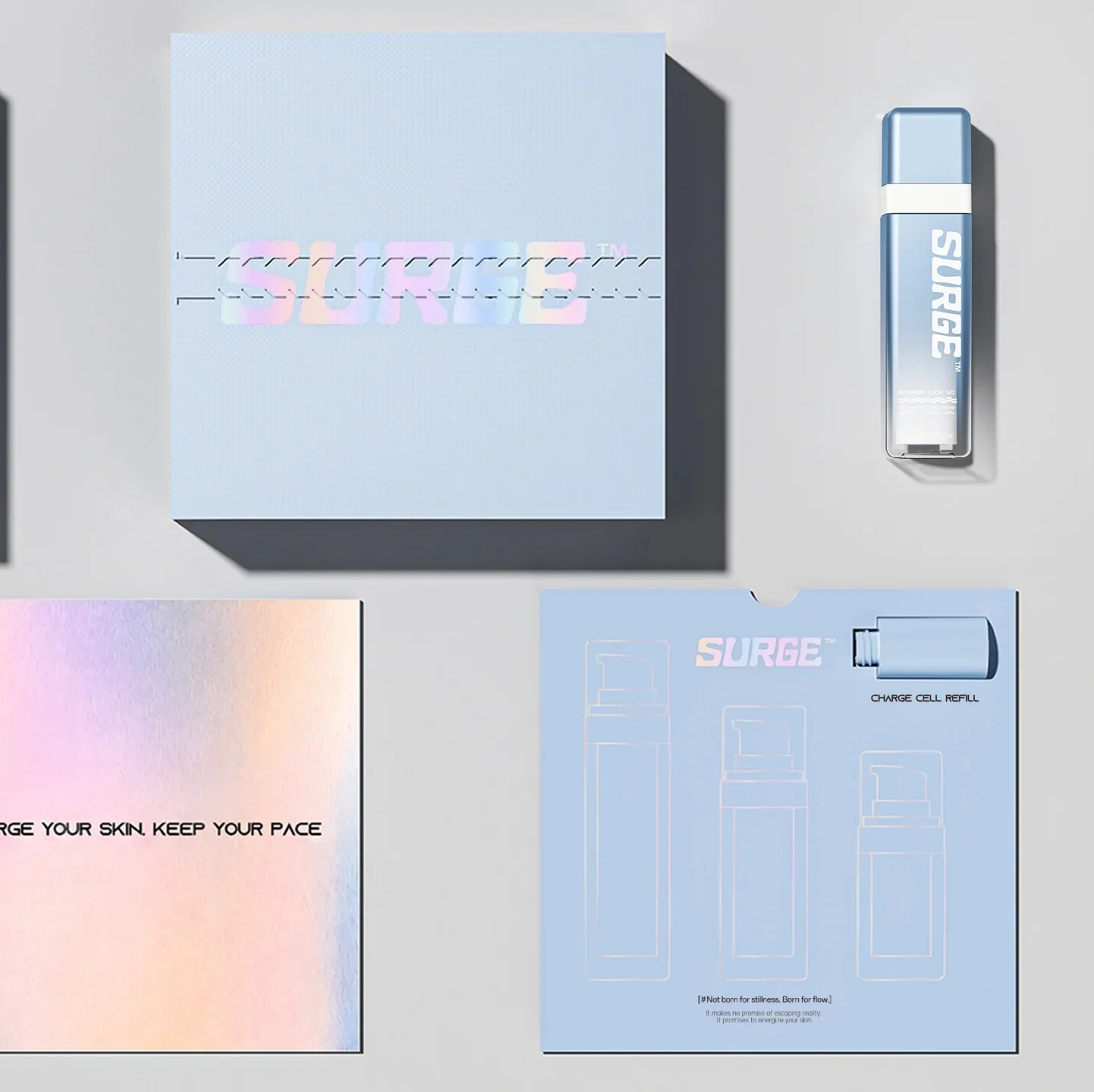
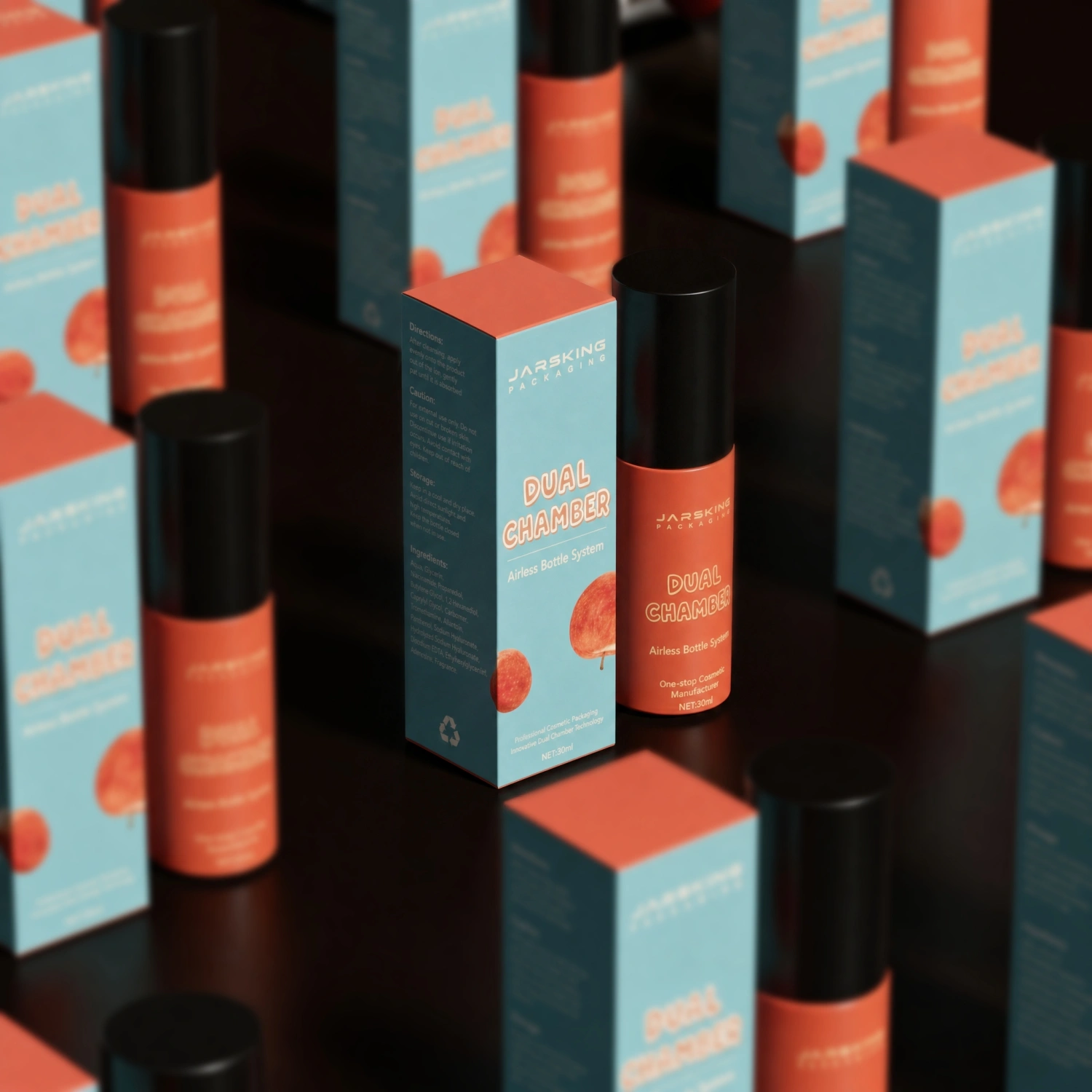
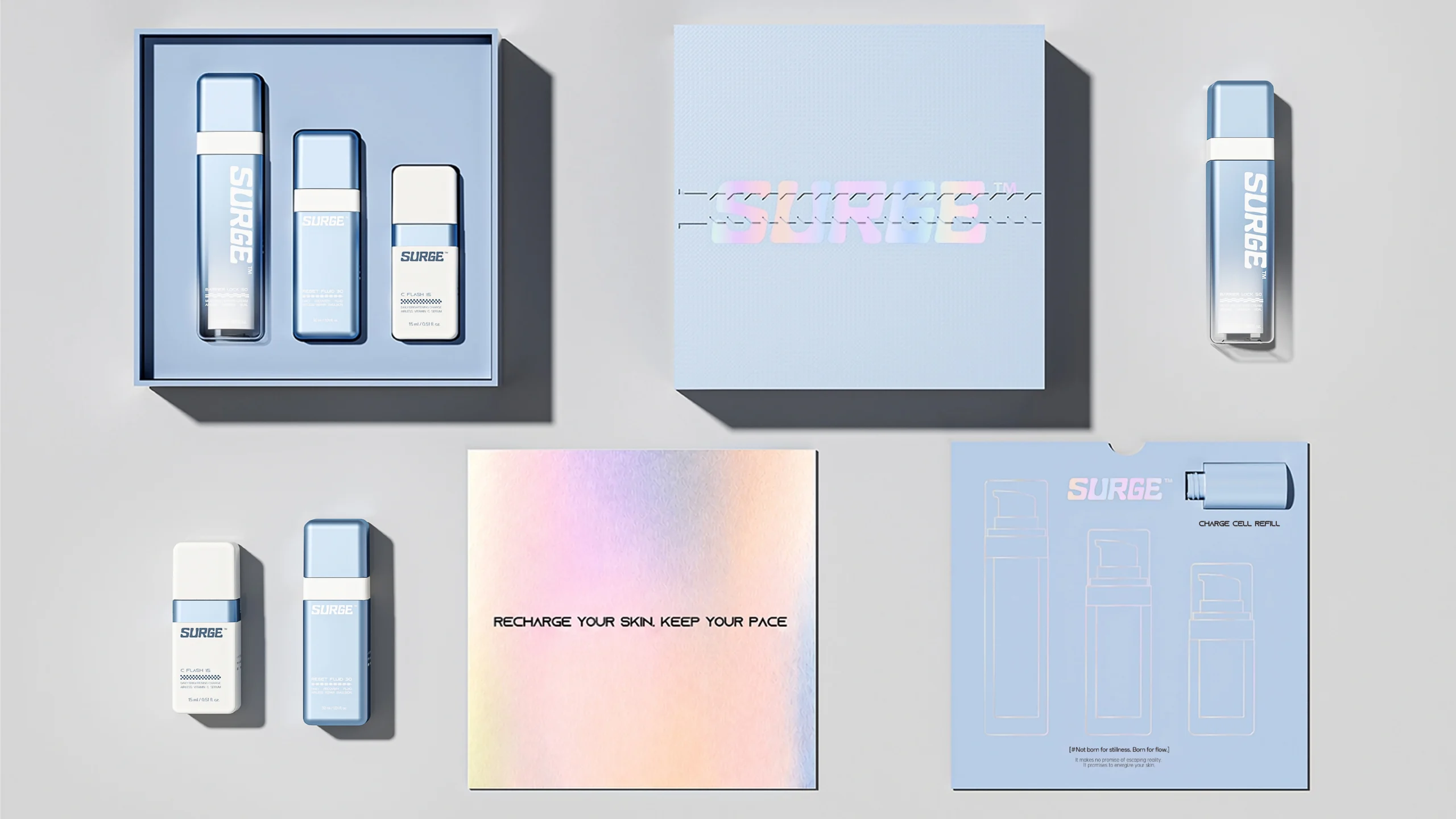
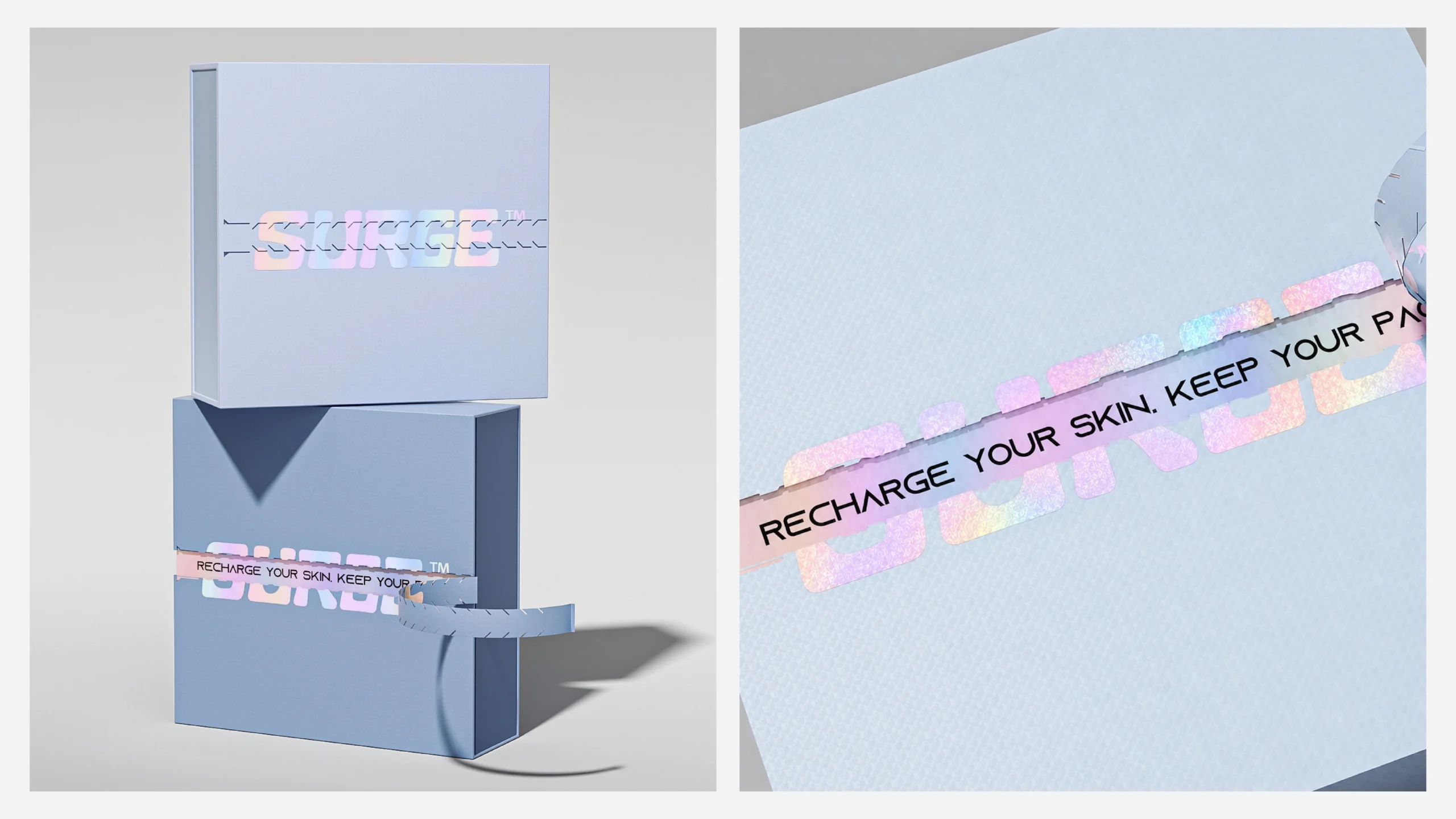
A complete packaging system should look consistent from the primary container to the retail box. Jarsking coordinates labels, cartons, rigid boxes and shipping packaging with the colors and finishes used on your bottle, jar or tube.
What buyers need to know
Packaging options: Labels, folding cartons, rigid gift boxes, inserts, sleeves and corrugated shippers
Premium formats: Magnetic and satin-lined rigid boxes
Brand consistency: Artwork and colors can be coordinated across primary and secondary packaging
Files required: Final artwork, dielines where available, product text and color references
Sampling and MOQ: Confirmed according to the packaging structure, material, printing and quantity
Before production: Provide final approved product information for your target market. We recommend approving the container, label and box together to check color consistency and the complete shelf presentation.
Our decoration process is designed to remove uncertainty before bulk production begins.
Send us the selected packaging model, material, expected order quantity, vector artwork and visual references.
We review:
Container material and geometry
Available decoration area
Artwork size and complexity
Required colors and finish
Component relationships
Target market and launch schedule
Secondary packaging requirements
If you have not selected the packaging yet, our team can help identify an existing structure from our 30,000+ ready-to-use mold library or determine whether a new custom system is required.
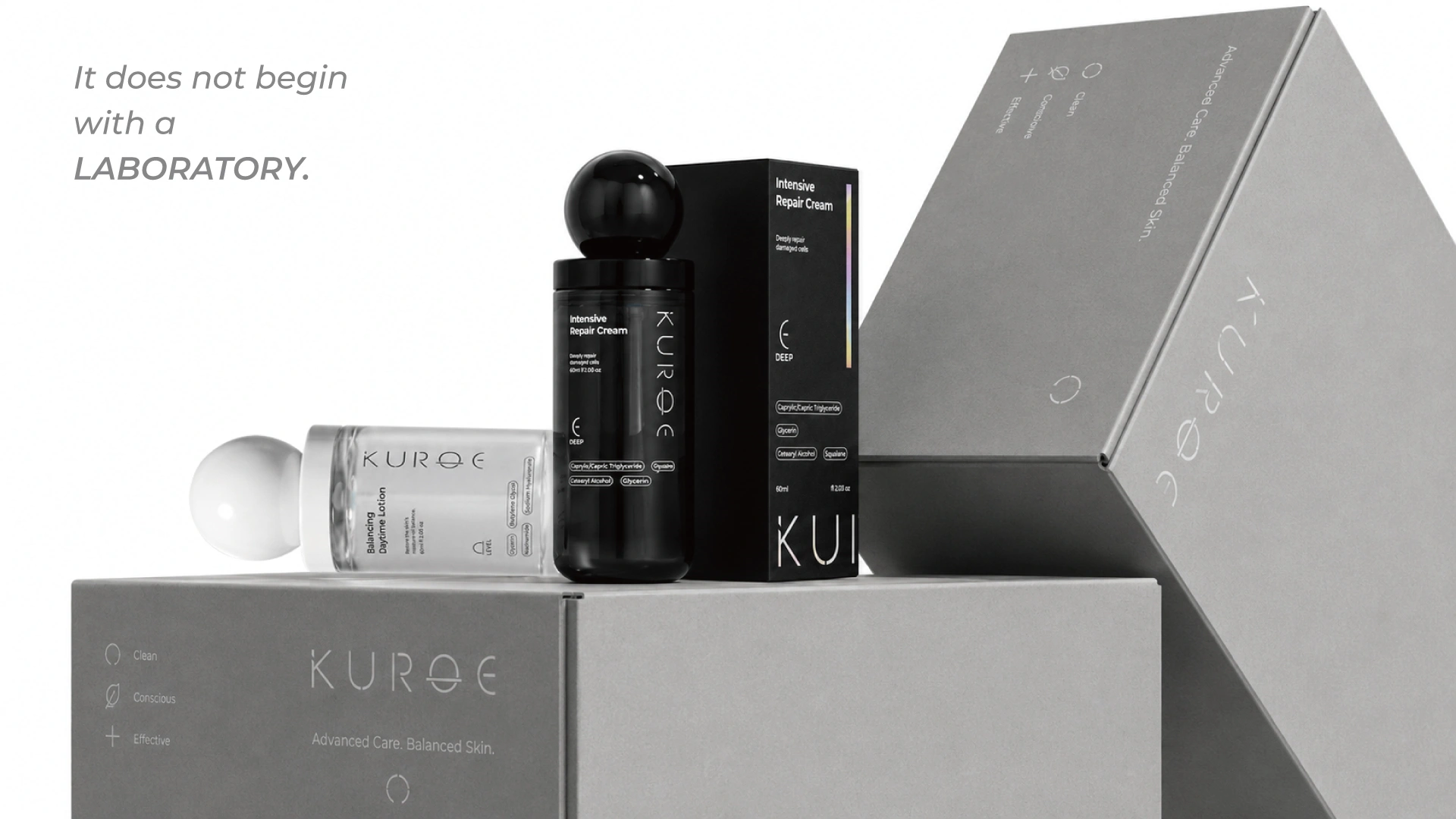
Our design and production teams evaluate how the proposed decoration will behave on the selected packaging.
The review considers substrate, curvature, coverage, registration, process order, color target and the relationship between the container and its components.
Where appropriate, we may recommend simplifying a detail, adjusting the decoration area or combining techniques differently to improve production consistency.
Production artwork should be supplied in vector AI or PDF format. Pantone codes or physical color samples are required when color matching is part of the project.
Our team translates the approved creative direction into a production specification covering placement, scale, color, finish and component alignment.
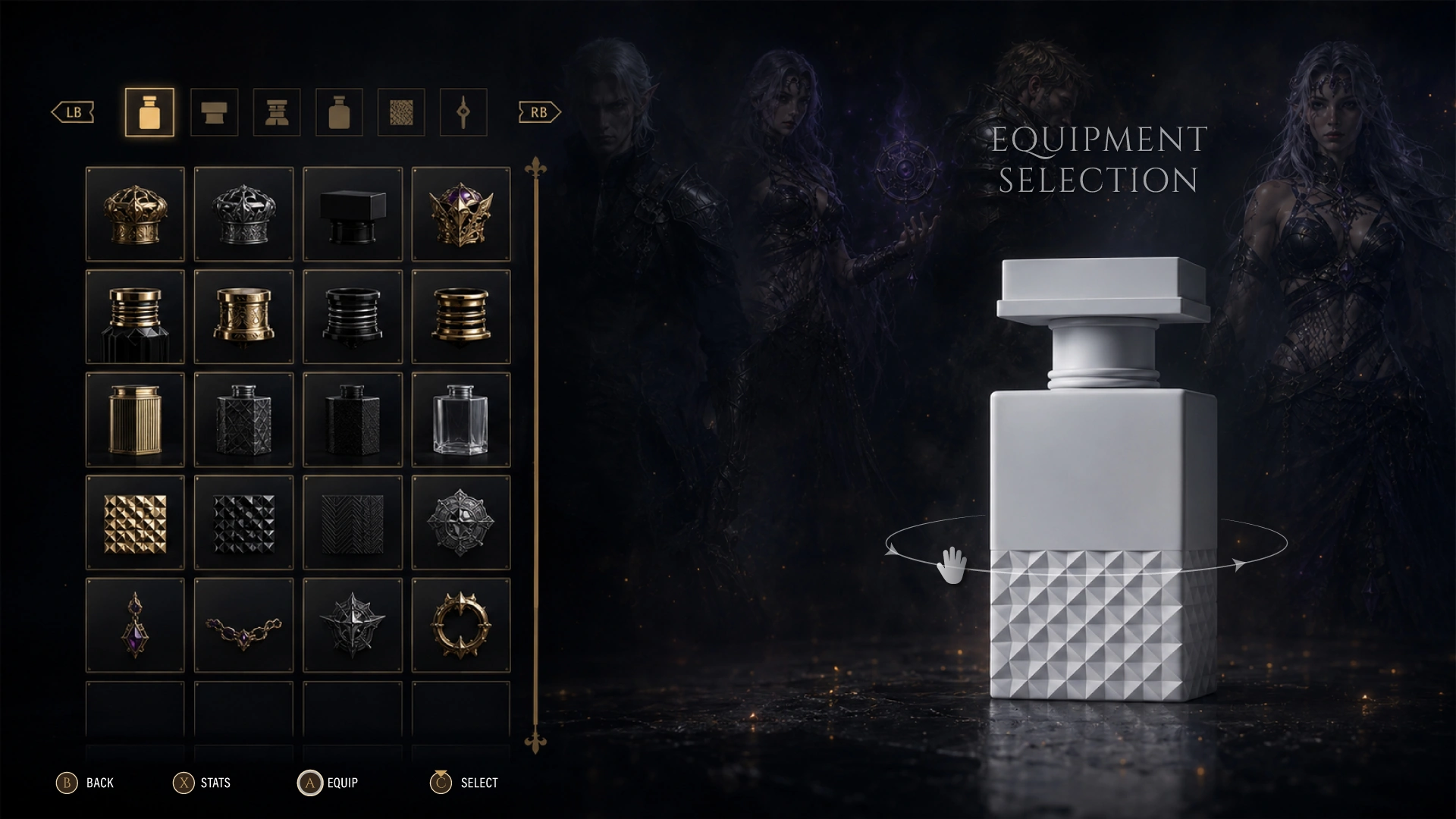
A decorated sample allows your team to assess the finish on the real packaging before bulk production.
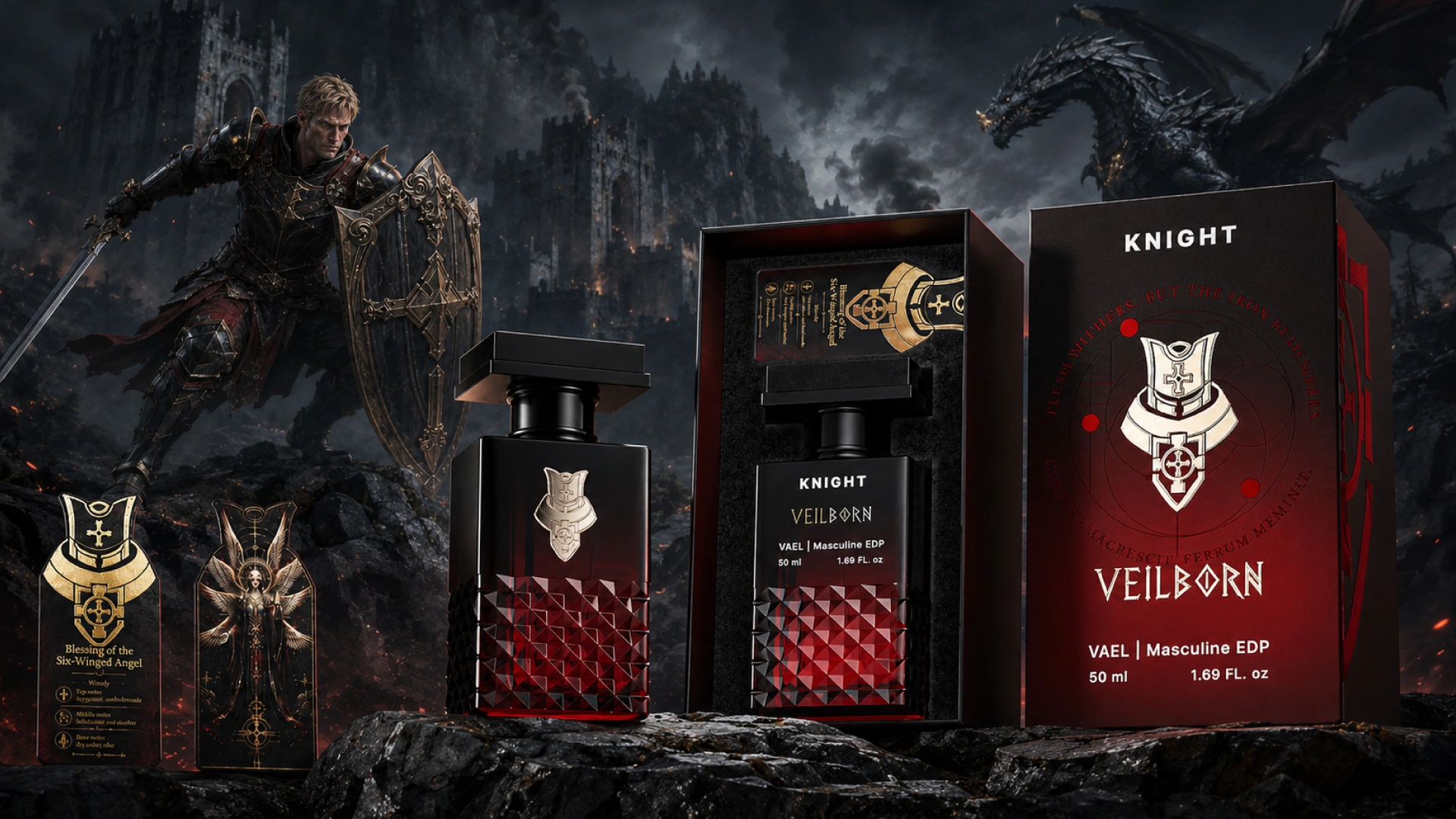
The approval review may cover:
Artwork position and scale
Color and opacity
Metallic or sprayed finish
Surface appearance
Alignment between components
Overall presentation under relevant lighting
Any requested revisions are reviewed before the production standard is finalized.
After sample approval and purchase-order confirmation, the project proceeds to a pilot run where applicable. Jarsking’s broader packaging process uses pilot runs of 10–500 units before mass production.
The approved sample and production specification become the visual references for the bulk order.
Decorated packaging moves through multi-stage quality control before assembly, secondary packaging or shipment.
Depending on the project quality plan, inspection may assess visual consistency, decoration position, surface condition, component fit, cleanliness and conformity with the approved reference.
The finished packaging can then move directly into Jarsking’s one-stop packaging and logistics workflow.
Different categories require different packaging logic. A fragrance bottle is judged as a display object, makeup is examined at close range, and wellness packaging must prioritize information and trust. Jarsking uses the brand brief to build a category-specific moodboard and CMF strategy—Color, Material and Finish—before decoration samples are produced.
Skincare packaging must communicate both product efficacy and price positioning. Before selecting decoration, the moodboard should establish whether the brand should feel clinical, botanical, accessible, prestige or luxury.
Whether the formula should remain visible or the package should use a colored or more protective appearance
Whether an airless system, dropper bottle, glass jar or pump bottle best supports the product story
A hierarchy for the brand name, product function, active ingredients and usage information
How serums, creams, toners and treatments will remain recognizable as one regimen
Which visual elements distinguish product functions without making every SKU look unrelated
Clinical skincare: Controlled palette, high-contrast typography, precise screen printing and minimal decorative accents
Botanical skincare: Warm neutrals, muted greens, natural material references and restrained labels or printed graphics
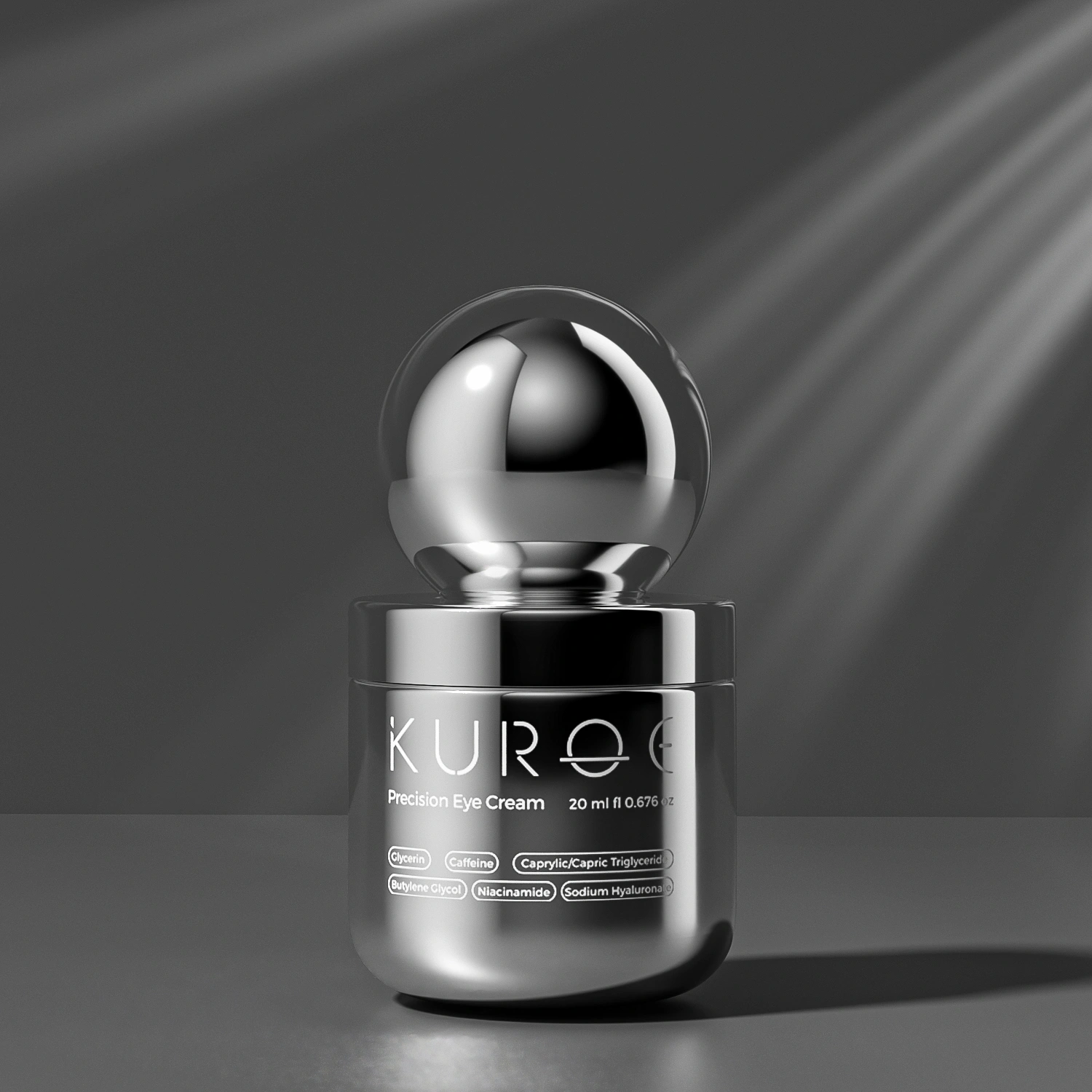
Prestige skincare: Sprayed color, controlled metallic details, hot stamping and coordinated pump or cap finishes
Multi-step systems: One consistent logo position with color or naming changes used to identify each product
A color may appear different on glass, plastic, pumps and caps. The complete assembled range should be reviewed together rather than approving each component independently.
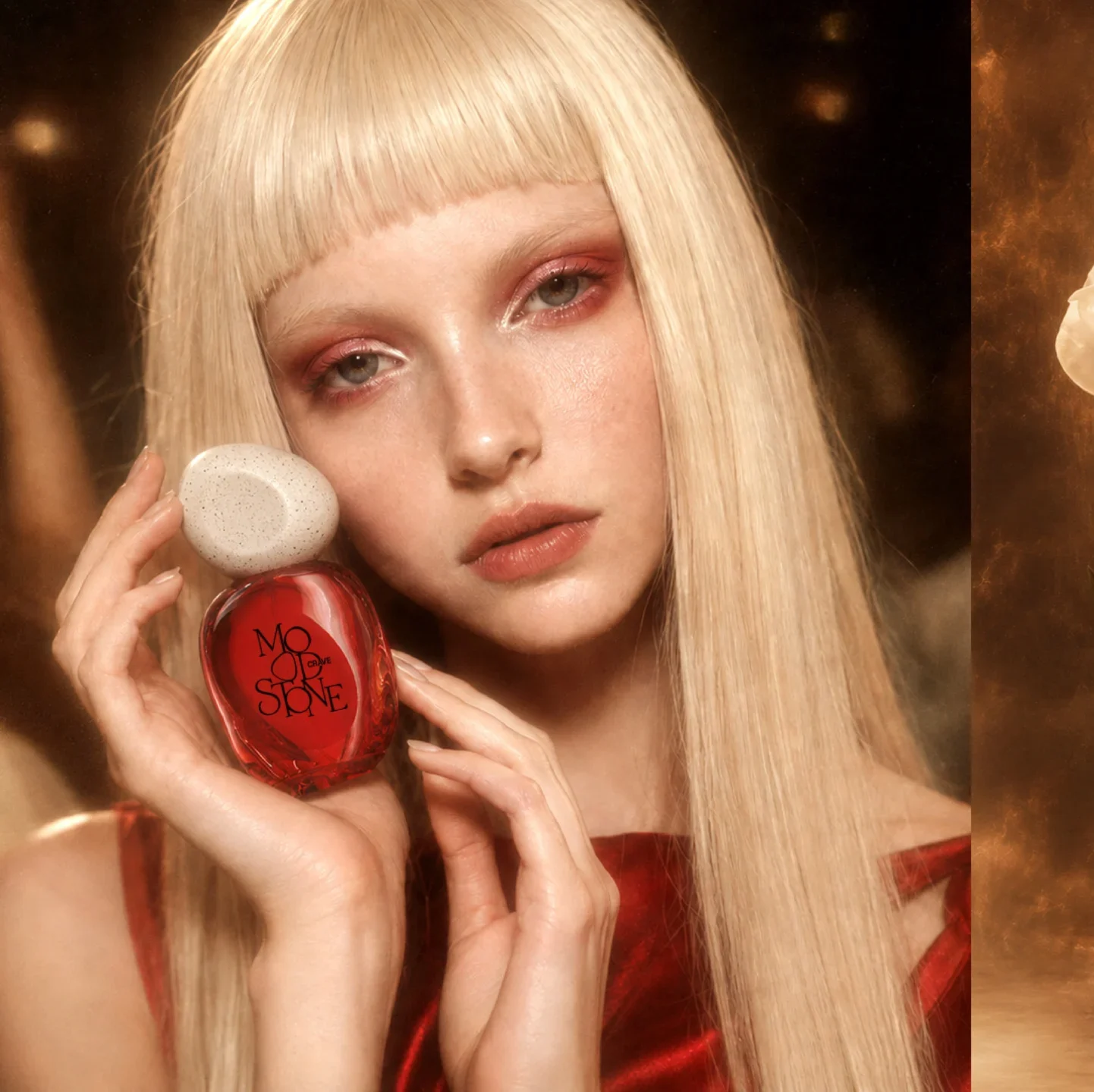
Fragrance packaging remains visible on vanities, in gift displays and in social-media imagery. Its moodboard should create a recognizable character through the relationship between the glass, color, cap, collar, atomizer and box.
Whether the glass should remain clear, partially visible or covered with color
How much of the bottle silhouette should remain visually unobstructed
Whether the identity is minimalist, architectural, romantic, expressive or collector-led
How the cap and collar act as decorative focal points
How the outer box continues the bottle’s visual story
How future fragrances or limited editions can use the same structural family
Use a restrained screen-printed or hot-stamped logo when the bottle shape is the main design feature
Use spraying to create solid, translucent or gradient color directions
Use chrome, gold, rose-gold or brushed metallization for compatible caps and overcaps
Coordinate metallic tones across the bottle component, logo treatment and rigid box
Reserve one recognizable element—such as a cap form, color transition or logo position—for future line extensions
Metallic finishes on different materials may not look identical under the same lighting. Approve the bottle, collar, cap and box as one assembled presentation.
Makeup packaging is handled frequently and photographed at close range. Small registration errors, uneven coatings or inconsistent metallic details are therefore more visible than they may be on larger packaging.
The decoration system must also help customers navigate different shades and products quickly.
Which elements remain constant across the complete collection
How shades, finishes or product functions will be identified
How the packaging looks both open and closed
Where small artwork and product information can remain legible
How the system expands across lip, complexion, eye and cheek products
Which surfaces receive the most contact during normal use
Keep the master logo position consistent across different formats
Use color bands, end labels or controlled accents for shade identification
Reserve fine screen printing and hot stamping for surfaces where alignment can be maintained
Keep essential text away from high-contact or heavily curved areas
Establish one metallic reference and one color master for the complete collection
Use consistent sprayed or metallized finishes to connect products with different structures
Minor misalignment becomes obvious on small components. Artwork size, print position and tolerances should be confirmed on physical samples rather than judged only from a digital render.
Body and hair-care products are often used with wet hands, stored in bathrooms and dispensed repeatedly. The moodboard must therefore consider grip, dispensing, label position and product identification alongside visual appearance.
How customers distinguish shampoo, conditioner, treatment, body wash and lotion
Whether the range is designed for mass retail, pharmacy, salon, e-commerce or prestige channels
How color coding works across different formulas or benefits
Where the user holds, squeezes or presses the packaging
Whether the package needs a pump, sprayer, cap or tube closure
How larger front and back panels divide branding from product information
Use a structured color system to separate product functions
Keep critical artwork away from grip, squeeze or repeated-contact areas
Select direct printing or labels according to the container material and flexibility
Coordinate pump and cap colors with the bottle instead of treating them as separate components
Use larger, clearer typography for products viewed at a distance in a shower or retail aisle
Maintain one recognizable brand block across bottles, tubes and treatment packs
Formula, packaging material and intended use can influence label and decoration performance. Compatibility and handling requirements should be included in the sampling brief.
Pharmaceutical and wellness packaging must communicate credibility before visual luxury. The decoration system should make the product, strength, function and usage information easy to understand while leaving room for target-market requirements.
A clear hierarchy between the brand, product name, strength and usage
Reserved areas for required copy, barcode, lot information and other market-specific content
How different strengths, formulas or dosages are differentiated
Whether color is being used for navigation, branding or both
Which material and documentation requirements apply to the target market
How the primary container and carton share information without unnecessary repetition
Use high-contrast typography and controlled color palettes
Keep decorative finishes away from critical product information
Use labels when a large amount of information or multiple market versions are required
Use restrained metallic or sprayed accents to create distinction without reducing clarity
Apply a consistent color-coding system across variants
Coordinate container and carton information before artwork approval
The brand should provide final approved product and regulatory copy for each target market. Required certification and documentation support should be identified before sampling.
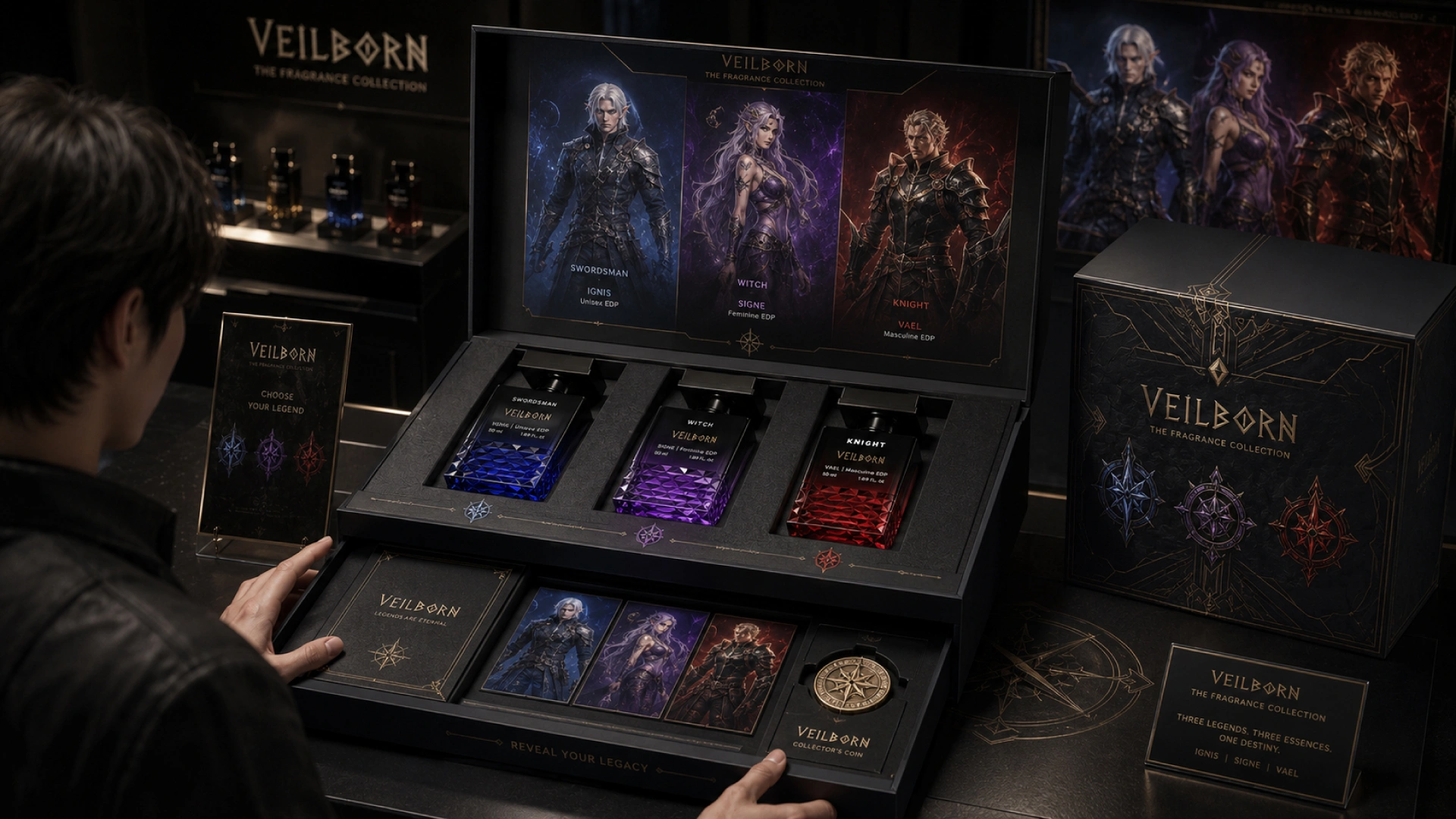
Gift packaging is a complete system. The outer box, insert, bottles, jars, tubes, caps and printed details must create a deliberate sequence when the set is opened.
The moodboard must also balance seasonal storytelling with long-term brand recognition.
Which item is the hero product and how supporting products are arranged around it
The order in which products are revealed
How the insert holds and presents every component
Which brand elements remain permanent and which can change seasonally
How colors and metallic accents move from the primary packs to the box
How the presentation remains protected during storage and shipping
Repeat one hot-stamped motif across the products and outer box
Coordinate sprayed container colors with printed cartons and rigid-box materials
Use magnetic or satin-lined rigid boxes for premium presentation directions
Use inserts and sleeves to control product alignment and reveal
Adapt secondary colors or illustrations for seasonal editions while preserving the master logo and structural identity
Include the corrugated shipper in the packaging plan when the unboxing presentation must arrive intact
The same color will appear differently on glass, plastic, metal, paper and fabric. Approve the complete physical set and define an acceptable visual relationship instead of expecting every substrate to appear identical.
Jarsking’s verified in-house surface-treatment capacity includes screen printing, hot stamping, spraying and metallization in chrome, gold, rose-gold and brushed effects. We also coordinate labels and secondary packaging. Additional specialist processes are confirmed according to the project.
Yes. Jarsking manufactures glass bottles and jars from 5–500 ml and plastic packaging in PET, PE and PP. The appropriate decoration method is confirmed after reviewing the material, container geometry, artwork, finish and production requirements.
Jarsking accepts Pantone references or physical color samples as the target for color development. The final appearance can vary according to the substrate, opacity and finish, so the production color is confirmed through an approved sample.
Yes, subject to feasibility. Screen printing, hot stamping, spraying, metallization, labels and decorated components can be developed as a coordinated finish system. The production order, material compatibility, registration and quality requirements must be reviewed before sampling.
Production artwork should be supplied as vector AI or PDF files. Please also provide Pantone codes or physical color samples, the selected packaging model, expected quantity, reference images and any required placement dimensions.
Yes. Sampling and testing are part of Jarsking’s packaging-development process. The decorated sample is used to assess color, placement, surface appearance and overall presentation before the production specification is finalized.
Decoration MOQ is confirmed per project. It depends on the container, substrate, technique, number of colors, coverage, component count and quantity per SKU. Send your packaging details and artwork for an accurate assessment.
Jarsking uses multi-stage quality control, AQL ISO 2859 sampling and lot-number traceability. Inspection requirements are defined according to the project and may include comparison with the approved sample, visual consistency, decoration position, surface condition, component fit and relevant documentation.
Yes. Jarsking supplies labels, folding cartons, luxury rigid boxes, inserts, sleeves and corrugated shippers. These can be coordinated with the decorated primary container through our one-stop packaging service.
17th Floor, East Tower, Building 2,
Yiyun Tech Innovation Center,
No. 33-13, Jinshi Third Road, Dayuan Street,
Baiyun District, Guangzhou City,
Guangdong Province, China
Office 10, 24th Floor,
The One Tower,
943 Sheikh Zayed Road,
Barsha Heights (Al Thanyah First),
Dubai, United Arab Emirates
© Copyright 2026 Jarsking Packaging All Rights Reserved.