logo

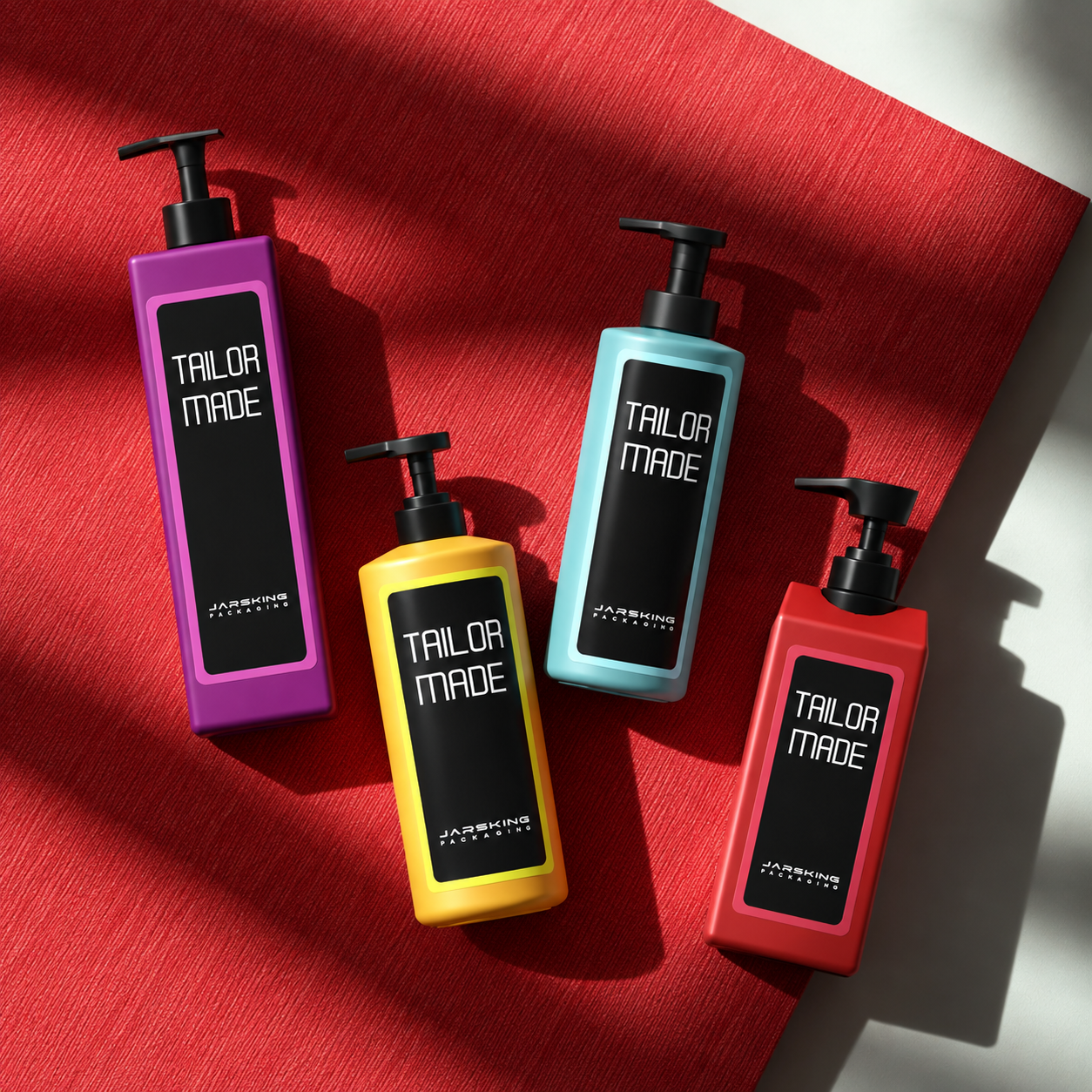
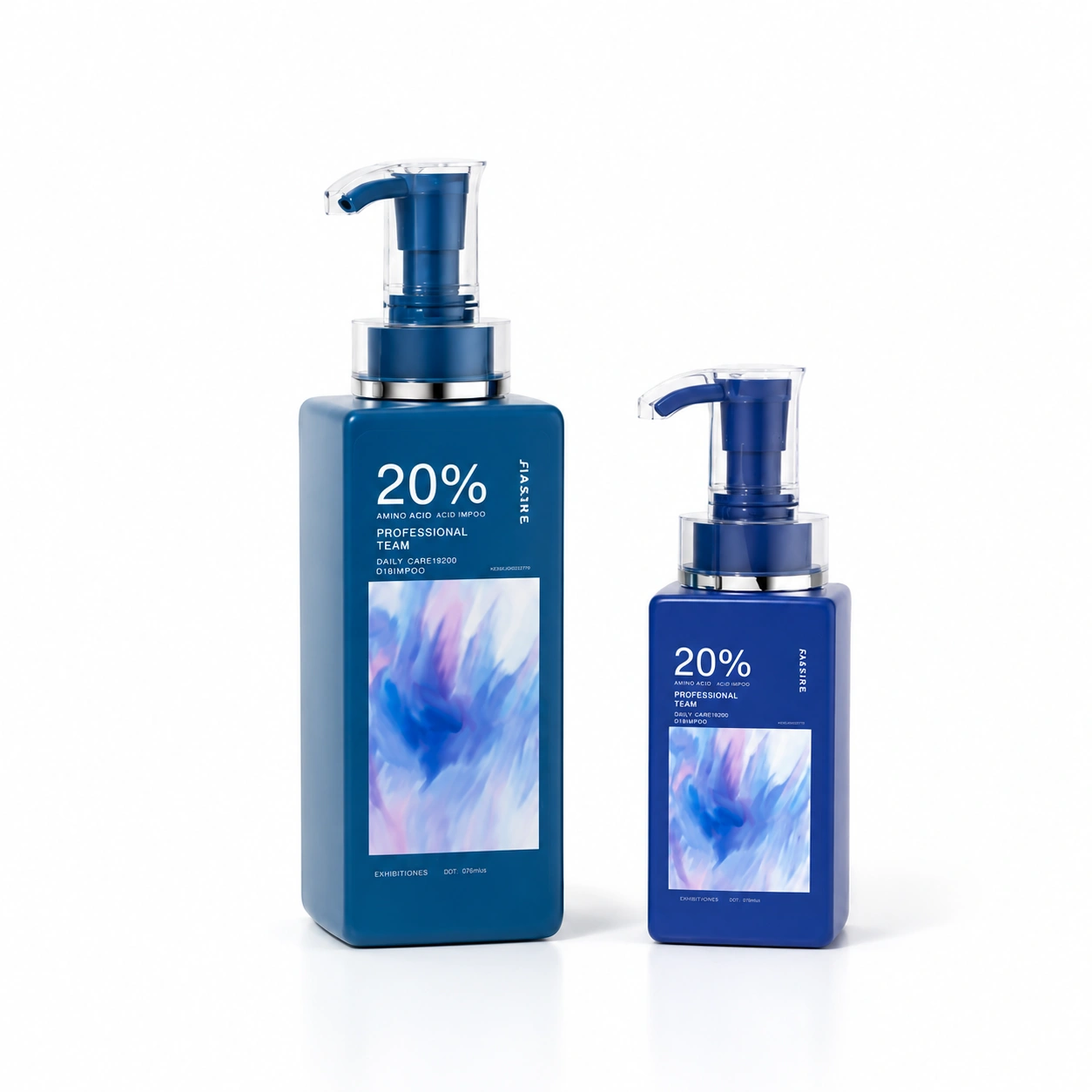
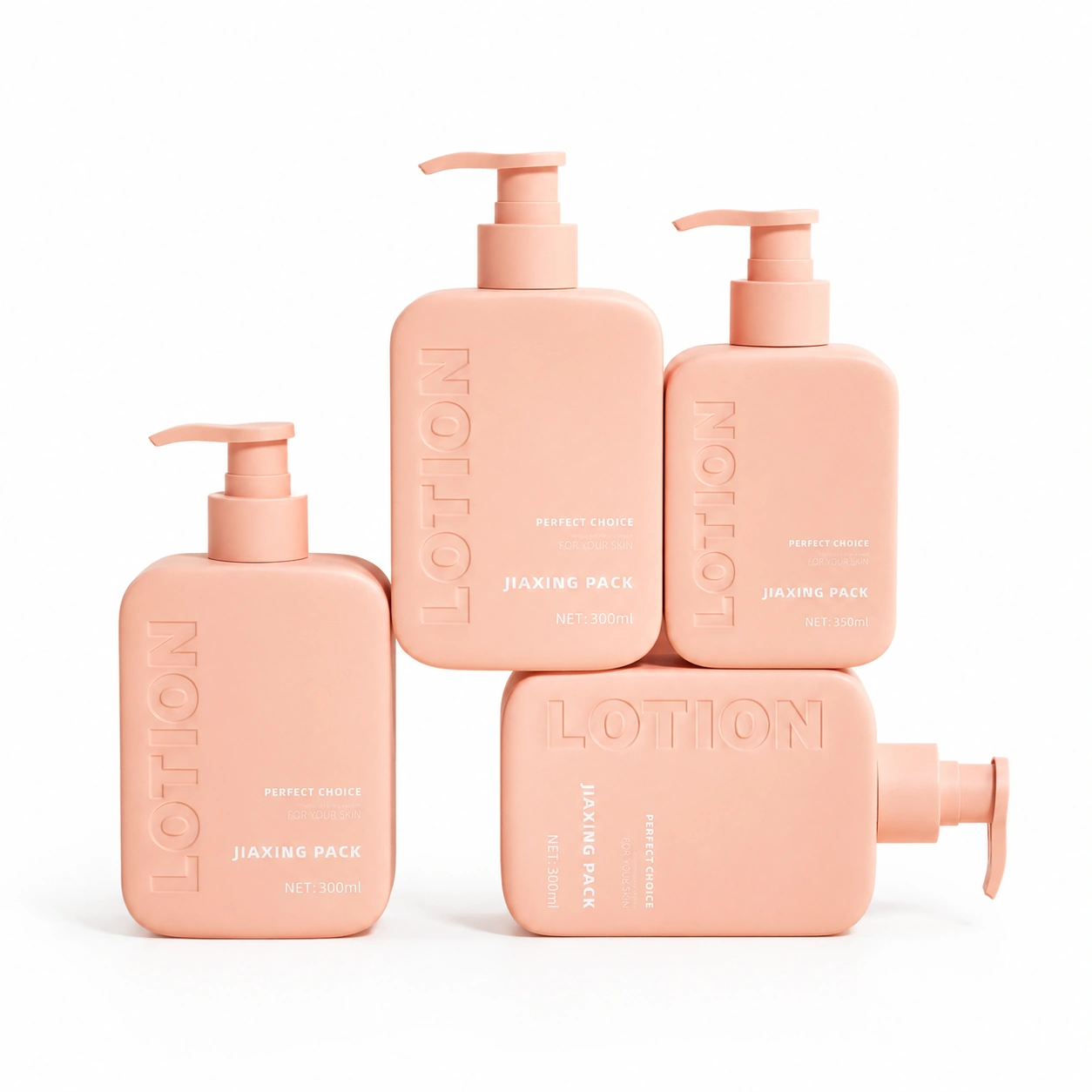
Custom Shampoo Bottles & Conditioner Bottles Manufacturer

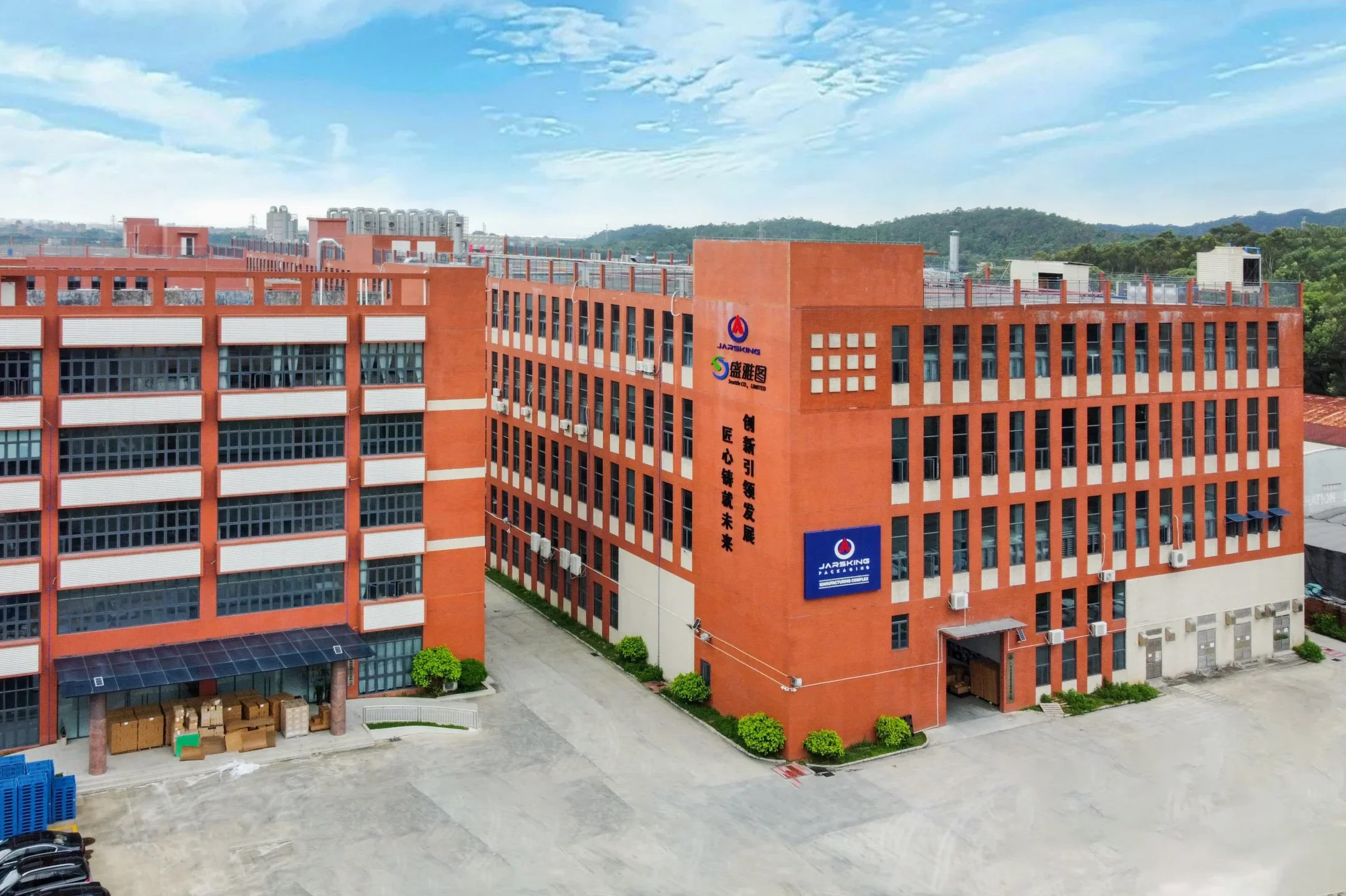
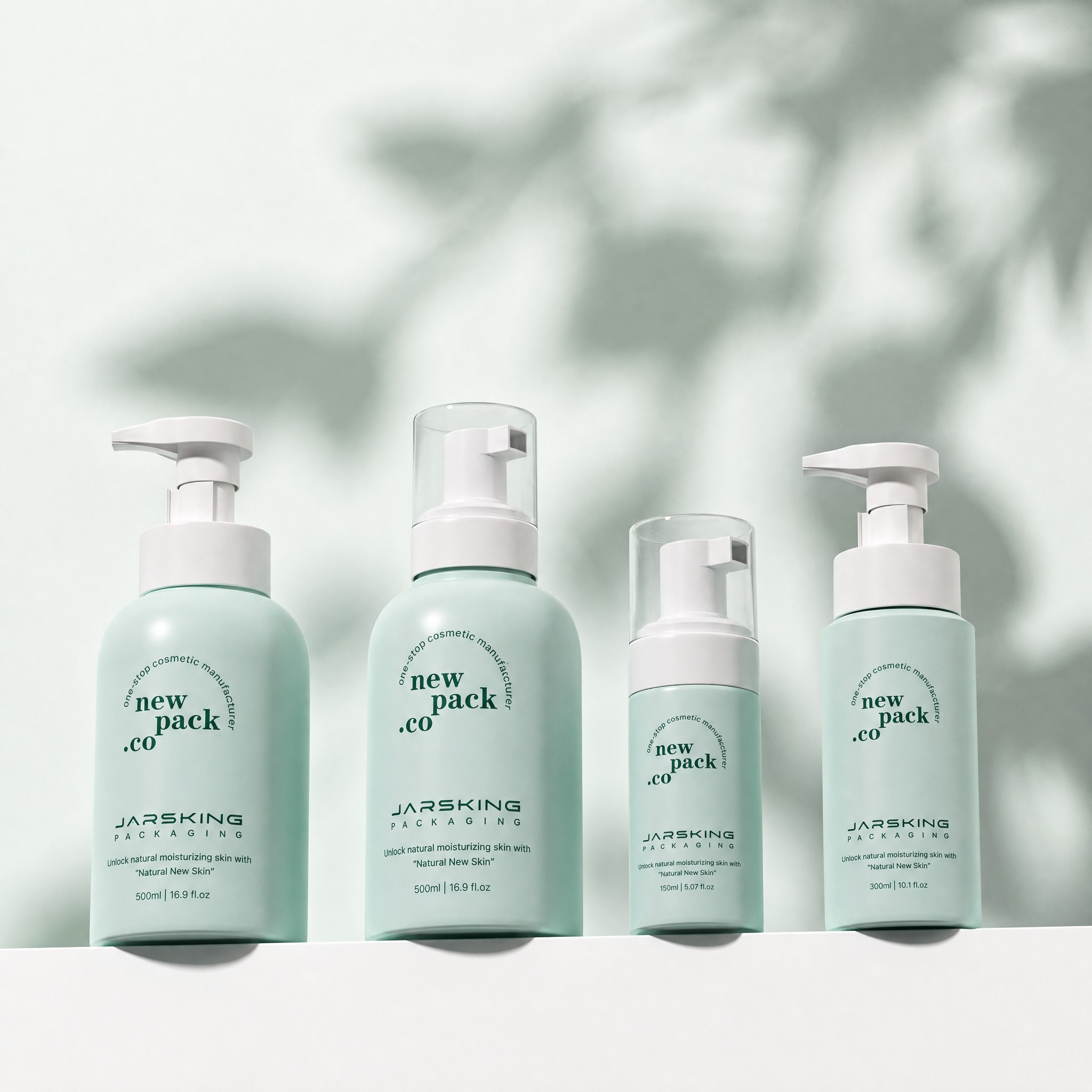
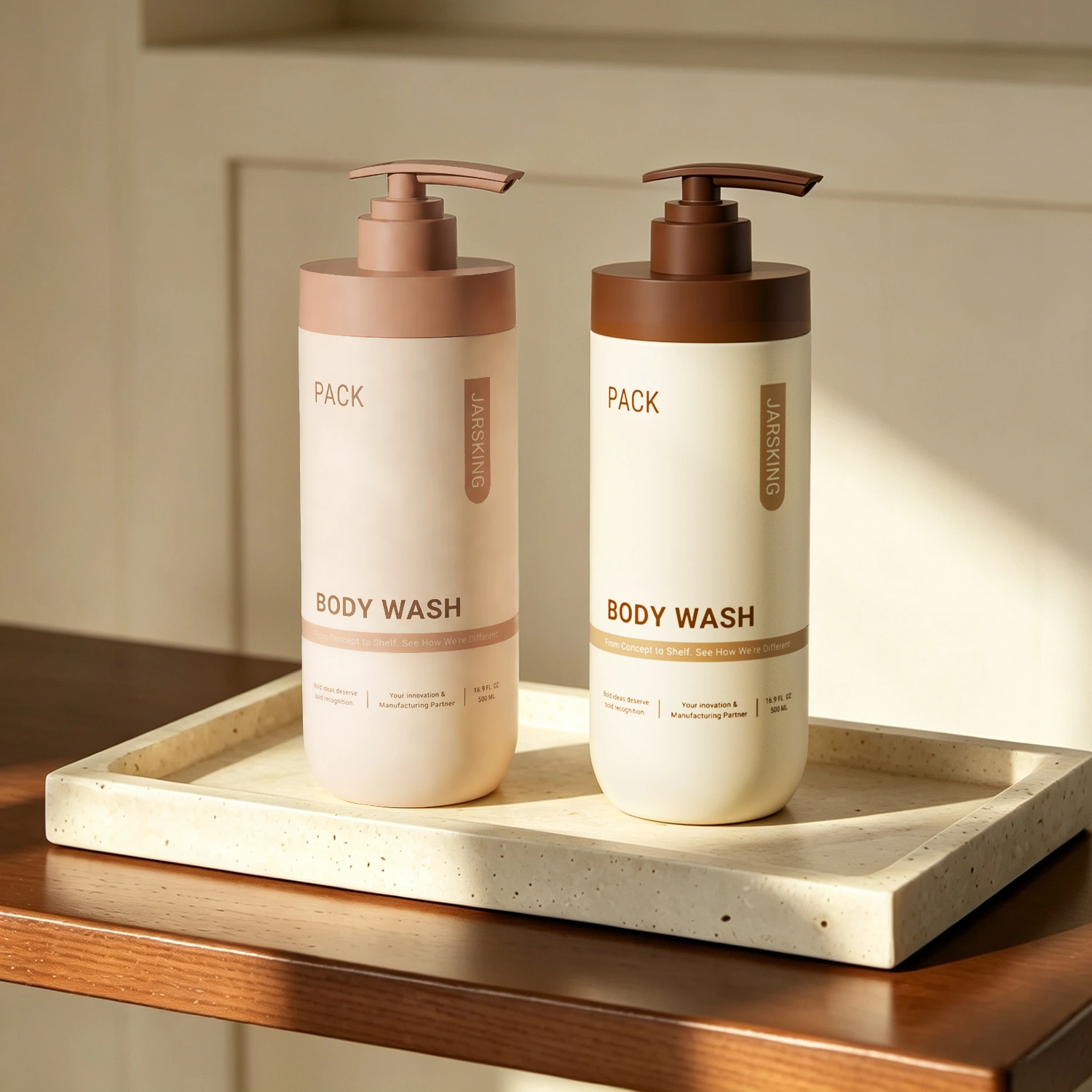
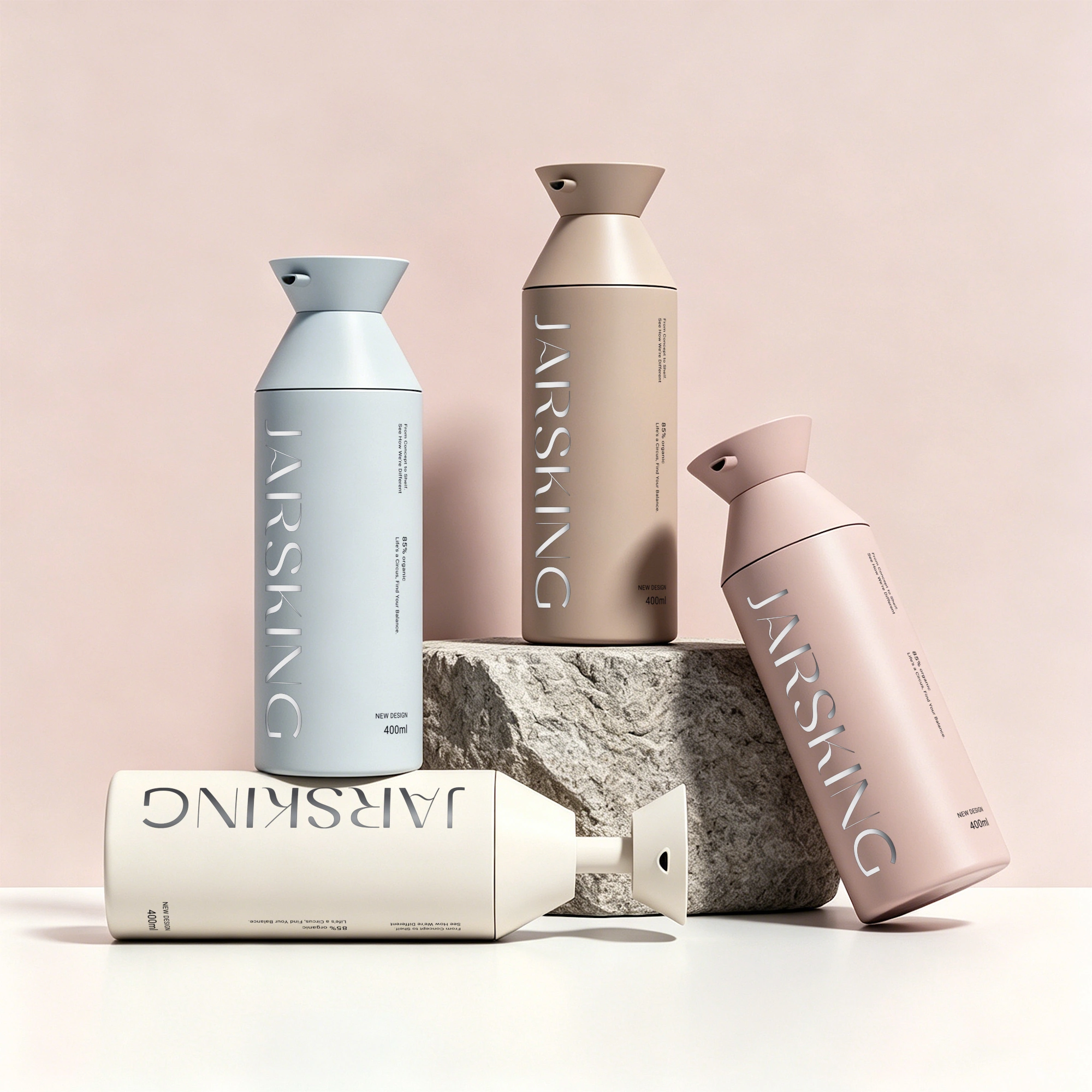
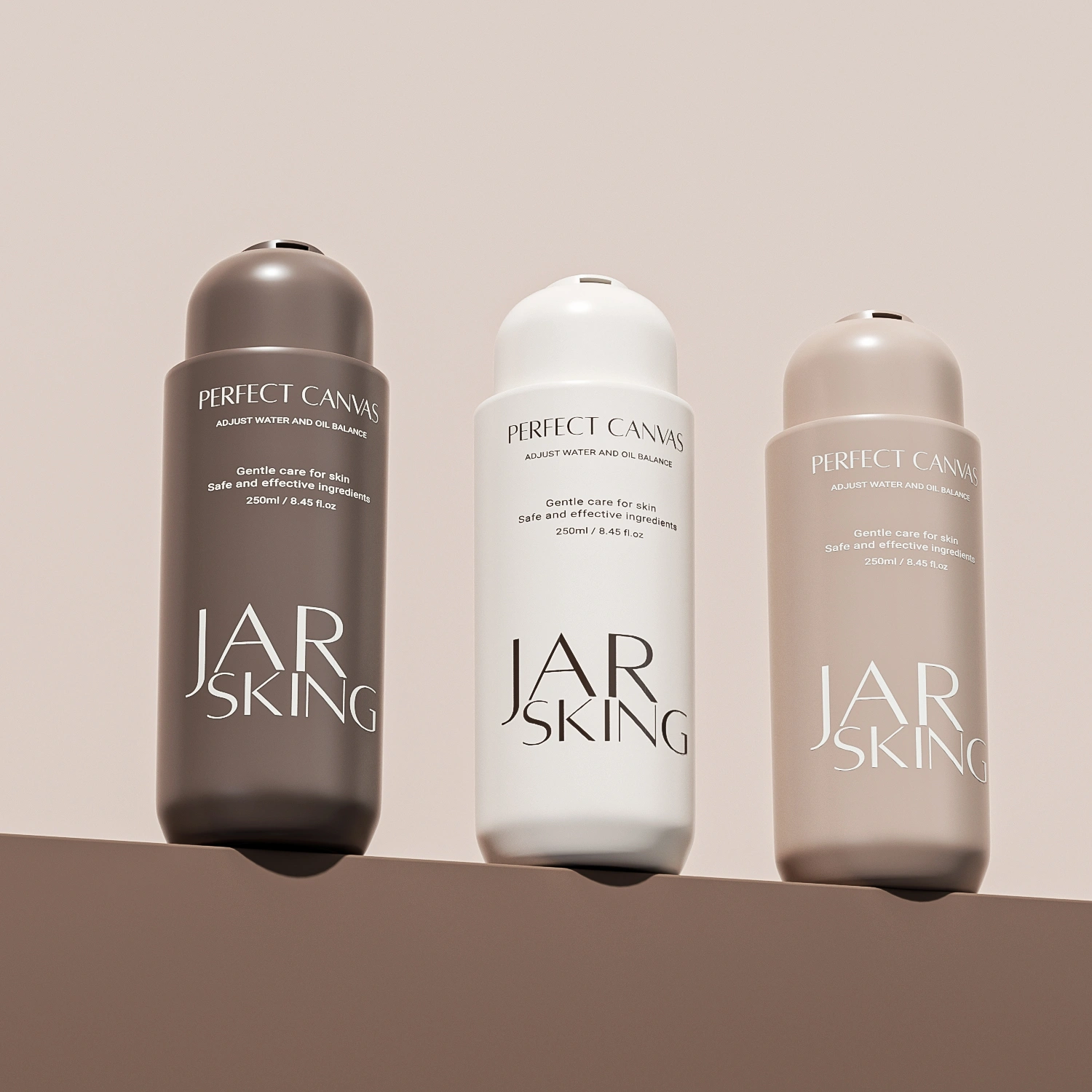
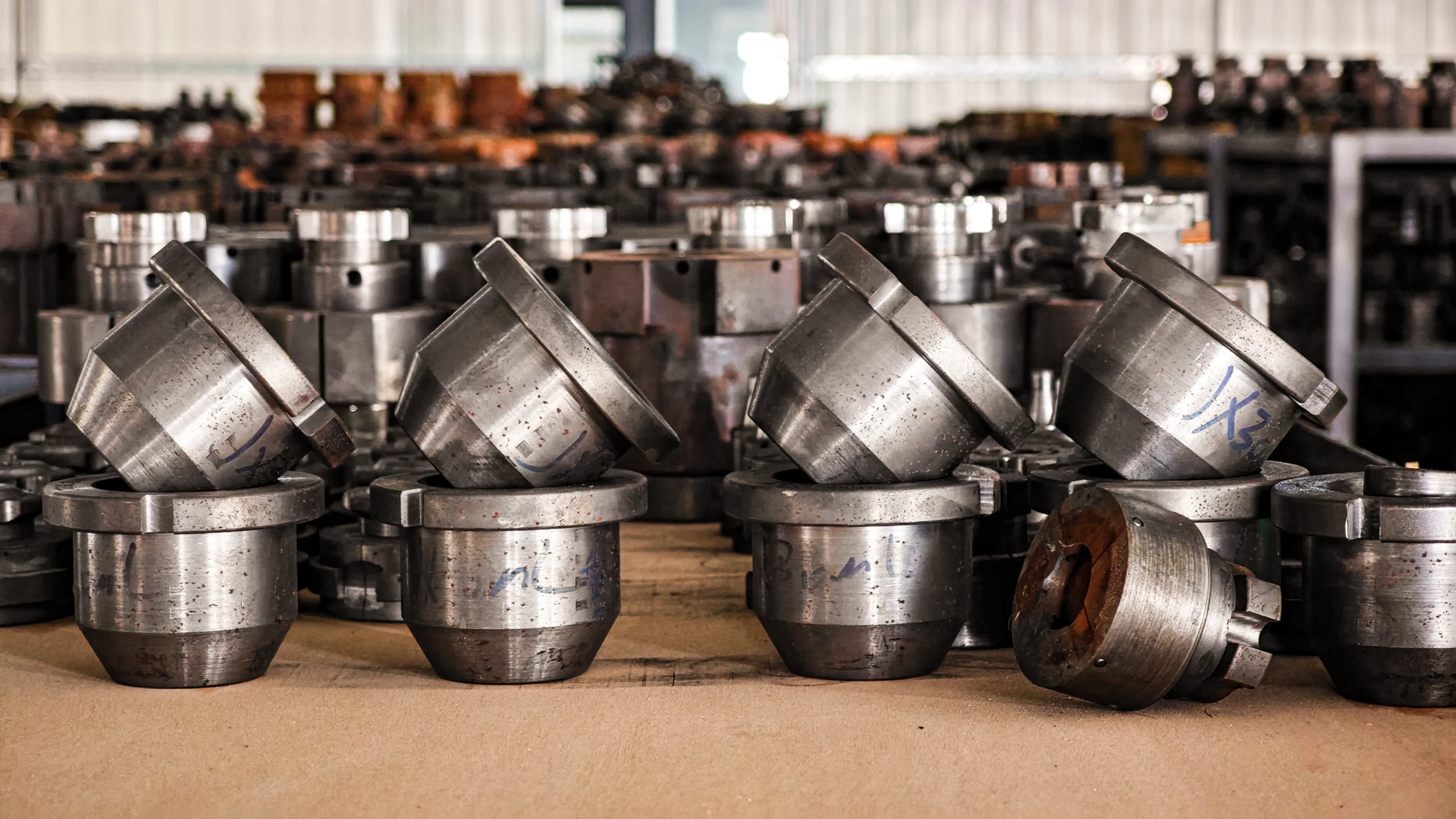
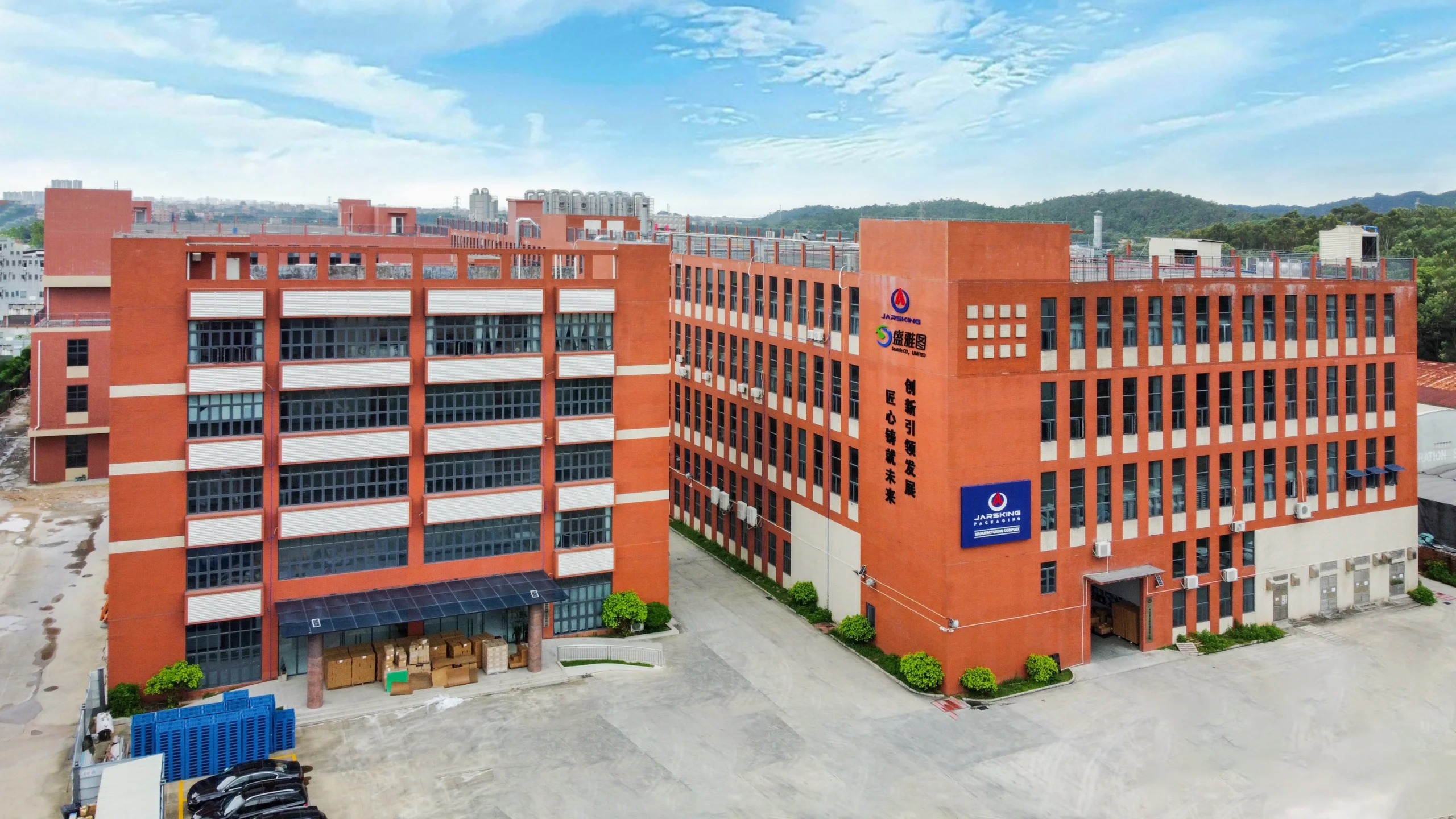
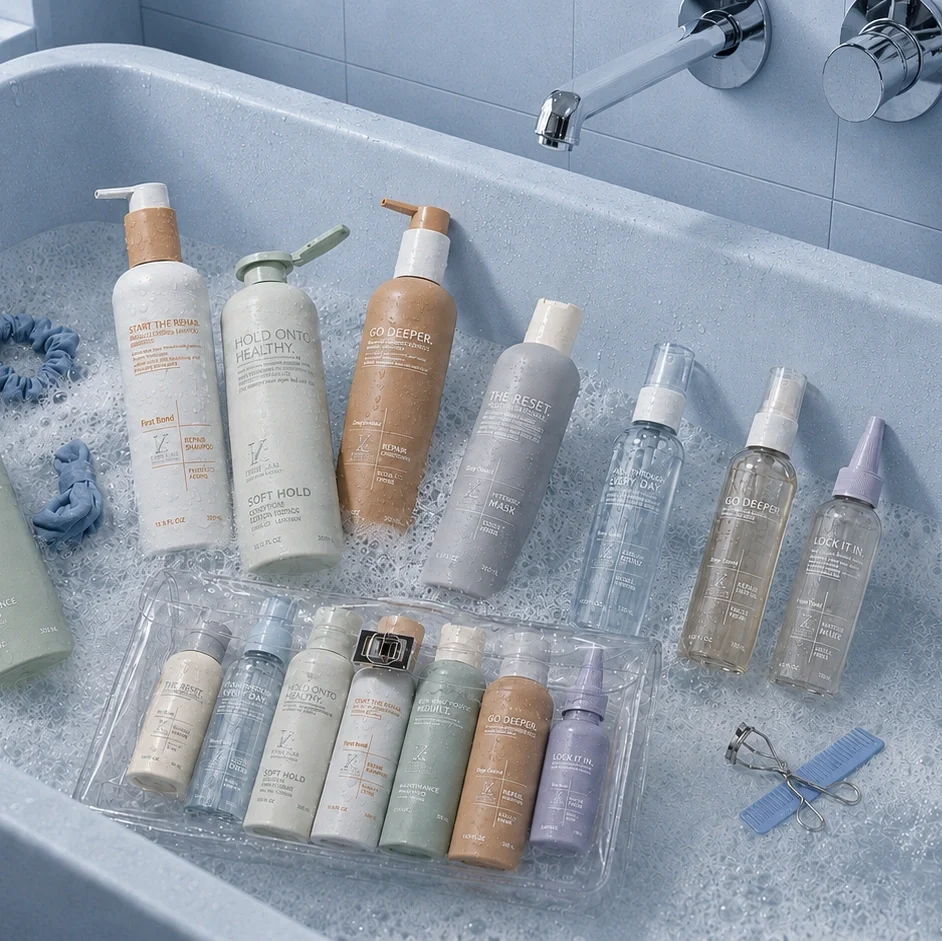
Jarsking is a full-service manufacturer of custom shampoo and conditioner bottles, offering OEM, ODM, and OBM solutions for hair care brands worldwide. We produce bottles in PET, HDPE, PCR, glass, and aluminum — engineered and decorated entirely in-house across our 100,000 m² manufacturing facilities in China. From structural concept to shelf-ready production, every project is backed by 20+ years of hair care packaging expertise and ISO-certified quality control.

Wide Selection of Haircare Bottles

Choose the Appropriate Materials for
Personal Care Bottles

Choosing the right material for personal care product bottles is crucial for balancing functionality, aesthetics, and sustainability. This guide explores the features of
nine materials—PET, HDPE, LDPE, PP, AS, PCR, PLA, aluminum, and glass—offering insights into their strengths and limitations
to help you find the perfect fit for your packaging needs.

PET (Polyethylene Terephthalate)

  • Clarity: Provides excellent transparency, resembling glass, ideal for showcasing product colors.
  • Durability: Lightweight yet impact-resistant, minimizing breakage during transport and use.
  • Barrier Properties: Strong resistance to moisture, oxygen, and chemicals, preserving product integrity.
  • Recyclability: Fully recyclable, supporting sustainable packaging initiatives.
  • Versatility: Compatible with a wide range of product formulations, including oils and alcohols.
  • Drawback: Sensitive to heat, which can cause warping in high-temperature environments.
PET bottles

HDPE (High-Density Polyethylene)

  • Strength: Sturdy and resistant to impact, suitable for daily-use bottles.
  • Chemical Resistance: Performs well with various formulations, including acidic or alkaline products.
  • Opacity: Available in opaque or semi-opaque finishes to protect light-sensitive formulations.
  • Recyclability: Easily recyclable, contributing to eco-friendly packaging solutions.
  • Cost-Effectiveness: Affordable for large-scale manufacturing without compromising quality.
  • Drawback: Limited transparency, making it less suitable for products that rely on visual appeal.
PE shampoo bottle

LDPE (Low-Density Polyethylene)

  • Flexibility: Soft and squeezable, making it ideal for tubes and bottles requiring user ease.
  • Chemical Compatibility: Resistant to a variety of formulations, including oils and diluted acids.
  • Lightweight: Easy to handle and transport while reducing packaging weight.
  • Recyclability: Recyclable, though less common than PET and HDPE.
  • Surface Finish: Allows smooth finishes for branding and design applications.
  • Drawback: Lower rigidity compared to other plastics, may affect structural stability for larger bottles.
PE bottle

PP (Polypropylene)

  • Heat Resistance: Can withstand high temperatures, making it suitable for hot-fill applications.
  • Chemical Resistance: Excellent compatibility with diverse formulations, including lotions and oils.
  • Durability: Strong and lightweight, ensuring long-lasting use without cracking.
  • Versatility: Used for bottle caps, dispensers, and containers due to its structural integrity.
  • Recyclability: Fully recyclable, aligning with sustainable practices.
  • Drawback: Prone to cracking under repeated stress, especially in colder temperatures.
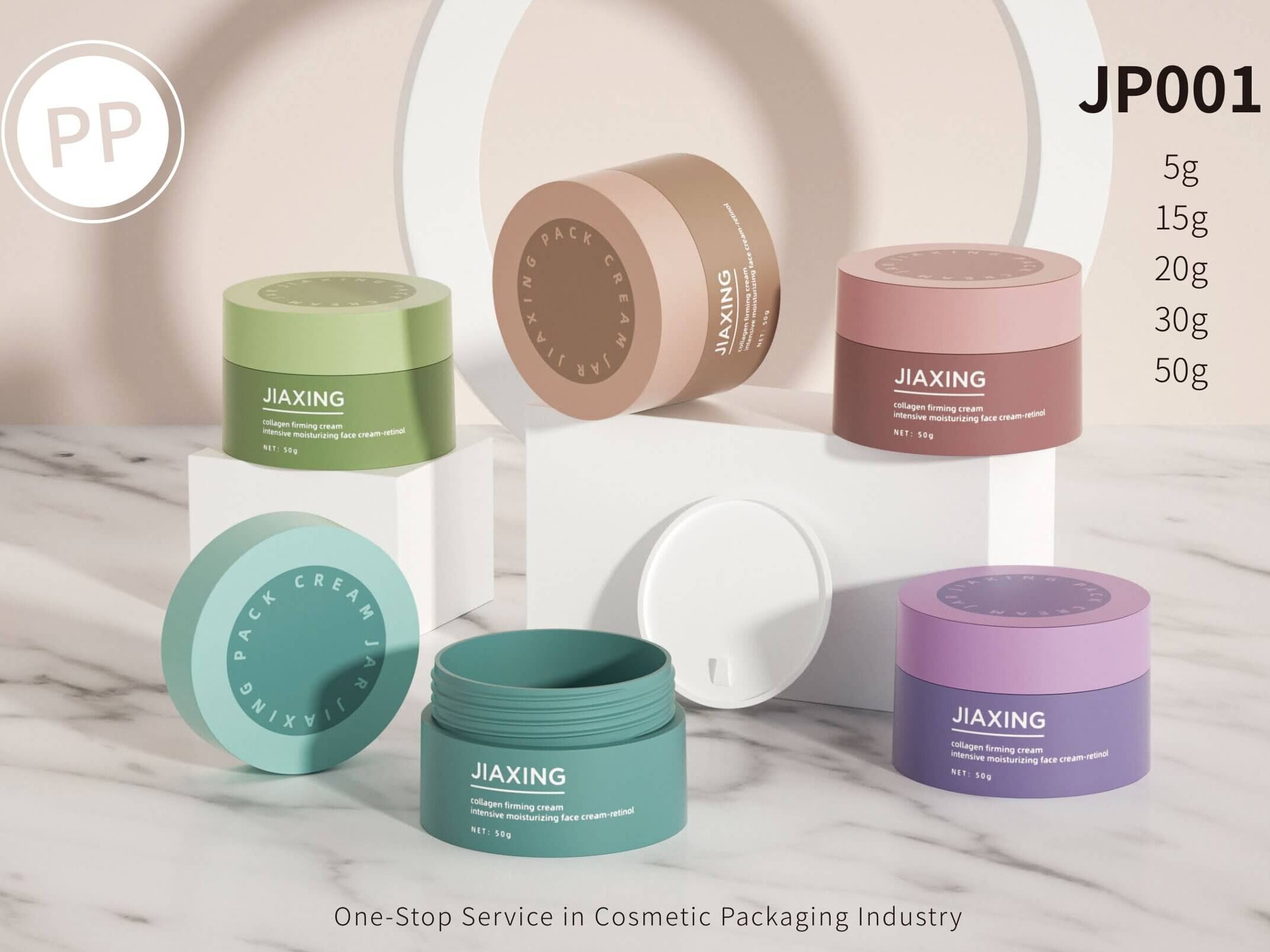
PP cosmetic jar

AS (Acrylonitrile Styrene)

  • Clarity: Offers a clear, glossy appearance, resembling glass but with better durability.
  • Strength: High impact resistance, reducing the risk of breakage.
  • Chemical Resistance: Withstands exposure to alcohols and oils used in personal care products.
  • Thermal Stability: Maintains its properties over a range of temperatures.
  • Cost-Effective Alternative: A more affordable option than other clear materials like PET or glass.
  • Drawback: Lacks biodegradability, contributing to environmental concerns if not recycled properly.
AS bottle

PCR (Post-Consumer Recycled Plastic)

  • Sustainability: Made from recycled plastics, significantly reducing environmental impact.
  • Compatibility: Available in various forms (e.g., PET, HDPE) for diverse product needs.
  • Customizability: Can be tinted or finished to match branding requirements.
  • Recyclability: Maintains a closed-loop recycling process when disposed of properly.
  • Eco-Friendly Appeal: Enhances brand reputation by meeting eco-conscious consumer demands.
  • Drawback: May have slight color or clarity inconsistencies compared to virgin plastics.
PCR bottle set

PLA (Polylactic Acid)

  • Sustainability: Derived from renewable resources like corn starch or sugarcane, offering a lower carbon footprint than traditional plastics.
  • Biodegradability: Fully compostable under industrial conditions, breaking down into natural components like water and CO₂.
  • Transparency: Provides a clear, glass-like finish, ideal for showcasing product contents.
  • Customizability: Can be molded into various shapes and sizes, with options for branding.
  • Drawback: Sensitive to heat and humidity, unsuitable for products stored in high-temperature environment.
PLA plastic bottle

Aluminum

  • Sustainability: Highly recyclable, with minimal quality loss during recycling.
  • Durability: Lightweight yet robust, offering excellent protection against impacts and external factors.
  • Barrier Properties: Provides an effective barrier against light, air, and moisture.
  • Customizability: Easily customizable with various finishes for premium branding.
  • Corrosion Resistance: Often coated to resist corrosion, ensuring compatibility with formulations.
  • Drawback: Higher cost compared to plastics, which may not be feasible for budget-conscious brands.
aluminum bottle

Glass

  • Sustainability: 100% recyclable, reusable, and non-toxic, aligning with zero-waste packaging goals.
  • Premium Appeal: Exudes luxury and sophistication, enhancing the perceived value of the products.
  • Chemical Resistance: Inert and non-reactive, making it ideal for sensitive formulations.
  • Clarity: Offers excellent transparency for showcasing product colors and textures.
  • Durability: Resistant to scratches and environmental factors.
  • Drawback: Fragile and heavy, increasing the risk of breakage and transportation costs.

Pick Your Dispensing Solutions

Choosing the right dispensing closure for your shampoo or conditioner bottle is an engineering decision that directly affects formula preservation, user experience, and brand perception. Jarsking offers a complete in-house range of pumps, sprayers, and caps — each engineered and tested to match specific hair care formula viscosities, bottle neck finishes, and output volume requirements. The right closure turns a functional bottle into a best-in-class hair care product.

plastic spray bottle

Fine Mist Sprayer

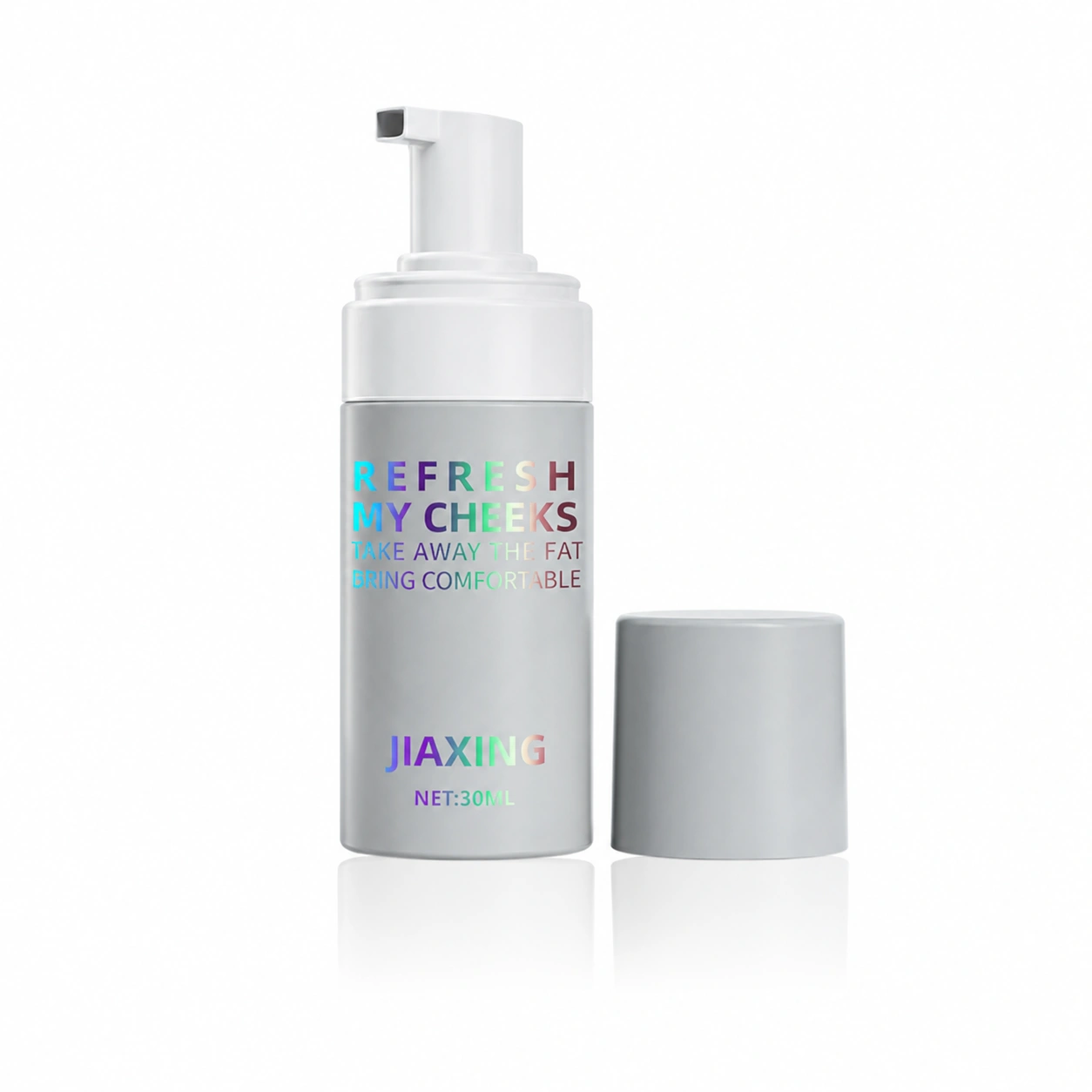
The fine mist sprayer is designed for hair care formulas requiring precise, uniform distribution in a lightweight mist — including toning sprays, scalp serums, thermal protectants, and hair setting mists. It dispenses a fine, even liquid mist at 0.12–0.15 ml per actuation, ensuring controlled application without oversaturation. The fine mist format is especially effective for water-based and alcohol-based hair care formulations that need to be applied evenly from root to tip. Available with smooth, ribbed, and metallic overcap closure options.

foam pump bottle

Foam Pump

A foam pump is the preferred dispensing solution for low-viscosity shampoos, scalp cleansers, and hair mousse formulations. It converts liquid into a rich, metered foam at the point of dispensing — reducing formula waste, improving lather distribution across the scalp and hair, and elevating the sensory experience for the end consumer. Discharge rate: 0.50–1.50 ml per actuation.

Lotion Pump

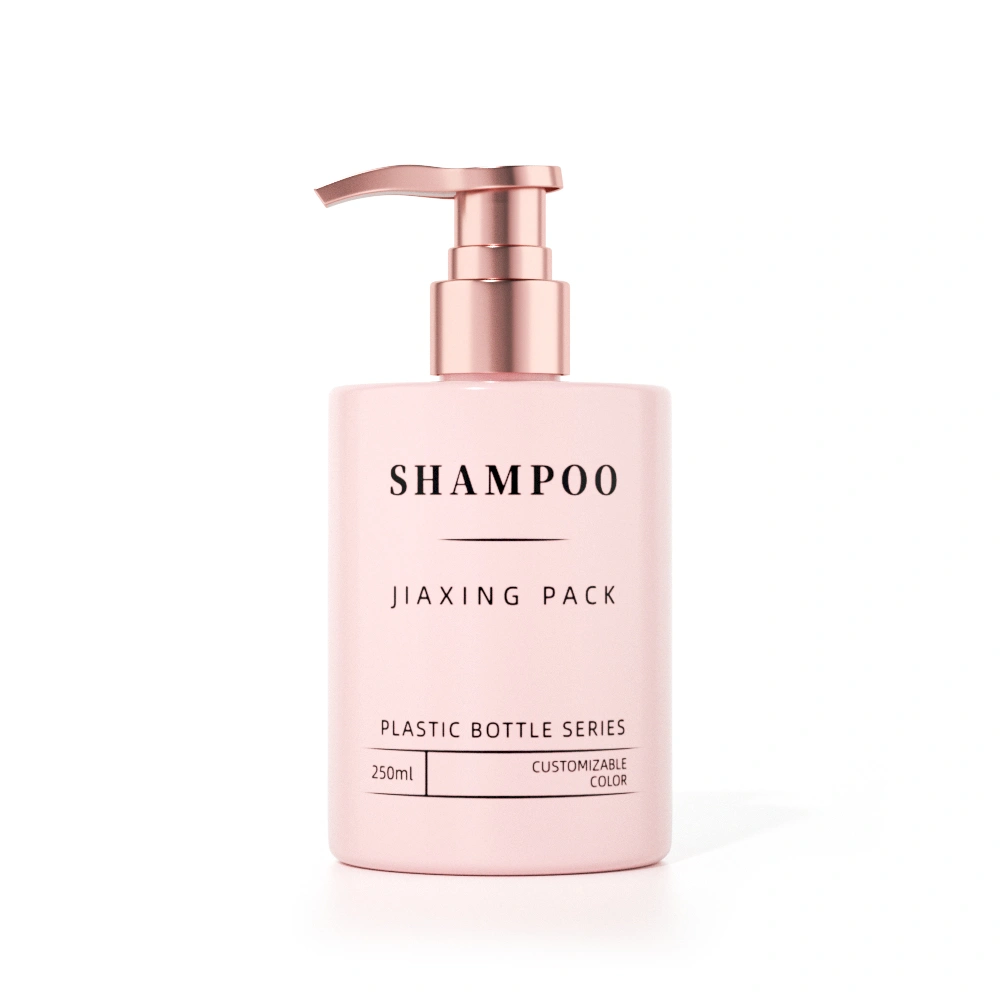
The lotion pump is the most widely used closure for shampoo and conditioner bottles in retail, salon, and professional formats. It delivers controlled, metered dispensing of thicker formulations — including creamy conditioners, rinse-out treatments, and high-viscosity shampoos — minimising product waste and offering a premium-feel tactile experience. Discharge rate: 1.00–2.00 ml per actuation. Available in standard and long-stroke variants to suit bottle heights from 150ml to 1,000ml.

Flip Cap

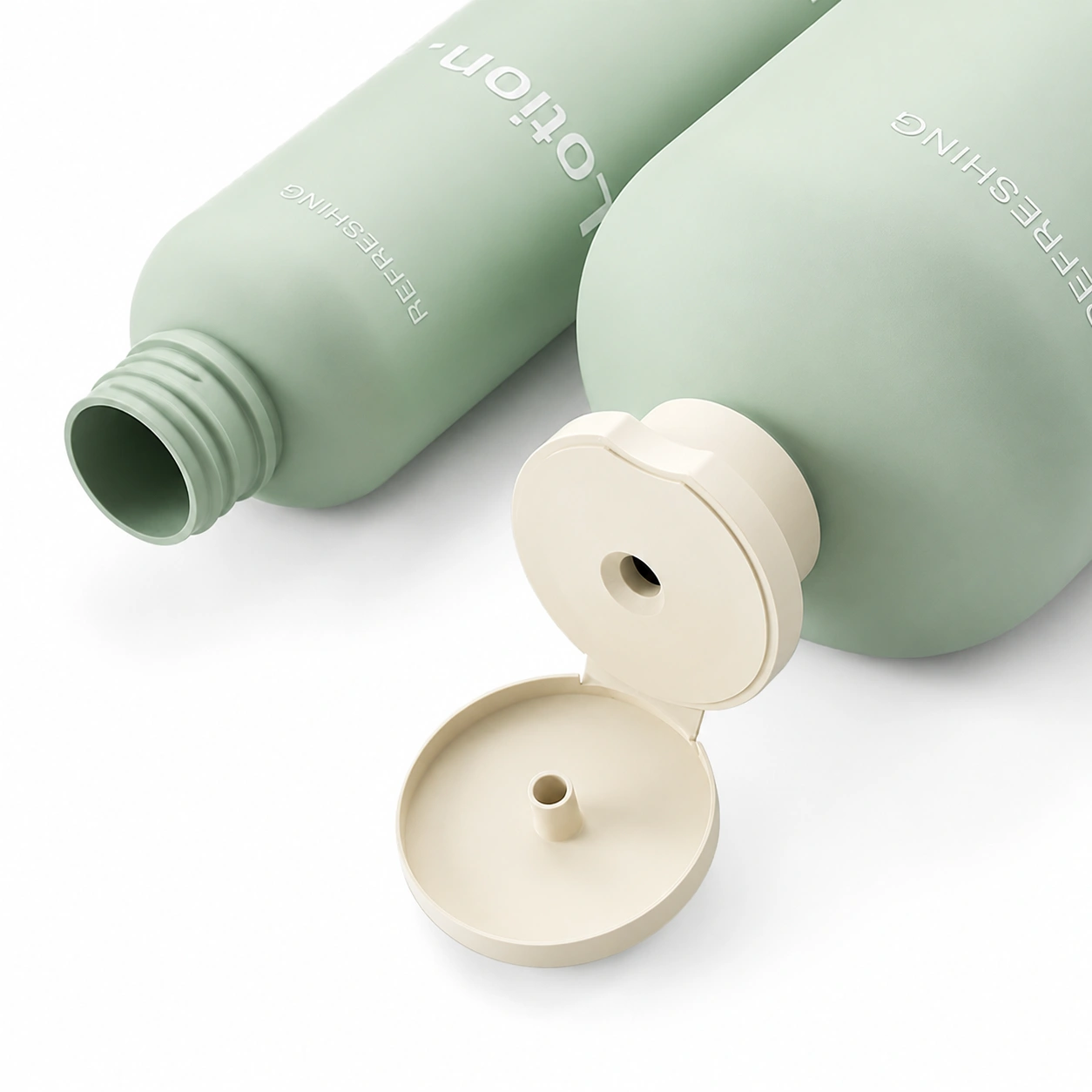
The flip cap is the most practical and cost-efficient closure for retail shampoo and conditioner bottles. Its one-handed open-and-close mechanism provides convenient in-shower dispensing with reliable spill prevention — making it the default choice for family-size, hotel amenity, and mass-market hair care formats. Jarsking's flip cap range is available in standard, wide-neck, and angled-orifice variants, with finish options including matte, gloss, soft-touch, and Pantone-matched colour.

airless lotion bottle components

Airless Pump

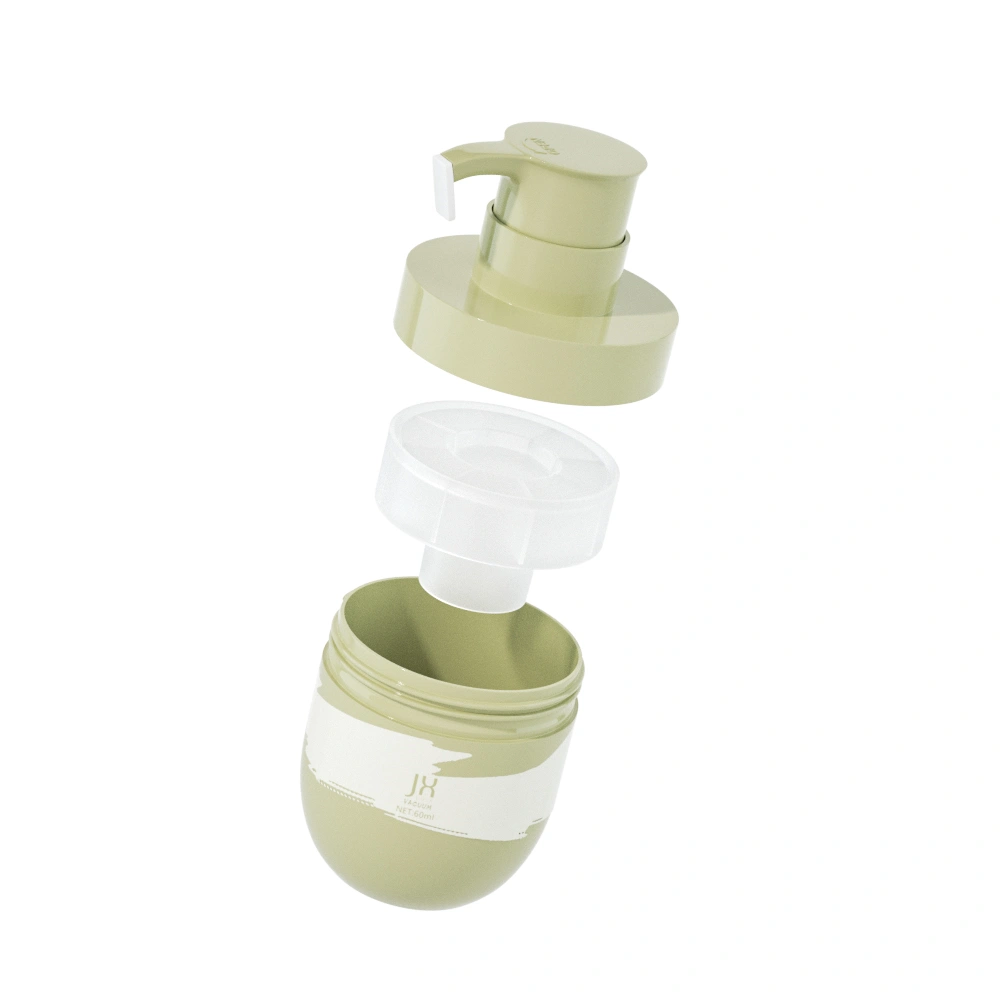
The airless pump is the optimal closure for premium shampoo serums, scalp treatment oils, and formula-sensitive hair care products. Its vacuum-based mechanism eliminates air ingress entirely — protecting active ingredients such as keratin, biotin, and botanical extracts from oxidation, microbial contamination, and formula degradation. It also ensures near-zero product waste, dispensing up to 95% of bottle contents. Ideal for brands positioning at the prestige and clinical hair care tier.

trigger spray bottle

Trigger Sprayer

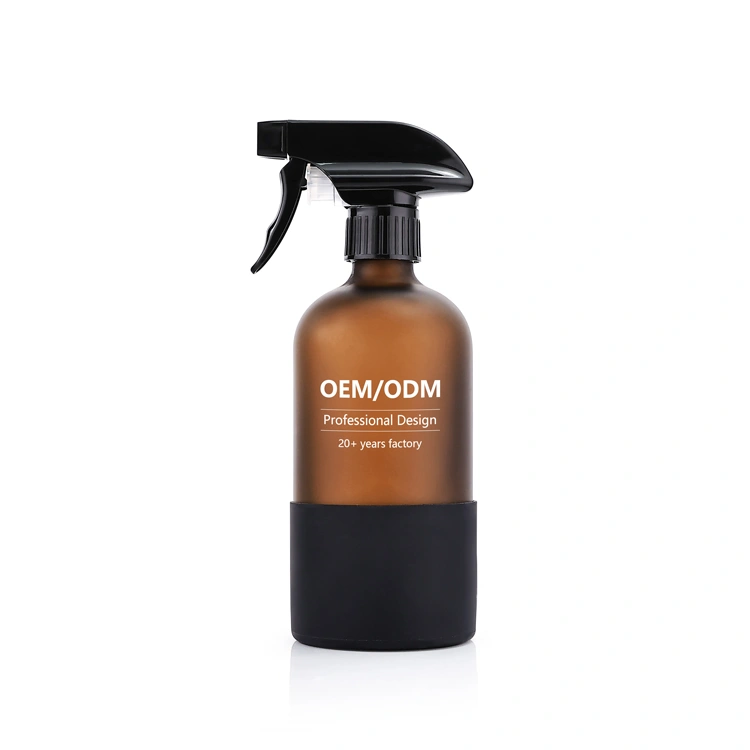
The trigger sprayer is engineered for leave-in conditioners, heat protection sprays, detangling sprays, and scalp care mists — formats that require broad, even distribution across the hair and scalp. It delivers high-volume spray output per actuation, making it suited for styling products and hair treatments applied to dry or wet hair from root to tip. Available in standard and mini trigger formats with locking mechanism options for retail safety.

Surface Decoration & Brand Customization

We take pride in our diverse and proven processing technologies as a custom glass and plastic container manufacturer. From lacquering and silkscreen to metallization,
digital printing, hot stamping, embossing and debossing.Take a look at the introduction of each technique to help you make
an informed decision when considering custom shampoo bottles.

Lacquering

Lacquering applies a protective coating over the bottle surface, improving resistance to scratches, moisture, and daily handling wear — conditions shampoo and conditioner bottles face in wet bathroom environments. It also defines the bottle’s tactile character: gloss lacquer intensifies colour depth with a reflective sheen, while matte lacquer creates a soft, velvety finish associated with premium positioning.

color coating

Silkscreen Printing

Silkscreen printing forces ink through a fine mesh screen onto the bottle surface, producing graphics that bond directly to the substrate. Each colour is applied through a separate screen, ideal for logo-dominant designs and text elements requiring sharp edge definition across high-volume runs. Ink adhesion is tested for resistance to water and surfactant contact, ensuring decoration survives the full product lifecycle.

silk printing

Metallization

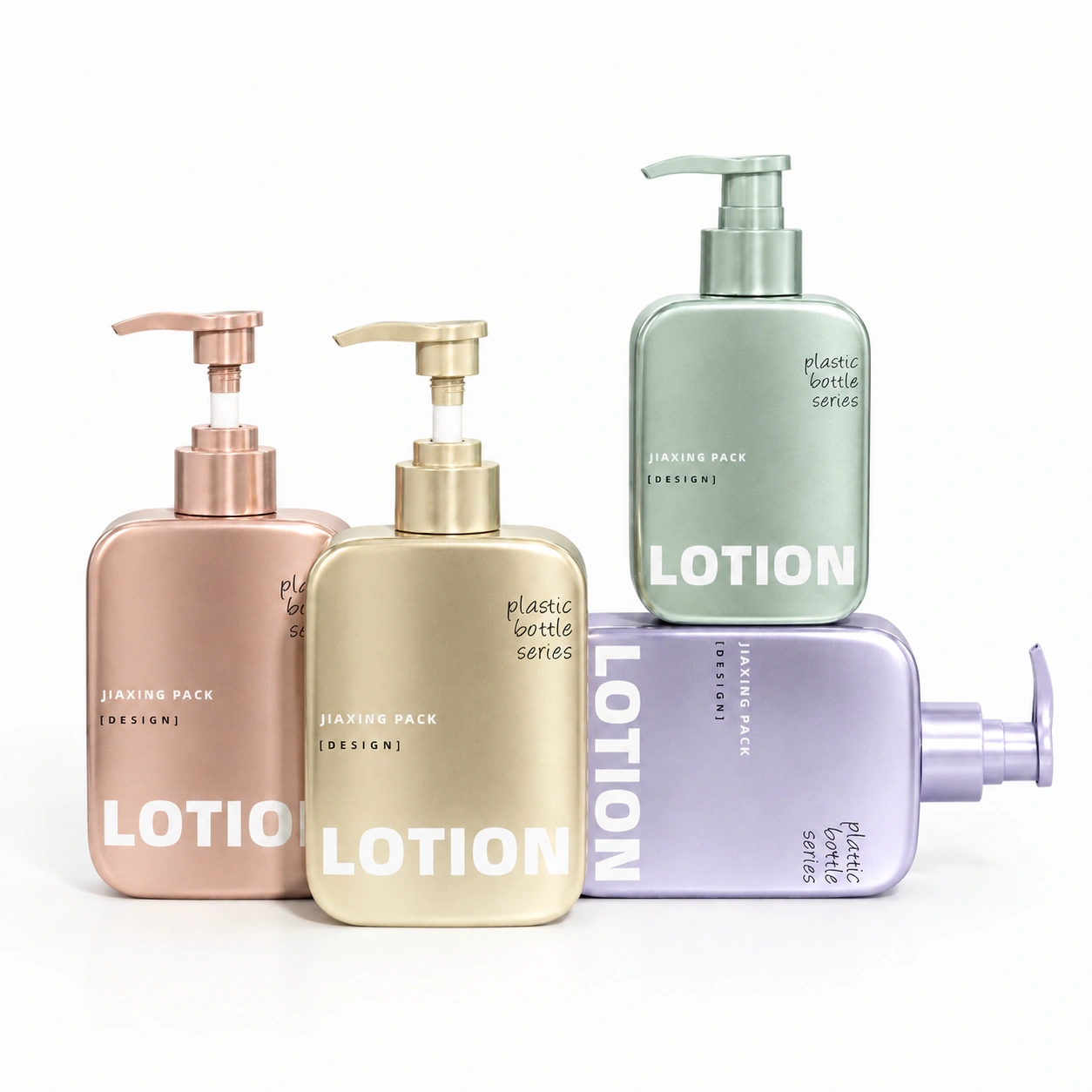
Metallization coats the entire bottle surface with a vacuum-deposited metallic layer, creating a seamless mirror-like finish in chrome, gold, or rose gold. Unlike hot stamping, which targets specific graphic areas, metallization covers the whole bottle structure. It is the preferred technique when the bottle form itself is the brand statement — delivering a fully reflective shelf presence for premium hair care lines.

metallization

Digital Printing

Digital printing applies full-colour, high-resolution artwork directly onto the bottle surface without screens, plates, or tooling setup. It accommodates complex gradients, photographic imagery, and intricate multi-colour designs — making it the most flexible decoration method for shampoo and conditioner packaging. Especially suited to short runs, seasonal editions, and designs that change frequently.

digital printing

Hot Stamping

Hot stamping transfers a metallic or pigmented foil onto the bottle surface using heat and pressure dies. It produces sharp, defined graphic elements — logos, brand names, and decorative patterns — with precise edge clarity that printing alone cannot achieve. The result is a tactile, raised foil mark that communicates premium quality at first touch. Best suited for spot branding and logo application on shampoo and conditioner bottles.

silver hot stamping

Embossing and Debossing

Embossing raises a pattern or logo above the bottle wall; debossing presses it inward — both creating a permanent three-dimensional tactile effect that requires no ink or foil. The decoration cannot fade, peel, or wear over the product’s shelf life. It communicates craftsmanship at the moment of first touch, making it ideal for brand logos and signature design elements on premium shampoo and conditioner bottles.

Sustainable Shampoo Bottle Solutions

Sustainable hair care packaging is not just a brand preference — it is increasingly a retail compliance requirement. Jarsking’s sustainability capabilities are engineered, certified, and auditable.

PCR Plastic Bottles

30%, 50%, and 100% post-consumer recycled content, with third-party content verification

Refillable Systems

outer bottle retained by the consumer; refill cartridge replaced, reducing single-use plastic by up to 80%

Lightweighting

reduced wall thickness without compromising drop and impact performance

Mono-Material Construction

eliminates mixed-material assemblies that cannot be recycled at end of life

Water-Based Printing Inks

used across all screen-printing lines to minimize chemical output

FSC-Certified Secondary Packaging

cartons and outer boxes sourced from responsibly managed forests

Work with Jarsking Step by Step

OEM / ODM typical total timeline: 40–65 days from design confirmation to delivery
OBM (custom mold development) typical timeline: 84–110 days from brief to delivery

A dedicated project manager owns every project from brief through delivery — one point of contact, no handoffs.

Why Brands Choose Jarsking for Hair Care Packaging

Sourcing a shampoo or conditioner bottle manufacturer is a long-term decision. The supplier you choose affects not just your packaging quality, but your development timeline, your brand’s shelf credibility, and your ability to scale.

FAQs

OEM means Jarsking manufactures to your provided design specifications — you own the design. ODM means you select and customize from Jarsking’s library of 30,000 existing molds, which is faster and lower-cost. OBM is full co-development: Jarsking’s design and engineering team builds an entirely new packaging system around your brand strategy from concept through mass production.
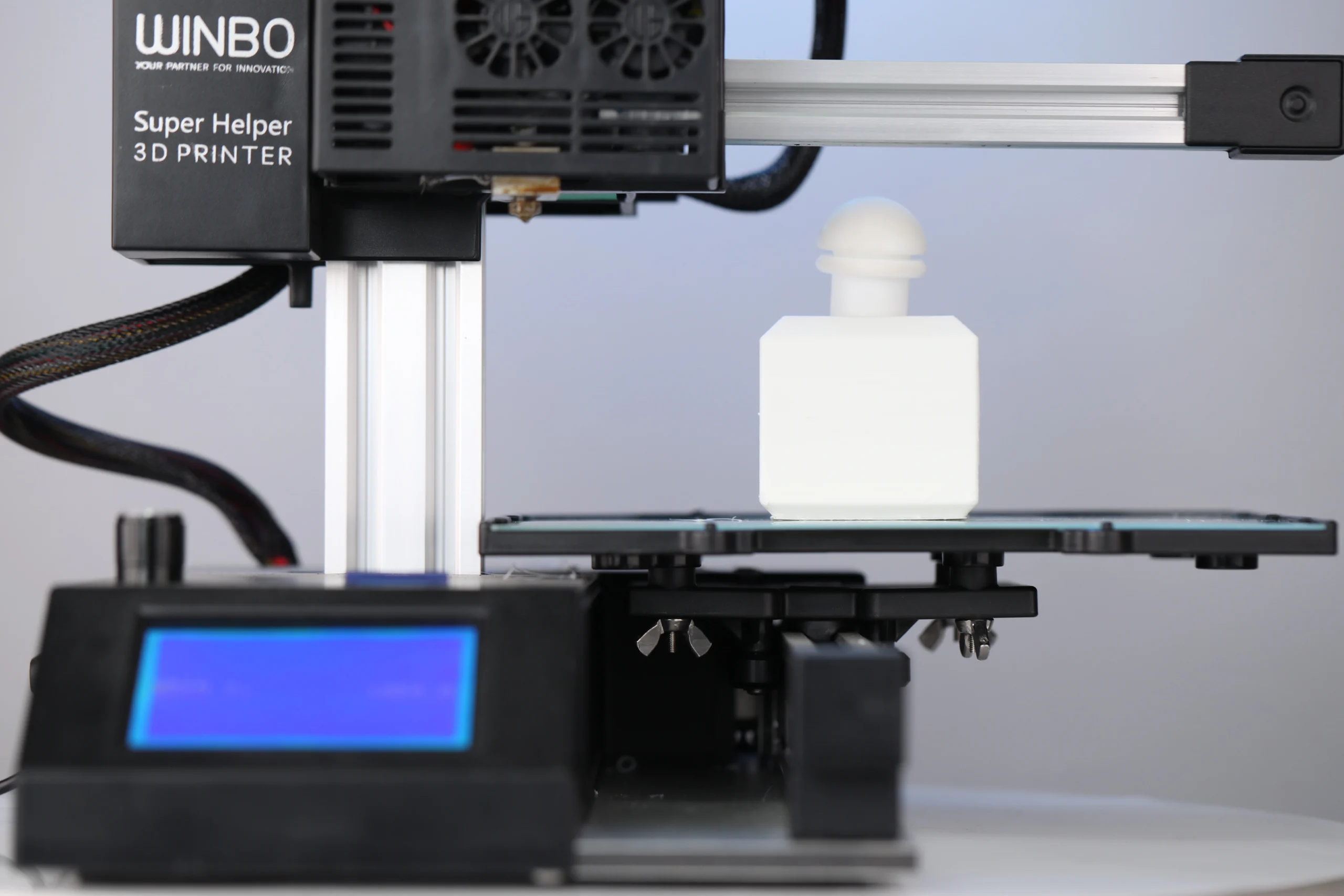
Yes. Jarsking’s in-house mold manufacturing center designs and cuts custom tooling for fully bespoke bottle silhouettes. The OBM process covers everything from initial concept sketch through 3D structural design, DfM validation, mold production, sampling, and mass production sign-off.

Jarsking produces shampoo and conditioner bottles in PET, HDPE, PCR plastic (30–100% recycled content), glass, and aluminum. Material selection is guided by formula chemistry, brand positioning, sustainability targets, and target retail channel.

Options include PCR plastic bottles with third-party verified recycled content, refillable systems (reducing single-use plastic by up to 80%), lightweighted structures, mono-material construction for end-of-life recyclability, and FSC-certified secondary cartons. All sustainable formats come with full compliance documentation.

For OEM and ODM projects (using existing mold structures), the total timeline from design confirmation to delivery is typically 40–65 days. For OBM projects requiring new custom mold development, the total timeline is 84–110 days from brief to delivery.

Jarsking’s in-house decoration center offers silk-screen printing (up to 8 colors), hot stamping, digital printing, gradient spray coating, metallization, soft-touch and matte lacquering, embossing/debossing, in-mold labeling, and shrink sleeve application — all executed within Jarsking’s own facilities.

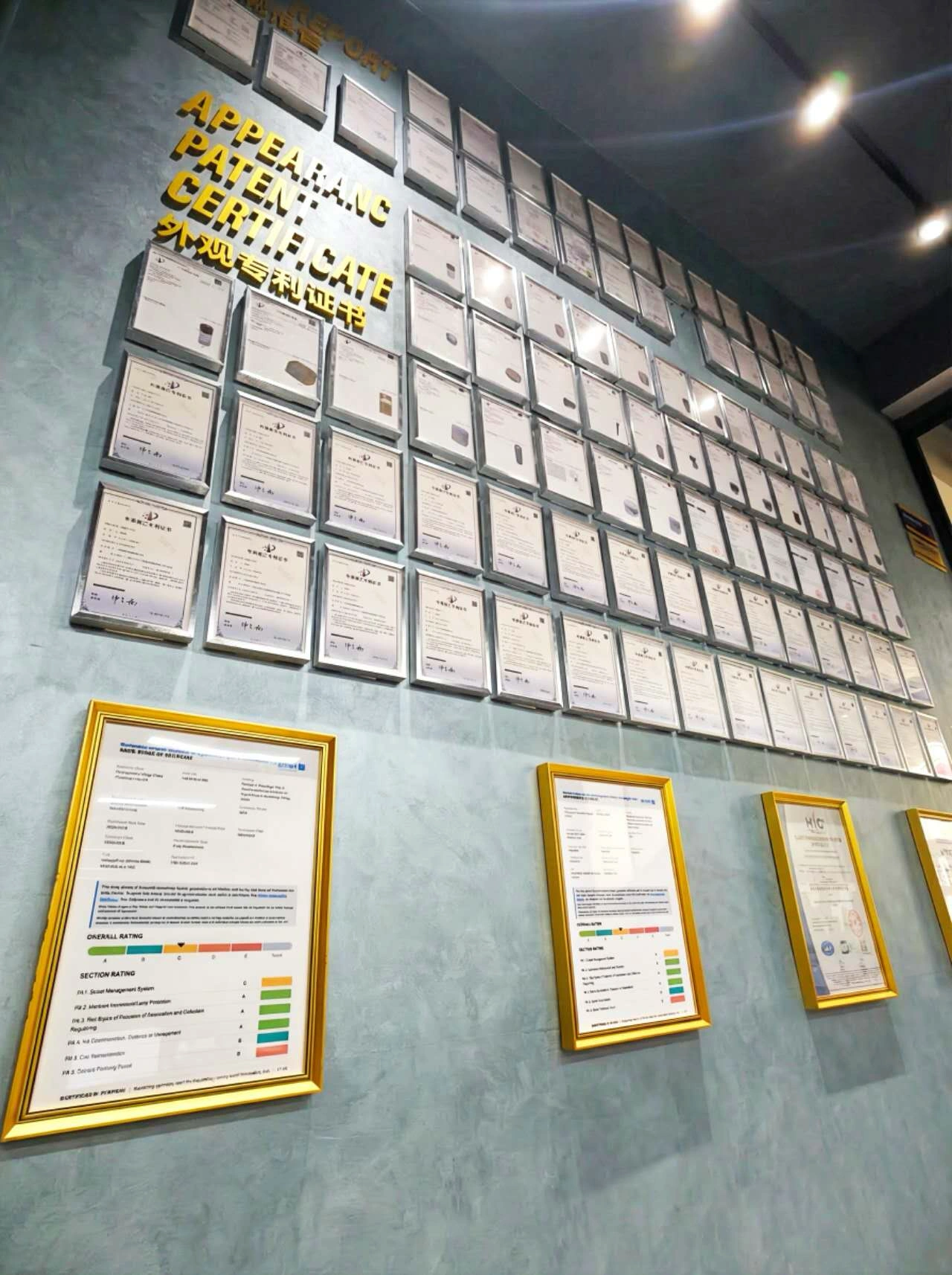
Jarsking holds ISO 9001 (quality management), BSCI (social compliance), REACH, RoHS (material safety), and SGS testing certifications. Full documentation is available to support compliance requirements for the US, EU, and other international markets.

Ready to develop your custom shampoo and conditioner bottles?

Share your brief with Jarsking’s team. We’ll recommend the right development path — OEM, ODM, or OBM — and deliver a proposal including structure options, CMF direction, and timeline within 1–2 weeks.

Request Quotation