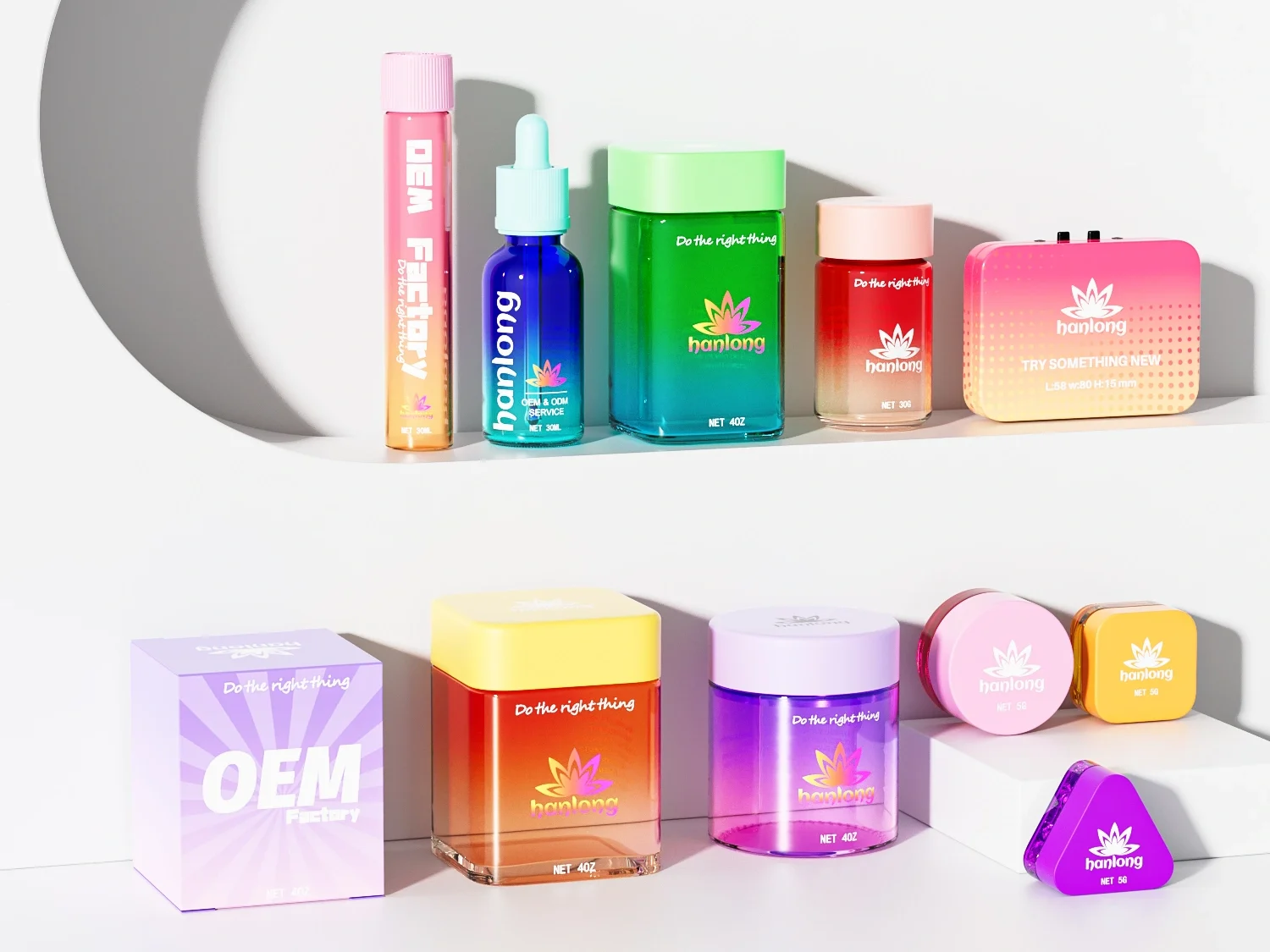
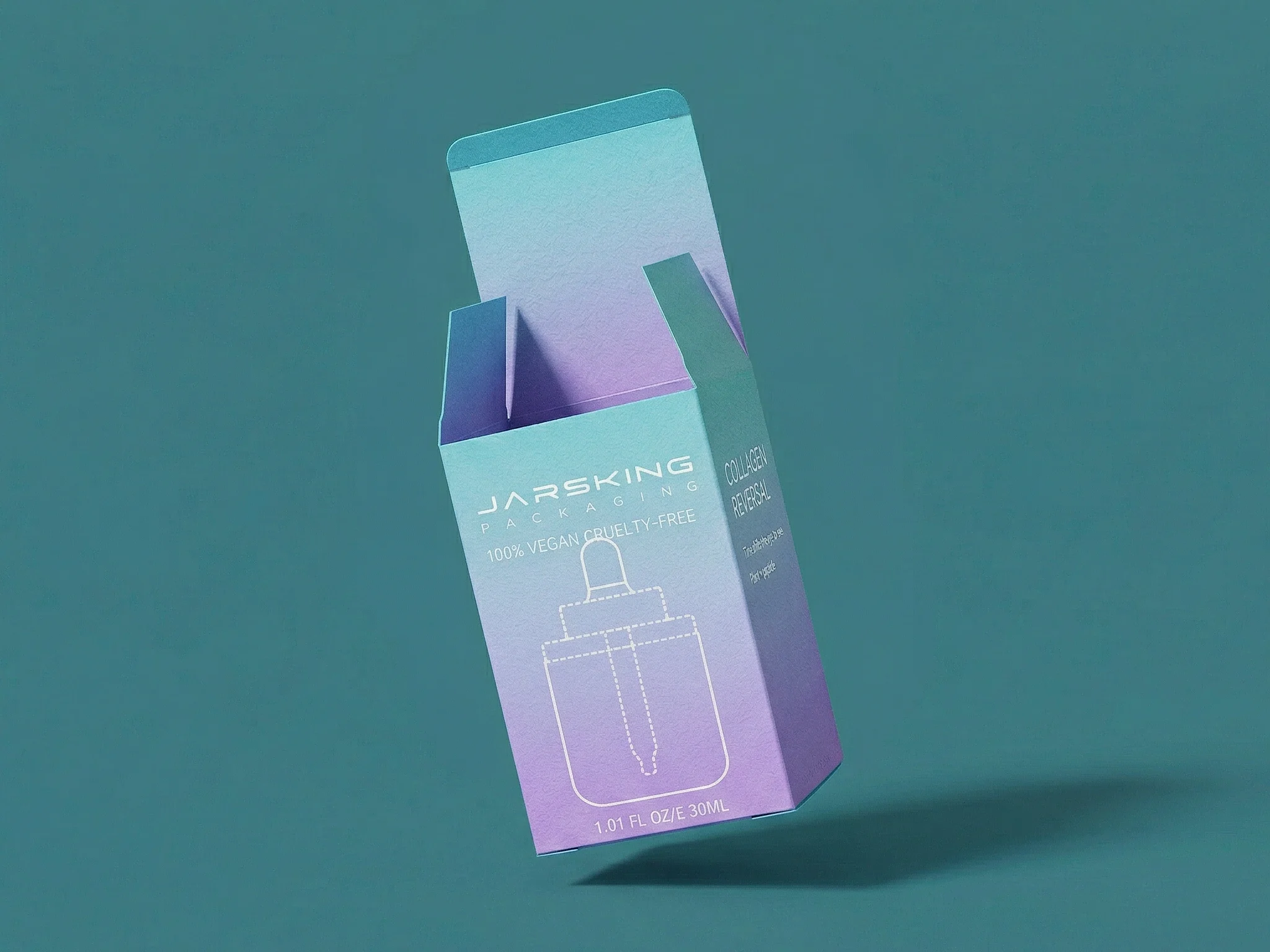
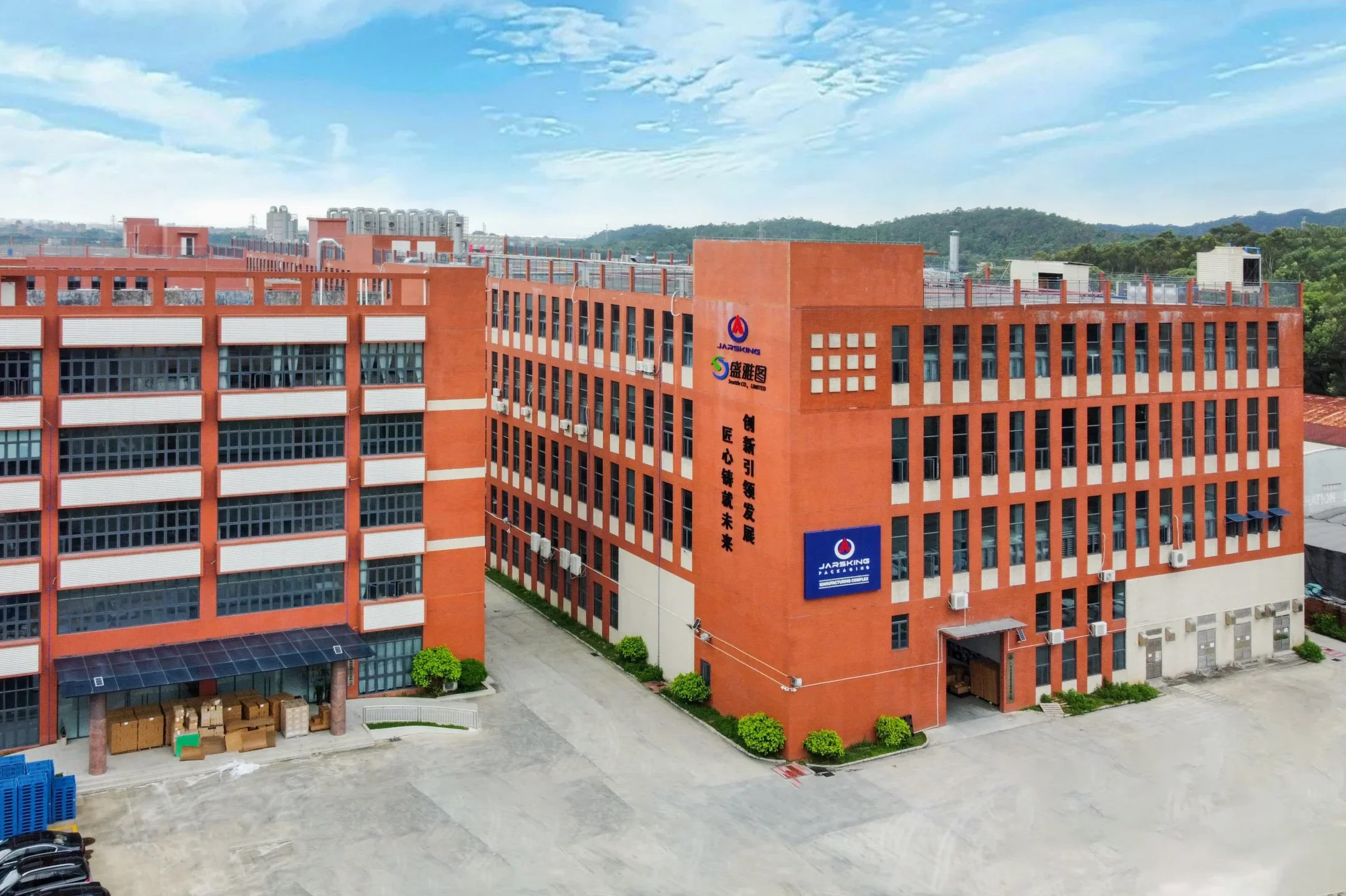
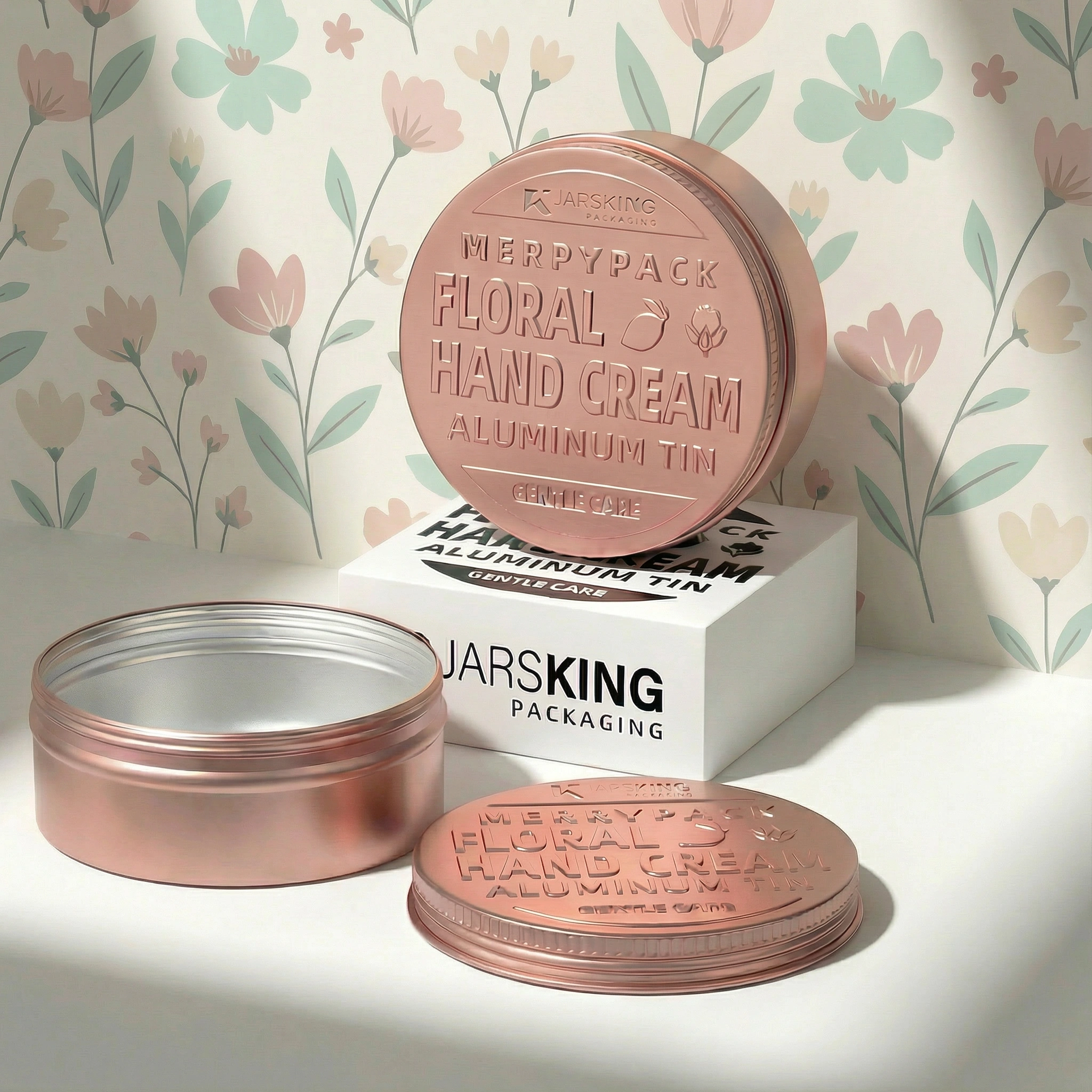
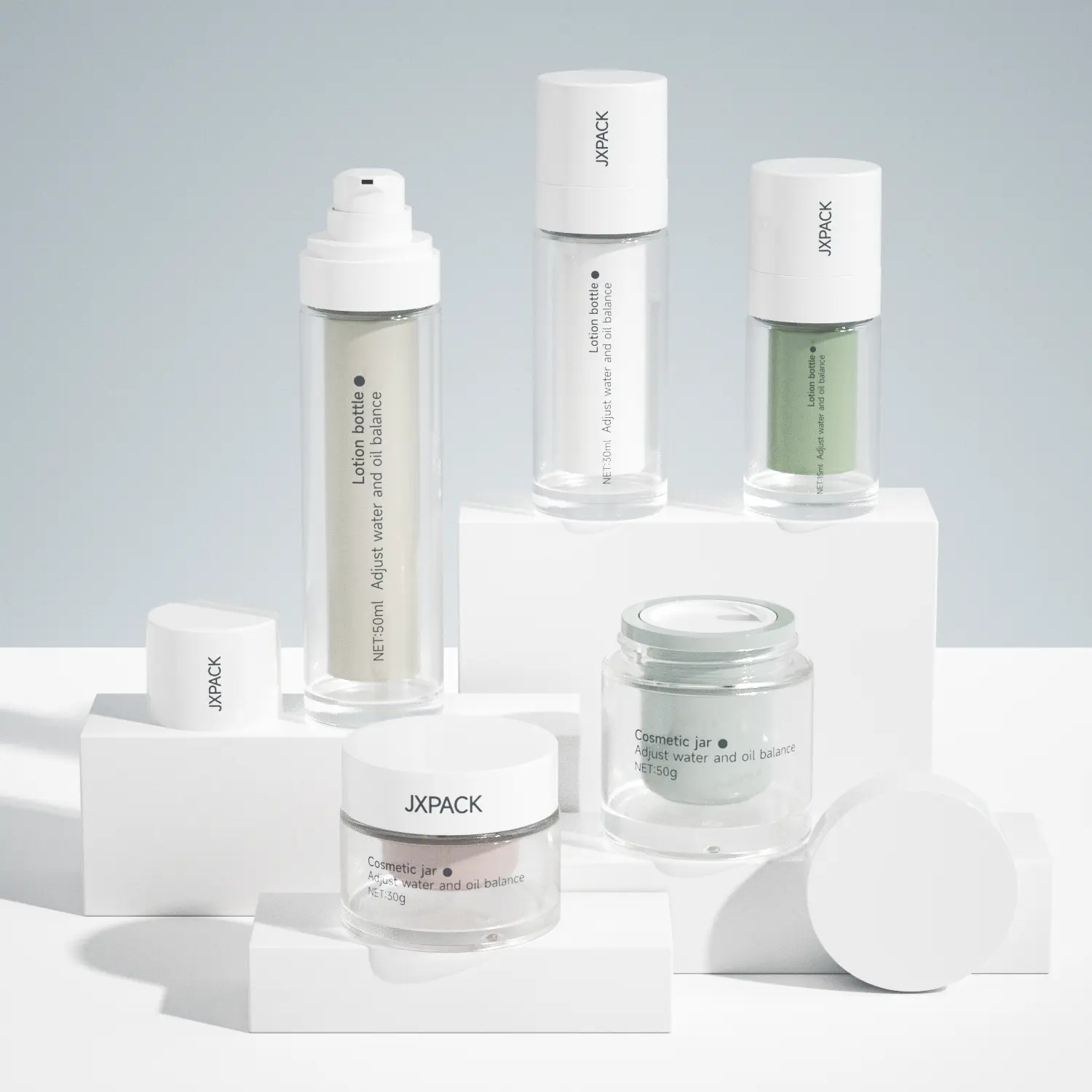
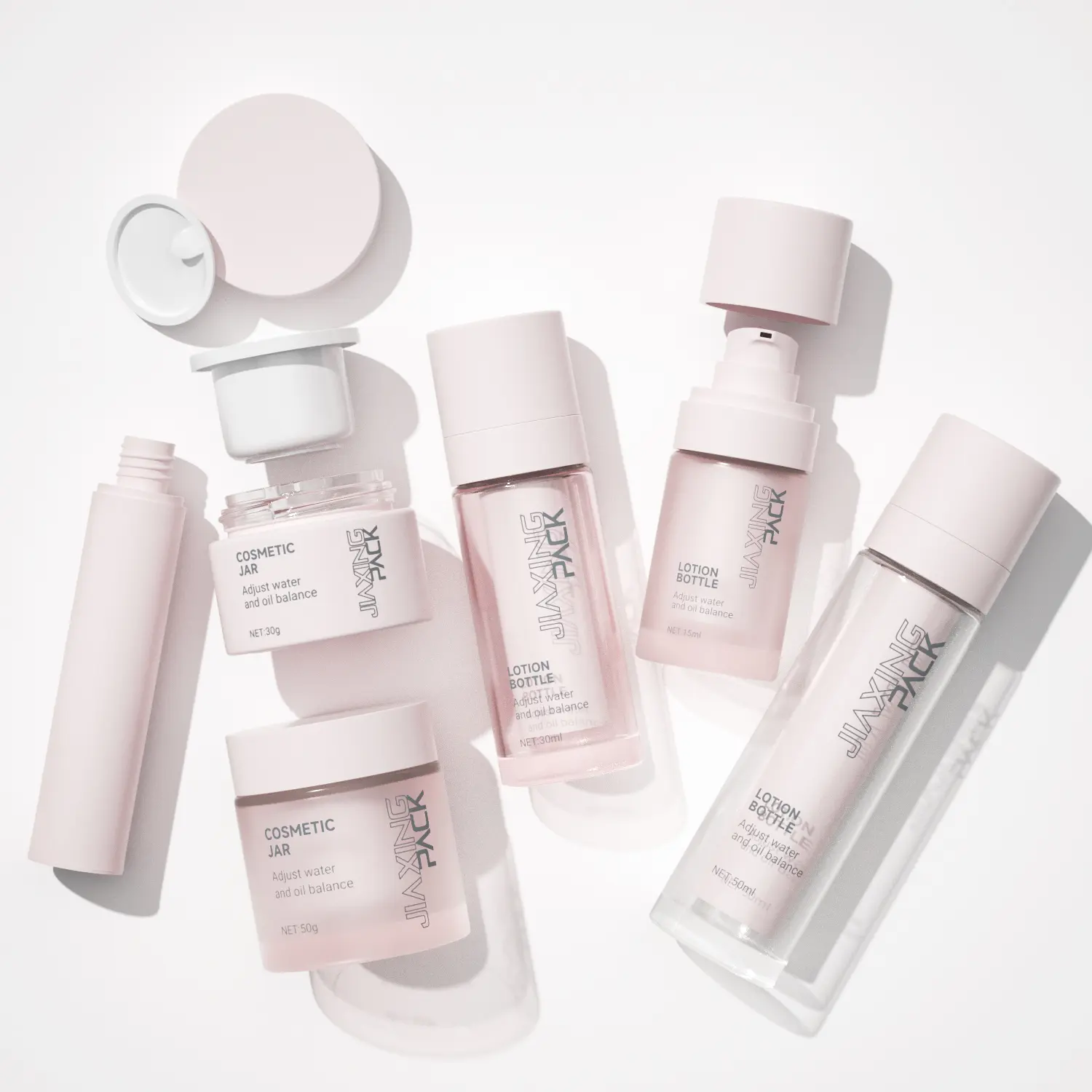
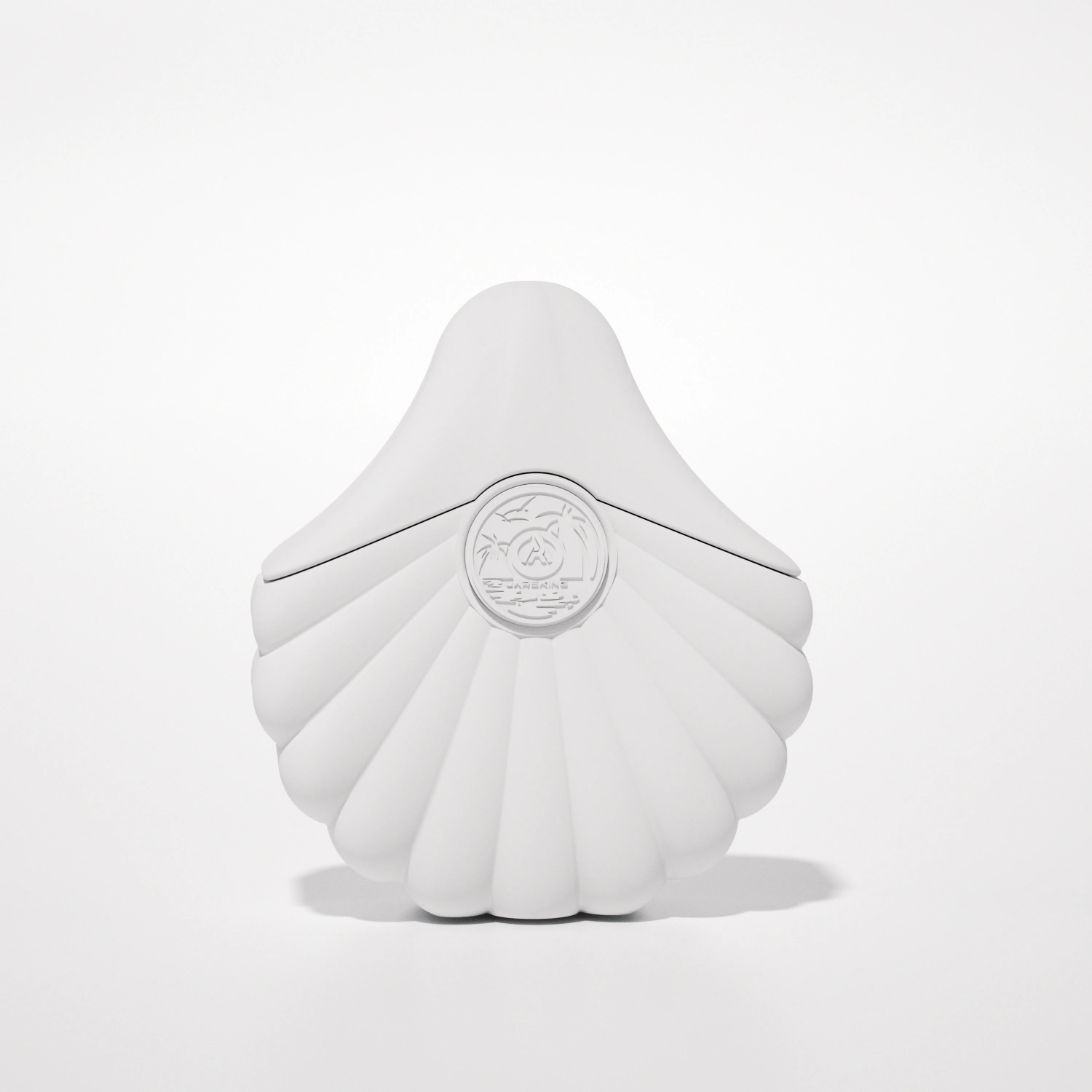
Jarsking covers all cosmetics,cannabis and perfume markets. Ask custom solutions here!
The world’s go-to cosmetic packaging factory for custom branding. Talk to Jarsking Team
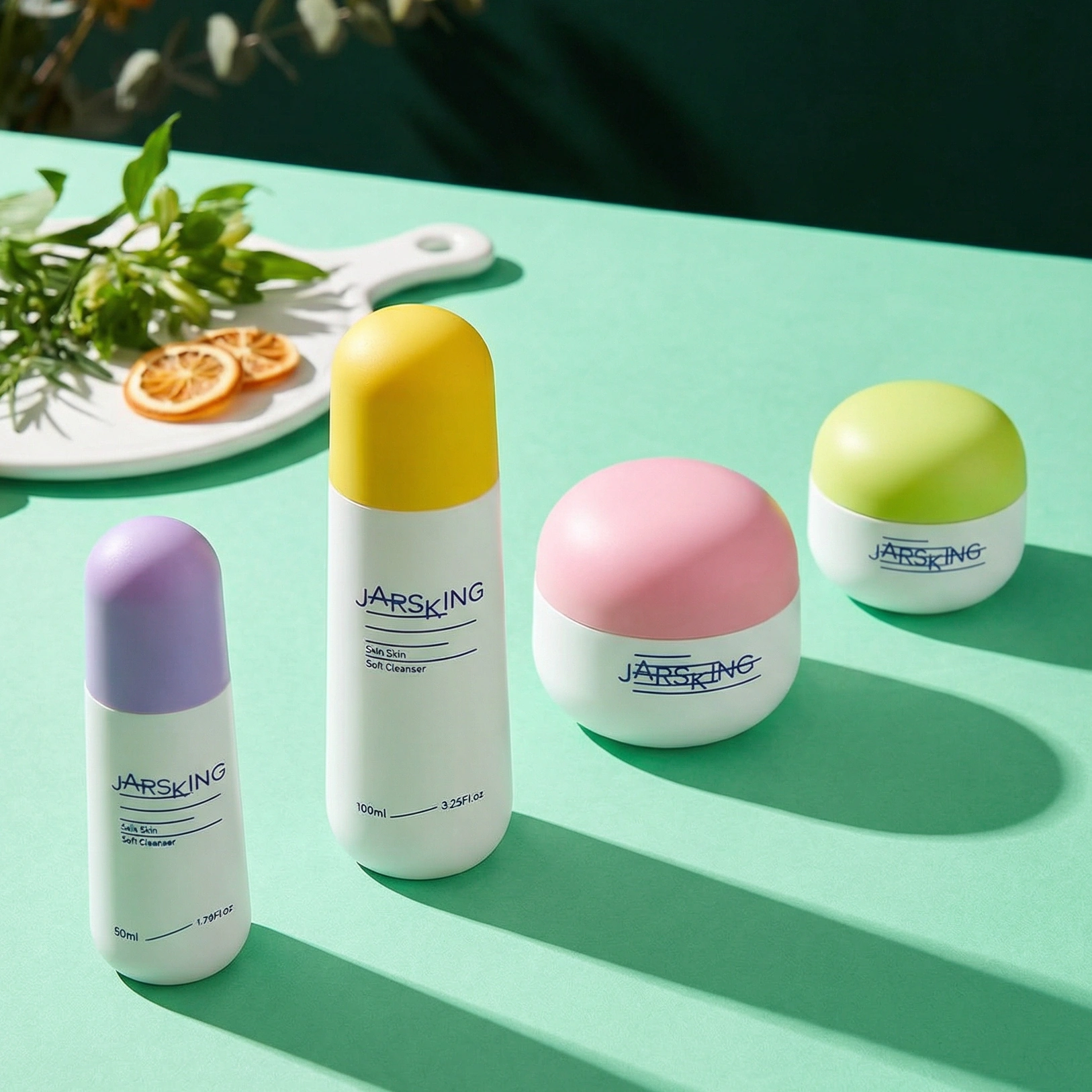
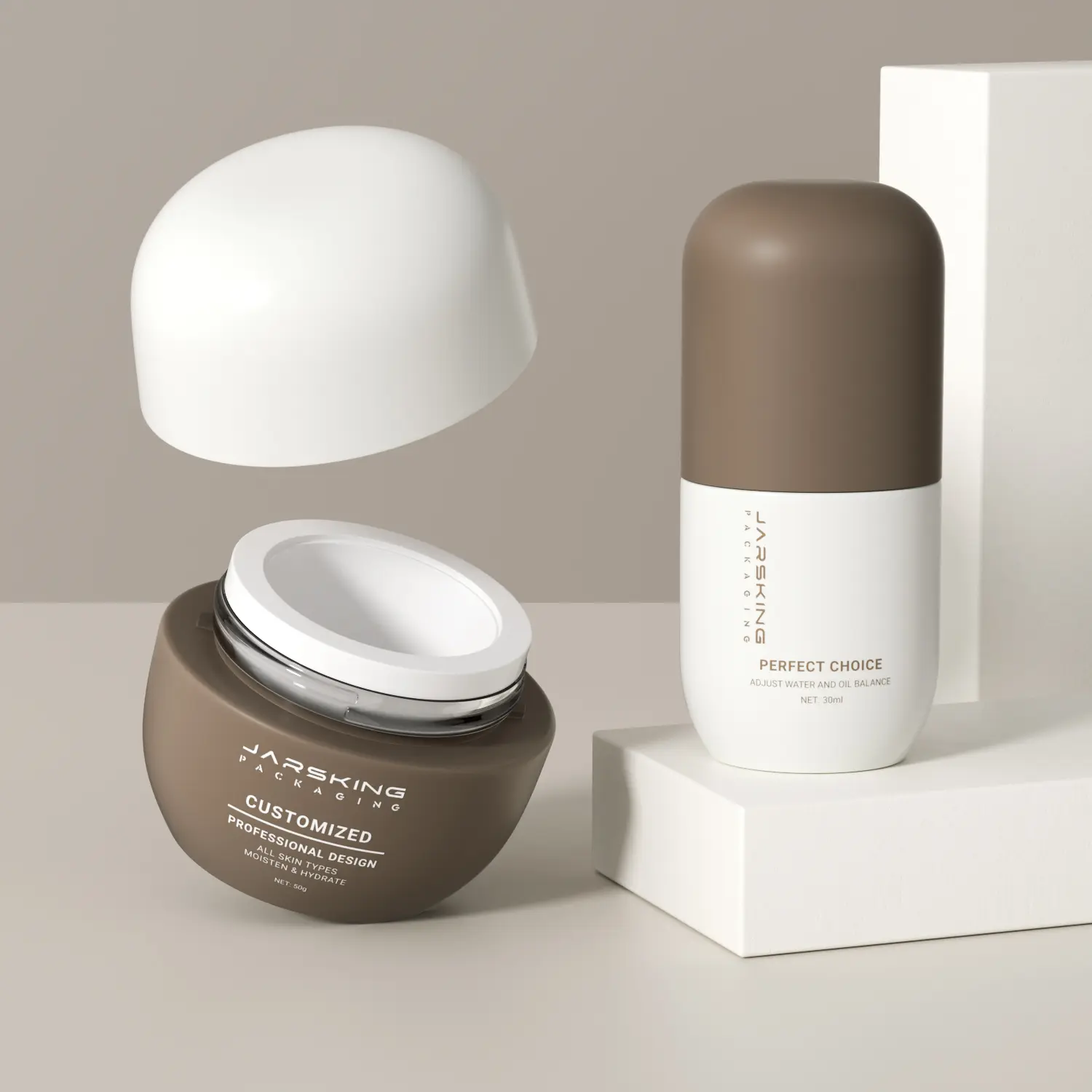
Stop choosing between packaging that performs and packaging that’s sustainable. Jarsking supplies cosmetic brands in 50+ countries with glass, PCR plastic, bamboo, aluminum, and bioplastic packaging — all tested, certified, and ready for your formulation.
Not all “green” packaging is created equal. The wrong material choice can compromise your formulation, frustrate customers, or fail sustainability audits. Real eco-friendly packaging addresses four critical factors:
Chemical interactions between materials and active ingredients can alter efficacy, color, or stability. We provide material compatibility guidance for pH-sensitive formulations to photosensitive actives.
Packaging format must match how consumers use your product. Serums need precision dispensing, body lotions require one-handed operation, and powders demand airtight protection.
In crowded retail environments, packaging communicates brand values and quality positioning. Premium formulations deserve premium sustainable presentation that justifies price points.
Different markets face different regulatory requirements. We provide comprehensive certifications (ISO9001, REACH, ROHS, BSCI) and regulatory expertise across major markets.
Each material offers unique benefits for formulation protection, brand positioning, and environmental impact. Select the right solution for your product line.
Premium glass containers deliver luxury aesthetics while providing infinite recyclability without quality degradation. Chemically inert with zero leaching risk, protecting sensitive formulations.
Ideal for: Serums, facial oils, luxury creams, perfumes, treatment ampoules, refillable systems
Post-consumer recycled plastic reduces virgin plastic demand while maintaining clarity and durability equivalent to virgin materials. Lower carbon footprint supports clean beauty positioning.
Ideal for: Daily moisturizers, body lotions, shampoos, eco-conscious mass-market brands, DTC beauty lines
PLA (Polylactic Acid) bioplastic is derived from renewable plant sources like corn starch or sugarcane. Requires industrial composting facilities to break down—not suitable for home composting.
Ideal for: Travel sizes, trial kits, short-shelf-life products, cool-climate markets
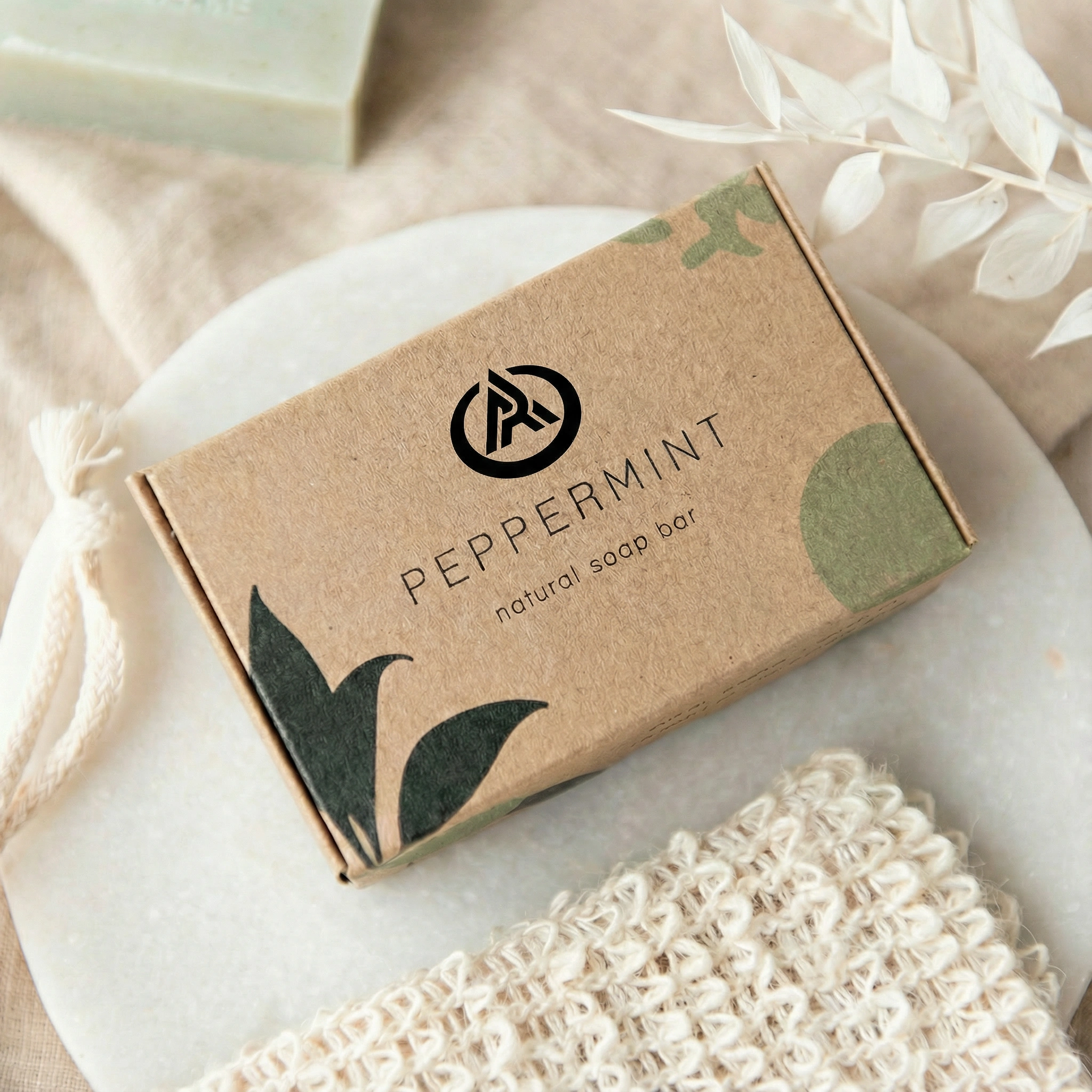
Bamboo packaging combines rapid renewability with natural antimicrobial properties. Absorbs more CO₂ during growth than hardwood trees, making it carbon-negative.
Ideal for: Natural skincare brands, balms, solid perfumes, cream jars, organic positioning, refillable compacts
Aluminum packaging delivers premium aesthetics with the highest material recycling rate globally. Excellent barrier properties protect formulations from light, oxygen, and moisture.
Ideal for: creams, lip balms, travel sizes, solid perfumes
FSC-certified paper packaging from responsibly managed forests provides biodegradable secondary packaging that reduces overall environmental impact and shipping weight.
Ideal for: Luxury outer packaging, gift sets, e-commerce shipping boxes, seasonal collections, brand storytelling
Calcium carbonate (CaCO₃) filled polypropylene reduces plastic content by up to 40% while improving mechanical properties. Acts as functional mineral filler that enhances packaging performance.
Ideal for: Cream jars, powder compacts, durable closures, hot-fill applications, cost-effective sustainability improvements
Sustainability extends beyond material choice. The right packaging system can reduce waste by 70-85% while protecting formulations and building customer loyalty. Two proven approaches—replaceable systems and airless technology—demonstrate how intelligent design creates circular economies and extends product life.
Switching to sustainable packaging doesn’t have to be complicated. Here’s exactly what working with Jarsking looks like — from your first inquiry to a long-term packaging partnership.
Share your formulation type, sustainability goals, target market, and annual volume. Our packaging specialists match you with the 2~3 materials most likely to perform for your product — and flag any formulation compatibility risks before you commit.
Receive physical material samples and, where needed, a functional 3D-rendered prototype. Test the material with your formulation, evaluate the aesthetic, and confirm closure performance before any tooling investment is made.
Your selected material-formulation combination undergoes QC testing — including compatibility, drop, UV aging, and torque testing. Full test reports and certification documents are prepared for your compliance team.
Approved samples move to production with your custom decoration, branding, and finishing. Pre-shipment inspection is conducted before every order leaves our facility, so what you approved in sampling is exactly what arrives at your warehouse.
Our relationship doesn’t end at delivery. Your dedicated account manager schedules a post-launch review 30 days after your first shipment to address any real-world performance feedback and confirm product-packaging alignment.
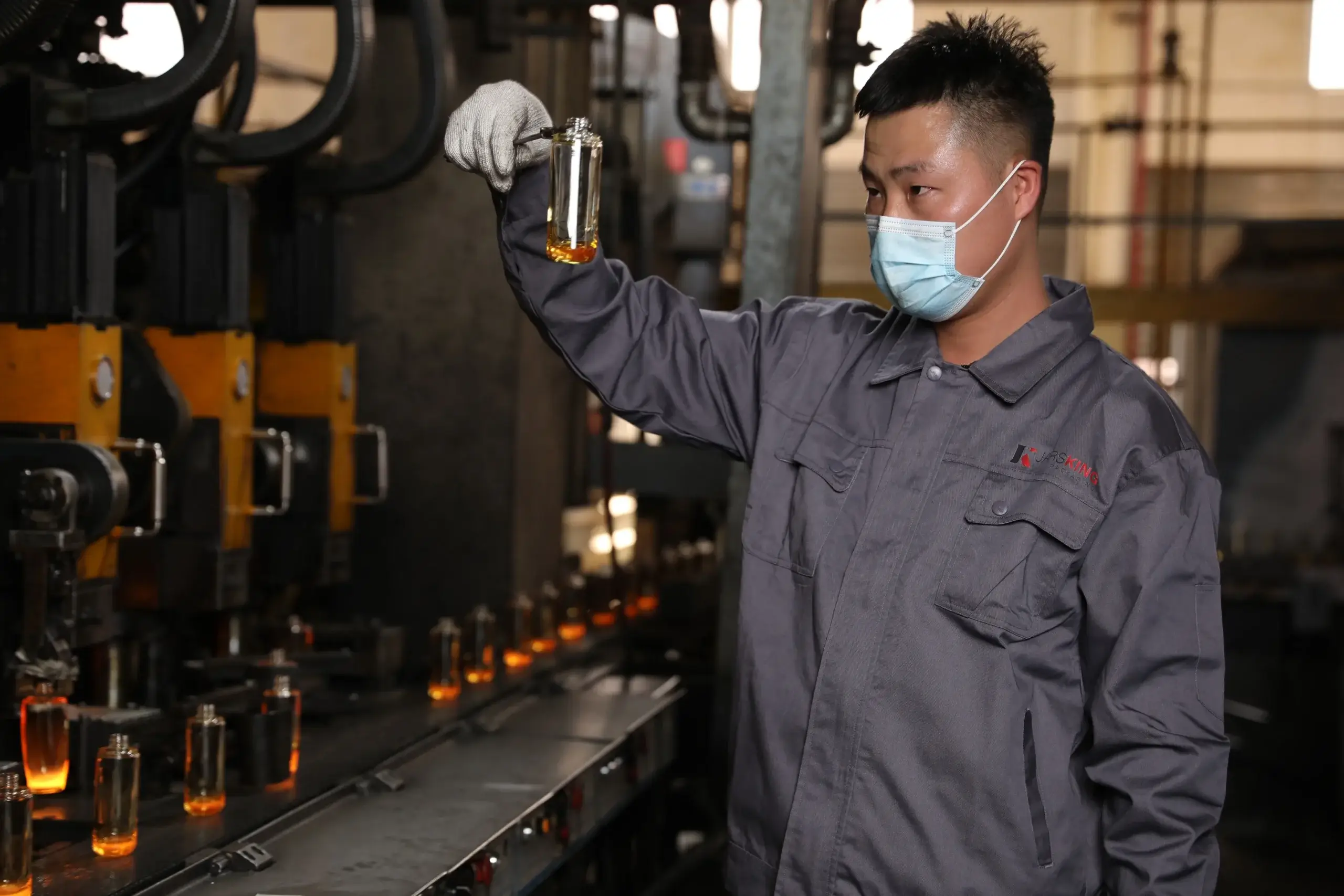
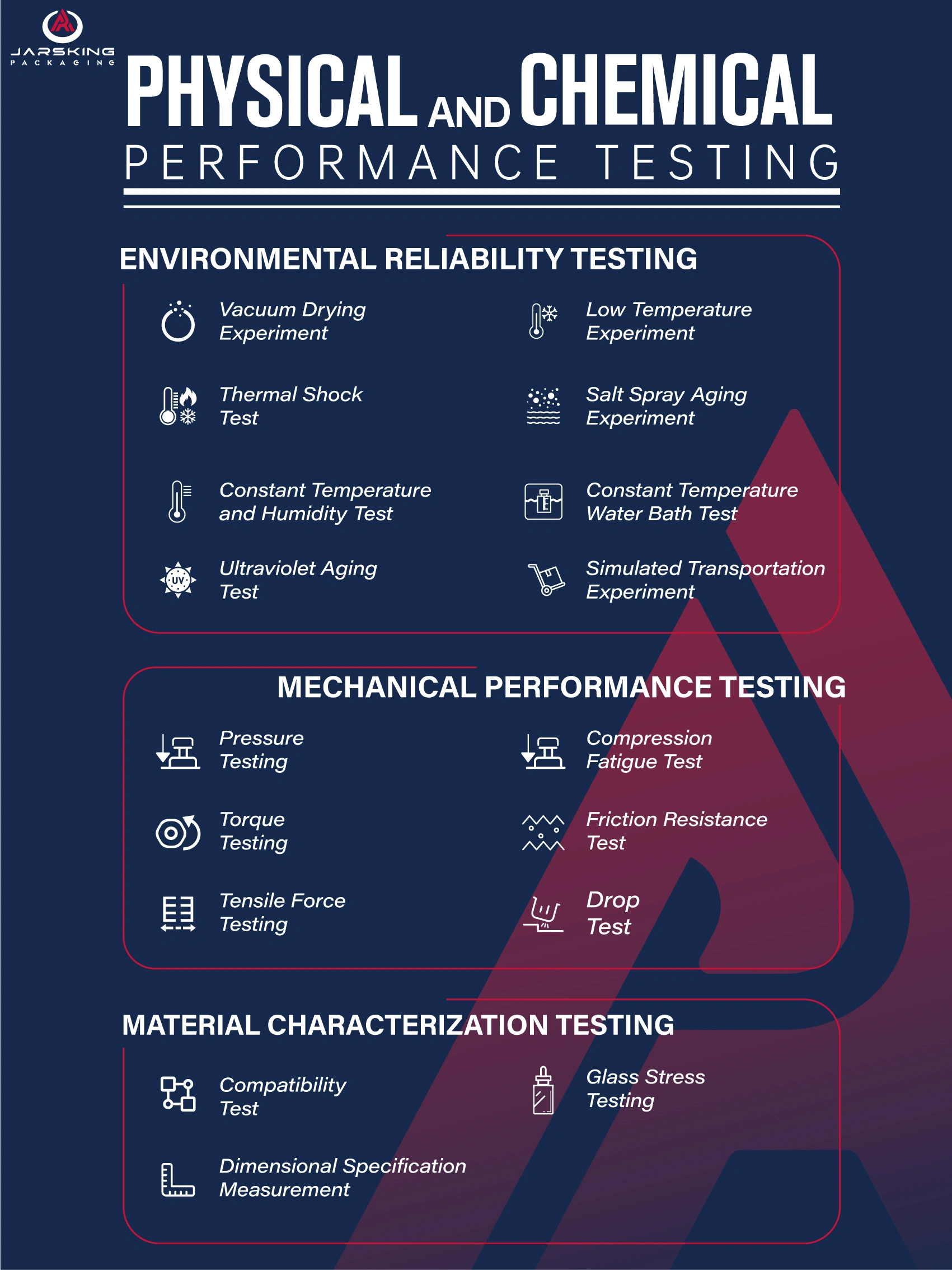
Choosing sustainable packaging introduces a new layer of performance risk. Recycled content, plant-based polymers, and natural materials behave differently from conventional options — under UV light, humidity, temperature stress, and direct formulation contact. Every eco material Jarsking supplies is put through a rigorous physical and chemical testing protocol before it is approved for production.
Eco materials are more UV-vulnerable than virgin plastics — this test proves yours won’t fail on shelf. PCR plastic, PLA bioplastic, and bamboo-composite packaging are exposed to concentrated UV radiation cycles that simulate months of sunlight exposure in compressed time. We measure color fading, surface chalking, structural weakening, and closure integrity before and after exposure.
Why it’s critical for eco materials:
PCR plastic contains recycled polymers with variable UV stabilizer levels — this test confirms batch-to-batch consistency
PLA bioplastic can become brittle under prolonged UV exposure if not correctly formulated
Bamboo-composite surfaces are prone to bleaching and micro-cracking under UV without proper sealing
Pass criteria: No visible discoloration, no measurable loss of tensile strength, and no compromise to closure torque after the full UV exposure cycle.
Temperature swings during global shipping are one of the most overlooked failure risks for eco packaging. Materials are cycled rapidly between extreme heat and cold to simulate the journey from a tropical distribution center to a refrigerated retail environment. Glass, aluminum, PLA, and PCR plastic are all evaluated for cracking, seal failure, and structural deformation.
Why it’s critical for eco materials:
PLA bioplastic has a lower heat deflection temperature than conventional plastics — thermal shock testing confirms it won’t warp in warm transit conditions
Glass is highly susceptible to thermal shock cracking; this test validates wall thickness and annealing quality of each batch
Aluminum tubes must maintain their rolled-edge seal integrity across temperature extremes
Pass criteria: Zero cracking, no delamination, no leakage, and no visible warping after a complete hot-to-cold thermal cycling sequence.
Natural and recycled materials are more moisture-sensitive than conventional plastics — this test sets the baseline. Bamboo, FSC-certified paper secondary packaging, and CaCO₃-blended PP are held at sustained high-temperature and high-humidity conditions to assess moisture permeability, dimensional stability, surface delamination, and label adhesion performance.
Why it’s critical for eco materials:
Bamboo and FSC paper are hygroscopic — they absorb ambient moisture, which can cause warping, swelling, or mold growth if not properly sealed or coated
CaCO₃ PP (stone paper) must maintain its dimensional stability under humidity to ensure consistent closure torque
PCR HDPE barrier performance must be validated against virgin HDPE benchmarks, as recycled content can introduce micro-permeability
Pass criteria: Zero dimensional distortion beyond tolerance, no surface delamination, stable closure torque readings before and after conditioning.
Eco-friendly materials are often chosen partly for their lighter shipping weight — but lightweight must never mean fragile. Using vibration tables and standardized drop-sequence protocols modeled on road, air, and last-mile courier conditions, this test validates that every eco material survives the full logistics journey without structural failure or seal compromise.
Why it’s critical for eco materials:
Glass, while infinitely recyclable, has a higher breakage risk during transit than plastic — this test validates wall thickness and carton protection specifications
PCR plastic and PLA containers must absorb the same transit stress as their virgin counterparts, at equivalent wall thicknesses
Bamboo-composite lids and closures are tested for hinge and thread integrity across the full drop sequence
Pass criteria: No breakage, no leakage, no closure failure, and no cosmetic damage across all simulated transit orientations.
A single drop in a consumer’s bathroom should never end in a broken product — regardless of how sustainable the material is. Packaging units are dropped from standardized heights onto hard surfaces at multiple orientations — base, side, shoulder, and closure — to assess impact resistance and post-drop seal integrity.
Why it’s critical for eco materials:
Glass requires validated wall thickness and base geometry to absorb impact without shattering
PLA bioplastic is more brittle than ABS or PP at low temperatures — drop testing is conducted across both ambient and cold conditions
Refillable systems (pumps, airless dispensers) must maintain full mechanical function after the drop sequence, since they are designed for repeated long-term use
Pass criteria: No fractures, no lid separation, no pump or dispenser failure, and no formulation leakage across all drop orientations.
Aluminum packaging destined for humid or coastal retail markets must prove its corrosion resistance. The Salt Spray Aging Experiment subjects aluminum tubes, bottles, and caps to a continuous saline mist environment to evaluate surface corrosion, coating adhesion, and print durability over an accelerated time period.
Why it’s critical for eco materials:
Aluminum is the most recyclable material in our portfolio — but its surface coating and anodization must hold up under marine or high-humidity retail conditions
Surface decoration (hot stamping, silkscreen, lacquer coating) on aluminum must remain intact; peeling or blistering under salt spray is a fail
Pass criteria: No base metal corrosion, no coating delamination, and no print degradation after the full salt spray exposure cycle.
Eco materials must maintain structural integrity under the pulling and stretching forces they experience in daily use. Tensile Force Testing measures how much force is required to separate a container from its closure, pull apart a laminate layer, or stretch a flexible tube wall to its breaking point. This test is especially important for materials with variable batch-to-batch consistency, such as PCR plastic.
Why it’s critical for eco materials:
PCR plastic has variable polymer chain lengths depending on the recycled feedstock — tensile testing confirms consistent structural performance across batches
PLA bioplastic has a lower elongation-at-break than conventional PET; tensile testing validates it meets the minimum threshold for pump and dropper bottle applications
FSC-certified paper components used in secondary packaging must achieve minimum tear resistance to protect primary containers in transit
Pass criteria: All tensile and elongation values meet or exceed the minimum specification defined for the material grade, across a statistically valid sample size per batch.
The most dangerous failure in eco packaging is invisible: your formulation slowly reacting with a recycled or bio-based material. Your actual formulation — or a certified benchmark equivalent — is placed directly inside the selected eco material and held at accelerated temperature conditions for 3 to 6 months. Both the packaging and formulation are evaluated at regular intervals.
Why it’s critical for eco materials:
PCR plastic may contain trace residual contaminants from previous use cycles that can interact with active ingredients — particularly AHAs, retinols, and essential oils
PLA bioplastic has different chemical resistance properties from PET; it performs well with water-based formulations but requires validation with oil-rich or high-concentration actives
Bamboo-composite packaging must be confirmed to have zero tannin migration into formulations in contact with the inner liner
Monitored parameters: pH, color, odor, viscosity, active ingredient concentration, and visible material changes.
Pass criteria: Zero measurable change in formulation integrity; no visible material swelling, softening, or leaching after the full test duration.
A 0.1mm deviation in a recycled-material bottle neck can make your closure incompatible across your entire production run. Using precision measurement instruments including Coordinate Measuring Machines (CMM) and optical comparators, every critical dimension — neck diameter, wall thickness, height, and thread pitch — is verified against approved engineering drawings before production approval.
Why it’s critical for eco materials:
PCR plastic and CaCO₃ PP can exhibit slightly different shrinkage rates than virgin materials during molding — dimensional verification catches this before tooling is committed
Bamboo-composite components have natural dimensional variability that must be controlled to tight tolerances for consistent closure function
Refillable systems demand the tightest dimensional control of any packaging format — because the consumer will re-insert a refill pod hundreds of times over the product’s life
Pass criteria: All critical dimensions fall within ±tolerance specifications. Cpk values confirm process capability is maintained at production scale.
Most frequent questions and answers regarding Eco-Friendly Packaging
We provide 30% to 100% PCR (post-consumer recycled) content depending on your sustainability goals and product requirements. Higher PCR percentages work best for opaque packaging or brands with strong sustainability positioning. We recommend 50% PCR as the optimal balance between performance, cost, and environmental impact for most beauty brands.
Yes. Our bamboo components feature a food-grade water-resistant coating that protects against moisture while maintaining biodegradability. This coating creates an effective barrier for cream jars, balm containers, and solid perfume compacts. The treatment withstands normal bathroom humidity and product contact without compromising bamboo’s natural antimicrobial properties or end-of-life biodegradability.
We use BPA-free epoxy lining on all aluminum cosmetic containers, creating a protective barrier that ensures compatibility with skincare, fragrance, and personal care formulations. This lining prevents direct contact between aluminum and product, eliminating reactivity concerns while maintaining aluminum’s excellent barrier properties. The lining is tested for compatibility with acidic, alkaline, oil-based, and water-based formulas.
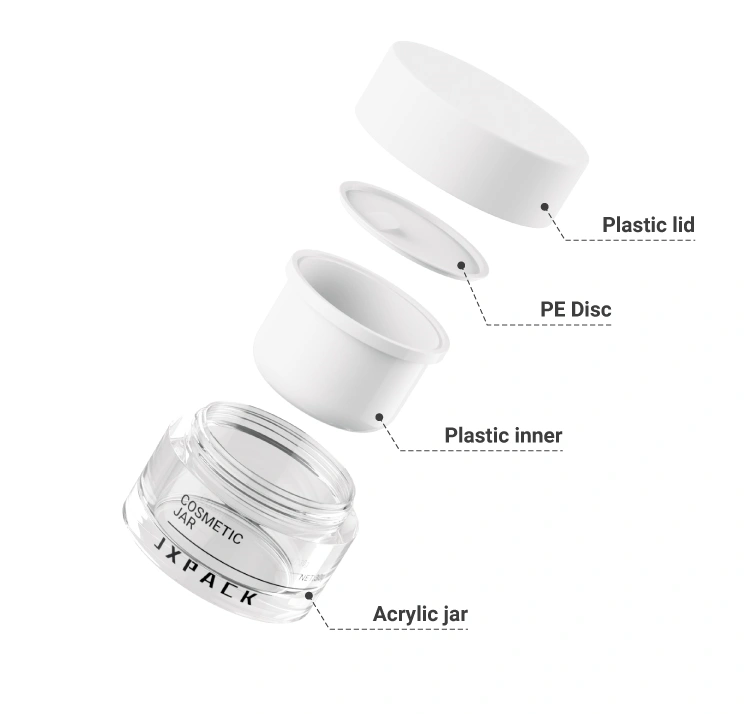
Yes. Refillable systems require engineering both the permanent outer component and replaceable inner cartridge with precise tolerances for secure fit and easy consumer replacement. Initial mold investment is higher, but the system creates long-term value through customer retention and reduced per-unit packaging costs.
We provide 1-hour 3D rendering and 15-day prototyping to test fit and function before full mold production. Our 30,000+ existing molds include refillable system templates that can reduce development time.
Calcium carbonate filled polypropylene typically reduces plastic content by 30-40% by weight, replacing petroleum-based polymer with mineral filler. CaCO₃ is abundant, non-toxic, and adds white opacity without additional colorants, making it an effective functional filler for jars, compacts, and closures.
It depends on use case. Glass has higher production and shipping emissions but infinite recyclability. PCR plastic is lighter (lower transport impact) but degrades after 1-2 recycling cycles. Glass wins for refillable systems and luxury retail; PCR excels for lightweight e-commerce and cost-sensitive applications.
Whether you’re switching from conventional materials or launching an eco-first brand from scratch, our team guides you from material selection to first shipment — with full certification documentation, QC test reports, and dedicated after-sales support every step of the way.
17th Floor, East Tower, Building 2,
Yiyun Tech Innovation Center,
No. 33-13, Jinshi Third Road, Dayuan Street,
Baiyun District, Guangzhou City,
Guangdong Province, China
Office 10, 24th Floor,
The One Tower,
943 Sheikh Zayed Road,
Barsha Heights (Al Thanyah First),
Dubai, United Arab Emirates
© Copyright 2026 Jarsking Packaging All Rights Reserved.