






The Old Guard: Why the Traditional Perfume Model is Broken
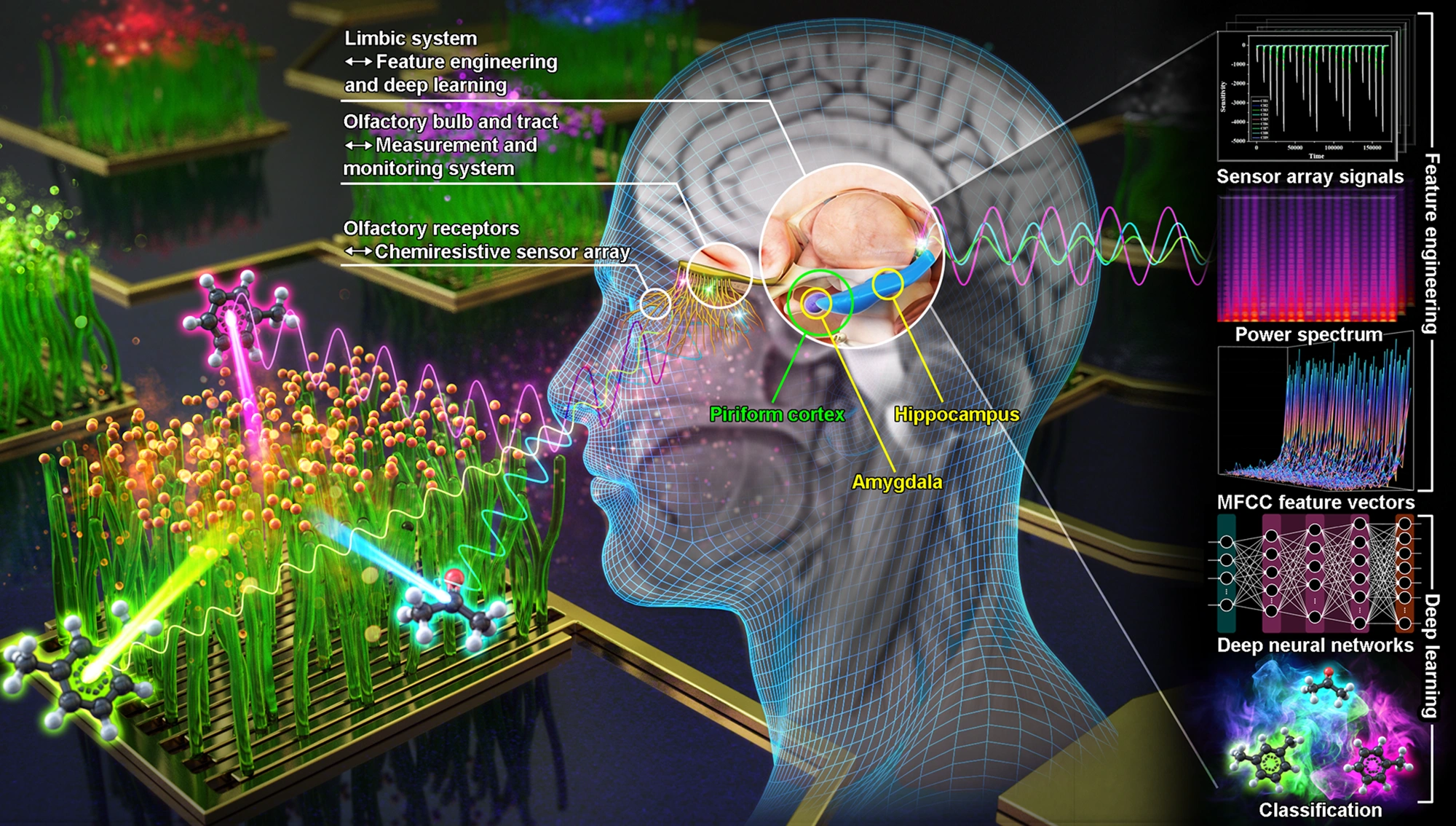
The Algorithmic Perfumer: How AI Learns to 'Smell'
The AI's Toolkit
The Process: From Data to Dropper
- The Input (The Brief): The process begins with a detailed brief, which serves as the input for the AI. This is far more specific than a traditional marketing concept. It might be, “Create a fragrance for a 30-year-old female architect in Brazil who enjoys the smell of petrichor (rain on dry earth), values sustainability, and wants a scent that feels confident but not overpowering for the workplace.”
- The Analysis (Finding Patterns): The AI parses this complex brief and cross-references it with its vast database. It identifies correlations: the architect’s profession might correlate with a preference for clean, structural notes like vetiver or concrete accords. The love for petrichor points to geosmin and patchouli. The Brazilian location suggests a need for a formula that performs well in high heat and humidity. “Confidence” might be linked to certain woody or spicy notes that have high ratings in that category from consumer reviews.
- The Generation (Proposing Formulas): The generative algorithm then produces hundreds, or even thousands, of potential formulas. Each one is a complete recipe, specifying the exact proportions of each ingredient. The AI scores each proposed formula based on its predicted success against the initial brief’s parameters—how closely it matches the target profile, its projected appeal, its novelty, and its cost.
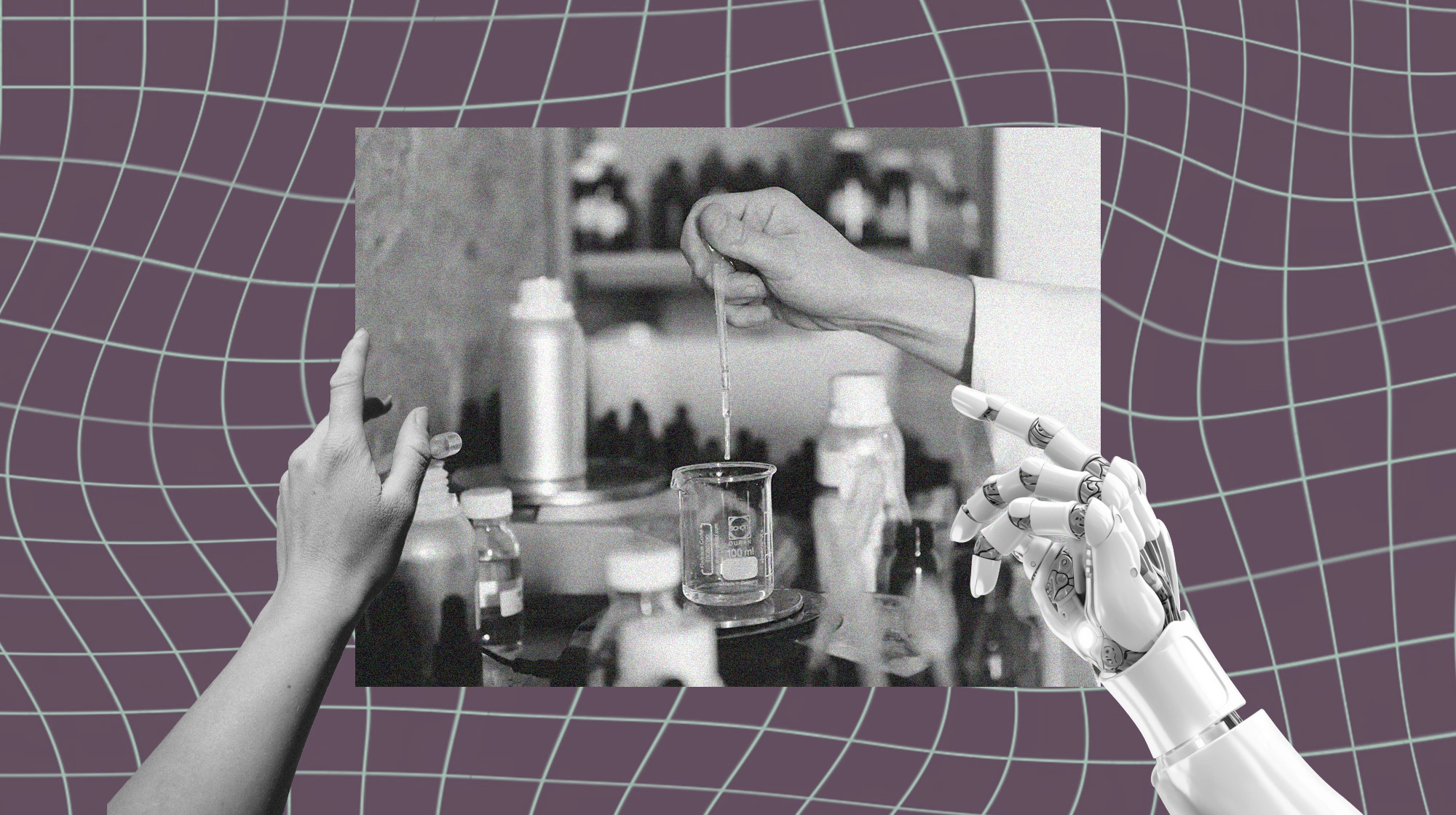
- The Refinement (The Human Touch): The AI presents its top-ranked formulas to a master human perfumer. This is a critical step where art re-enters the process. The perfumer acts as a creative director, evaluating the AI’s suggestions. They might see a combination that is technically perfect but lacks an emotional “sparkle.” They can then take the AI’s innovative blueprint and provide the final artistic touch—tweaking a proportion, adding a surprising top note, or smoothing a transition to perfect the final composition. This symbiotic relationship elevates the creative process, using AI to explore a wider creative landscape and freeing the human perfumer to focus on nuance and artistry.
The Data of You: The Inputs for Your Digital Scent Profile
Hyper-personalization is fueled by data. For AI to craft a scent that is uniquely yours, it must first understand who you are. This understanding is built from a fascinating mosaic of psychological, aesthetic, and even biological information. These data streams become the inputs for creating your digital scent profile, the blueprint for your one-of-a-kind fragrance.
The Psychological Profile: Capturing Mood and Personality
Interactive Questionnaires: This is the most established method for capturing your psychological fingerprint. Brands like Scentee and Alchemistix have developed sophisticated, algorithm-driven quizzes. They go far beyond “Do you prefer floral or woody?” Instead, they ask evocative, abstract questions designed to reveal deeper preferences:
- Which texture do you prefer: smooth silk, rough linen, or soft cashmere? (This can correlate to preferences for smooth, aldehydic notes vs. earthy, textured ones like oakmoss).
- What time of day do you feel most creative? (Morning creativity might point to bright citrus notes, while nighttime inspiration could suggest deeper, resinous scents like frankincense).
- Describe your ideal vacation: a bustling city adventure, a quiet forest retreat, or a sun-drenched beach?
- What is your most cherished memory associated with a smell?
Image and Mood Board Analysis: A picture is worth a thousand data points. Some platforms invite users to upload images that resonate with them—a favorite piece of art, a photograph of a beloved landscape, or a curated mood board from Pinterest. The AI uses image recognition to analyze these visuals for key characteristics:
- Color Palette: A board dominated by muted greens and browns might lead the AI to propose green, earthy, and mossy fragrances. A vibrant palette of pinks and oranges could suggest fruity-floral or gourmand notes.
- Mood & Style: The AI can differentiate between the mood of a minimalist, black-and-white architectural photo (suggesting clean, mineralic, or woody notes) and a chaotic, colorful abstract painting (suggesting a more complex, avant-garde composition).
Biometric Feedback (The Cutting Edge): The next frontier is passive data collection via wearables. Imagine a service that links to your health data from a smartwatch or smart ring. The AI could analyze your physiological patterns over time to build a dynamic scent profile.
- Stress Levels: If your data shows high cortisol and low Heart Rate Variability (HRV), the AI might learn you respond well to calming ingredients. It could then formulate a scent rich in lavender, chamomile, or sandalwood.
- Energy & Activity: High activity levels and consistent sleep patterns might correlate with a preference for energizing, invigorating scents featuring citrus, ginger, or mint.
- The ultimate vision is a scent that subtly adapts. The core fragrance remains the same, but a “booster” accord could be introduced based on your real-time biometric state, offering a touch more calm or energy precisely when you need it.
The Biological Blueprint: Scent and Your DNA
The Science (Simplified): Our sense of smell is governed by a large family of genes known as Olfactory Receptor (OR) genes. Think of these receptors as millions of tiny, specialized “locks” lining our nasal passages. When a scent molecule—the “key”—drifts by, it will only be detected if it fits a specific lock. Crucially, every person has slight variations, or polymorphisms (SNPs), in their OR genes. This genetic variance is why the same molecule can smell drastically different to different people. It’s why some people find the smell of cilantro to be fresh and green, while for others, a specific OR gene variation makes it smell overwhelmingly “soapy.”
The Process: Companies pioneering this space, like My Scent ID, offer a simple, non-invasive process. The consumer provides a saliva sample via a home testing kit. This sample is sent to a lab where genetic sequencing is performed to identify key SNPs within that individual’s family of OR genes.
The AI’s Role: This genetic data is the final, powerful input for the algorithmic perfumer. The AI accesses a proprietary database that links specific genetic markers to known perceptions of various fragrance ingredients.
- Example: The AI might detect a genetic variation that makes you hypersensitive to indolic notes (found in some white florals like jasmine), which can smell overly fecal or mothball-like to those with the marker. It will then intelligently avoid or use very low doses of these materials in your formula.
- Conversely, it might identify a marker that makes you less sensitive to certain musks, meaning a higher dose is required for you to perceive the intended “clean skin” effect.
Managing Expectations: It’s vital to understand that this is an emerging and probabilistic science. DNA analysis doesn’t offer a deterministic guarantee of a “perfect” scent. There are hundreds of OR genes, and environmental factors, culture, and memory play a massive role in shaping our preferences. However, by analyzing your unique biological blueprint, the AI can filter out ingredients you are genetically predisposed to dislike and amplify those you are likely to perceive as pleasant. It’s not about finding a magic formula; it’s about using science to dramatically increase the odds of a perfect match.
Beyond the Bottle: Smart Packaging as the Final Layer of Personalization
In the age of hyper-personalization, the experience cannot end with the fragrance itself. It would be a profound disconnect to house a deeply personal, data-driven scent inside a generic, mass-produced bottle. The packaging must evolve from a mere container into an integral part of the bespoke narrative, serving as the physical embodiment of the digital creation process. Smart, personalized packaging is the final, tangible layer that completes the experience.
Elements of Personalized Packaging Design
Visual Customization:
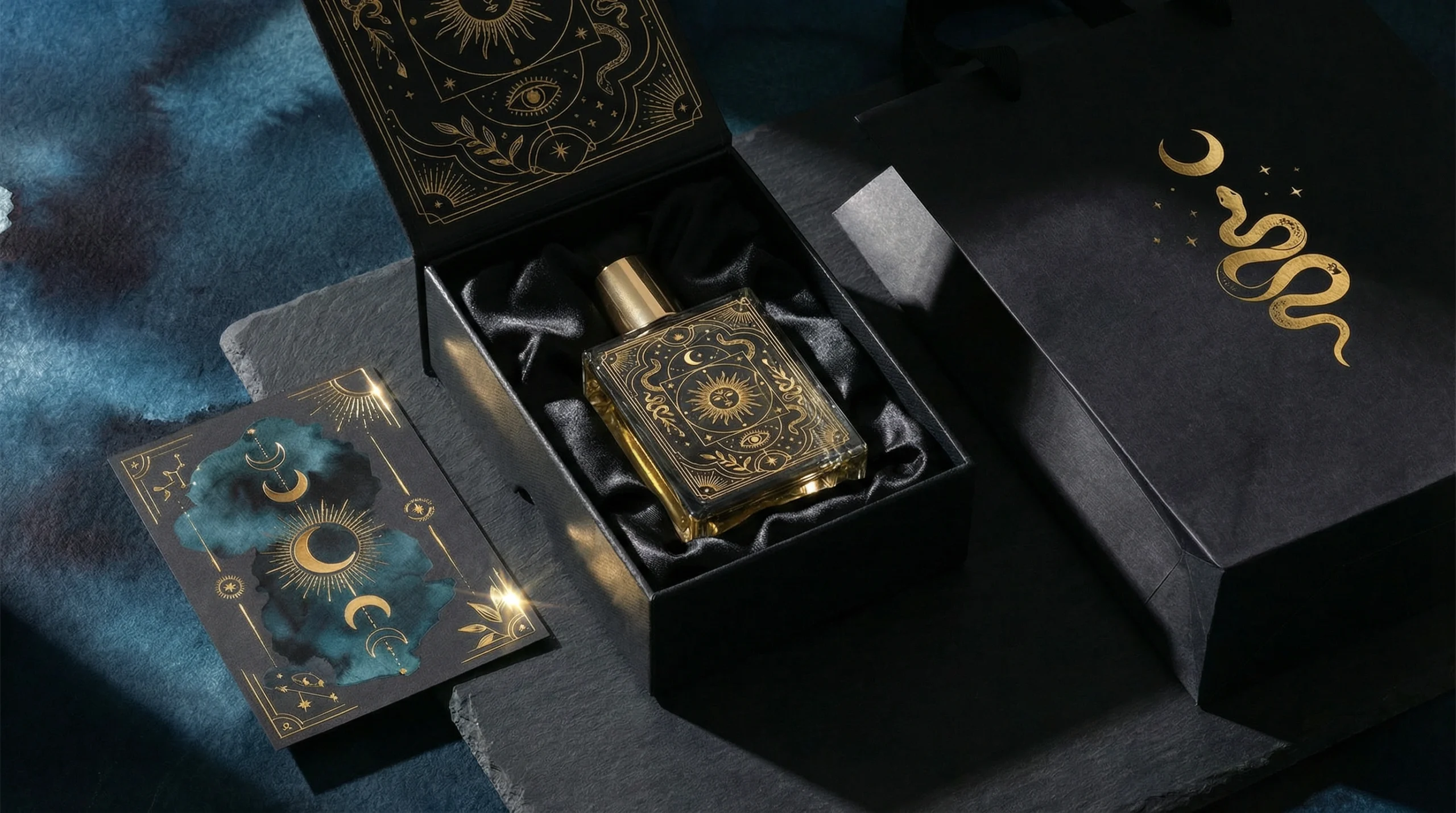
- Algorithmic Artistry: The box or label can feature a unique, algorithmically generated pattern derived directly from the user’s data inputs. The visual complexity, color palette, and line work could be a direct representation of their personality profile, ensuring no two boxes are ever exactly alike.
- Engraved Narratives: The bottle itself can be laser-engraved with more than just a name. It could be a significant date, a GPS coordinate of a meaningful place, or a short mantra that the AI derived from the user’s personality quiz (e.g., “Inspired by Quiet Confidence”).
- Data-Driven Color: The color of the packaging, the cap, or even the tint of the perfume liquid itself could be influenced by the user’s aesthetic preferences identified during the quiz or from their mood board analysis. A user who loves oceanic imagery might receive a fragrance in a sea-blue box with a wave-like pattern.
Interactive and 'Smart' Features
The Scent’s ‘Birth Certificate’: A QR code or NFC (Near Field Communication) chip is elegantly integrated into the packaging or the bottle itself. When scanned with a smartphone, it doesn’t lead to a generic homepage. Instead, it unlocks a private, personalized microsite that tells the story of their scent. This digital experience could include:
- Data Visualization: A beautiful, animated graphic showing how their inputs—”love for coastal walks,” “preference for minimalist design,” “calm personality”—were translated into fragrance notes.
- Ingredient Breakdown: A detailed list of the key top, heart, and base notes, explaining not just what they are, but why they were chosen for that specific user based on their profile.
- The AI’s “Thought Process”: A simplified look into the AI’s decision-making, showing which scent families were considered and why the final composition was selected as the optimal match.
NFC Chip Functionality: Tapping a phone to an NFC chip embedded in the bottle’s cap could trigger a range of seamless actions. This could include a one-tap reordering process, access to exclusive content about new raw materials, or an invitation to an online community where users of bespoke fragrances can share their experiences and scent stories.
The Unboxing as a Ritual
By integrating these elements, the unboxing is transformed from a mundane task into a meaningful ritual. It’s the moment the digital journey becomes a physical reality. The user is not just opening a product; they are unwrapping a story—their own story, told in scent and confirmed in design. The packaging ceases to be disposable wrapping and becomes a keepsake, a memento of the co-creative process. It doesn’t just contain the personalized perfume; it completes its narrative, proving that in the future of luxury, the box is as important as what’s inside.
The Customer Journey: From First Click to First Spritz
- The Digital Consultation & Onboarding: The journey begins not in a store, but on a sleek, intuitive website or dedicated mobile app. The user, let’s call her Anna, is greeted with a compelling interface that invites her to “Discover Your Scent Identity.” Here, she chooses her path. She might opt for the comprehensive experience and order a DNA testing kit to be sent to her home. Or, she could start immediately with the digital-only profile. Anna begins the interactive personality quiz—a series of 20-30 evocative questions. She uploads a few photos from her camera roll: a misty morning hike in the woods, the cover of her favorite minimalist design magazine, and a shot of the ocean at sunset.
- AI Analysis & Data Visualization: Once Anna submits her information (and later, her DNA results are processed and linked to her profile), the “black box” of AI opens up. Instead of a loading bar, she sees a beautiful, dynamic visualization. An animated graphic might show “nodes” representing her inputs—”Forest,” “Minimalism,” “Calm,” “Genetic Marker for Sandalwood Preference”—and lines connecting them to different scent families. She watches as the AI prioritizes certain accords (green, woody, ozonic) and de-prioritizes others (overtly sweet, heavy florals). This transparency is key; it makes Anna feel like a collaborator, not just a customer.
- Scent Recommendation & Refinement: Within a few moments, the AI presents its results. It doesn’t give her one option; it offers a curated trio of “Scent Candidates,” each with a unique name and story.
- Candidate A: “Forest Floor” – Earthy, contemplative, with notes of wet soil, vetiver, and cedar.
- Candidate B: “Coastal Fog” – Mineralic and airy, with sea salt, clary sage, and a touch of juniper.
- Candidate C: “Woodsmoke & Ink” – A more daring proposal, combining smoky birch tar with a metallic ink accord. For each, she can read the full note breakdown and the “Why,” which explains the AI’s reasoning. Anna is drawn to “Coastal Fog” but feels it could be a bit warmer. The interface allows for a final layer of human input. She uses a simple slider to request a slight increase in the “amber/woody” base, giving her a sense of creative agency.
- Robotic Compounding & Creation: Anna confirms her final, slightly tweaked formula. The digital order is sent instantly to a “fragrance lab” or compounding station. Here, precision robotics take over. Robotic arms dispense the exact, microliter quantities of each raw material—from natural oils to specific aroma-chemicals—into a beaker. This automated process ensures unparalleled accuracy, consistency, and purity, eliminating the risk of human error or contamination. The formula is mixed, macerated for a set period, and then bottled.
- Delivery & The Unboxing Experience: A week later, a beautifully designed package arrives. The box itself is a deep blue-gray, with a silver, algorithmically generated pattern reminiscent of sea foam. Inside, the heavy glass bottle is engraved with the name “Coastal Fog” and a small coordinate—the location of the beach from the photo she uploaded. Anna scans the QR code on the bottle’s collar. Her phone opens a webpage showing a visual story of her scent, reminding her of the inputs that led to this moment. She takes the bottle, presses the atomizer, and for the first time, smells a fragrance that is not just something she chose, but something she helped create. The journey is complete.
| Family | Signature Notes | Vibe & Season | Typical Use | Common Hybrids |
| Citrus | Lemon, Bergamot, Neroli, Grapefruit | Zesty, sparkling, clean — best for spring/summer | Unisex | Citrus–Aromatic, Citrus–Floral |
| Green | Galbanum, Green tea, Fig leaf, Mown hay | Crisp, natural, leafy — spring/daytime | Unisex | Green–Floral, Green–Fruity |
| Aquatic (Marine) | Calone, Sea salt, Watery notes | Airy, breezy, ozonic — summer/daytime | Unisex | Aquatic–Citrus, Aquatic–Aromatic |
| Aromatic (Herbal) | Lavender, Rosemary, Sage, Thyme | Fresh, herbal, barbershop — spring/summer | Often masculine/Unisex | Aromatic–Citrus, Aromatic–Fougère |
| Floral | Rose, Jasmine, Tuberose, Peony | Romantic, soft to opulent — all seasons (day/evening variants) | Often feminine/Unisex | Floral–Aldehydic, Floral–Fruity |
| Floral (White) | Tuberose, Gardenia, Orange blossom | Creamy, radiant, heady — spring/summer evenings | Often feminine | White Floral–Amber |
| Fruity | Pear, Peach, Berry, Apple | Juicy, playful, bright — spring/summer | Unisex | Fruity–Floral, Fruity–Gourmand |
| Aldehydic | Fatty aldehydes, Sparkling citrus | Effervescent, soapy, classic — all seasons | Feminine/Unisex | Floral–Aldehydic |
| Musky | White musks, Macrocyclic musks | Clean skin, cottony, soft — all seasons | Unisex | Musky–Floral, Musky–Fruity |
| Woody | Cedar, Sandalwood, Vetiver | Dry, elegant, grounding — all seasons | Often masculine/Unisex | Woody–Aromatic, Woody–Amber |
| Spicy | Cardamom, Cinnamon, Clove, Saffron | Vibrant, exotic, warm — fall/winter | Unisex | Spicy–Amber, Spicy–Woody |
| Amber (Oriental) | Vanilla, Benzoin, Labdanum, Amber accord | Warm, resinous, enveloping — fall/winter & nights | Unisex | Amber–Spice, Amber–Woody |
| Gourmand | Vanilla, Caramel, Tonka, Chocolate | Edible, cozy, sweet — fall/winter & nights | Unisex | Gourmand–Amber, Fruity–Gourmand |
| Fougère | Lavender, Oakmoss, Coumarin, Geranium | Barbershop, clean, classic — all seasons | Often masculine/Unisex | Aromatic–Fougère, Woody–Fougère |
| Mossy (Chypre) | Bergamot, Oakmoss, Patchouli, Labdanum | Earthy, sophisticated, classical — fall/spring | Unisex | Chypre–Floral, Chypre–Fruity |
| Leather | Birch tar, Isobutyl quinoline, Suede facets | Smoky, supple, bold — fall/winter & evenings | Unisex | Leather–Woody, Leather–Amber |
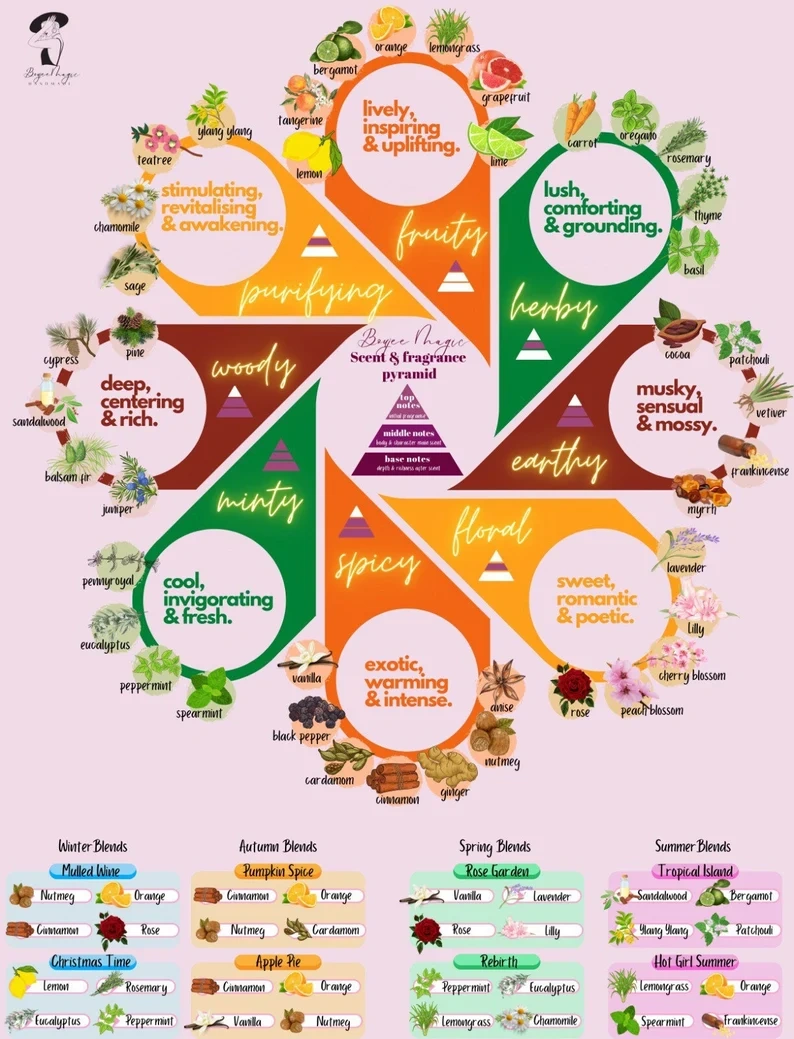
Scent Families Chart
The Scent-scape of Tomorrow: Ethics, Challenges, and Future Horizons
As we stand on the cusp of this olfactory revolution, it’s essential to look beyond the immediate excitement and consider the strategic challenges, ethical questions, and breathtaking future possibilities that this technology brings. The scent-scape of tomorrow will be shaped as much by how we navigate these issues as by the technology itself.
Strategic Considerations & Risks
The Sanctity of Data Privacy: This is, without question, the most critical ethical hurdle. A “scent DNA” profile, combining psychological insights with genetic information, is one of the most intimate datasets imaginable. Who owns this data? How is it stored, encrypted, and protected from breaches or misuse? Consumers will rightfully demand absolute transparency and control over their information. Brands venturing into this space must adopt a “privacy-first” design, ensuring data is anonymized and used only for its intended purpose, or risk catastrophic failure of trust.
The Cost and Accessibility Barrier: Currently, DNA analysis and bespoke AI formulation are expensive, positioning hyper-personalized fragrance as a niche luxury. The key challenge will be scalability. Can these processes be streamlined and automated to the point where a custom-coded scent is accessible to a broader audience? The trajectory of other personalized technologies suggests that costs will fall over time, but the industry must consciously work to democratize the technology to avoid creating a new form of olfactory class divide.
The Evolving Role of the Human Perfumer: A persistent fear is that AI will render the artisan perfumer obsolete. This is a fundamental misunderstanding of its role. AI is not a replacement for human creativity; it is a creative accelerant. The algorithmic perfumer can handle the laborious tasks of data analysis and formula optimization, exploring thousands of possibilities in seconds. This frees the human perfumer to operate at a higher, more strategic level—to act as an editor, a curator, and an artist who provides the final, unquantifiable spark of soul. The future lies in collaboration, not replacement; AI is the ultimate co-pilot for the human artist.
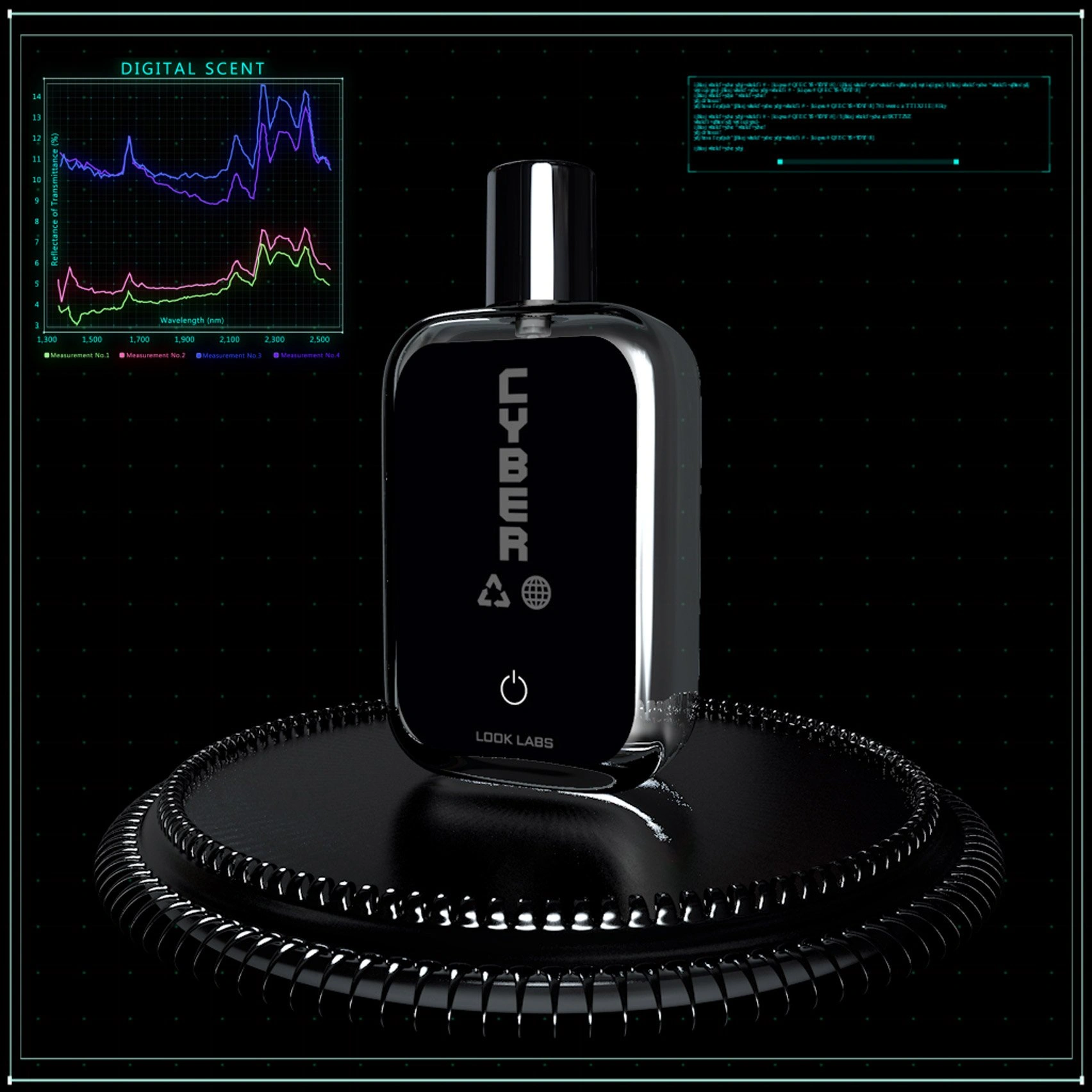
Future Glimpses: What's Next?
Real-time Scent Adjustment: Imagine a smart atomizer, connected via Bluetooth to your biometric data. This device could hold several core “scent accords” in separate cartridges. Throughout the day, based on data from your smartwatch indicating rising stress or flagging energy, the atomizer could subtly alter the fragrance composition it emits. It might introduce a calming lavender accord during a stressful meeting or a burst of citrus before a workout, providing a responsive olfactory environment tailored to your real-time needs.
Evolving Subscription Models: Your identity is not static, and your scent shouldn’t be either. The future could see “scent wardrobe” subscription services. Every quarter, the AI would re-evaluate your profile—perhaps noting a change in lifestyle, location, or even evolving tastes captured through feedback—and deliver a new, updated fragrance. Your scent would evolve with you, becoming a living chronicle of your life’s journey.
Cross-Sensory Experiences: The potential extends far beyond personal fragrance. AI could become a “sensory composer,” creating scents designed to be paired with other media. Imagine a service that generates a unique fragrance to enhance a specific music playlist on Spotify, a digital art exhibition in the metaverse, or even a fine-dining tasting menu. This cross-modal application could unlock new levels of immersive entertainment and experience design.
Conclusion: Your Identity, Bottled
The world of fragrance is undergoing a paradigm shift of immense proportions. We are moving away from a model where perfume is a mass-produced product and toward a future where it is a deeply personal service, a dynamic form of self-expression coded from our very being. The intersection of artificial intelligence, psychology, and genetics is not stripping the soul from the art of perfumery.
On the contrary, it is giving us the tools to do what was previously impossible: to objectively identify and bottle the unique, intangible essence of an individual. The signature scent is no longer something you find on a shelf; it is something you build, data point by data point, until it becomes an undeniable reflection of you. It is your identity, finally captured in a bottle.
FAQs
An AI “algorithmic perfumer” is trained on vast datasets of fragrance formulas, ingredients, and consumer preferences. It analyzes a user’s unique profile (from quizzes, images, or biometrics) to generate thousands of potential scent formulas, which are then refined by a human perfumer to create the final product.
Yes. Our ability to perceive smells is determined by our Olfactory Receptor (OR) genes. By analyzing a saliva sample, AI can identify genetic variations that make you sensitive or insensitive to certain scent molecules. This allows the AI to select ingredients you are biologically predisposed to find pleasant and avoid those you might dislike.
AI perfume creation uses a mosaic of data. This includes psychological profiles from interactive quizzes and image mood boards, biometric feedback from wearables (like stress levels and heart rate), and even your unique biological blueprint from DNA analysis to understand your genetic predispositions for certain scents.
No. AI is a “creative accelerant” and a collaborative partner, not a replacement. AI handles the heavy data analysis and generates innovative options, freeing the human perfumer to act as a creative director, curator, and artist who adds the final, essential “spark of soul” to the fragrance.