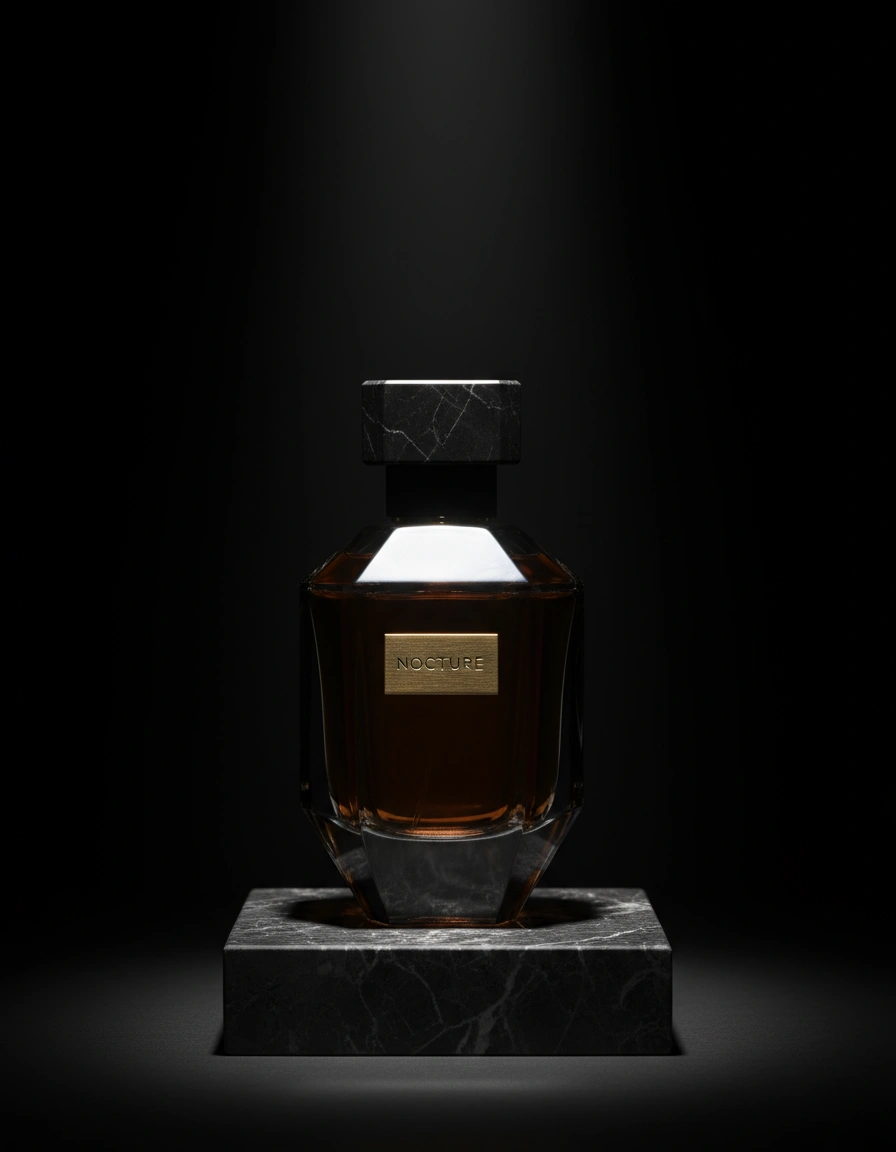




The men’s fragrance market has undergone a profound transformation that extends far beyond the traditional categories of “sporty,” “corporate,” or “seductive.” Today’s landscape represents a sophisticated ecosystem of dozens of distinct sub-tribes, each driven by unique values, aesthetic preferences, and identity markers. The modern male consumer approaches fragrance with an entirely new mindset—he is discerning, knowledgeable, and views scent as a critical tool for self-expression rather than simply a grooming afterthought. Research reveals that almost 45% of men under 45 now use fragrances specifically to express themselves through scent, marking a fundamental shift in how men engage with the category.
For brands operating in this space, fragmentation presents both significant challenges and unprecedented opportunities. The old playbook—featuring a chiseled celebrity in a moody black-and-white advertisement—has lost much of its effectiveness as consumers increasingly seek authenticity and personal resonance over aspirational fantasy. Success in 2025 hinges on building a cohesive and authentic brand story that resonates with a specific consumer archetype, from the scent profile itself to the marketing message and, critically, the physical packaging.
This guide explores three key modern male consumer archetypes that are reshaping the fragrance industry. We will analyze how to align your brand’s core narrative across every touchpoint and demonstrate how strategic packaging acts as the physical embodiment of this story, creating an irresistible and cohesive final product that speaks directly to your target consumer.
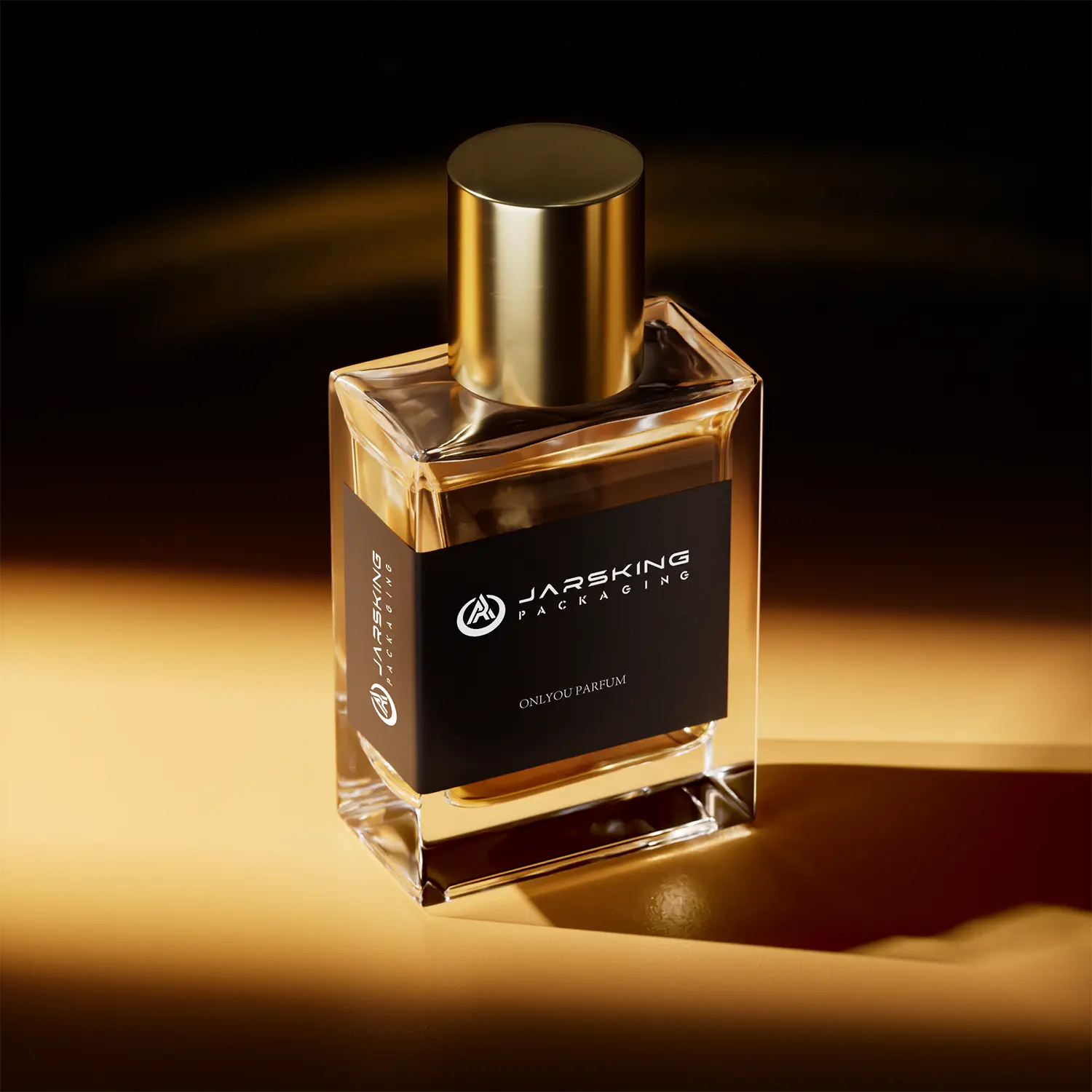
The New Archetypes: Understanding Your Target Consumer
Before you choose a bottle, you must choose your man. The men’s grooming market has evolved beyond simple demographic segmentation into emotionally-driven psychographic profiles that reflect how men view themselves and aspire to be perceived. Understanding these archetypes is the foundation of effective brand strategy in the modern fragrance landscape.
Archetype 1: The Urban Minimalist
His Identity: The Urban Minimalist embodies efficiency, quality, and understated sophistication. He draws inspiration from technology, Scandinavian design principles, and the emerging “quiet luxury” movement that values discernment over ostentation. This consumer approaches grooming with the same thoughtfulness he applies to other lifestyle choices—seeking products that perform flawlessly without demanding attention. He has likely developed minimalist regimens that began during the COVID-19 pandemic and continues to prioritize products that are highly efficacious with proven active ingredients.
His Scent Profile: The Urban Minimalist seeks clean, fresh, and versatile scents that function seamlessly across contexts. He gravitates toward compositions featuring vetiver, bergamot, gin-like botanicals, and clean woods that provide presence without overpowering a room. The fragrance should feel like a natural extension of his personal presentation—noticeable enough to be appreciated but restrained enough to maintain his minimalist aesthetic.
His Brand Story: This archetype responds to narratives centered on precision, intelligent design, and high-performance ingredients. He appreciates brands that communicate their value proposition clearly and substantiate their claims with transparency about sourcing and formulation. Marketing that emphasizes craftsmanship, problem-solving, and thoughtful design resonates far more effectively than emotional appeals or lifestyle fantasies.
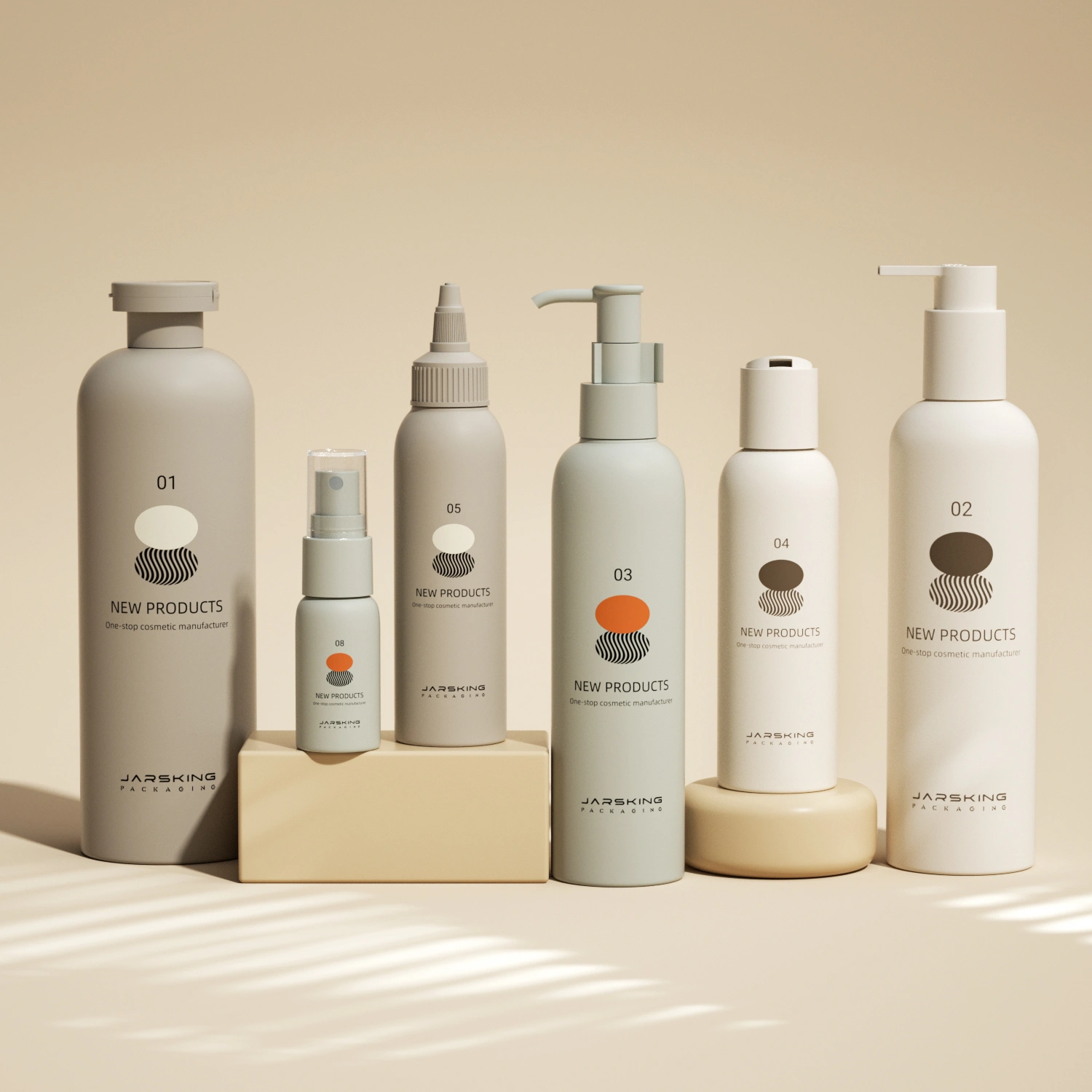
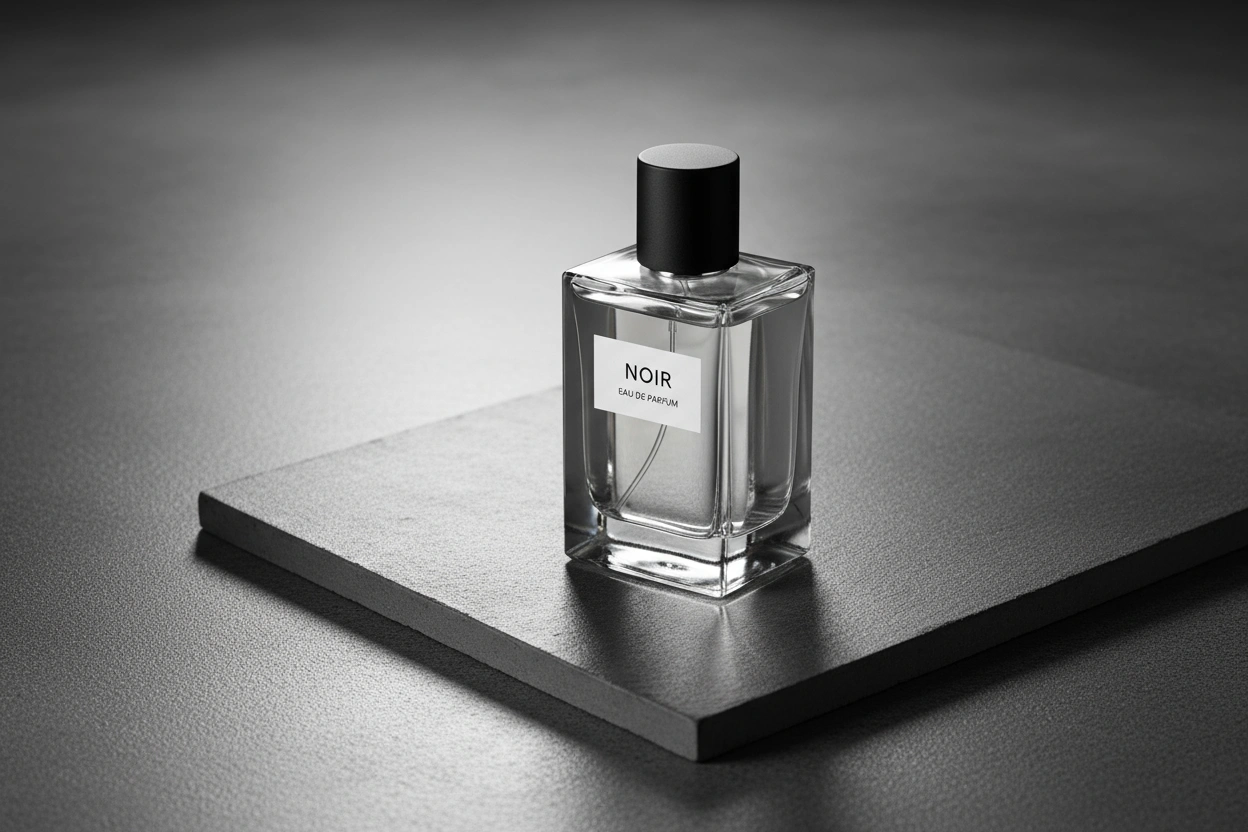
The Packaging Connection: For the Urban Minimalist, packaging is where identity meets the physical product in its purest form. He is drawn to clean lines, monochrome color palettes featuring white, gray, and black, sans-serif typography, and the satisfying tactile experience of high-quality glass paired with magnetic closures. The bottle should feel substantial in hand without being ornate, communicating quality through material choice and engineering precision rather than decorative excess. The packaging becomes a functional object that integrates seamlessly into his curated environment.
Archetype 2: The Rugged Naturalist
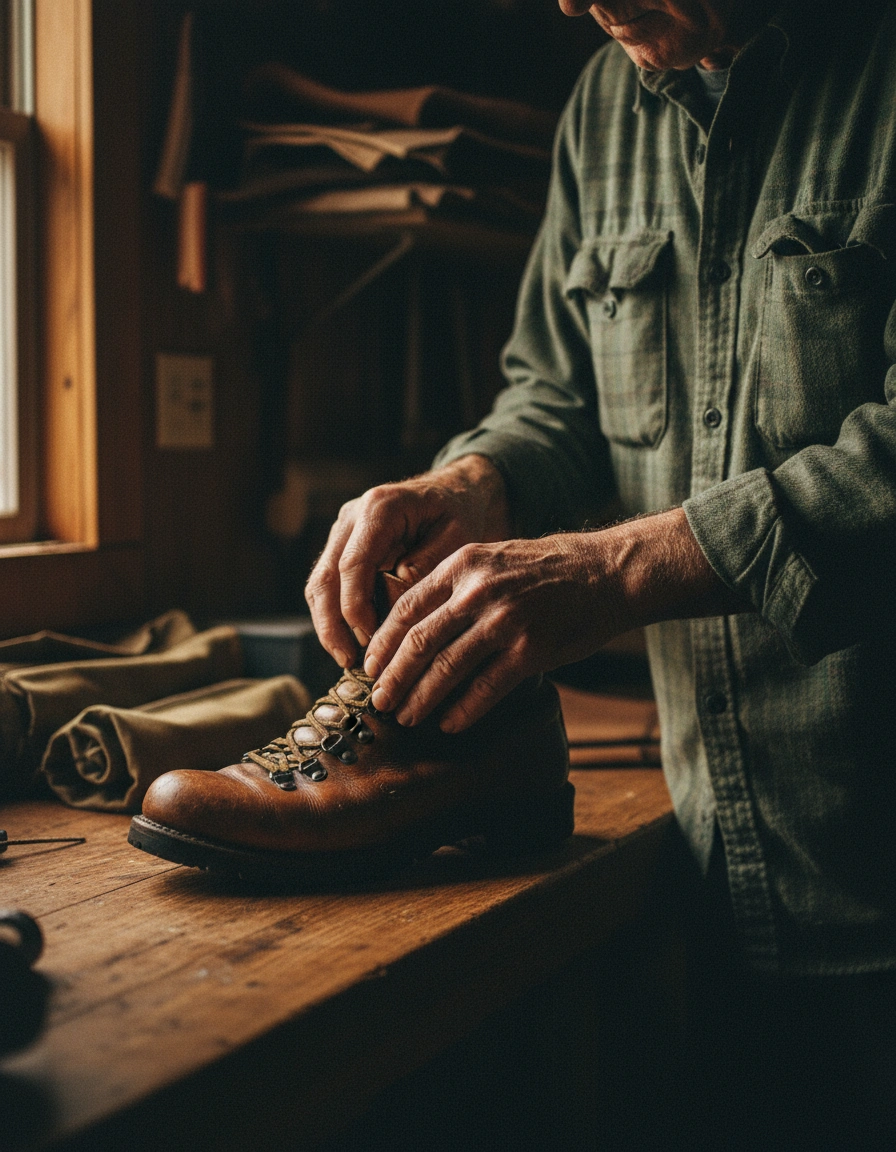
His Identity: The Rugged Naturalist values authenticity, sustainability, and a tangible connection to nature. He is influenced by craft movements, outdoor lifestyles, and brands that demonstrate strong ethical commitments beyond marketing rhetoric. This consumer expects his purchases to align with his values, particularly regarding environmental stewardship and transparent sourcing. He gravitates toward brands with souls—companies that stand for something meaningful and communicate that position consistently.
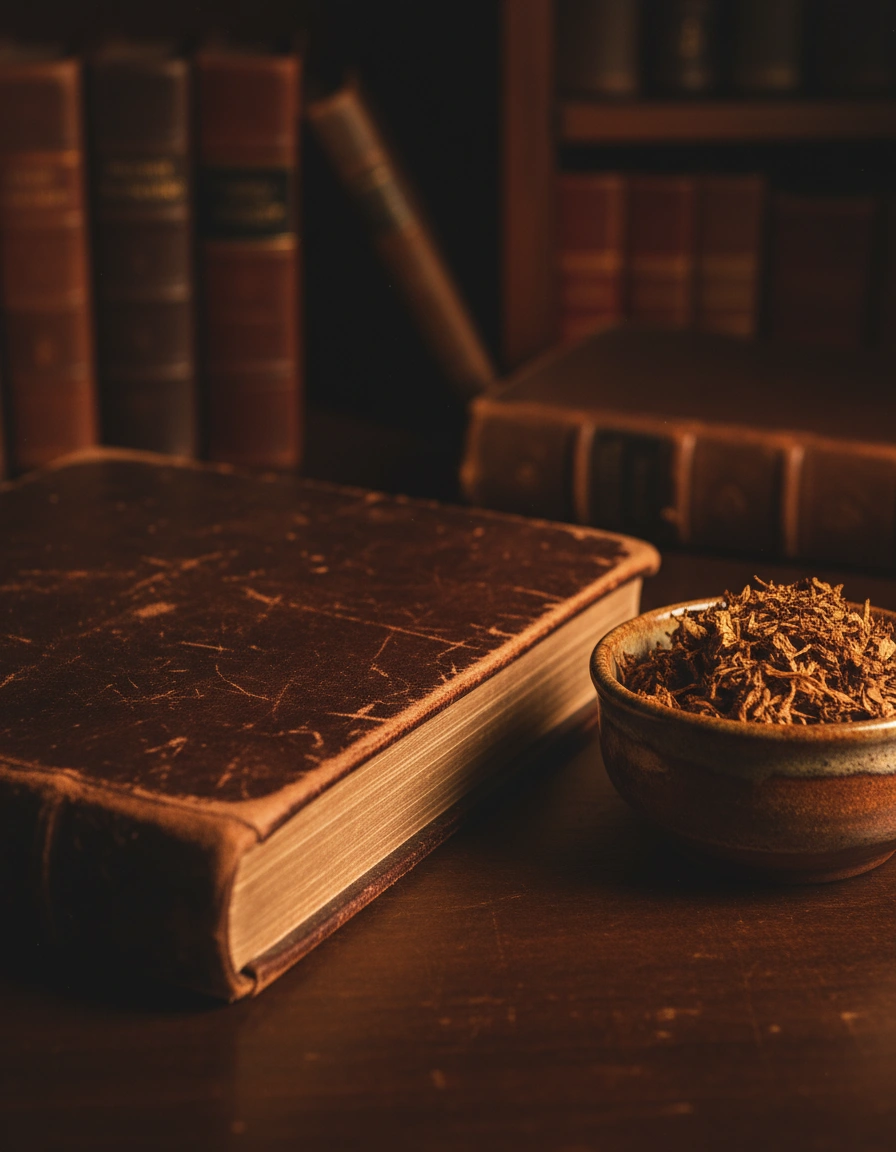
His Scent Profile: The Rugged Naturalist prefers earthy, woody, and spicy notes that evoke natural environments. Compositions featuring cedarwood, sandalwood, leather, tobacco, and pine appeal to his desire for scents that feel grounded and real rather than synthetic or overly complex. He wants fragrance that suggests strength and durability—a scent that could plausibly have been worn by his grandfather but reformulated with modern sensibilities.
His Brand Story: This archetype responds to stories of natural origins, ethically sourced ingredients, and durable craftsmanship. He values brands that can substantiate their sustainability claims with specific information about supply chains, ingredient provenance, and environmental impact. Marketing that celebrates heritage, traditional techniques adapted for contemporary use, and genuine commitment to environmental responsibility creates powerful resonance. Empty virtue signaling, by contrast, triggers immediate skepticism and brand abandonment.
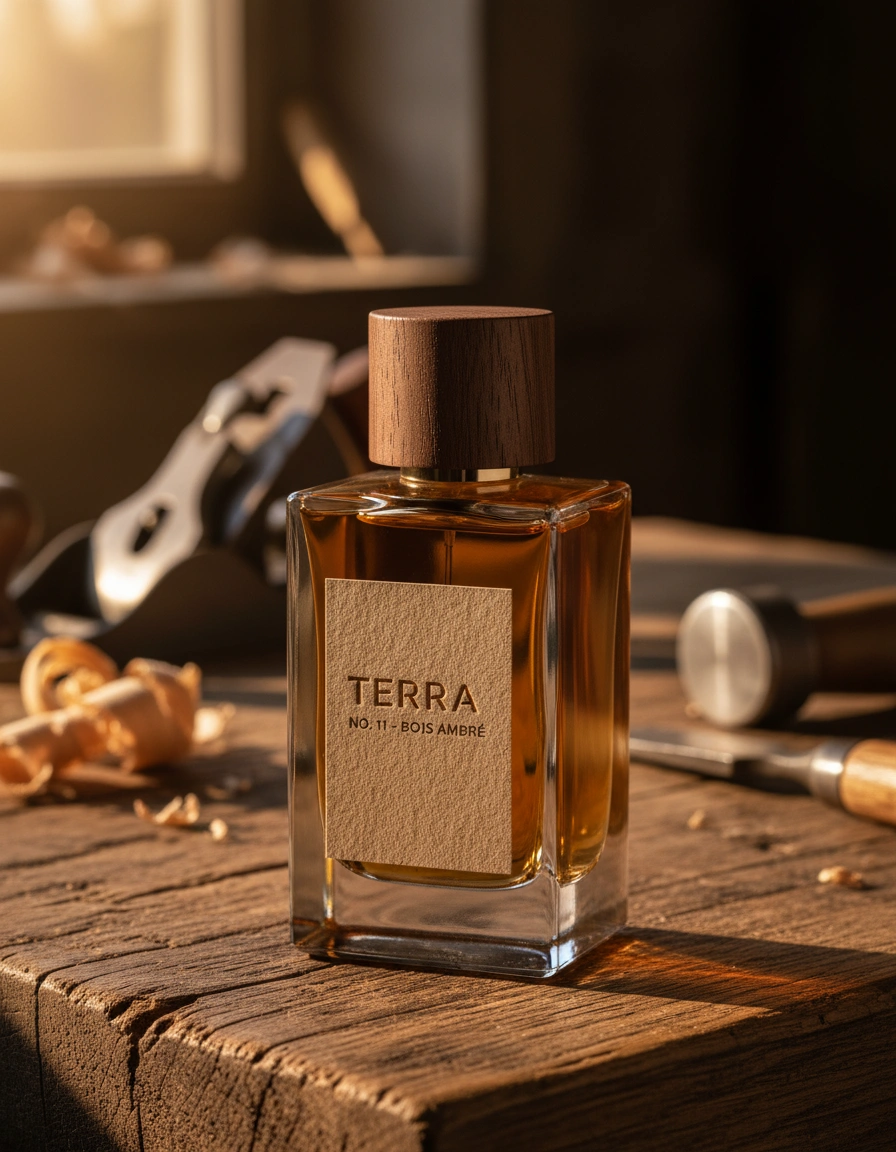
The Packaging Connection: The Rugged Naturalist connects with packaging that uses natural textures, colors, and materials. Amber or forest green glass evokes the environments he values, while labels made from recycled paper and closures crafted from real wood or stone provide tactile confirmation of the brand’s commitment to natural materials. The packaging should suggest durability and honest construction—a bottle that could theoretically survive a backpacking trip rather than fragile luxury that demands careful handling. Refillable systems particularly appeal to this consumer, allowing him to minimize waste without sacrificing the aesthetic qualities he values.
Archetype 3: The Modern Connoisseur
His Identity: The Modern Connoisseur views fragrance as an art form and a personal statement. He possesses genuine knowledge about niche perfumery, understands oud compositions, and appreciates complex scent architectures that reveal themselves over hours. This consumer actively seeks rarity and exclusivity, often exploring discovery sets and paid sampling to experiment with scent profiles before committing to full bottles. He likely follows fragrance communities online, participates in discussions about specific notes and houses, and views his collection as a curated expression of refined taste.
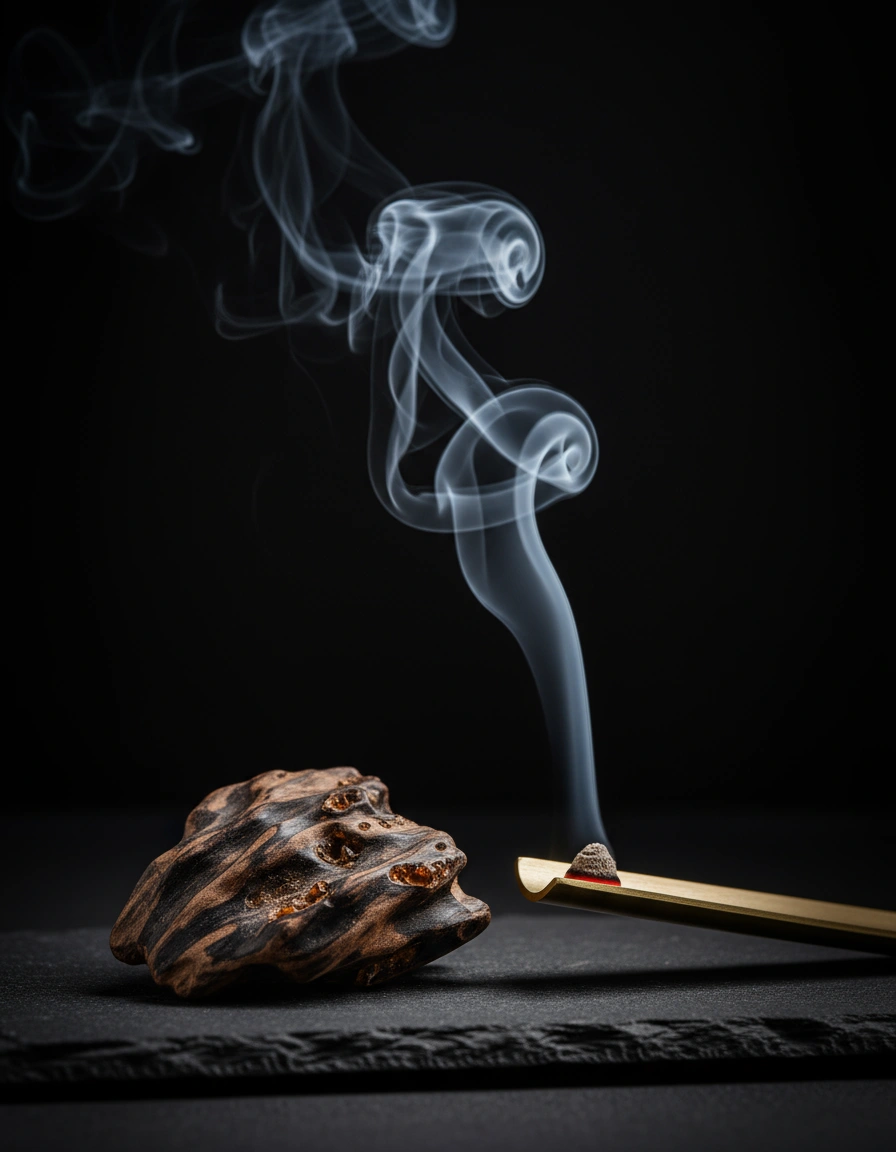
His Scent Profile: The Modern Connoisseur seeks bold, complex, and long-lasting fragrances that command attention. He is drawn to compositions featuring oud, incense, rare florals, and rich gourmands that tell a story across their development. Fragrance notes dominate his consideration—he understands the difference between top, heart, and base notes and selects fragrances based on their complete olfactory journey rather than initial impression alone. This consumer appreciates when perfumers push boundaries and create unconventional compositions.
His Brand Story: The Modern Connoisseur responds to narratives of heritage, rare ingredients, and the artistry of the perfumer. He values brands that can articulate their creative process and the specific inspiration behind individual fragrances. Marketing that provides genuine insight into perfume creation, ingredient sourcing stories, and the perfumer’s vision creates powerful engagement. This archetype particularly appreciates limited editions, collaboration releases, and special formulations that demonstrate the brand’s commitment to the craft.
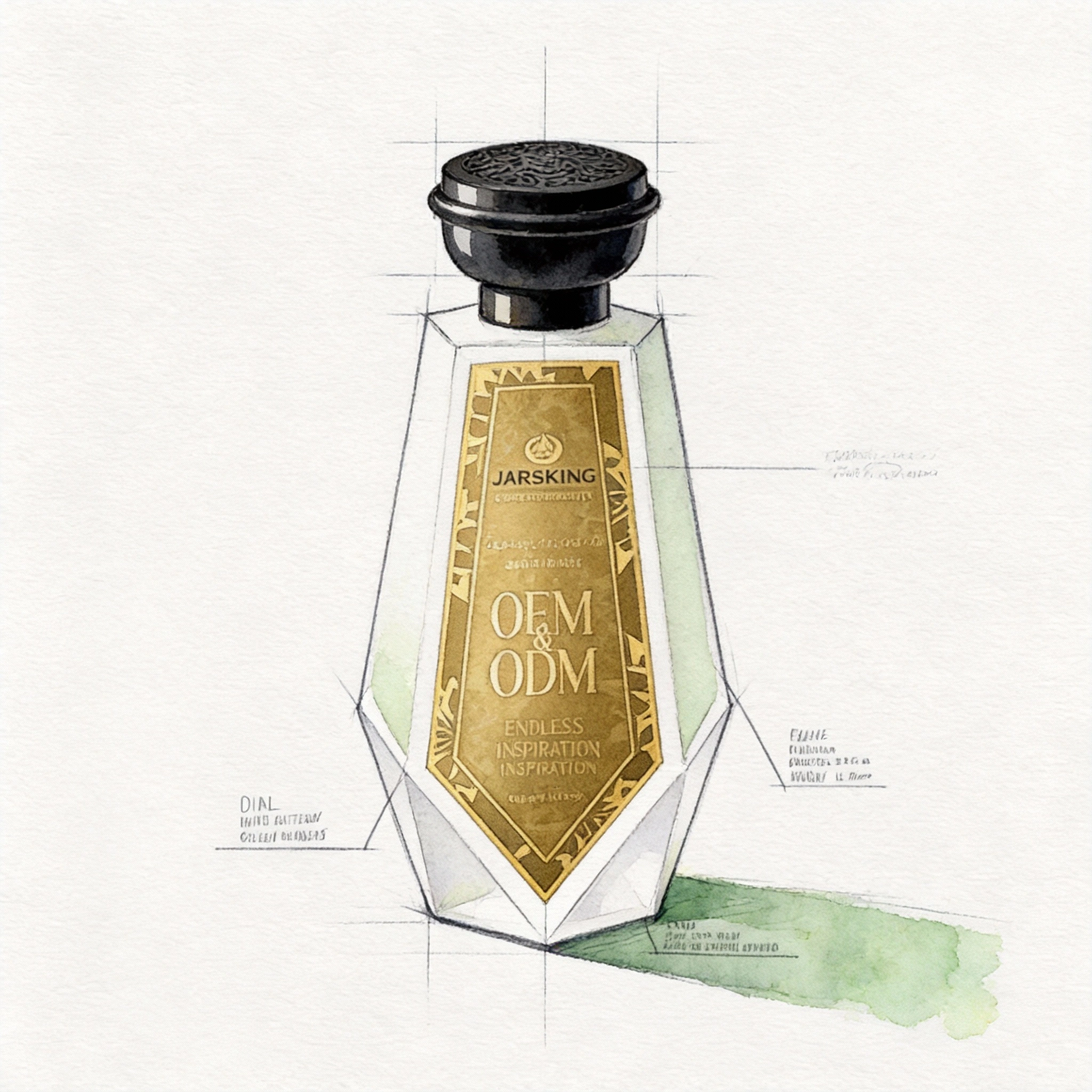
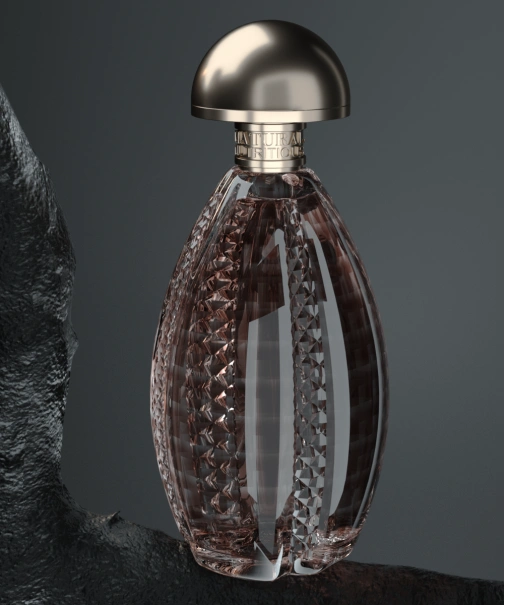
The Packaging Connection: For the Modern Connoisseur, the bottle is a masterpiece in its own right. He expects heavy, thick-bottomed glass that communicates substance and permanence, custom mold shapes that distinguish the fragrance from mass-market offerings, and intricate metallic or enamel details that reward close examination. The presentation box enhances the feeling of luxury and occasion—opening the fragrance should feel ceremonial rather than routine. This consumer appreciates when packaging references art movements, architectural principles, or cultural heritage in ways that complement the scent inside.
The Tactile Story: How Scent and Material Speak the Same Language
A brand’s story must maintain consistency across all sensory dimensions. The feeling of the bottle in hand should echo the scent inside, creating a holistic experience where physical interaction reinforces olfactory expectations and brand positioning. This sensory alignment represents one of the most powerful but frequently overlooked elements of fragrance brand strategy.journals.
The Weight of Quality: The physical heft of a thick glass bottle communicates potency and value before the first spray. Research in consumer perception demonstrates that weight directly influences quality judgments—heavier packaging creates expectations of premium formulation and longer-lasting performance. This tactile signal works at a subconscious level, priming the consumer to experience the fragrance itself more positively.
Glass remains the gold standard for premium perfume bottles specifically because of its chemical inertness, total recyclability, and the prestige conveyed through its transparency and reflectivity. Major luxury houses including Chanel now use post-consumer recycled glass that maintains superior clarity while reducing environmental impact—demonstrating that sustainability and premium positioning need not conflict.
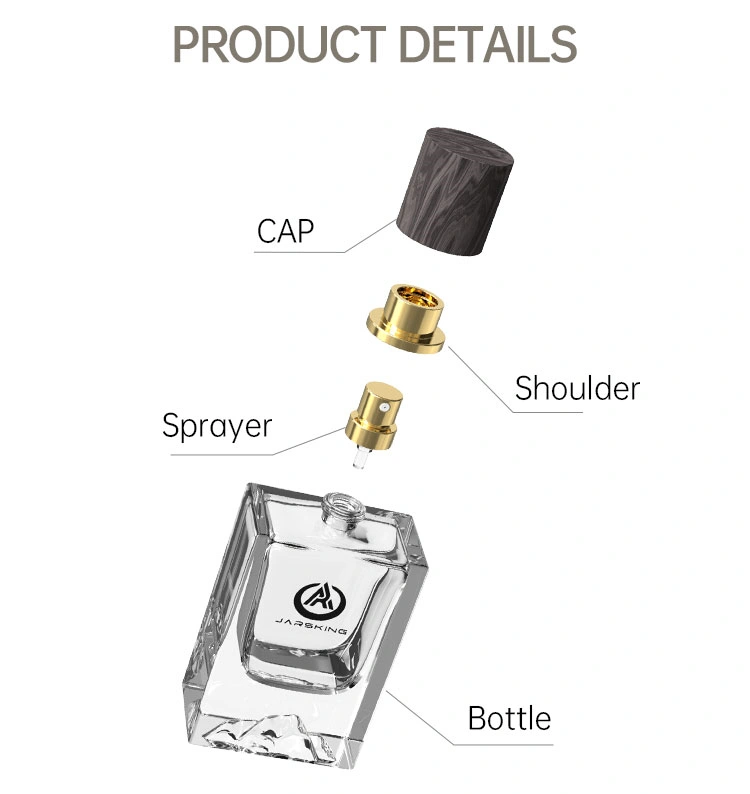
The Sound of Luxury: Tactile details often overlooked during design create powerful subconscious signals of quality craftsmanship. The satisfying ‘click’ of a well-engineered magnetic cap, the smoothness of a polished wooden closure, and the precise feel of the atomizer all communicate attention to detail and manufacturing excellence.
These micro-experiences compound over time—each interaction with the bottle reinforces brand perception and creates positive associations that extend to the fragrance itself. Brands that invest in closure engineering and mechanical precision create differentiation that competitors cannot easily replicate.
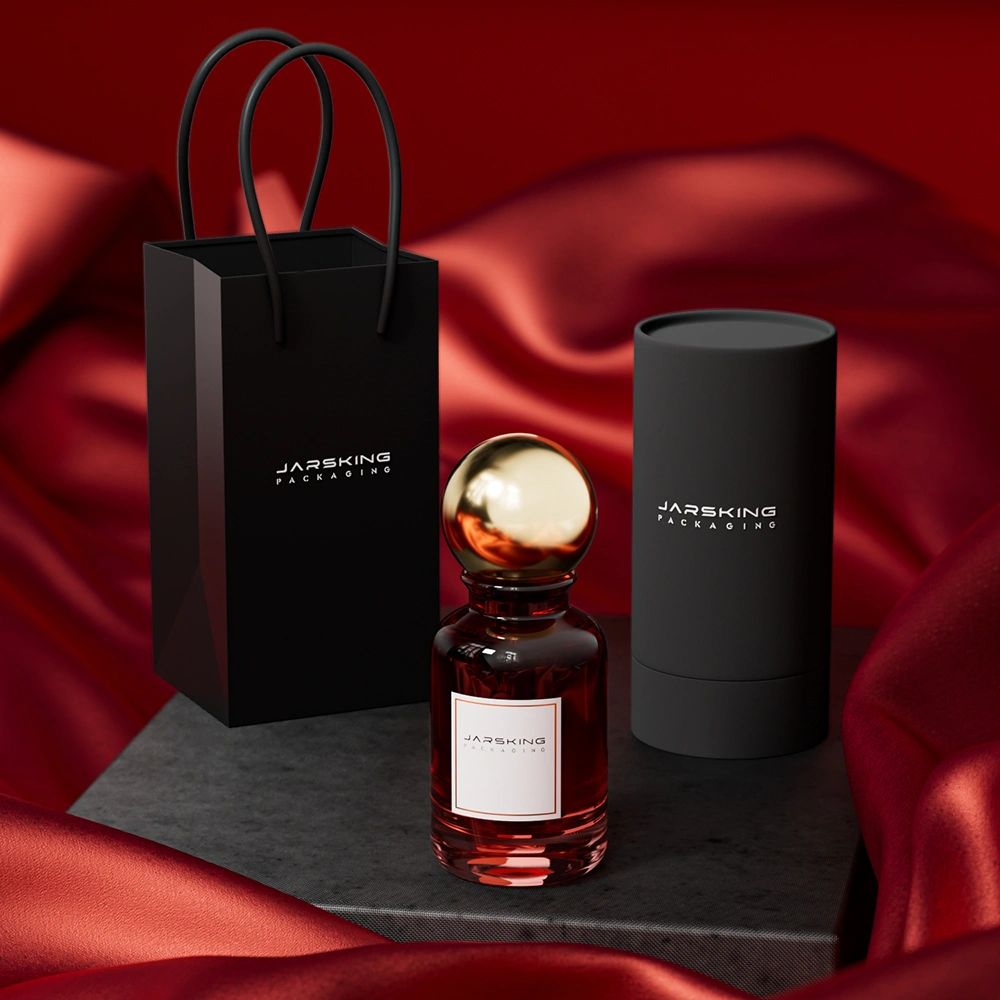
Color Theory for Scent: Visual elements of packaging should harmonize with the olfactory profile inside. For fresh and aquatic scents, clear flint glass or cool blue tones visually represent the scent profile and create immediate category recognition. Woody and spicy compositions benefit from amber, smoked, or dark green glass that evokes warmth and earthiness consistent with the fragrance notes. Oud, incense, and gourmand fragrances demand deep blacks, rich burgundies, and gold accents that signal opulence and intensity. This color-scent correspondence operates through crossmodal correspondences—the way our brains naturally associate sensory inputs across different modalities. Packaging that respects these associations creates intuitive recognition and reinforces brand identity.

Building a Cohesive Brand, Not Just a Fragrance
The most successful modern men’s fragrance brands don’t simply sell a scent—they sell an identity. They achieve this through seamless alignment of their target consumer, their scent story, and their physical presentation across every touchpoint from advertising to unboxing experience. In 2025, fragrance has transformed from a personal accessory into a social signal, an emotional anchor, and a lifestyle choice. The question facing consumers is no longer “What perfume are you wearing?” but rather “What does your scent say about your values and your mood?”.
Packaging serves as the bridge between the intangible—the scent, the brand story, the aspirational identity—and the tangible. It represents the first thing a customer touches and the last thing they see every day on their shelf. Unlike advertising that appears momentarily or social content that scrolls past, packaging is the constant, silent storyteller that reinforces brand narrative through daily interaction. The global cosmetic and perfume glass packaging sector reached $9.82 billion in 2025, reflecting the critical importance luxury houses place on premium packaging as a vehicle for brand equity.
Strategic packaging decisions directly impact business outcomes. Innovations in sustainable glass production, refillable systems, and hybrid approaches that combine glass shells with recyclable pods demonstrate how brands can reduce packaging waste by up to 80% without sacrificing premium shelf appeal. These solutions address the expectations of modern consumers who demand environmental responsibility alongside luxury—particularly the Rugged Naturalist archetype but increasingly across all segments.
As the men’s grooming market overall is projected to grow at 8.6% CAGR through 2030—more than double the 3.6% growth rate of total beauty—brands that successfully align packaging strategy with consumer archetypes will capture disproportionate share of this expanding category.
Jarsking's Call to Action
Understanding your brand’s core narrative is the first step in building a fragrance that resonates with your target consumer. The next is choosing a partner who can translate that story into a physical object with precision and artistry. Jarsking offers a vast portfolio of stock and custom solutions specifically designed to match the identity of your target consumer—from the Urban Minimalist seeking clean lines and magnetic closures, to the Rugged Naturalist requiring sustainable materials and natural textures, to the Modern Connoisseur demanding custom molds and intricate details. Our expertise in glass manufacturing, sustainable materials, and innovative closure systems ensures your packaging becomes the physical foundation of your brand’s story. Contact us today to discuss how we can build the perfect vessel to contain your fragrance and communicate your brand identity with every interaction.

FAQs
The three key archetypes are the Urban Minimalist (values efficiency and understated sophistication), the Rugged Naturalist (prioritizes authenticity and sustainability), and the Modern Connoisseur (views fragrance as art and seeks exclusivity). Each archetype has distinct scent preferences, brand story expectations, and packaging requirements that brands must understand to succeed.
Packaging serves as the bridge between the intangible scent experience and the tangible product. It’s the first thing customers touch and the last thing they see daily on their shelf, acting as a constant brand storyteller. Strategic packaging decisions—from glass weight to closure mechanics—directly influence quality perception and purchasing decisions before the first spray.
The market has fragmented from simple categories into sophisticated sub-tribes, with 45% of men under 45 now using fragrance specifically for self-expression. Traditional celebrity-driven marketing has lost effectiveness as consumers seek authentic brand stories and personalized experiences. The industry is projected to grow at 8.6% CAGR through 2030, significantly outpacing total beauty growth.
Urban Minimalists prefer clean, fresh scents featuring vetiver, bergamot, and gin-like botanicals. Rugged Naturalists gravitate toward earthy compositions with cedarwood, sandalwood, leather, and tobacco notes. Modern Connoisseurs seek bold, complex fragrances featuring oud, incense, rare florals, and rich gourmands that reveal themselves over hours.
Color choices should harmonize with olfactory profiles through crossmodal correspondences. Fresh and aquatic scents benefit from clear flint glass or cool blue tones. Woody and spicy fragrances pair with amber, smoked, or dark green glass. Oud and gourmand compositions demand deep blacks, rich burgundies, and gold accents to signal intensity.
Consumers increasingly demand environmental responsibility alongside luxury, particularly the Rugged Naturalist archetype. Innovations include sustainable glass production, refillable systems, and hybrid approaches combining glass shells with recyclable pods—reducing packaging waste by up to 80% without sacrificing premium appeal. Major luxury houses now use post-consumer recycled glass while maintaining superior clarity.