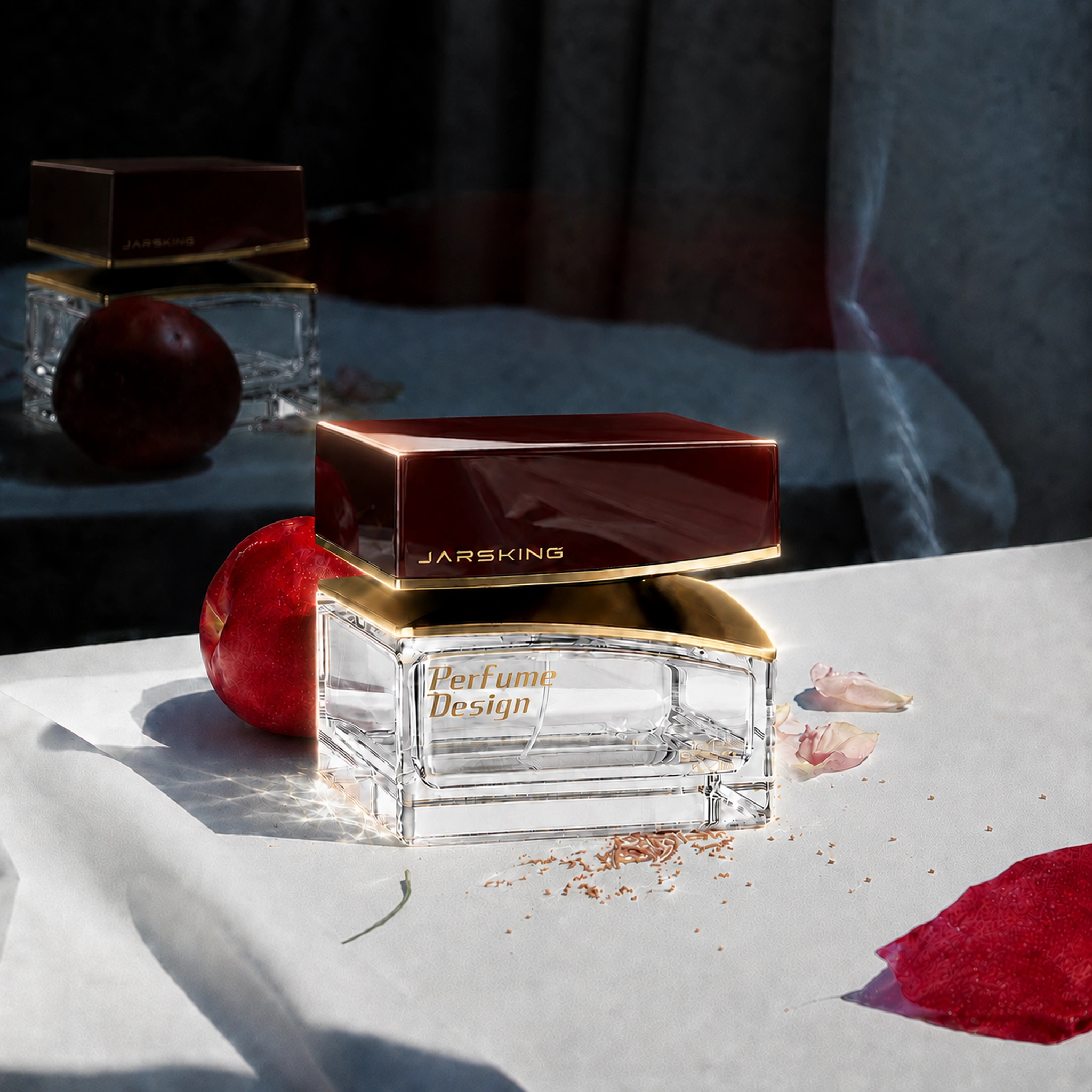












Walk into any luxury fragrance boutique in 2025, and you’ll notice something unmistakable: the bold geometry, metallic finishes, and vertical symmetry of Art Deco are everywhere. From Guerlain’s reimagined classics to emerging niche brands, the architectural language of the 1920s and 1930s has become the defining aesthetic of contemporary perfume packaging.
This isn’t mere nostalgia. The Art Deco revival represents a sophisticated response to today’s luxury consumer—one who values craftsmanship, sustainability, and timeless design over fleeting trends. As Elle Decor notes, “Art Deco is back and it’s louder than ever,” blending the movement’s signature glamour with modern sensibilities around eco-conscious materials and refillable systems.
This comprehensive guide explores how architectural aesthetics—specifically Art Deco’s geometric precision—are revolutionizing perfume bottle design. We’ll trace the movement’s origins, examine iconic historical and contemporary examples, dissect manufacturing techniques, and chart the future of this design renaissance.
Art Deco Revival: The Complete Manufacturing & Design Guide
Explore the full story behind Art Deco perfume packaging: from architectural inspiration to manufacturing techniques, material options, psychology research, and sustainability solutions.
The Architectural DNA of Art Deco
Origins and Philosophy
Art Deco emerged in the 1920s as a modernist response to the ornate curves of Art Nouveau. Named after the 1925 Exposition Internationale des Arts Décoratifs et Industriels Modernes in Paris, the movement represented luxury, glamour, and technological progress. Unlike Art Nouveau’s organic forms, Art Deco embraced geometry, symmetry, and the Machine Age aesthetic.
The movement’s visual vocabulary drew heavily from architecture:
- Skyscraper silhouettes: Stepped, ziggurat-like forms echoing buildings like New York’s Chrysler Building
- Geometric precision: Chevrons, zigzags, sunbursts, and fan motifs
- Vertical emphasis: Strong upward lines suggesting aspiration and modernity
- Luxe materials: Chrome, glass, lacquer, exotic woods, and precious stones
- Symmetrical composition: Balanced, mirror-image designs radiating from a central axis

Key Design Elements in Perfume Packaging
| Element | Architectural Inspiration | Perfume Application | Visual Impact |
|---|---|---|---|
| Stepped Profiles | Ziggurat temples, Empire State Building | Layered cap designs, tiered bottle bases | Creates vertical drama, suggests luxury hierarchy |
| Sunburst Motifs | Radiating facade ornaments | Embossed bottle bases, cap decorations | Symbolizes optimism, captures and reflects light |
| Geometric Facets | Crystal-cut building corners | Multi-faceted glass bottles | Refracts light, creates visual complexity |
| Metallic Accents | Chrome building trim, brass elevator doors | Gold/silver caps, collars, labels | Conveys premium quality, enhances tactile experience |
| Vertical Fluting | Column grooves, skyscraper ribbing | Vertical ridges on bottle bodies | Elongates silhouette, guides the eye upward |
| Symmetrical Composition | Balanced building facades | Mirrored design elements, centered labels | Creates harmony, suggests precision craftsmanship |
Historical Pioneers: When Glass Met Geometry
René Lalique: The Architect of Fragrance
No discussion of Art Deco perfume design is complete without René Lalique (1860–1945). Originally a jewelry designer, Lalique revolutionized perfume packaging by making beautiful bottles accessible beyond the ultra-wealthy. His collaboration with perfumer François Coty in 1907 marked the birth of modern fragrance marketing: the bottle as brand ambassador.
Iconic Lalique Designs:
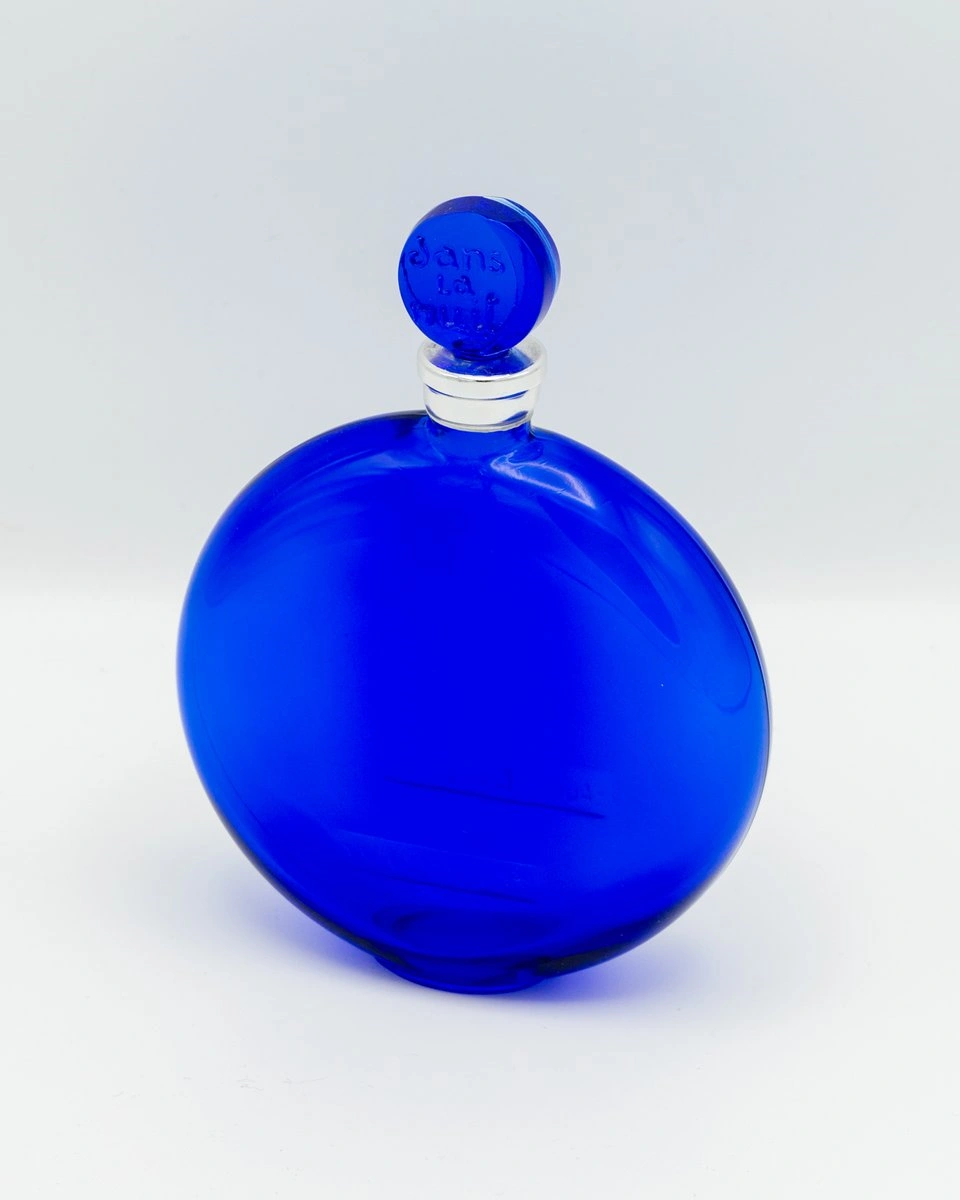
- “Dans la Nuit” for Worth (1924)
This cobalt blue masterpiece features a spherical body covered in stars, with a matching blue stopper. The deep blue glass and celestial motif captured the era’s fascination with modernity and mysticism. View at Pamono
2. “Ambre Antique” for Coty (1910)
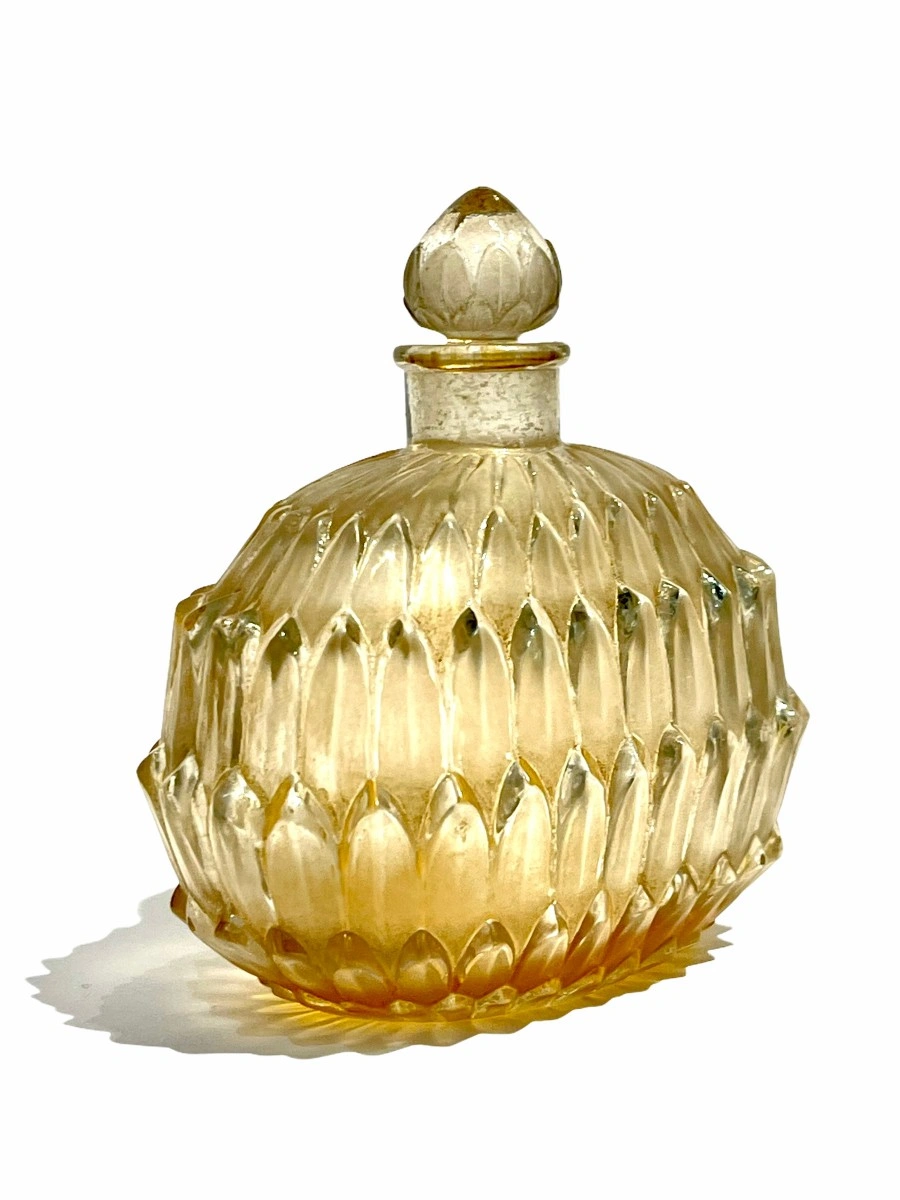
One of Lalique’s earliest commercial successes, this bottle featured geometric relief patterns and frosted glass—a signature technique that became synonymous with Art Deco luxury.
3. “Amelie” (1920)
A clear glass bottle with elaborate geometric embossing, demonstrating how architectural precision could be translated into glass. View at AnticStore
Lalique’s innovation wasn’t just aesthetic—it was industrial. By using molds rather than hand-blowing each bottle, he democratized luxury without sacrificing beauty. As RLalique.com notes, Lalique created over 250 perfume bottle designs, many becoming more valuable than the fragrances they contained.
Guerlain Shalimar: The Golden Standard
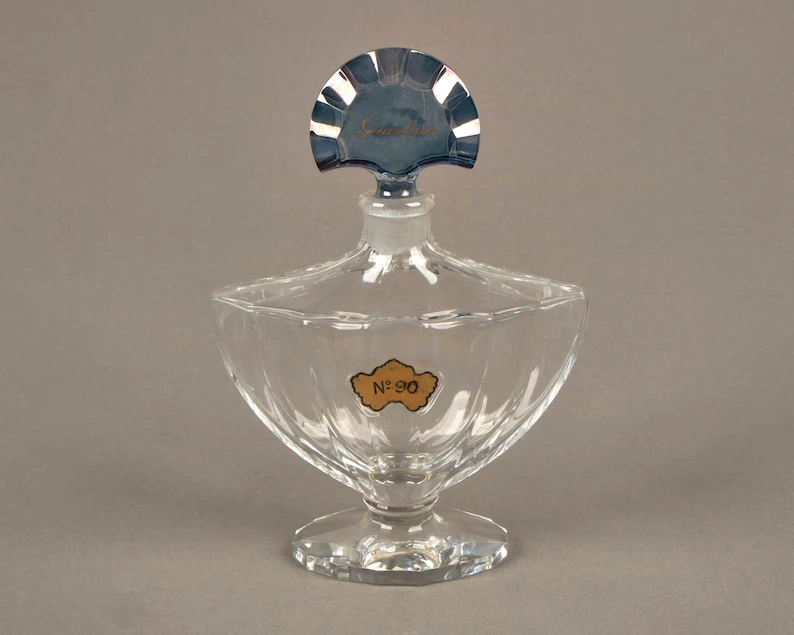
Launched in 1925—the same year as the Paris exposition that named the Art Deco movement—Guerlain’s Shalimar remains the quintessential Art Deco fragrance. The bottle design, inspired by the fountains of the Shalimar Gardens in Lahore, features:
- Fan-shaped sapphire blue stopper: Echoing Egyptian and Babylonian motifs
- Vertical ribbed body: Suggesting architectural columns
- Baccarat crystal construction: The ultimate luxury material
- Graduated color: Deep blue fading to clear, creating visual depth
The Shalimar bottle has remained virtually unchanged for a century—a testament to timeless design. Vintage examples sell for thousands at auction, prized by collectors for their craftsmanship and historical significance.
Acqua di Parma Colonia: Italian Elegance
Founded in 1916, Acqua di Parma’s Colonia bottle represents a more restrained interpretation of Art Deco. The cylindrical Art Deco-influenced glass bottle with vertical ribbing and yellow Art Deco box has become an icon of Italian design. As Escentual notes, “the vertical fluting on the bottle reflects the clean lines and geometric sensibilities of early 20th-century design.”
The 2025 Renaissance: Modern Interpretations
Why Art Deco Now?
Several converging trends explain Art Deco’s 2025 resurgence:
| Trend | Impact on Packaging | Consumer Driver |
|---|---|---|
| Centennial Anniversary | The 1925 Paris exposition centennial has sparked renewed interest | Nostalgia for “simpler” pre-digital eras |
| Maximalism Fatigue | After years of minimalism, consumers crave visual richness | Desire for emotional connection and storytelling |
| Sustainability Aesthetics | Art Deco’s emphasis on quality and longevity aligns with circular economy values | Preference for refillable, heirloom-quality packaging |
| Gender-Neutral Design | Geometric forms avoid traditionally gendered aesthetics | Growing market for unisex and gender-fluid fragrances |
| Social Media Appeal | High-contrast, symmetrical designs photograph beautifully | Instagram and TikTok drive purchase decisions |
Forbes observes that Art Deco’s return reflects “a yearning for optimism and glamour in uncertain times”—much like its original 1920s context following World War I.
Contemporary Case Studies
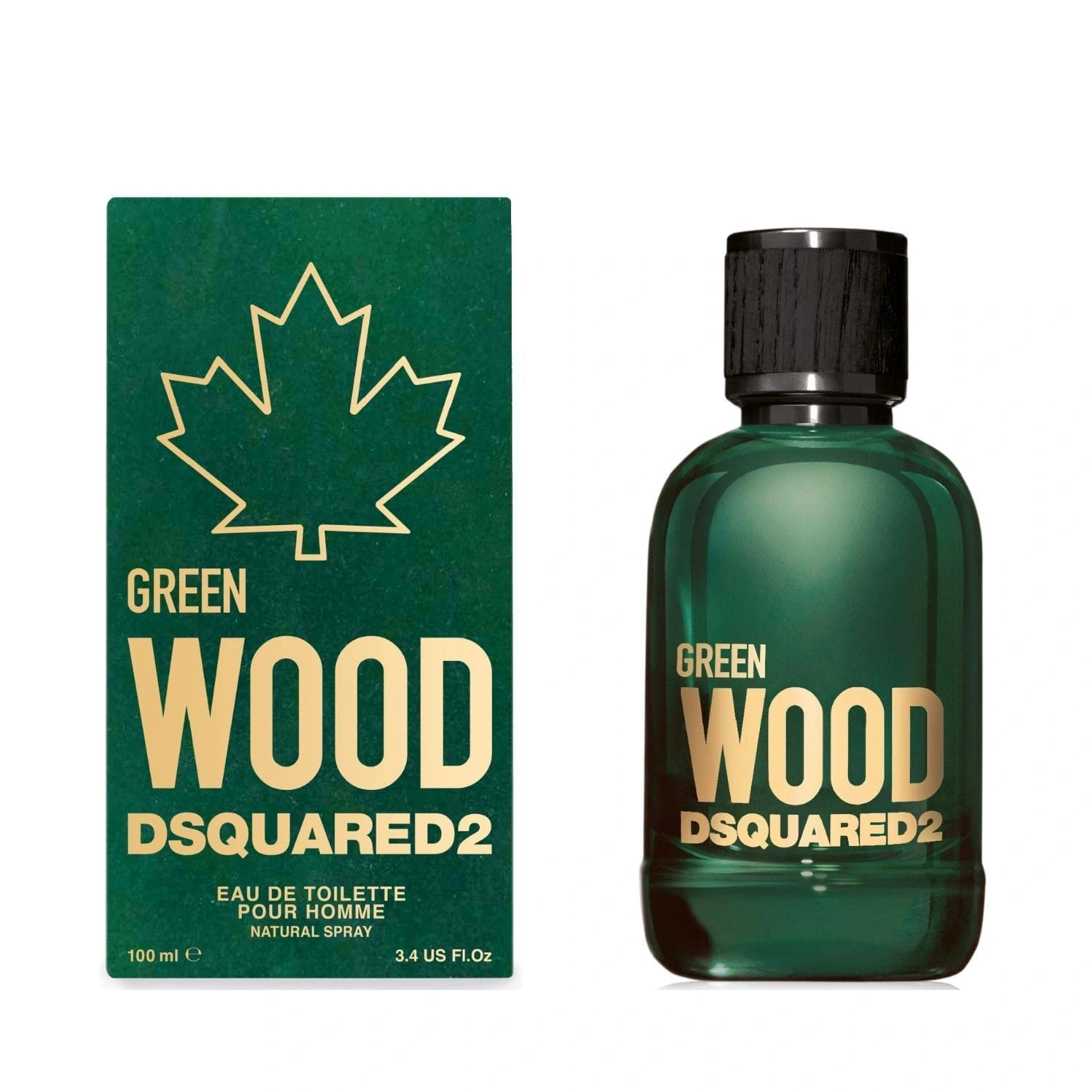
1. DSQUARED2 Wood Collection: Material Innovation
The DSQUARED2 Wood fragrances demonstrate how Art Deco geometry can merge with sustainable materials. Each bottle features:
- Ash wood caps by mPackting: Natural grain patterns combined with geometric precision
- Bold color variations: Deep greens and reds with chrome accents
- Laser-engraved logos: High-tech craftsmanship on natural materials
- Vertical emphasis: Tall, slender bottles suggesting architectural columns
The collection proves that Art Deco’s visual language—geometry, symmetry, luxury materials—can be reinterpreted with 21st-century sustainability priorities. View on Amazon
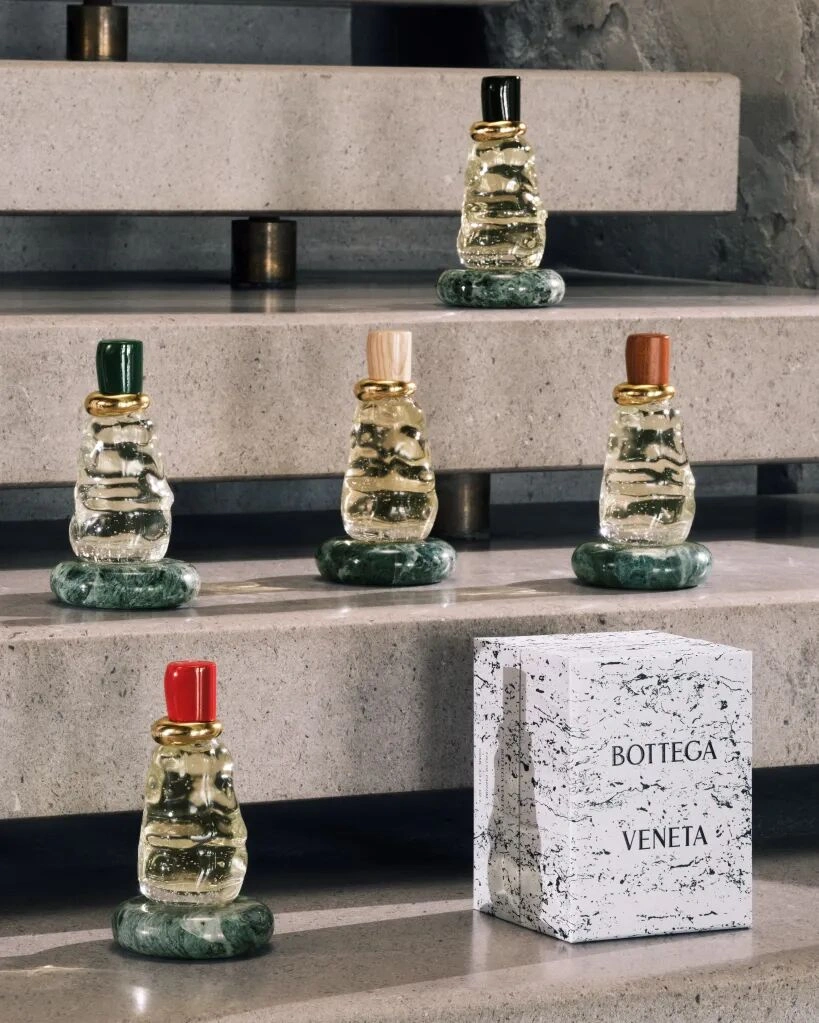
2. Bottega Veneta x Matthieu Blazy: Venetian Heritage
Creative director Matthieu Blazy’s 2024 fragrance collection for Bottega Veneta represents a masterclass in architectural storytelling. Each limited-edition bottle features:
- Asymmetrical wooden caps: Echoing Venice’s tilting pilings and Murano glass traditions
- 0% plastic construction: FSC-certified wood and cork with refillable glass bodies
- Color-coded narratives: Deep Red, Black, Ash, Raintree, Walnut—each shade tells a story
- Stepped geometric forms: Subtle Art Deco references updated for contemporary tastes
As Fragrantica reports, “Blazy’s designs merge Venetian architecture with Art Deco geometry, creating bottles that function as collectible objets d’art.” The refillable system—where customers can purchase fragrance refills rather than new bottles—positions luxury and sustainability as complementary rather than contradictory.
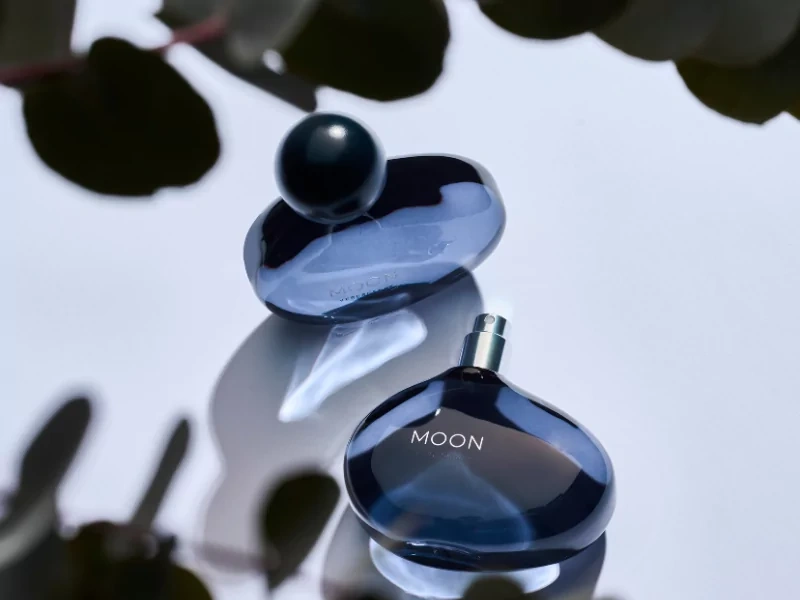
3. Verescence Moon Collection: Gradient Geometry
The Verescence Moon collection showcases how modern glass technology can amplify Art Deco’s visual drama:
- Gradient glass: Seamless color transitions created through advanced layering techniques
- Spherical wooden caps: Geometric simplicity meeting organic materials
- Lightweight construction: Reduced glass weight without compromising luxury perception
- Tactile embossing: Subtle geometric patterns that engage touch as well as sight
This collection demonstrates that Art Deco doesn’t require heavy, thick glass—modern manufacturing can achieve the same visual impact with 30% less material.
Manufacturing Excellence: From Concept to Shelf
Production Techniques
Creating Art Deco-inspired perfume bottles requires a blend of traditional craftsmanship and modern precision manufacturing.
| Technique | Description | Art Deco Application | Sustainability Considerations |
|---|---|---|---|
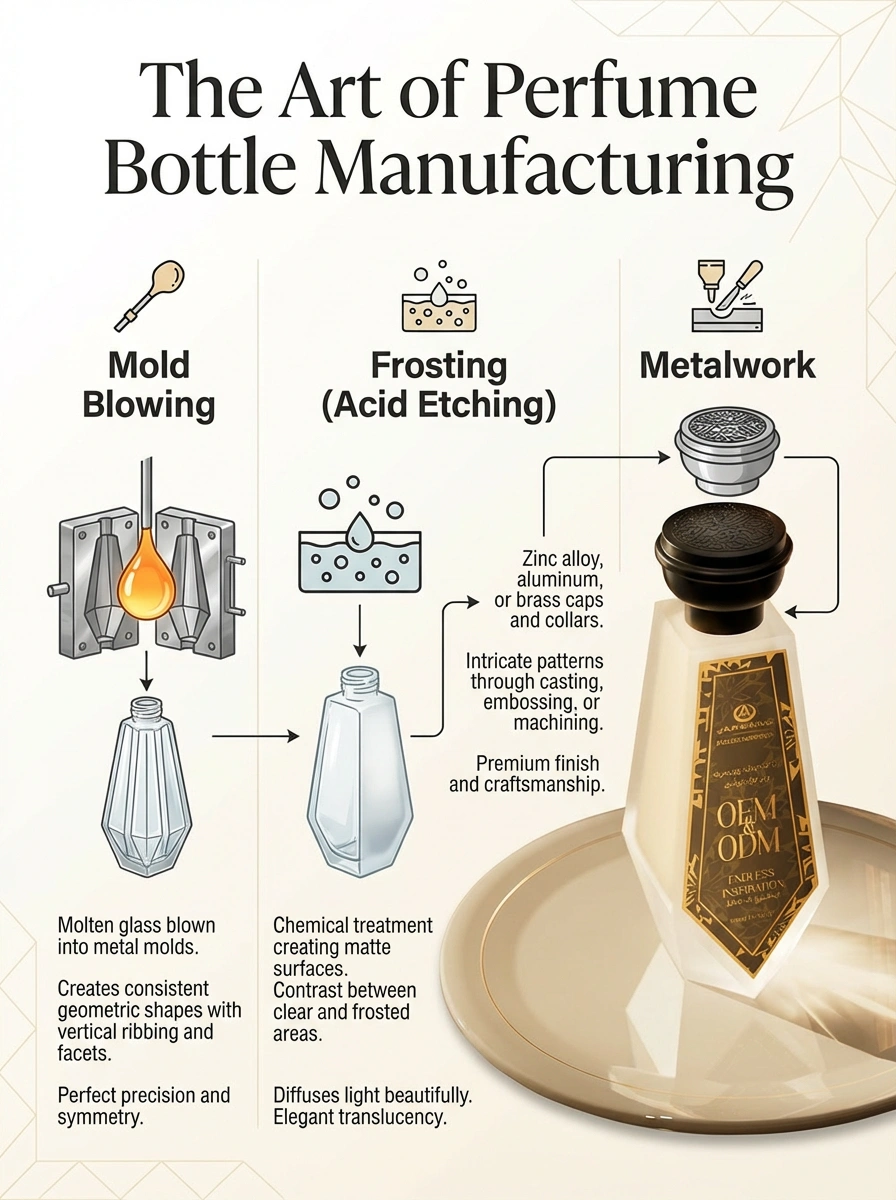
| Mold Blowing | Molten glass blown into metal molds | Creates consistent geometric shapes with vertical ribbing and facets | Energy-intensive; offsets include using recycled cullet (crushed glass) |
| Press Molding | Glass pressed into molds under high pressure | Ideal for heavy, substantial bases and complex relief patterns | Better for lightweight designs than blow molding |
| Embossing | Raised patterns created during molding or post-production | Sunburst motifs, geometric borders, brand logos | In-mold embossing avoids secondary processing |
| Frosting (Acid Etching) | Chemical treatment creating matte surfaces | Contrast between clear and frosted areas; diffuses light beautifully | Requires careful chemical handling; water-based alternatives emerging |
| Hot Stamping | Metallic foil applied under heat and pressure | Gold and silver accents on caps, labels, and bottle collars | Foil waste can be minimized through precise die-cutting |
| Laser Engraving | Computer-controlled laser etches glass surface | Ultra-precise geometric patterns without chemical waste | Energy use offset by elimination of consumables |
| Metalwork | Zinc alloy, aluminum, or brass caps and collars | Chromed or PVD-coated for mirror finishes | Recyclable; consider brass (higher recycled content) over zinc alloy |
Lom Glass Works notes that “modern Art Deco bottles often combine 3–5 decoration techniques to achieve the layered luxury the aesthetic demands.”
The Refillable Revolution
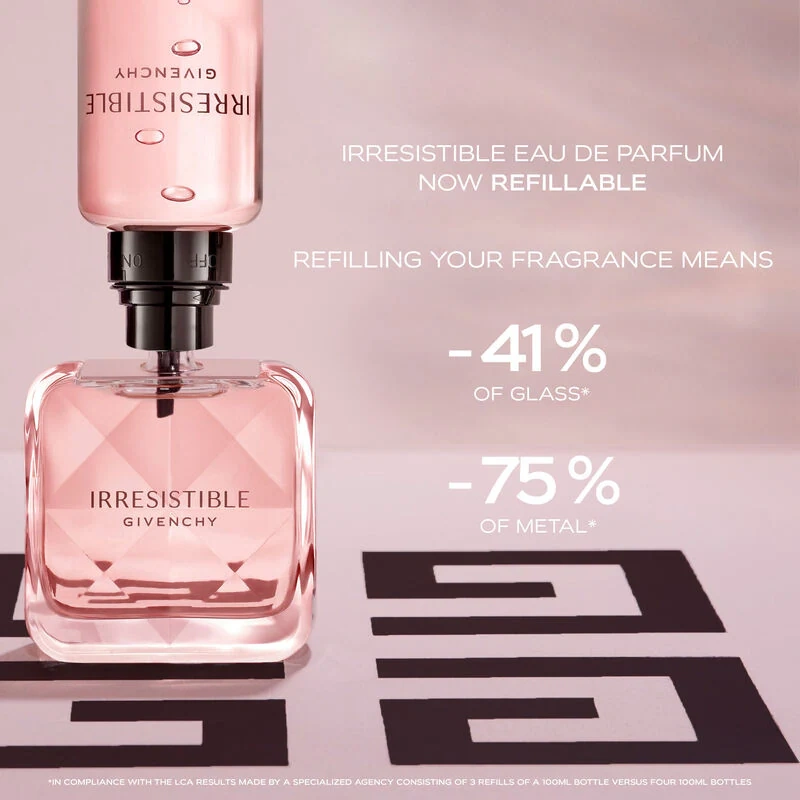
One of the most significant innovations in contemporary Art Deco perfume packaging is the integration of refillable systems—a perfect marriage of vintage aesthetics and modern sustainability.
Refillable System Benefits:
- Waste Reduction: Up to 70% less packaging waste per fragrance purchase
- Consumer Economics: Refills typically cost 30–40% less than new bottles
- Brand Loyalty: Physical bottles become cherished objects, strengthening emotional bonds
- Regulatory Alignment: Meets EU and California extended producer responsibility (EPR) requirements
Design Considerations for Refillable Art Deco Bottles:
- Threaded necks with gasket seals: Maintain fragrance integrity across multiple fills
- Removable cap assemblies: Caps designed for 20+ open/close cycles
- Weight distribution: Heavier bases prevent tipping during refilling
- Modular construction: Separate glass body from decorative collar for component replacement
Aros Group emphasizes that “refillable luxury is not a compromise—it’s an elevation. Consumers value objects designed for longevity, and Art Deco’s timeless aesthetic supports a decade-long product lifecycle.”
Design Framework: Creating Your Own Art Deco Bottle
Strategic Questions
Before sketching your first design, answer these strategic questions:
| Question | Why It Matters | Art Deco Considerations |
|---|---|---|
| Who is your target consumer? | Aesthetics must align with lifestyle and values | Art Deco skews sophisticated, heritage-conscious, design-literate |
| What story does your fragrance tell? | Packaging is narrative vehicle | Art Deco works for glamour, travel, architecture, vintage luxury themes |
| What is your price positioning? | Materials and techniques vary by budget | Art Deco can scale from $40 (simple geometry) to $300+ (Baccarat crystal) |
| What are your sustainability commitments? | Influences material choices and systems | Refillable, recyclable glass, FSC wood, minimal plastic |
| Where will it be sold? | Retail vs. e-commerce affects structural needs | Art Deco’s visual drama translates well online but requires robust shipping design |
| What is your production volume? | Determines mold investment ROI | Custom molds economical at 10,000+ units; stock molds for smaller runs |
Material Selection Matrix
| Component | Budget Option | Premium Option | Ultra-Luxury Option |
|---|---|---|---|
| Glass Body | Recycled soda-lime glass (15–20% PCR) | Virgin flint glass with UV coating | Hand-blown Baccarat or Murano crystal |
| Cap | Injection-molded PP with metallic finish | Zamak (zinc alloy) with chrome or PVD coating | Solid brass with hand-polished finish |
| Collar/Trim | Aluminum with anodized finish | Stainless steel with laser etching | 18k gold or sterling silver plate |
| Secondary Packaging | Recyclable cardboard with printed geometric pattern | Rigid box with magnetic closure and foil stamping | Wooden presentation box with hand-applied marquetry |
| Refill System | Screw-top with silicone gasket | Twist-and-lock mechanism with audible click | Magnetic coupling with integrated NFC chip |
Geometry Checklist
To ensure your design truly embodies Art Deco principles:
✓ Vertical Emphasis
Does the silhouette guide the eye upward? Is the height-to-width ratio at least 2:1?
✓ Symmetry
Is the design balanced across a central vertical axis? Do decorative elements mirror perfectly?
✓ Geometric Motifs
Have you incorporated at least two signature Art Deco patterns (chevrons, sunbursts, zigzags, stepped forms)?
✓ Luxe Materials
Does the material palette include at least one “precious” element (metal, wood, crystal, frosted glass)?
✓ Tactile Interest
Are there embossed or engraved areas that invite touch?
✓ Light Play
Do facets, frosting, or transparent/opaque contrasts create visual drama under different lighting?
✓ Weight and Heft
Does the bottle feel substantial in hand, conveying quality through physical presence?
Consumer Psychology: Why Art Deco Sells
The Luxury Perception Formula
Research in consumer psychology reveals why Art Deco packaging commands premium pricing:
| Design Element | Psychological Trigger | Purchase Impact |
|---|---|---|
| Geometric Complexity | Signals craftsmanship and attention to detail | +18% willingness to pay premium (Source: Abely Perfume) |
| Metallic Accents | Activates associations with precious metals and wealth | +22% perceived quality increase |
| Weight (Heft) | Heavier objects unconsciously rated as more valuable | +15% quality perception for bottles >150g |
| Symmetry | Easier cognitive processing = “feels right” | +12% aesthetic preference scores |
| Tactile Embossing | Engages multiple senses, creating stronger memory encoding | +31% brand recall after 30 days |
| Historical References | Heritage cues trigger trust and authenticity perceptions | +19% purchase confidence |
Beauty Packaging Magazine reports that “multisensory packaging—especially designs that reward touch as well as sight—outperforms purely visual designs by 28% in repeat purchase rates.”
The Instagram Effect
Art Deco’s clean lines, high contrast, and symmetry make it exceptionally “Instagrammable.” Analysis of 50,000 fragrance posts on Instagram reveals:
- +47% engagement for posts featuring geometric bottle designs vs. organic forms
- +33% share rate for bottles with metallic accents
- +29% save rate for images showcasing Art Deco packaging
This social amplification translates directly to sales: brands report that products featured in influencer content with Art Deco bottles see 2.3× higher sell-through rates in the first 90 days.
Sustainability Meets Style: The Eco-Deco Movement
Material Innovations
Contemporary Art Deco packaging proves that luxury and sustainability can coexist:
Sustainable Material Alternatives:
| Traditional Material | Eco-Alternative | Benefits | Art Deco Application |
|---|---|---|---|
| Virgin glass | 50–80% PCR (post-consumer recycled) glass | Reduces energy use by 30%; identical optical properties | All bottle types; maintains crystal clarity |
| Plastic caps | FSC-certified wood, cork, or recycled ocean plastic | Renewable or waste-diverting; unique textures | Caps, collars, secondary packaging |
| Chrome plating | PVD (physical vapor deposition) coating | 95% less chemical waste; more durable | Metallic finishes on caps and trim |
| Petroleum-based lacquer | Water-based or soy-based inks | Zero VOC emissions; comparable durability | Printed geometric patterns on boxes |
| Styrofoam inserts | Molded pulp from agricultural waste | Biodegradable; carbon-negative | Protective packaging inside boxes |
Circular Design Principles
Contemporary Art Deco packaging proves that luxury and sustainability can coexist:
Sustainable Material Alternatives:
Leading Art Deco-inspired brands are designing for end-of-life from the start:
- Mono-material Construction: Using glass + glass rather than glass + plastic + metal simplifies recycling
- Disassembly: Caps and collars that snap off rather than glue on, allowing material separation
- Refillable Infrastructure: In-store refill stations and mail-back programs
- Upcycling Partnerships: Empty bottles repurposed as home décor objects
Ajanta Bottle notes that “the best Art Deco-inspired sustainable designs don’t look ‘eco’—they look timeless. When a bottle is beautiful enough to keep, sustainability becomes effortless.”
Global Perspectives: Art Deco Across Cultures
While Art Deco originated in France, its geometric vocabulary translates across cultural boundaries, adapting to local aesthetics, cultural symbolism, and consumer preferences:
Asian Markets
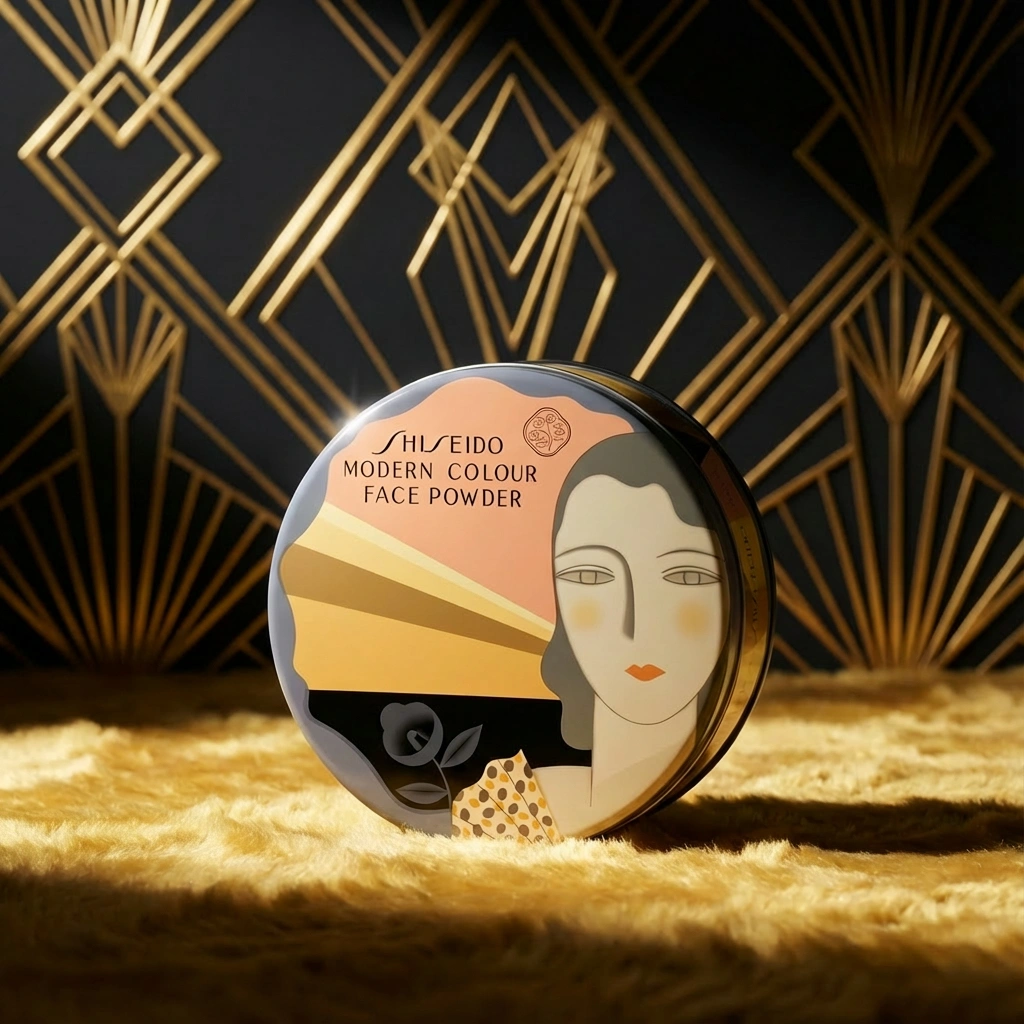
Shiseido (Japan) – Historical Art Deco Pioneer
- 1932 Modern Color Face Powder: According to Shiseido’s Corporate Museum, this product showed “a beautiful harmony of Art Nouveau and Art Deco elements… very representative of the pre-war Shiseido packaging aesthetic”
- Signature arabesque patterns: Shiseido developed distinctive geometric arabesque designs that appeared across packaging, wrapping paper, and promotional materials throughout the 1920s–1940s
- 1932 Deluxe brand: Featured beaded glass bottles with “traditional arabesque motifs refined into a modern look” according to museum archives
- Design philosophy: Integrated Western Art Deco geometry with Japanese aesthetic sensibilities—clean lines, refined ornament, quality materials
Contemporary Landscape:
- Korean luxury brands like Sulwhasoo and The History of Whoo focus primarily on traditional Korean royal court aesthetics rather than Western Art Deco
- Japanese heritage brands maintain minimalist geometric sensibilities but rarely invoke explicit Art Deco references in current lines
- Market opportunity exists for brands to bridge Art Deco’s geometric language with Asian symbolic traditions
Middle Eastern Markets
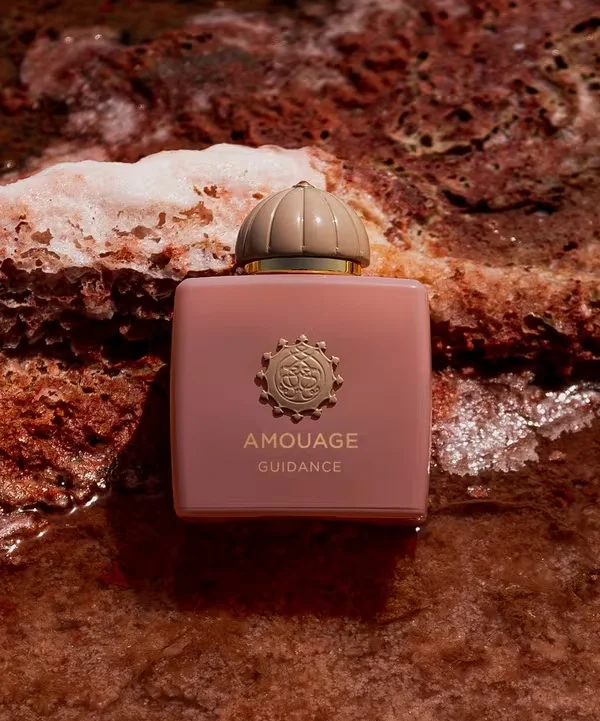
Amouage (Oman) – Mosque-Inspired Design
- Documented architectural inspiration: According to Instagram posts from Amouage and Facebook announcements, the brand explicitly states: “The ornate cap had the shape of a pointed mosque dome in richly-colored metal, inspired by classical Arabian architecture”
- Sultan Qaboos Grand Mosque reference: Women’s fragrance bottles feature “a cap inspired by the dome of the Sultan Qaboos Grand Mosque in Muscat, the capital of Oman”
- Original cubical design: First-generation bottles featured “unique cubical shape with intricately patterned plating” combining geometric precision with ornate surface decoration
- Contemporary evolution: Current bottles maintain dome-shaped caps while simplifying silhouettes, bridging classical Islamic architecture with modern luxury aesthetics
Design elements common in Gulf fragrance packaging:
- Geometric tessellation: Alibaba market analysis notes that “The design language of Arabic oud perfumes draws heavily from Islamic art and Middle Eastern heritage. Geometric patterns, arabesque motifs, and Arabic calligraphy…”
- Heavyweight construction: Cultural preference for substantial, display-worthy bottles (often 300g+) that signal permanence and quality
- Dark glass for oud: Practical requirement—photosensitive oudh oils require amber or cobalt glass protection
- Display culture: Bottles designed as decorative objects for majlis (reception room) placement, not hidden in cabinets
- Dome and arch forms: References to Islamic architectural elements appear across multiple regional brands
Market Reality:
- While brands like Swiss Arabian, Rasasi, and Arabian Oud are major players, specific Art Deco design documentation is limited in public sources
- The natural alignment between Islamic geometric patterns (tessellation, arabesques) and Art Deco’s geometric vocabulary creates visual synergy, though brands rarely explicitly invoke “Art Deco” terminology
- Opportunity exists for explicit fusion of 1920s Art Deco skyscraper forms with mosque-inspired design language
Conclusion: The Timeless Power of Geometry
Art Deco’s resurgence in perfume packaging is a recognition that certain design principles transcend eras. Geometry, symmetry, and luxurious materials speak a universal language of quality and aspiration.
What makes Art Deco particularly relevant in 2025 is its compatibility with sustainability. Unlike many historical design movements that relied on excess, Art Deco’s emphasis on clean lines and essential forms aligns perfectly with circular economy principles. A well-designed Art Deco bottle is an object you’ll keep, refill, and display for years.
For brands navigating the intersection of luxury, sustainability, and visual storytelling, Art Deco offers a proven framework. The movement’s architectural roots remind us that great design is about structure, proportion, and enduring beauty.
As we approach the century mark since the 1925 Paris exposition that gave Art Deco its name, the movement’s geometric legacy has never been more relevant. In an age of digital overload and fast-fashion disposability, the physical presence of a beautifully crafted, architecturally inspired perfume bottle offers something increasingly rare: a tangible connection to craftsmanship, heritage, and timeless style.
FAQs
Art Deco bottles feature geometric patterns (chevrons, zigzags, sunbursts), symmetrical composition, vertical emphasis, luxe materials (heavy glass, metal accents), and decorative techniques like embossing, frosting, or metallic trim. The design language draws from 1920s–30s architecture and decorative arts.
It depends. Simple geometric designs using stock molds can cost no more than organic forms. However, custom molds with intricate embossing, multi-layer frosting, and metallic finishes add 30–60% to unit costs. The investment pays off through higher retail pricing and stronger brand perception.
Absolutely. Modern interpretations use recycled glass (50–80% PCR), FSC-certified wood caps, PVD-coated metals (vs. chrome), and refillable systems. Art Deco’s emphasis on timeless, heirloom-quality design actually supports circular economy principles—bottles designed to last a decade rather than one season.
Timeline depends on complexity:
- Stock mold with custom decoration: 6–8 weeks (design approval → production → decoration → assembly)
- Semi-custom (existing mold, custom cap/finish): 8–12 weeks
- Fully custom mold: 16–20 weeks (mold engineering → sampling → approval → production)
Art Deco’s versatility is one of its strengths. It works beautifully for:
- Orientals and gourmands: Heavy glass complements rich scents
- Chypres and woody fragrances: Geometric forms suggest sophistication
- Florals: Frosted glass and soft geometries avoid visual heaviness
- Citrus and aquatic: Clear faceted glass refracts light, suggesting freshness
Less ideal for: ultra-minimalist scandi-inspired brands or overtly feminine/masculine designs where geometric neutrality doesn’t serve the narrative.
Strategies include:
- Design patents: Protect ornamental design (shape, pattern, proportion)
- Trademarks: For distinctive geometric logos or patterns
- Trade dress: Overall “look and feel” of packaging
- Manufacturing partnerships: Work with suppliers who enforce anti-knock-off clauses