logo

Custom Plastic Bottles for
Cosmetics, Skincare & Personal Care

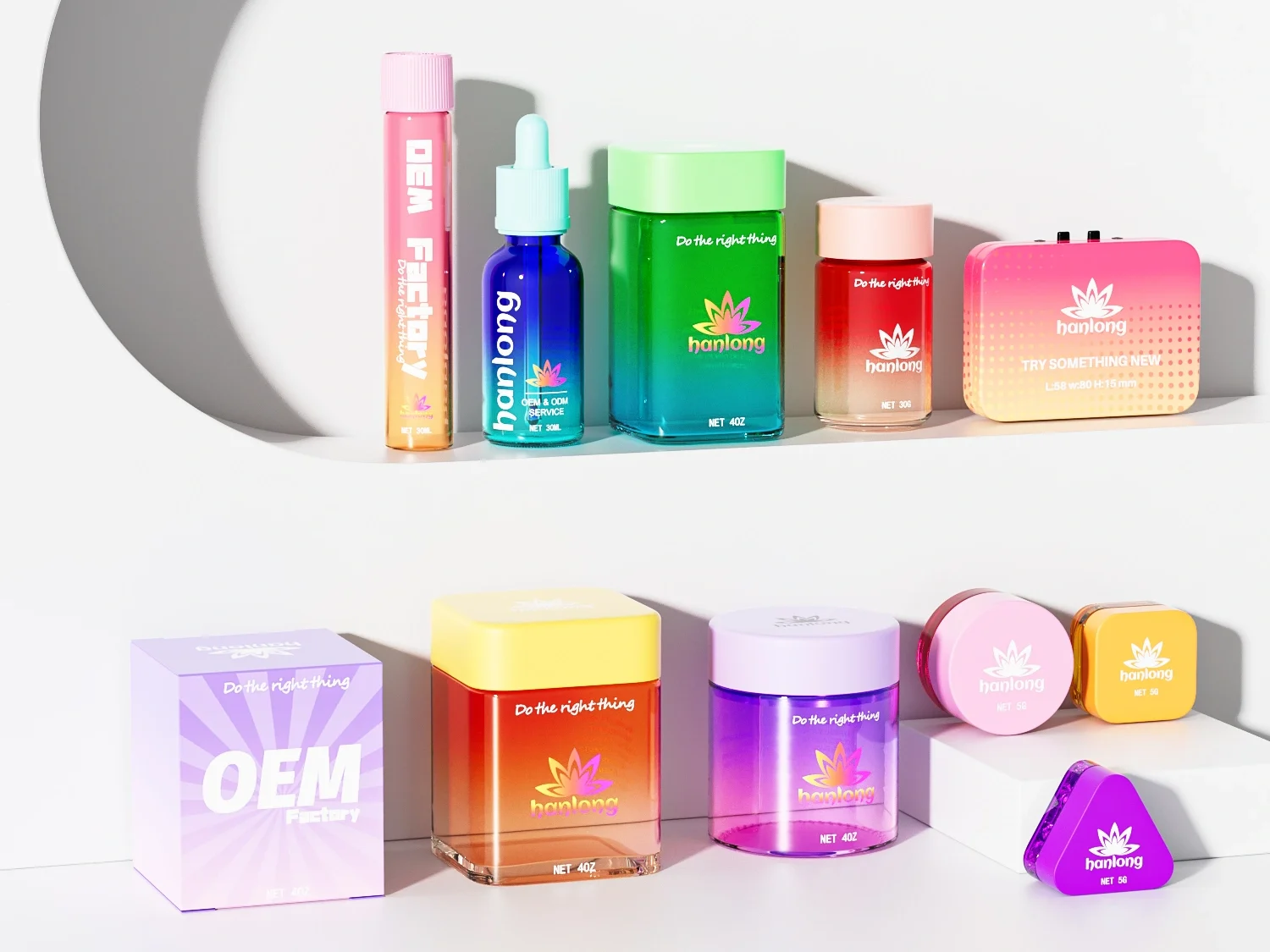
Plastic cosmetic bottles help brands deliver a practical, user-friendly packaging experience while keeping logistics efficient and design options open. With widely used standard sizes and functional closures, your team can move faster from concept to production—without sacrificing shelf presence.

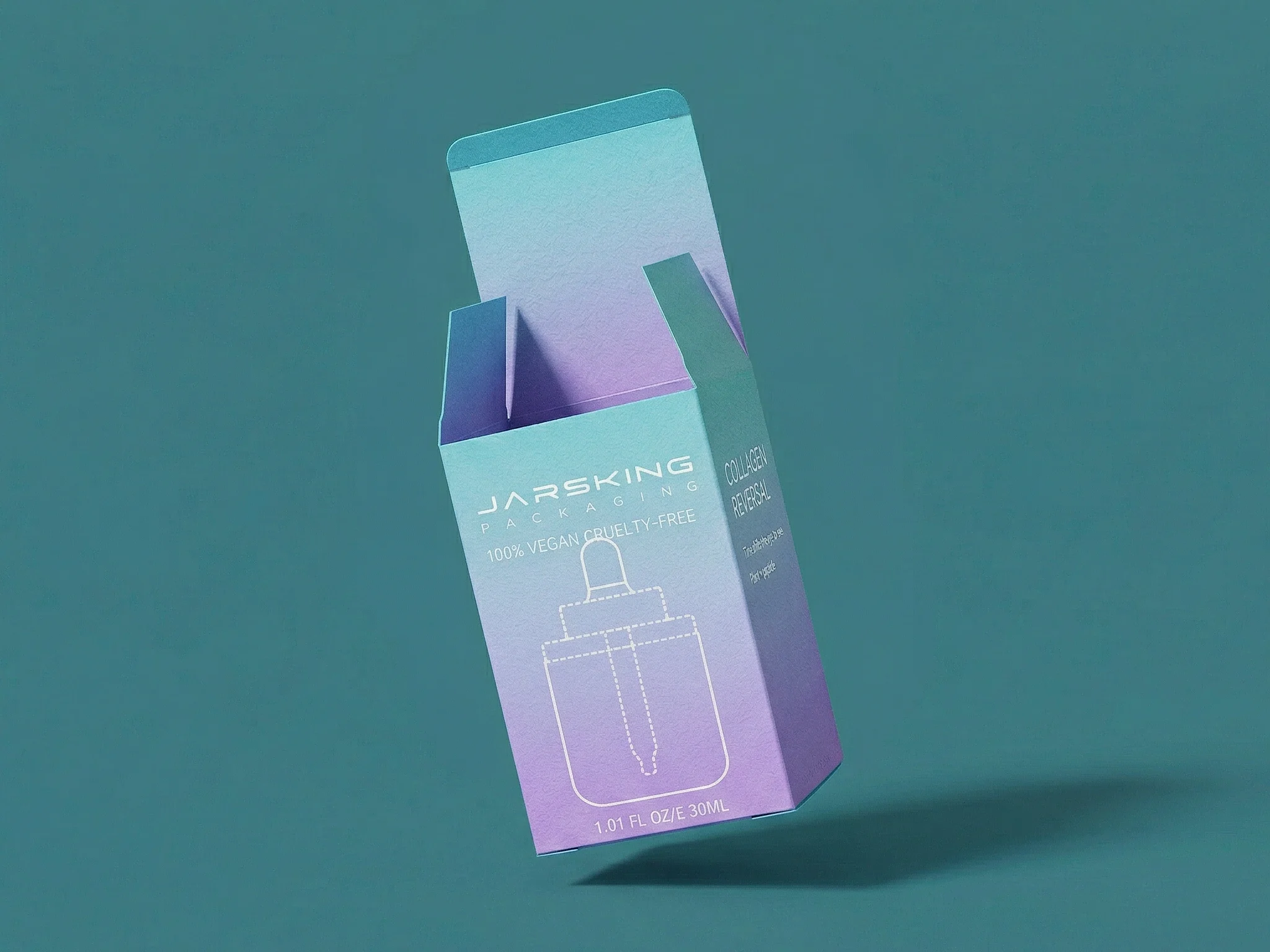
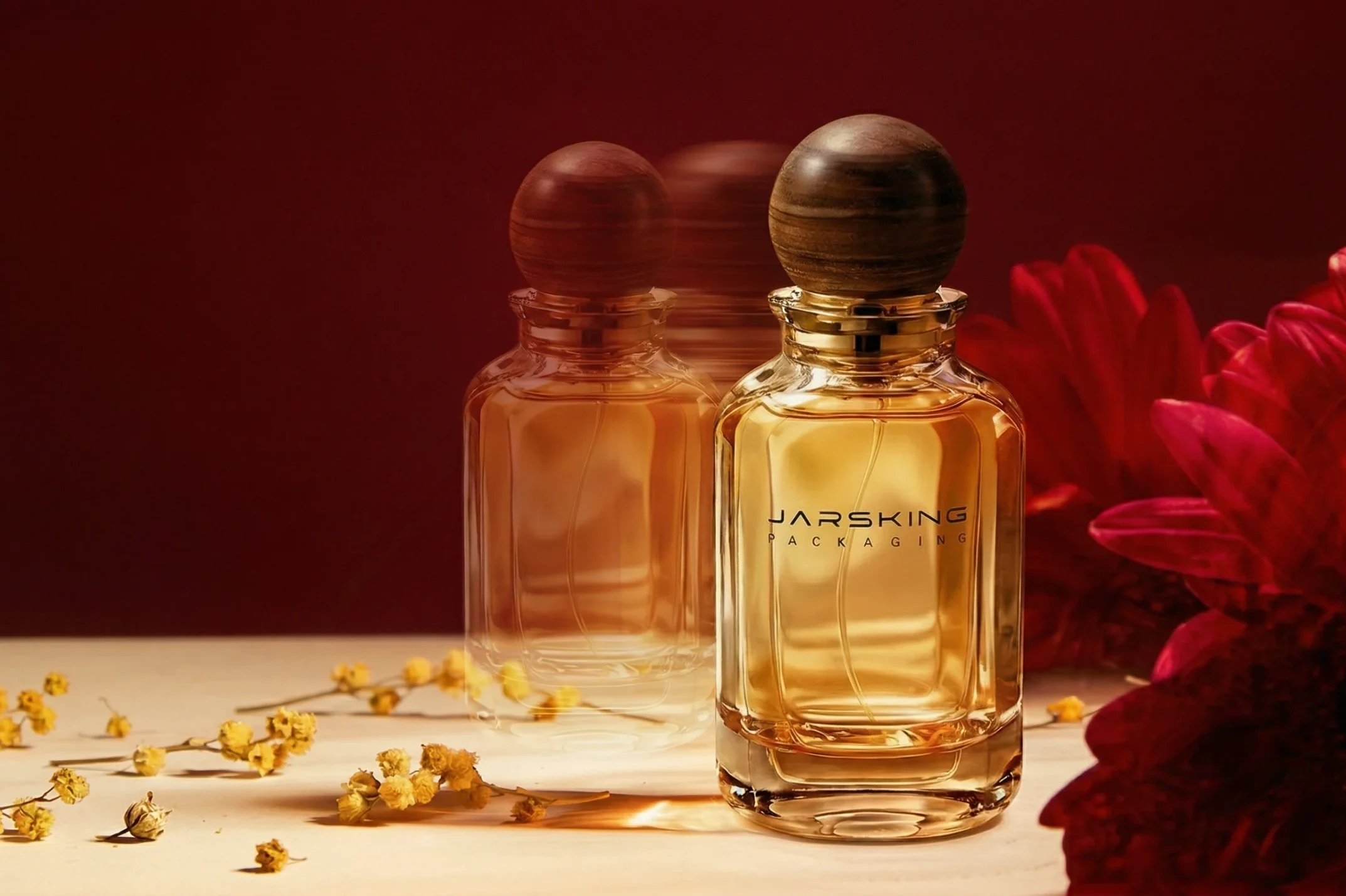
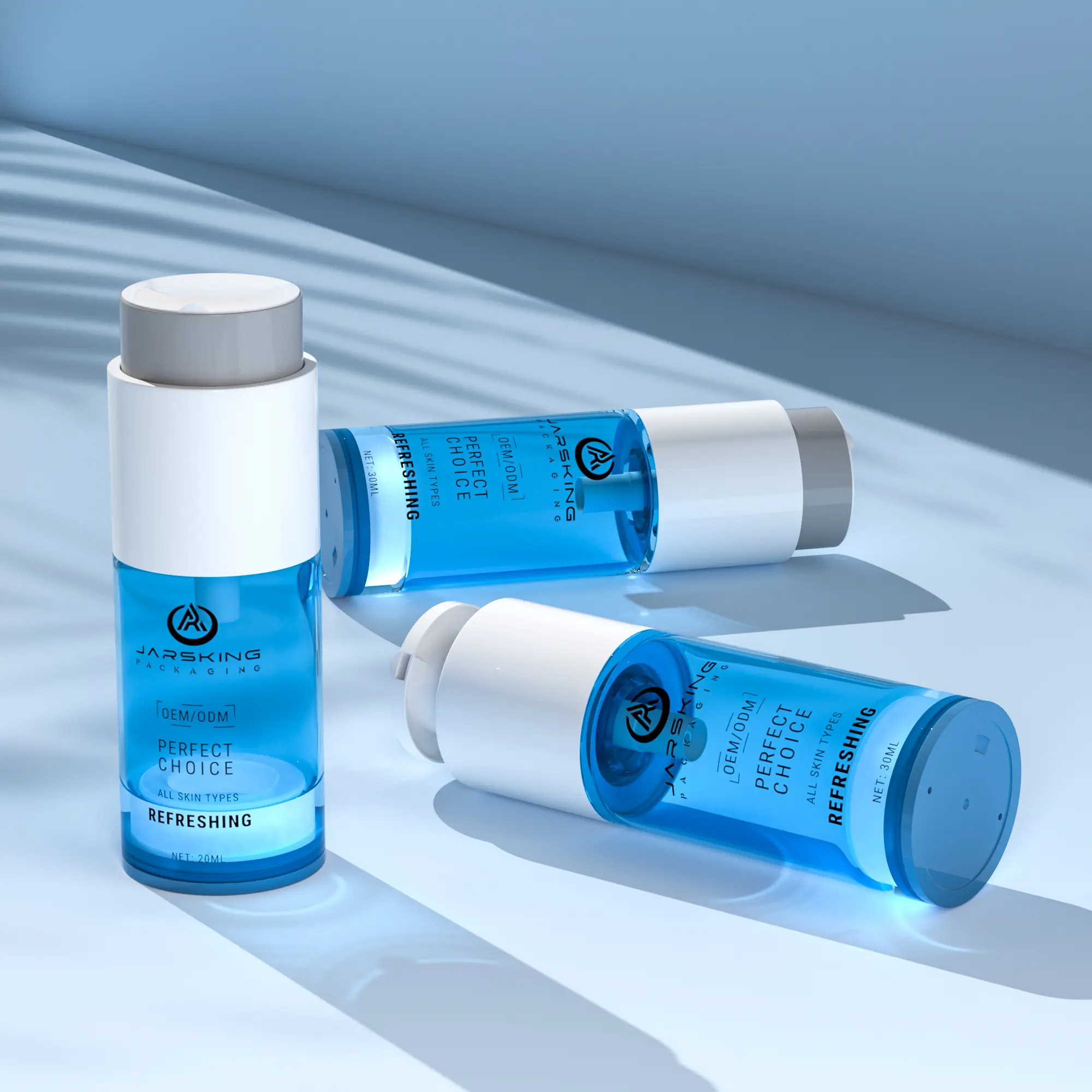
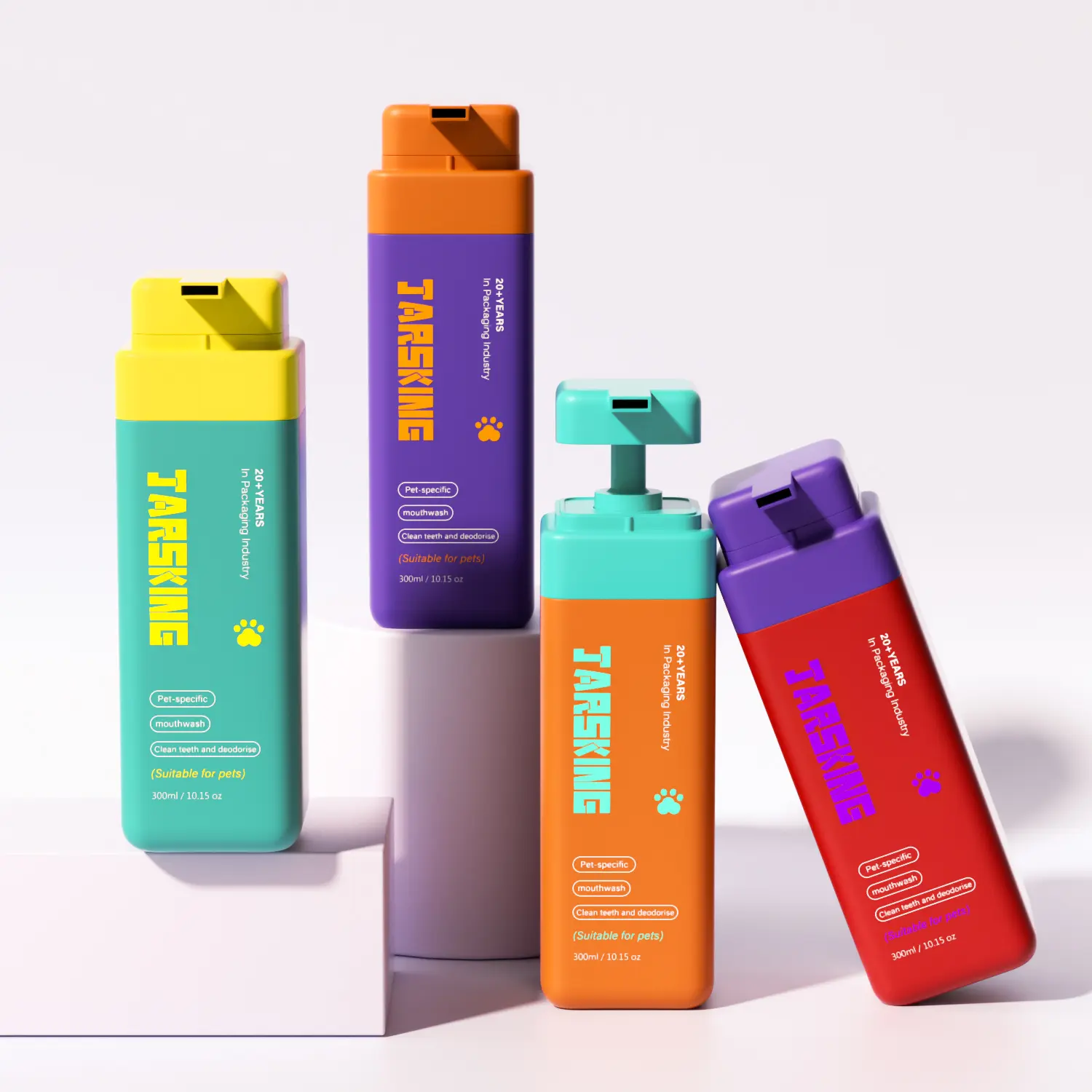
Jarsking provides custom plastic bottles across PET, HDPE, LDPE, PVC, PP, PS, acrylic, and more—supporting practical performance, consistent manufacturing, and flexible decoration for B2B beauty and personal care brands. Private label support is available for qualified projects.

Performance
First

Bottle formats, closures, and resin choices engineered for stable filling and formulation compatibility.

Sustainability
Integrated

Recycled-content and lower-impact resin options available without sacrificing packaging functionality.

Quality
Assured

Consistent production standards and print execution designed to keep every run brand-alignment.

Customization
Ready

Decoration and finishing options build differentiation across sizes, closures, and brand aesthetics.

Plastic Cosmetic Bottles Materials Guide

Choose your material with fewer surprises. The 9 plastics below are organized for how beauty teams actually buy: what each resin solves, where it can fail in real formulas and filling workflows, how to de-risk with compatibility/QA checks, what design-for-recycling requires, and which bottle + closure pairings perform best at scale. 

PET
cosmetics bottles icon
HDPE
ldpe
pp
PET bottle

PET

PET delivers clear shelf presentation with good rigidity and efficient lightweight shipping—ideal when product visibility and a clean, modern look drive conversion. PET is widely used for body care, hair care, and clear skincare where transparency is part of the brand story.

Failure modes & watch-outs

How to de-risk (compatibility/testing + QA checks)

Design-for-recycling constraints

PET is often favored for recyclability, but recyclability depends on the whole pack, especially labels/adhesives/sleeves.

Best-fit bottle + closure pairings

20ml airless PETG pump bottle

PETG

PETG is chosen for premium clarity and toughness—when brands want an elevated look with improved impact resistance and process flexibility compared with some clear plastics. It’s often used for prestige-feel bottles where clarity is non-negotiable.

Failure modes & watch-outs

How to de-risk (compatibility/testing + QA checks)

Design-for-recycling constraints

Make the recyclability story explicit: if the market stream is PET-focused, sustainability teams may prefer PET (or another mono-material approach) over PETG. 

Best-fit bottle + closure pairings

Glossy surface HDPE cosmetic bottles

HDPE

HDPE is the “get it to market safely” resin for skincare and personal care: strong impact resistance, forgiving in transit, and a practical fit for everyday routines where durability matters more than crystal clarity. It’s often chosen when brands prioritize stability, protection, and consistent line performance.

Failure modes & watch-outs

How to de-risk (compatibility/testing + QA checks)

Design-for-recycling constraints

HDPE recyclability is strongly affected by color, labels, adhesives, and closures—treat these as system decisions, not afterthoughts. Use Design-for-Recycling guidance to avoid “detrimental features” and keep components compatible with the intended stream.

Best-fit bottle + closure pairings

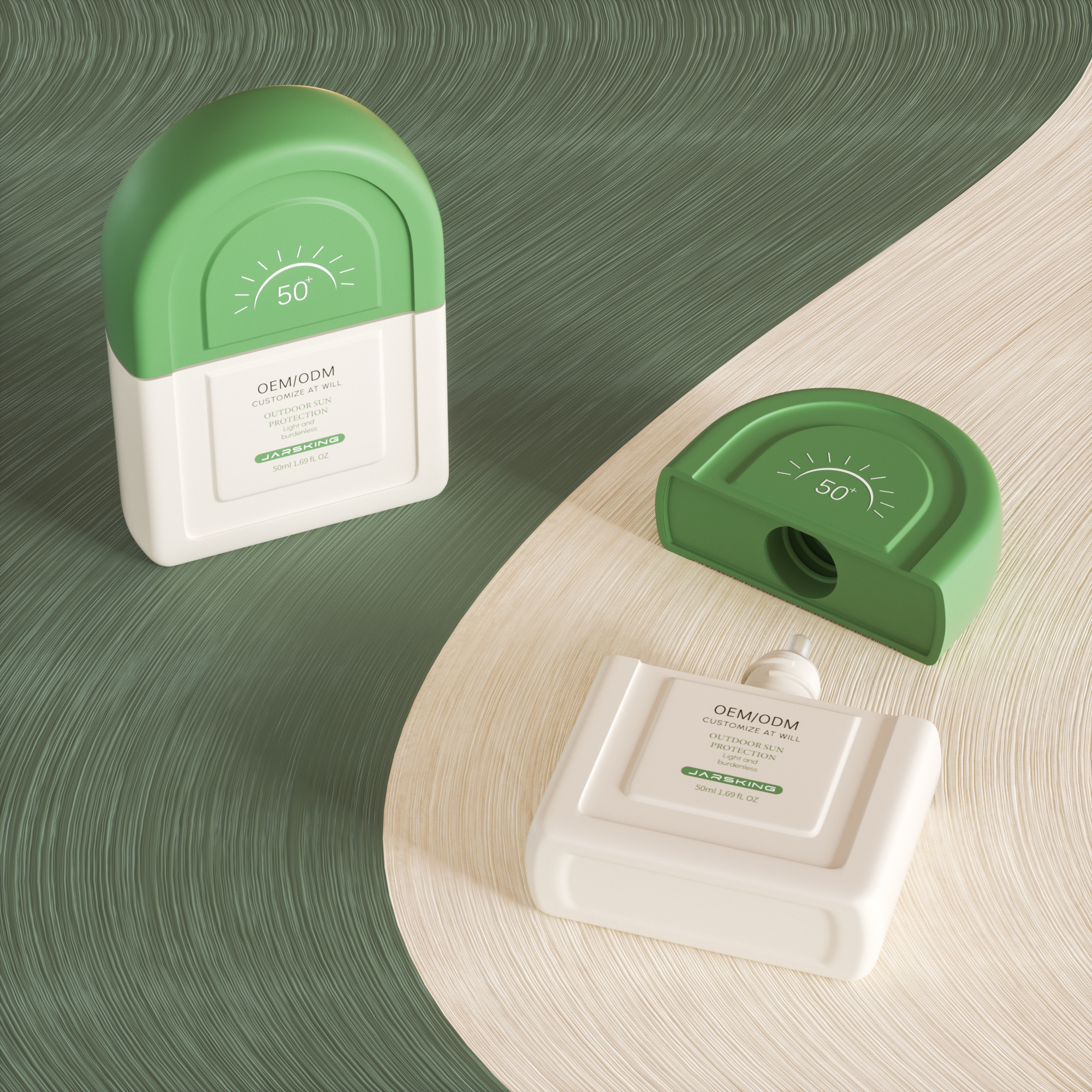
squeeze sunscreen bottle supplier

PE / LDPE

LDPE/PE excel in squeezability and user comfort—ideal for cleansers, sunscreens, masks, and products where controlled squeeze dispensing improves the consumer experience.

Failure modes & watch-outs

How to de-risk (compatibility/testing + QA checks)

Design-for-recycling constraints

PE-family recyclability depends on local streams and the full pack build (labels, inks, closures).

Best-fit bottle + closure pairings

shampoo packaging

PP

PP is the workhorse for functional packaging and closures, valued for chemical resistance across many everyday cosmetic chemistries and reliable performance for dispensing components. It’s a common choice when brands need a pragmatic, repeatable pack with stable cost and broad closure options.

Failure modes & watch-outs

How to de-risk (compatibility/testing + QA checks)

Design-for-recycling constraints

PP recyclability can be improved by keeping mono-material design intent (PP bottle + PP closure where feasible)

Best-fit bottle + closure pairings

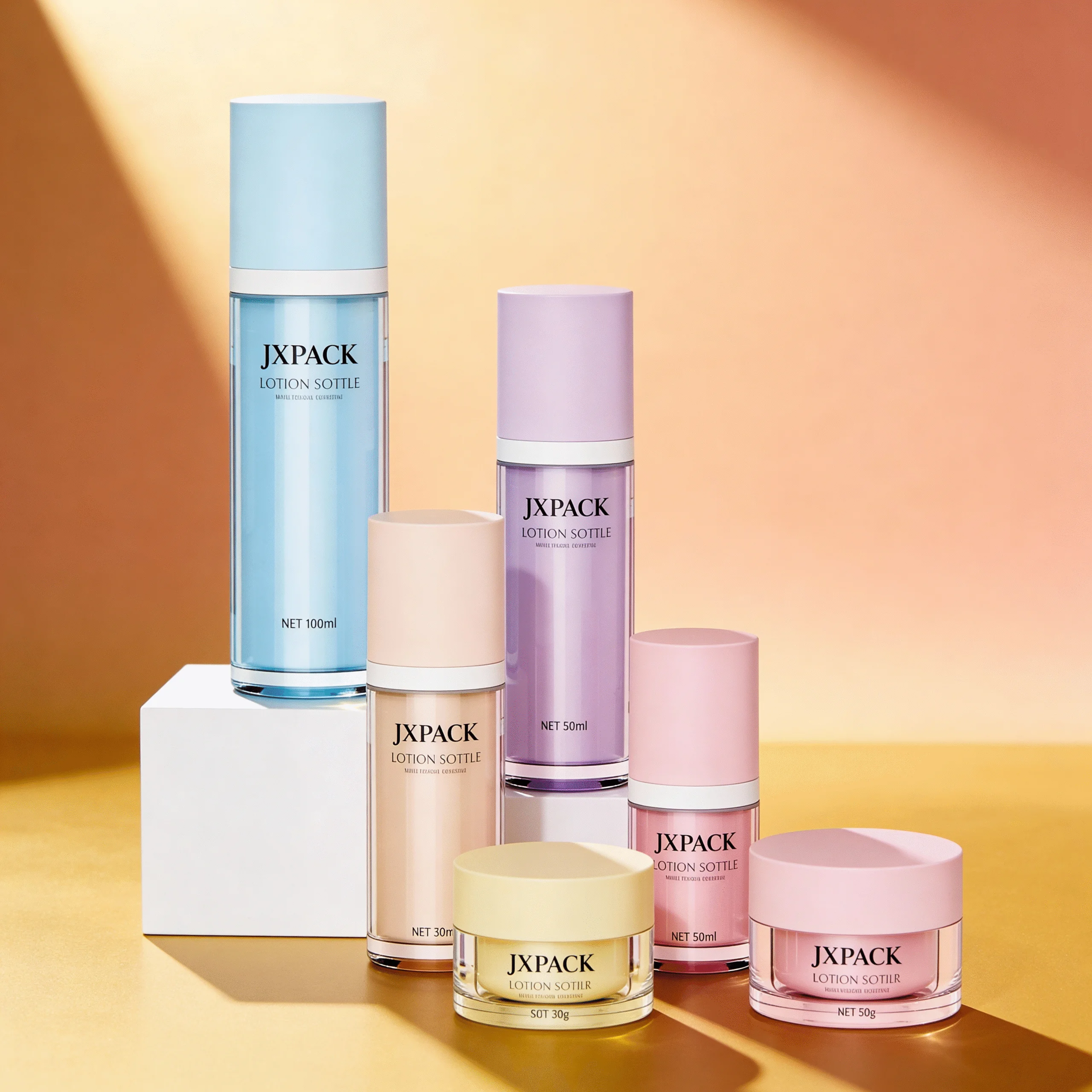
acrylic skincare packaging

Acrylic (PMMA)

Acrylic supports luxury aesthetics—high clarity, high-gloss surfaces, and “weighty” premium perception that aligns with prestige skincare positioning.

Failure modes & watch-outs

How to de-risk (compatibility/testing + QA checks)

Design-for-recycling constraints

Acrylic is typically a more complex story for recycling than PET/HDPE/PP; sustainability teams may prefer a design strategy that reduces mixed materials.

Best-fit bottle + closure pairings

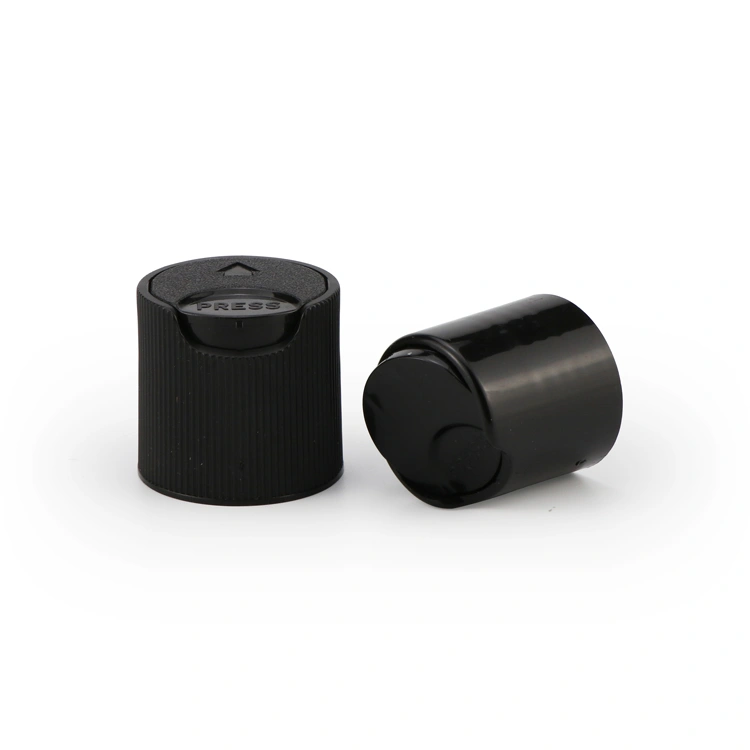
disc top caps

PS

PS can support rigid forms and crisp detailing for certain packaging components where stiffness and clean molding are desired (often more component-driven than “hero bottle” driven).

Failure modes & watch-outs

How to de-risk (compatibility/testing + QA checks)

Design-for-recycling constraints

PS recycling varies widely by region; if sustainability is a primary KPI, consider aligning with more widely recovered resins.

Best-fit bottle + closure pairings

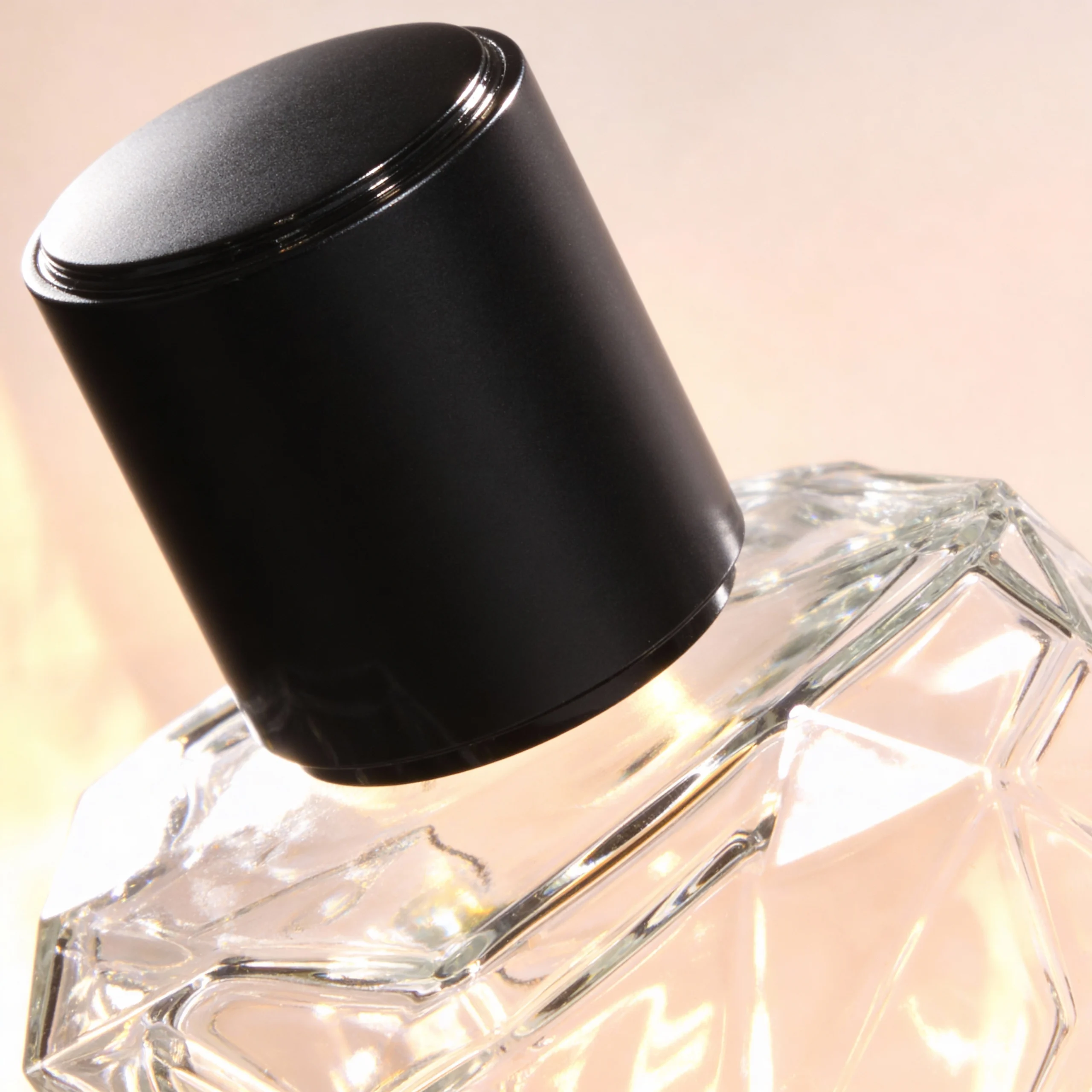
ABS bottle cap

ABS

ABS is frequently chosen for durable components that need toughness and a premium hand-feel—often in caps, overcaps, actuators, and decorative parts where rigidity and impact resistance matter.

Failure modes & watch-outs

How to de-risk (compatibility/testing + QA checks)

Design-for-recycling constraints

Mixed-material components can reduce recyclability; keep component architecture simple.

Best-fit bottle + closure pairings

pre roll tube plastic cap

AS / SAN

SAN offers high clarity with rigidity, often used where brands want a clear, glossy component with stronger stiffness than some alternatives—commonly in caps and certain bottle applications.

Failure modes & watch-outs

How to de-risk (compatibility/testing + QA checks)

Design-for-recycling constraints

Like other non-core recycling resins, SAN may complicate the recycling narrative; if sustainability messaging is critical, consider alternative resins.

Best-fit bottle + closure pairings

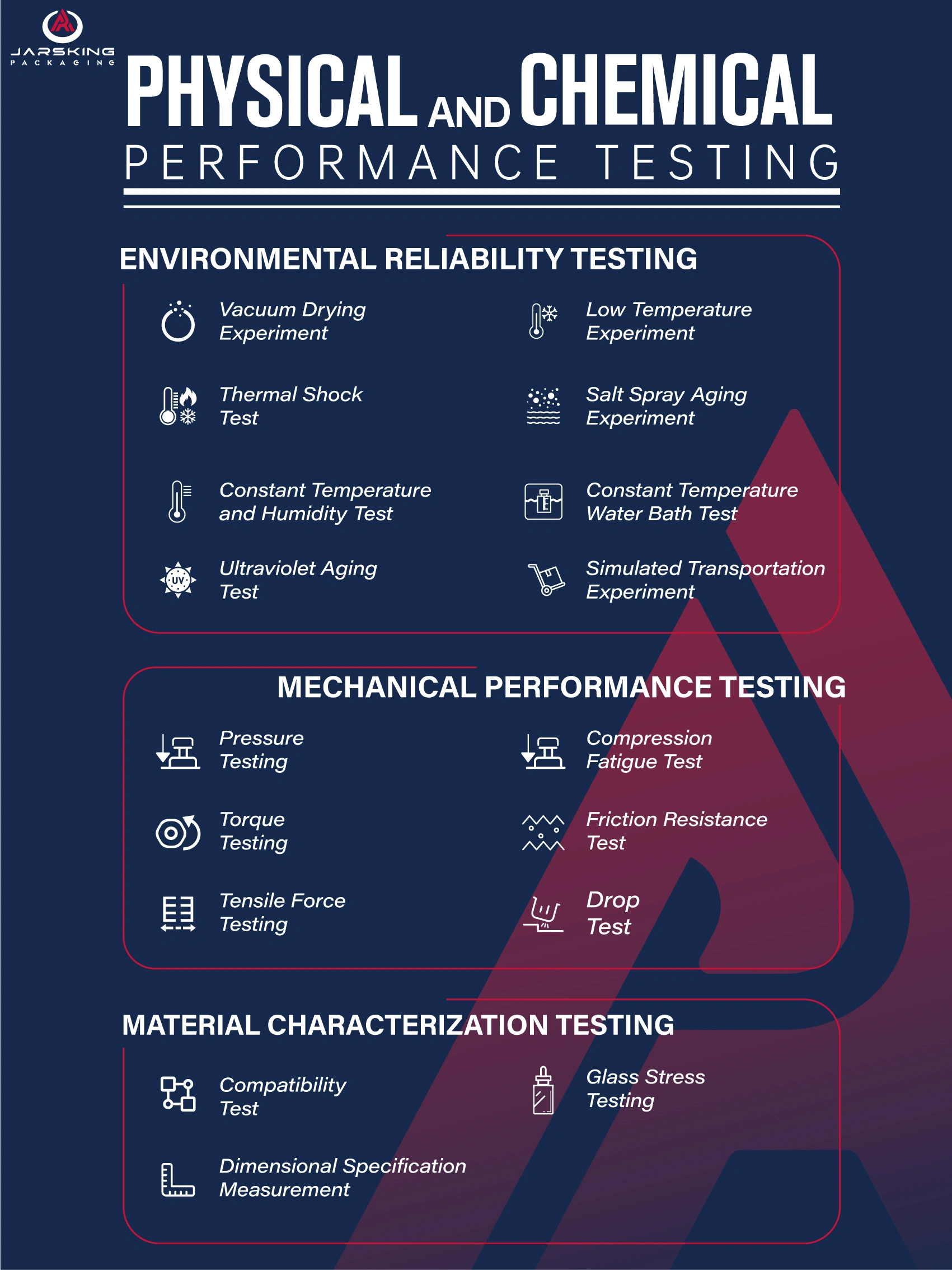
Quality Tests for Plastic Cosmetic Bottles + Closures

You don’t need every lab test to qualify a plastic bottle—what you need is a tight set of tests that catch the failures beauty brands actually see: leaks in transit, cracking from formula stress, decoration wear, and fit/dispense issues at scale. Below are the most necessary tests for plastic cosmetic packaging.

Why it’s necessary: This is the single most important gate for cosmetics because formula chemistry can slowly attack plastics, closures, or liners—causing late-stage failures after launch. 

What it checks:

  • Bottle/closure stress cracking, crazing, whitening (common with surfactants, fragrance systems, some solvents)
  • Swelling/softening of bottle walls or closure components (affects squeeze feel + sealing)
  • Discoloration / haze (hurts shelf presentation for clear packs)
  • Odor impact (fragrance loss or odor pickup through permeation)
  • Dispensing performance drift (pump sticking, sprayer changes, product creep into threads)

How brands typically run it:

  • Real formula in final bottle + final closure, stored at multiple temperatures
  • Visual + functional checks at set intervals (leaks, torque, appearance, pump output)

Why it’s necessary: In beauty, “cap tightness” isn’t cosmetic—it’s seal integrity + consumer usability + repeatability on filling lines. Torque issues are a top driver of leaks and customer complaints. 

What it checks:

  • Application torque window (what your filling line should apply)
  • Removal torque (consumer-openable without being too loose)
  • Torque retention after time/temperature cycling (caps can relax; pumps can loosen)

Pass/fail is business-critical for:

  • E-commerce shipping
  • Travel sizes
  • Active skincare where leakage is unacceptable

Why it’s necessary: This validates the package can hold internal stresses without weeping or deformation—important for pumps, sprayers, and certain viscous formulas that create back-pressure in dispensing. 

What it checks:

  • Seal integrity under internal load
  • Weak points at neck finish, thread engagement, and closure interfaces
  • Deformation risk for thinner-wall bottles

Why it’s necessary: The beauty category sees high drop exposure—bathrooms, travel bags, retail handling, fulfillment. Drop testing catches brittle failures and closure pop-offs before you scale. 

What to validate (best practice for cosmetics):

  • Filled bottle + final closure + any overcap
  • Multiple orientations (base, shoulder, cap-end)
  • Post-drop checks: leak, crack, pump actuation, dip tube integrity, decoration damage

Why it’s necessary: Many cosmetic packaging failures don’t happen in a single drop—they happen after hours of vibration + compression + temperature shifts, especially for global shipping and e-commerce.

What it catches that drop tests miss:

  • Slow leaks (“weeping”) through threads
  • Pump collar loosening
  • Label edge lift / scuffing from carton movement
  • Paneling or ovalization of bottles under load

Why it’s necessary: Humidity + heat is a common reality for bathrooms, tropical logistics, and long storage. It can expose label failures, adhesion issues, and dimensional drift that causes leaks. 

What it checks:

  • Label adhesive stability (edge lift, whitening, slip)
  • Decoration durability (rub resistance changes after conditioning)
  • Closure fit changes (plastic relaxation → torque loss)

Why it’s necessary: Beauty products face temperature swings: hot truck → cold warehouse → consumer bathroom. Thermal shock helps identify crack initiation and seal movement early.

What it checks:

  • Micro-cracks around shoulder/neck
  • Seal movement that triggers leaks
  • Warpage that affects pump alignment and dip tube position

Why it’s necessary: For premium cosmetics, shelf appearance is part of product quality. Friction testing validates printing/labeling won’t rub off during packing, shipping, and consumer use. 

What it checks:

  • Ink/coating rub-off (dry + wet rub, including hand-lotion contact)
  • Scuffing on high-gloss surfaces
  • Barcode/QR readability retention if present
physical and chemical performance testing

From Resin Selection To Sampling—Built For Beauty Production.

Send your formula type, fill method, and dispensing requirements. We’ll recommend the best-fit resin and closure system, align decoration with durability needs, and confirm the QA checks needed to reduce leaks, cracking, and rework before scale-up.

Request Quotation