logo

Material Selection Defines
Your Product Success

Every cosmetic packaging material tells a story—about your brand values, product quality, and commitment to sustainability. The wrong material choice can compromise product integrity, alienate environmentally-conscious consumers, or fail to convey the luxury your formulation deserves. The right material becomes an extension of your brand promise.

At Jarsking, material selection is both science and strategy. For over 20 years, we’ve helped 1500+ global beauty, skincare, and pharmaceutical brands navigate the complex landscape of cosmetic packaging materials—from traditional high-performance plastics to cutting-edge sustainable alternatives.

Performance
First

Every material must protect product integrity and ensure formulation stability

Sustainability
Integrated

Eco-friendly options prioritized without compromising functionality

Quality
Assured

All materials sourced from audited suppliers meeting international standards

Customization
Ready

30,000+ stock molds across all material types for fast sampling

Choose the Right Packaging Material through Three-Factor Material Selection Model

Product Formulation Compatibility

Oil-Based Products
(Facial Oils, Hair Serums, Essential Oils)

  • ✓ Best: Glass, PET, HDPE, Aluminum
  • ✗ Avoid: Some plastics without chemical resistance testing
  • Why: Oils can degrade certain plastics over time, causing leaching or packaging breakdown

Water-Based Products
(Toners, Micellar Water, Lightweight Lotions)

  • ✓ Best: PET, PP, Glass, PETG
  • Why: These materials offer moisture barriers and won’t interact with water-based formulations

Cream & Emulsion Products
(Moisturizers, Body Butters, Thick Serums)

  • ✓ Best: PP, HDPE, PETG, Glass, Acrylic
  • Why: Rigid structures prevent product dispensing issues; materials resist emulsion breakdown

Active Ingredient Products
(Vitamin C, Retinol, AHAs, Pharmaceutical)

  • ✓ Best: HDPE, Glass (Amber/Cobalt), Aluminum, Airless PP
  • Why: Superior chemical resistance and light protection preserve active ingredient efficacy
Brand Positioning Strategy

Luxury & Premium Positioning

  • Materials: Glass (Heavy-Wall, Frosted), Acrylic, Aluminum, Bamboo
  • Properties: Weight, clarity, tactile quality, perceived value
  • Consumer Psychology: Glass and heavy materials signal quality and justify premium pricing

Sustainable & Eco-Conscious Positioning

  • Materials: PCR (Post-Consumer Recycled), PLA, Bamboo, Glass, Paper, Refillable Systems
  • Properties: Recyclability, biodegradability, carbon footprint, circular economy integration
  • Consumer Psychology: Transparent sustainability credentials drive millennial and Gen-Z purchasing decisions

Value & Accessibility Positioning

  • Materials: PET, PP, PS, PE
  • Properties: Cost-efficiency, lightweight (reduced shipping), durability
  • Consumer Psychology: Functional reliability at accessible price points builds brand loyalty

Clinical & Pharmaceutical Positioning

  • Materials: HDPE, Glass (Amber), Medical-Grade PP, Aluminum
  • Properties: Chemical resistance, safety certifications, sterility compatibility
  • Consumer Psychology: Medical-grade materials build trust in efficacy claims
Technical & Functional Requirements
RequirementRecommended MaterialsWhy
UV ProtectionAmber Glass, Cobalt Glass, HDPE (Opaque), AluminumBlocks light wavelengths that degrade photosensitive ingredients
Chemical ResistanceHDPE, PP, Glass, PETGPrevents material-formulation interaction and leaching
Drop & Impact ResistanceHDPE, PP, ABS, EVAFlexible materials absorb shock without cracking
Transparency/ClarityGlass, PET, PETG, AcrylicShowcases product color and texture for visual appeal
Barrier Protection (Oxygen/Moisture)Glass, Aluminum, Airless Systems, EVOH-layer PlasticsExtends shelf life by preventing oxidation and contamination
Temperature StabilityPP, Glass, HDPE, EVAMaintains structural integrity during temperature fluctuations
Lightweight & Shipping EfficiencyPET, PLA, PP, AluminumReduces carbon footprint and logistics costs
RecyclabilityPET, HDPE, PP, Glass, Aluminum, PCRMeets circular economy and EPR (Extended Producer Responsibility) regulations

Eco-Friendly & Sustainable Materials

Modern consumers demand environmental responsibility without compromising product quality. Jarsking’s sustainable material portfolio combines

ecological integrity with premium performance—proving that sustainability and luxury can coexist.

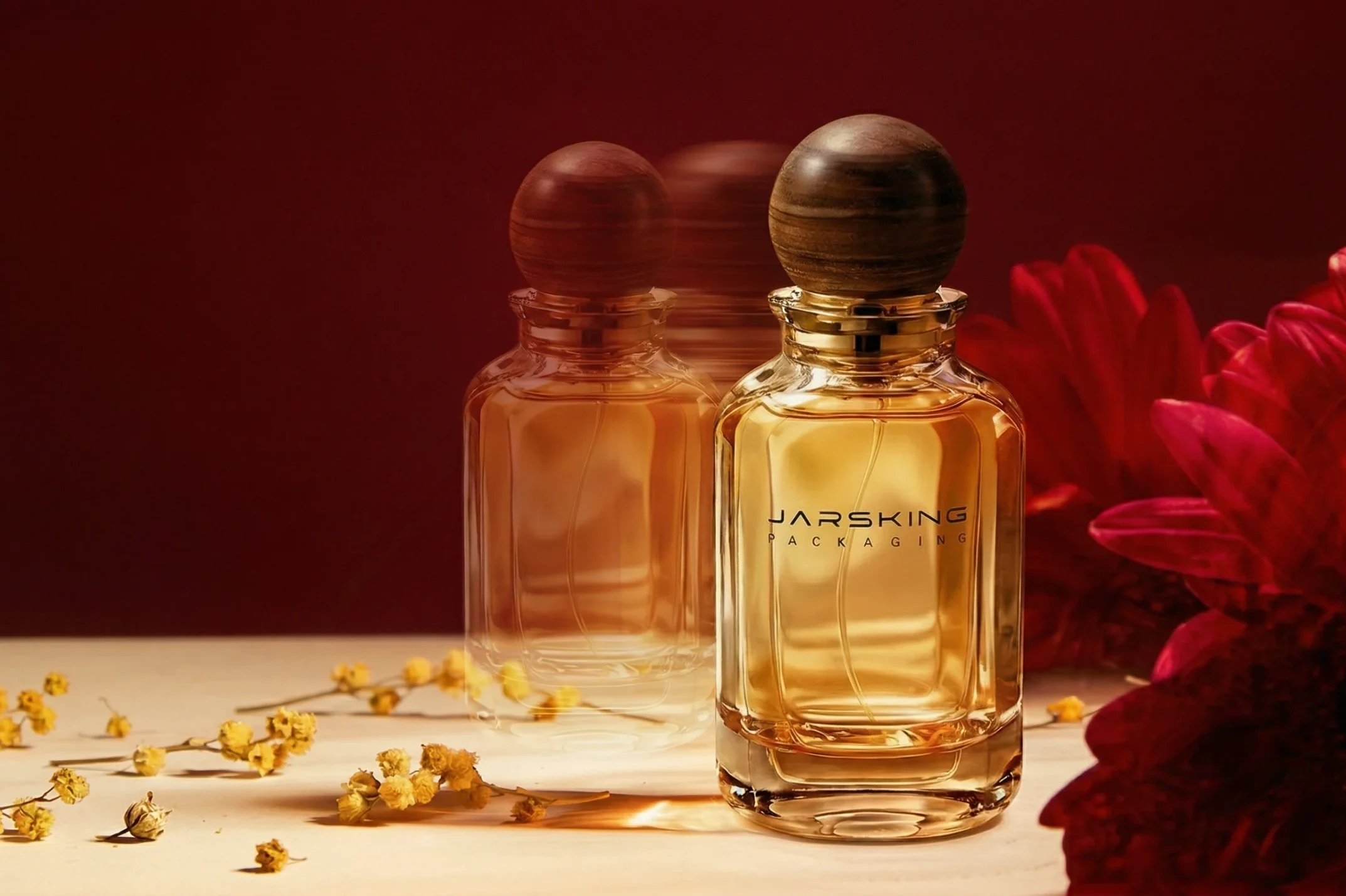
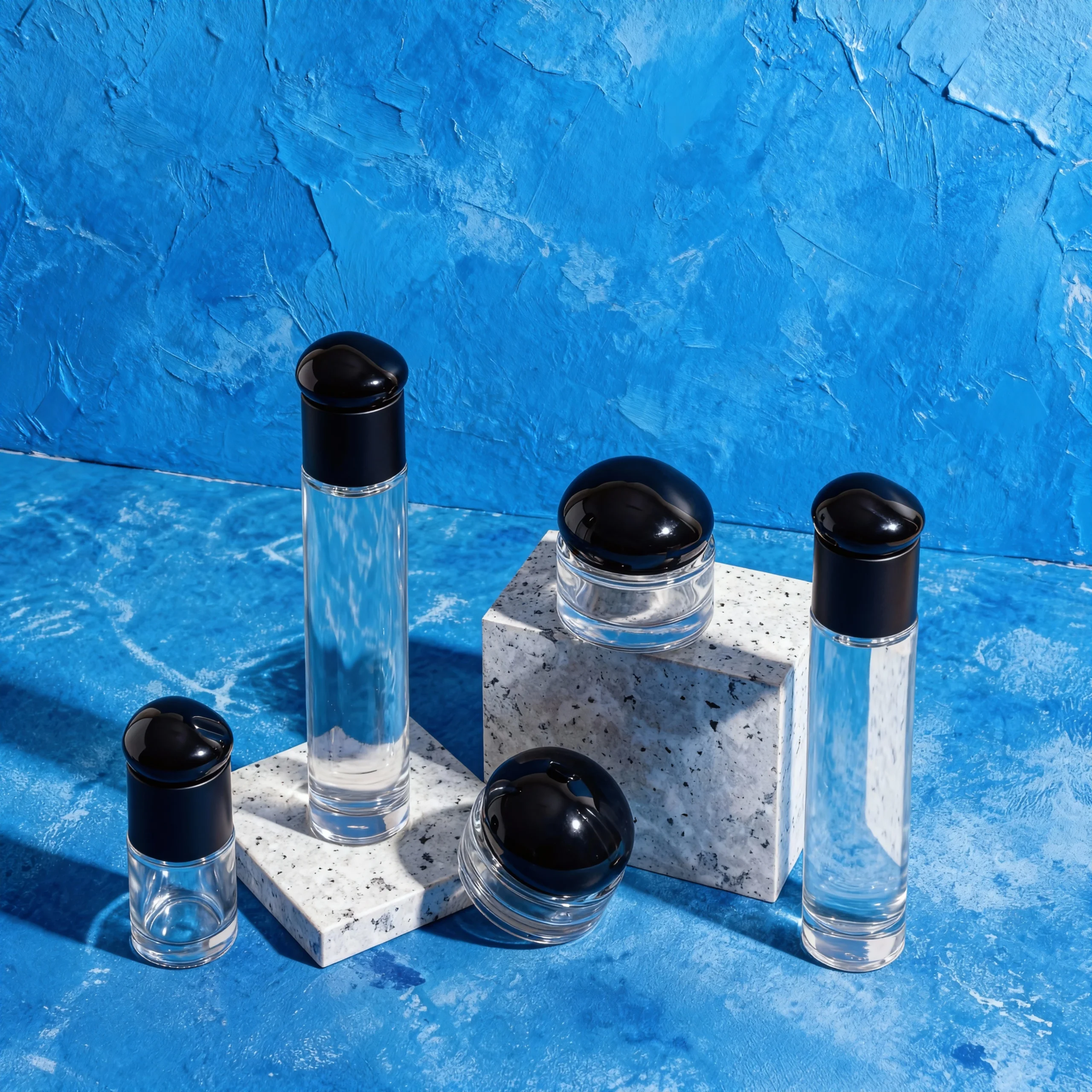
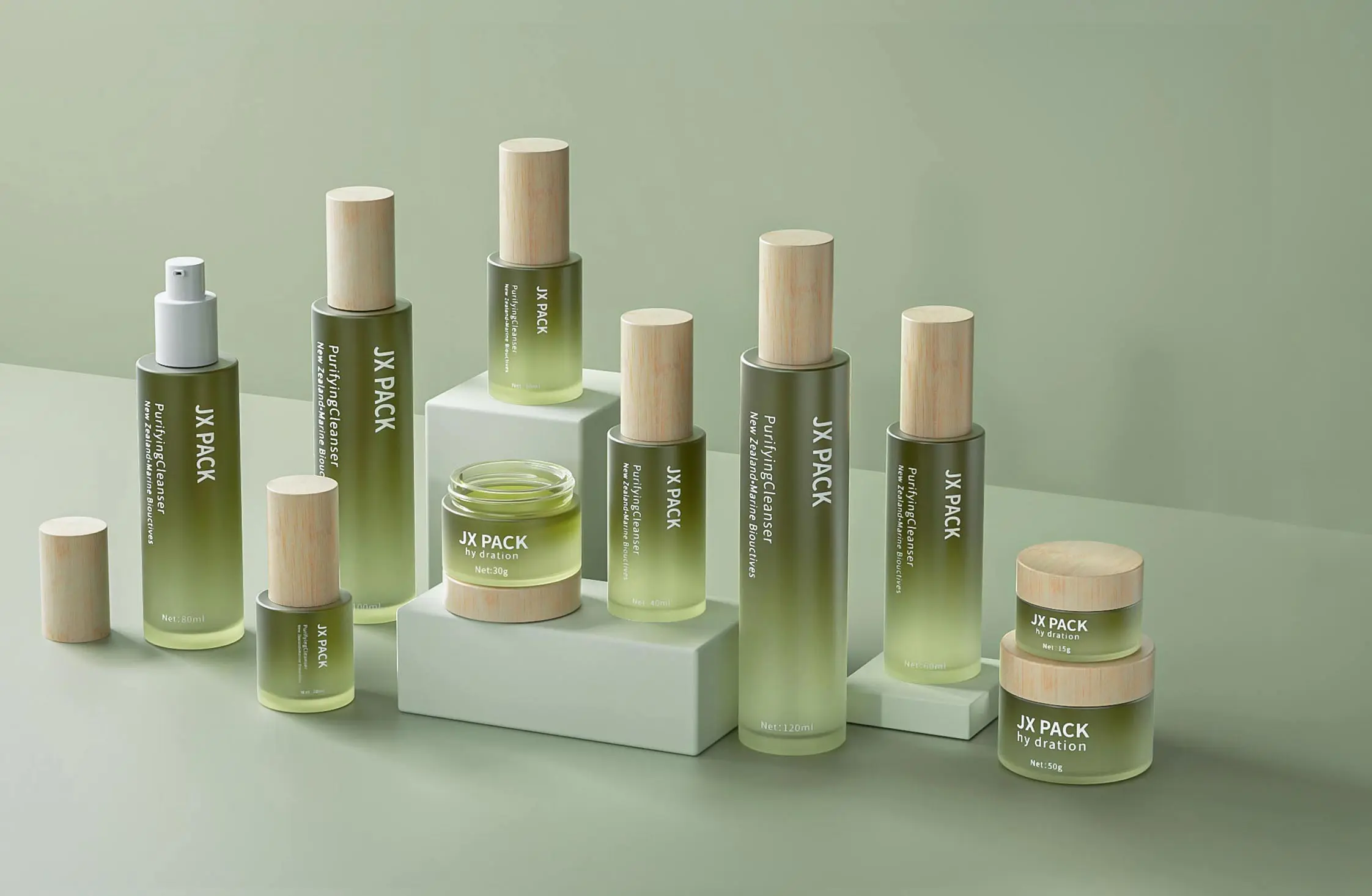
glass skincare packaging

Glass

Glass has protected precious formulations for centuries—and for good reason. As the only packaging material that is 100% inert, infinitely recyclable, and naturally luxurious, glass offers unparalleled benefits for high-end cosmetic brands.

When to Choose Glass:

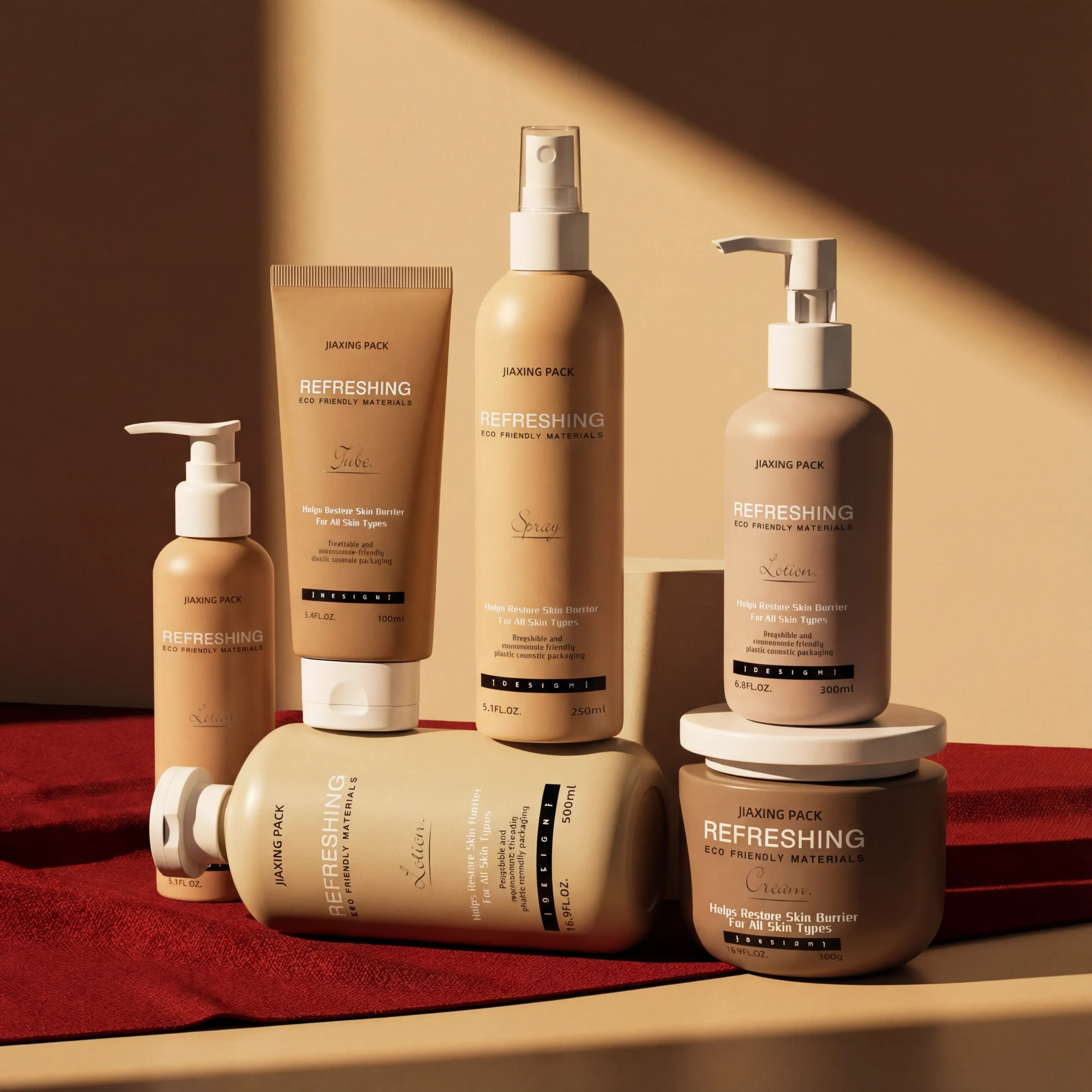
PCR skincare set

PCR (Post-Consumer Recycled)

PCR material is produced from plastic waste collected from consumer recycling streams—bottles, containers, and packaging that have completed their first lifecycle. Through sorting, cleaning, and reprocessing, these materials are transformed into resin suitable for cosmetic applications.

When to Choose PCR:

PLA skincare packaging set

PLA (Polylactic Acid)

PLA is a thermoplastic polyester synthesized from fermented plant starches (typically corn, cassava, or sugarcane). Through industrial fermentation and polymerization, these agricultural feedstocks are transformed into a versatile polymer that mimics many properties of conventional plastics like PET and PS.

When to Choose PLA:

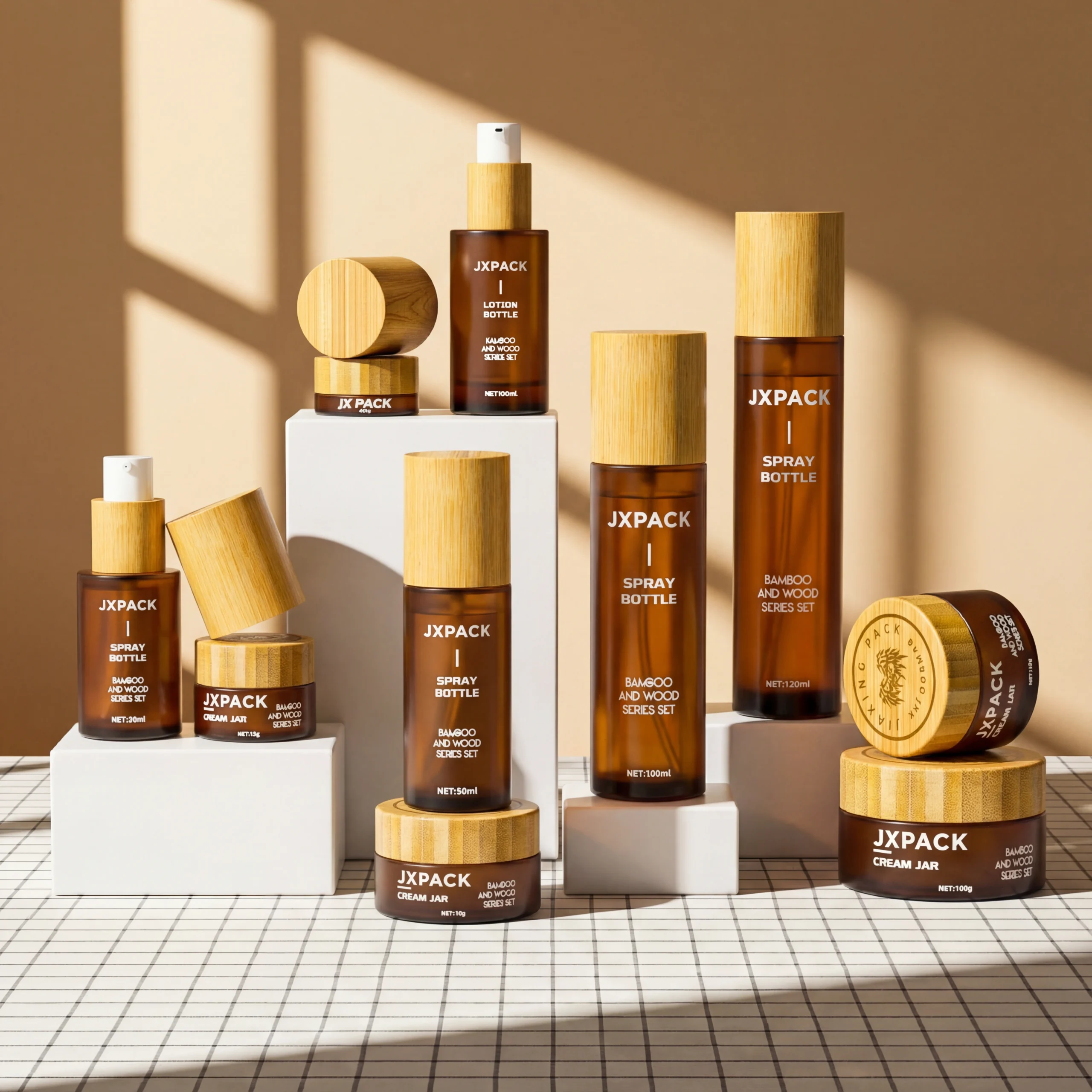
bamboo cap skincare packaging

Bamboo

Bamboo is a material that grows 3 feet per day, requires no pesticides, and sequesters 35% more CO₂ than equivalent hardwood forests. For cosmetic brands seeking to merge sustainability with tactile luxury, bamboo offers an unmatched combination of ecological credentials and premium aesthetics.

When to Choose Bamboo:

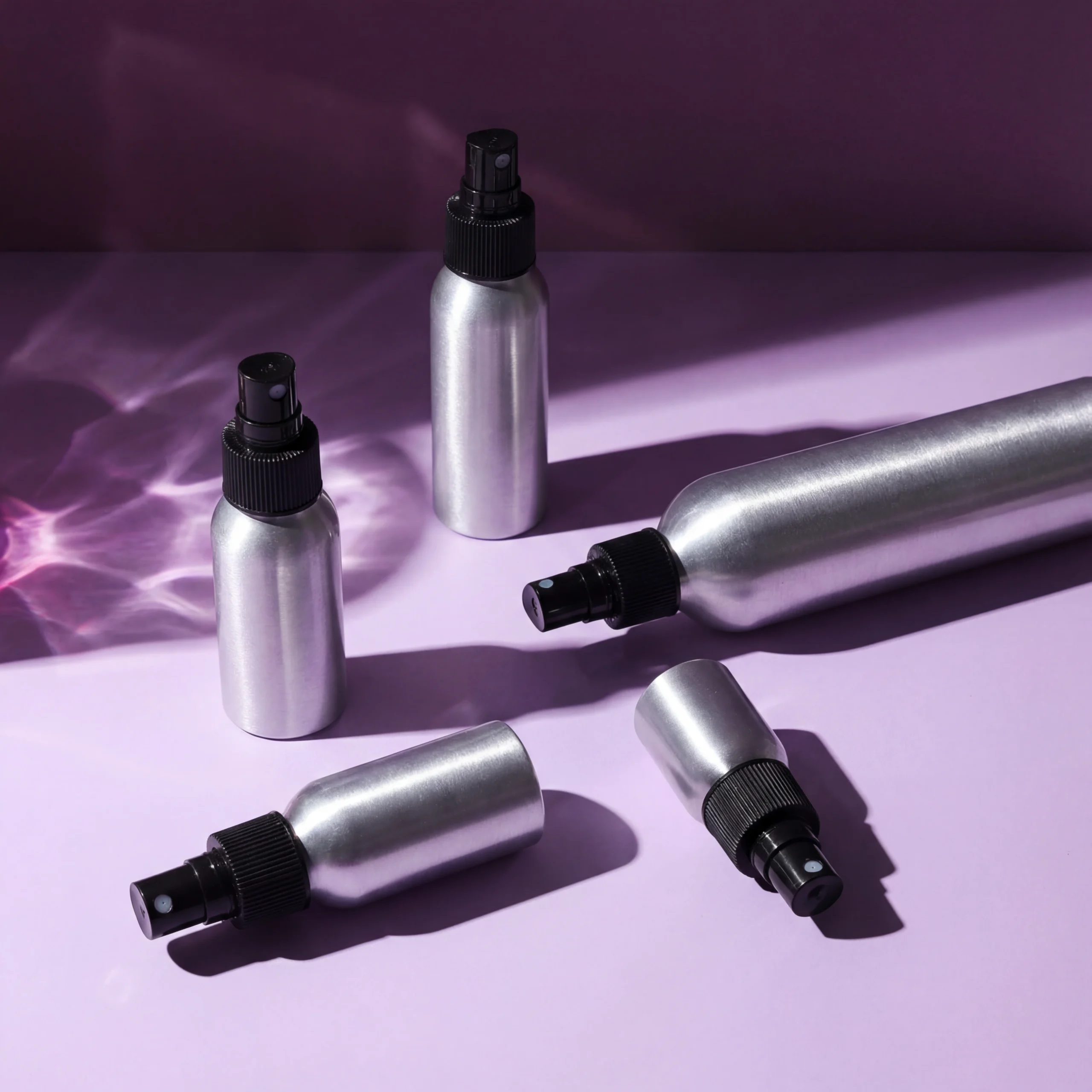
aluminum spray bottles

Aluminum

Aluminum combines the sustainability of infinite recyclability with the performance of lightweight durability and the aesthetics of modern luxury. For cosmetic brands seeking materials that embody both environmental responsibility and premium positioning, aluminum delivers across all dimensions.

When to Choose Aluminum:

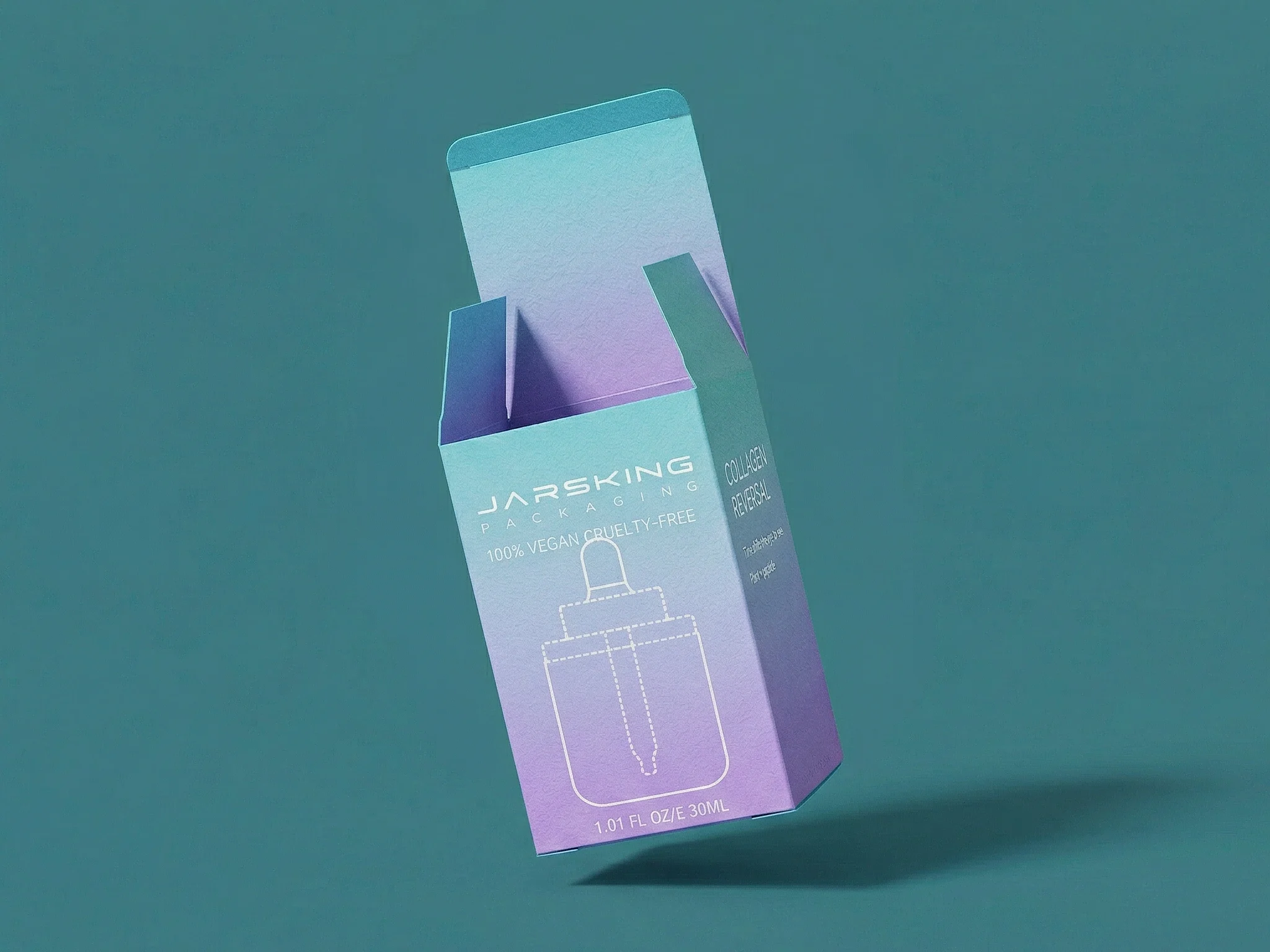
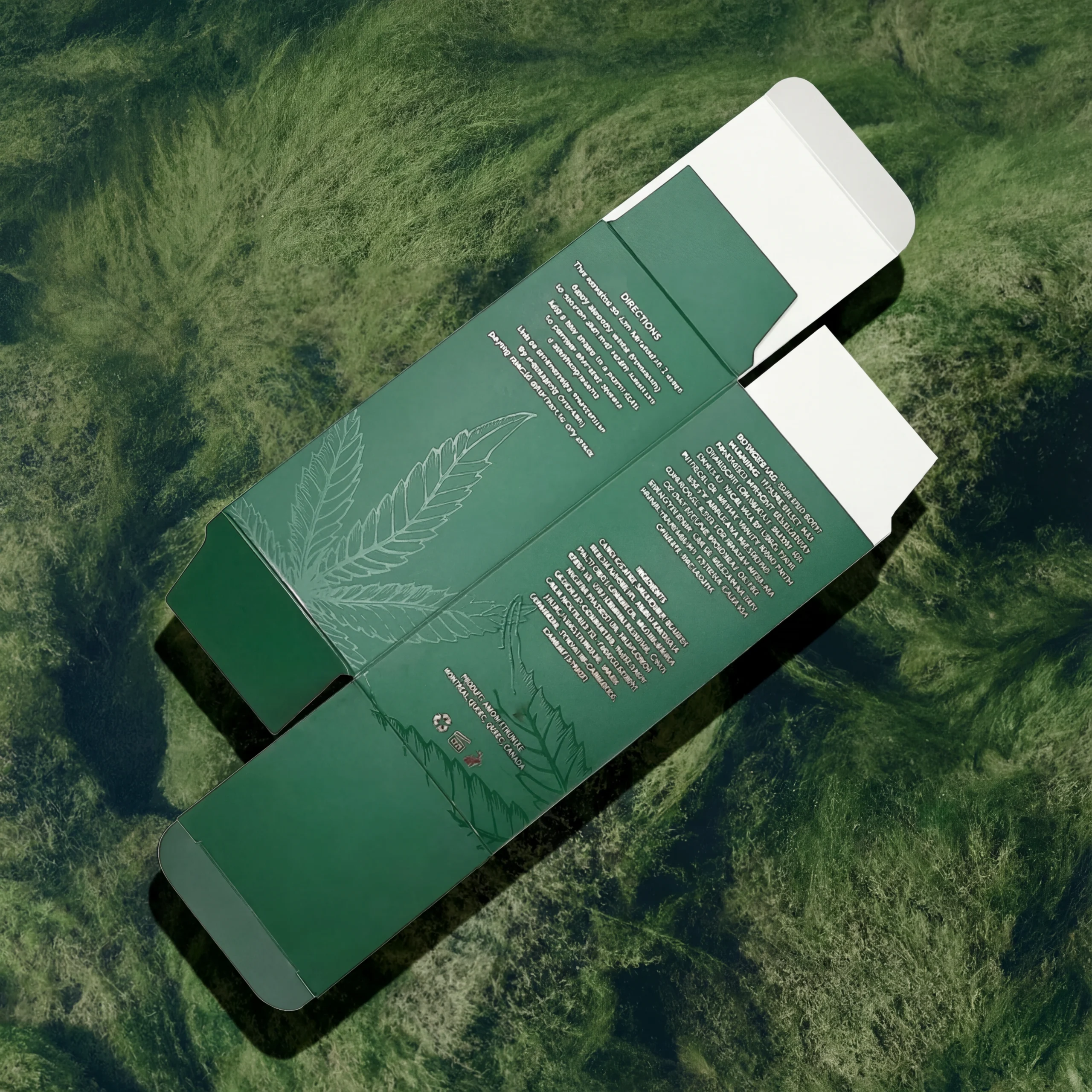
green paper box

Paper & Cardboard

Paper and cardboard packaging represent the most established circular economy material—with global recycling infrastructure, consumer familiarity, and unmatched customization possibilities. For cosmetic brands, paper packaging offers premium unboxing experiences and unlimited creative expression.

When to Choose Paper Packaging:

Traditional High-Performance Plastics

Modern plastic materials offer unmatched versatility, chemical resistance, and customization possibilities. When selected strategically and responsibly,

high-performance plastics provide cost-effective solutions without compromising product integrity or brand quality.

PET

Formulation Compatibility:

When to Choose PET:

When to Consider Alternatives:

HDPE

Formulation Compatibility:

When to Choose HDPE:

When to Consider Alternatives:

LDPE

Formulation Compatibility:

When to Choose LDPE:

When to Consider Alternatives:

PETG

Formulation Compatibility:

When to Choose PETG:

When to Consider Alternatives:

Acrylic (PMMA)

Formulation Compatibility:

When to Choose Acrylic:

When to Consider Alternatives:

ABS

When ABS Makes Sense:

When to Choose ABS:

When to Consider Alternatives:

PP

Formulation Compatibility:

When to Choose PP:

When to Consider Alternatives:

AS

Formulation Compatibility:

When to Choose AS:

When to Consider Alternatives:

PS

Formulation Compatibility:

When to Choose PS:

When to Consider Alternatives:

how to balance sustainability goals with performance requirements

Jarsking’s sustainability team conducts lifecycle assessments (LCA) to help brands make data-driven decisions that balance environmental responsibility with product performance.

More Categories for Your Packaging

Request Quotation