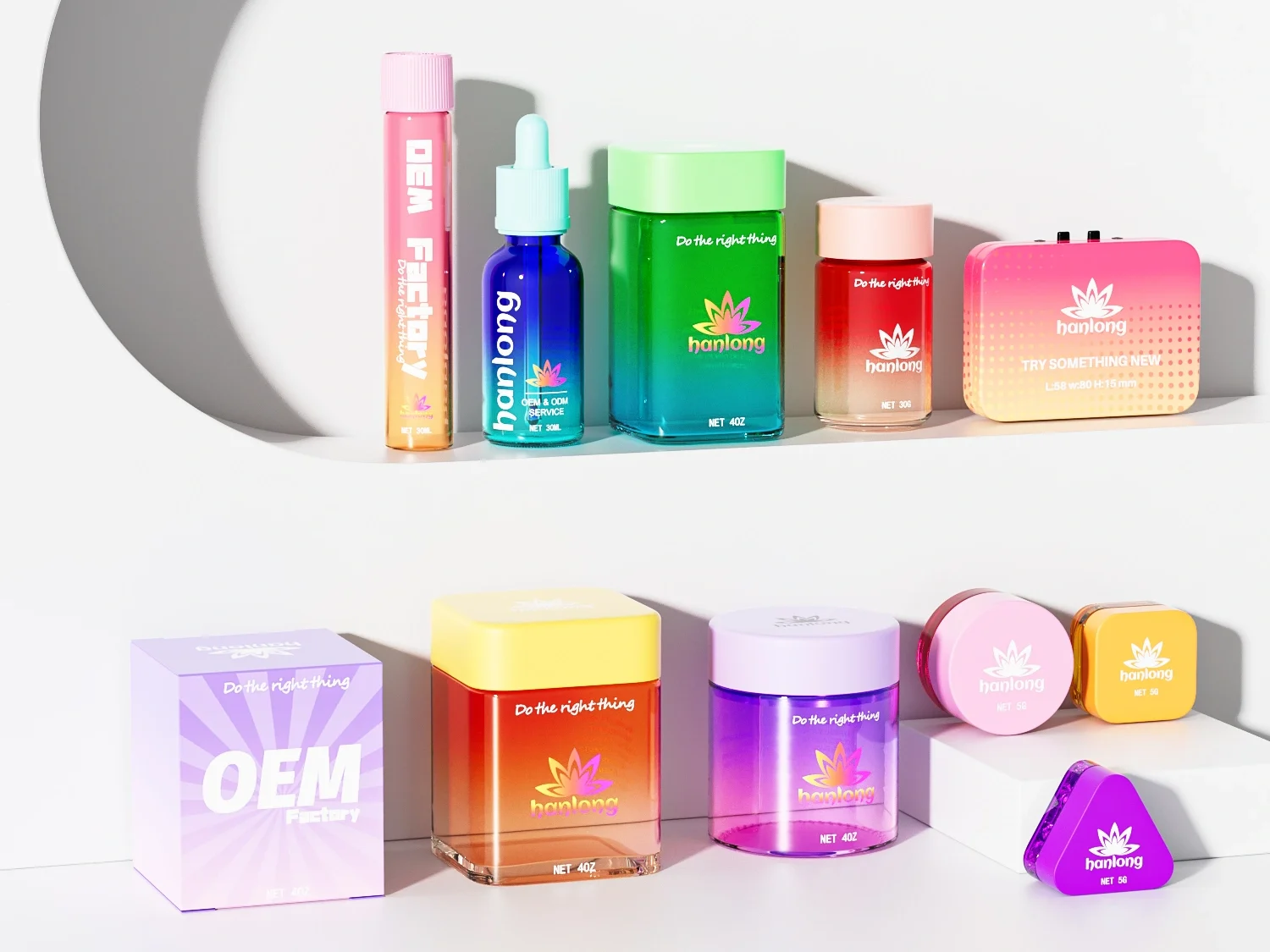
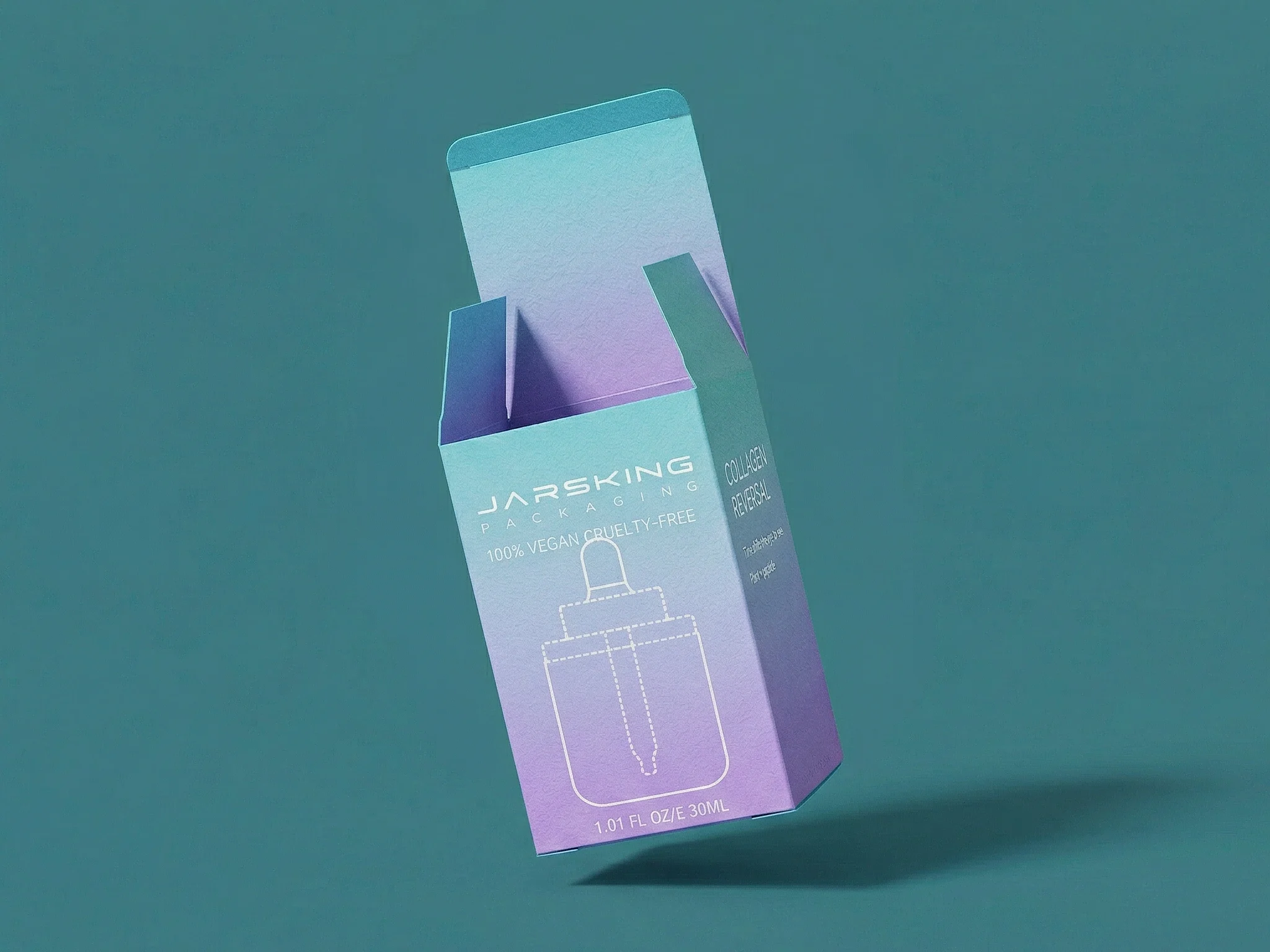
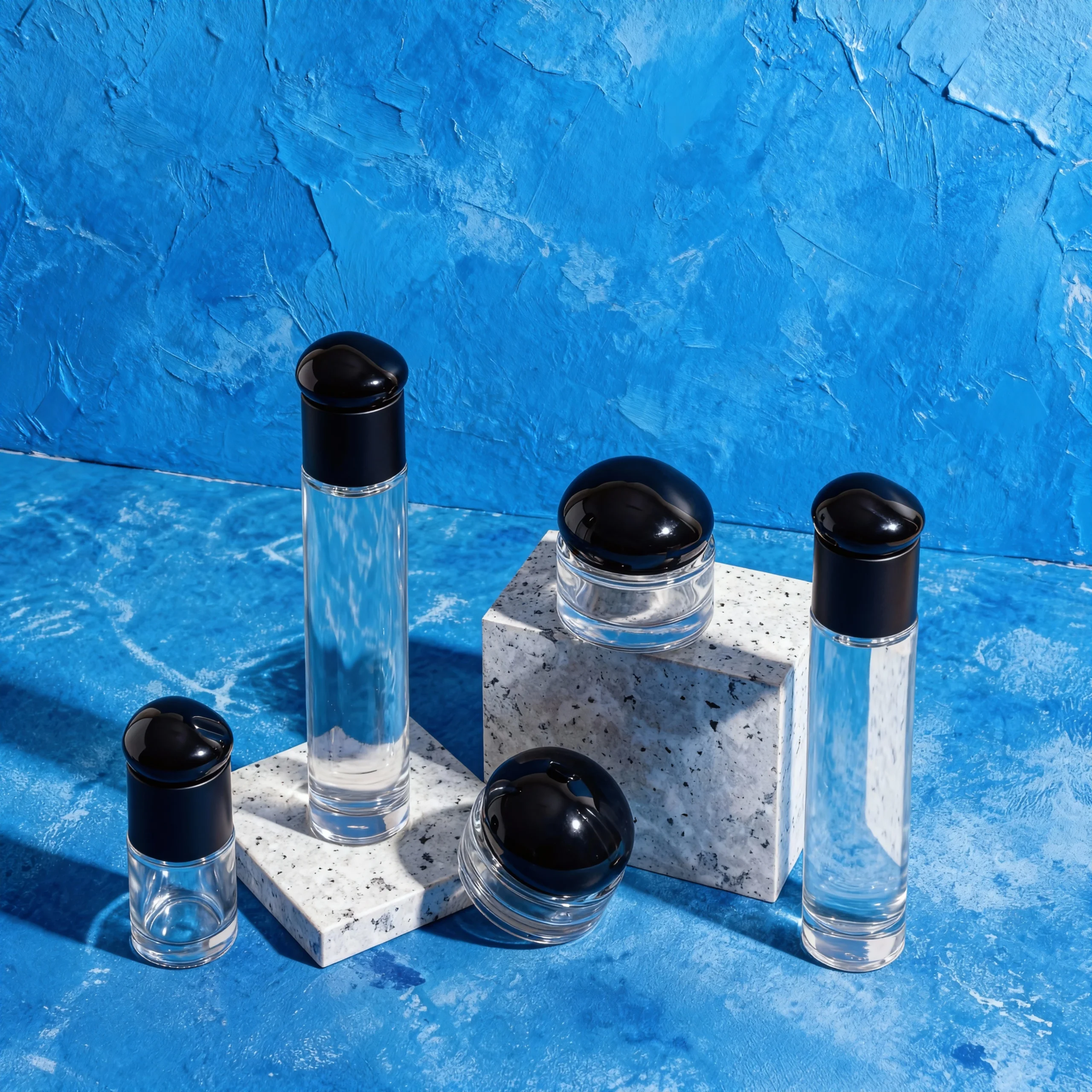
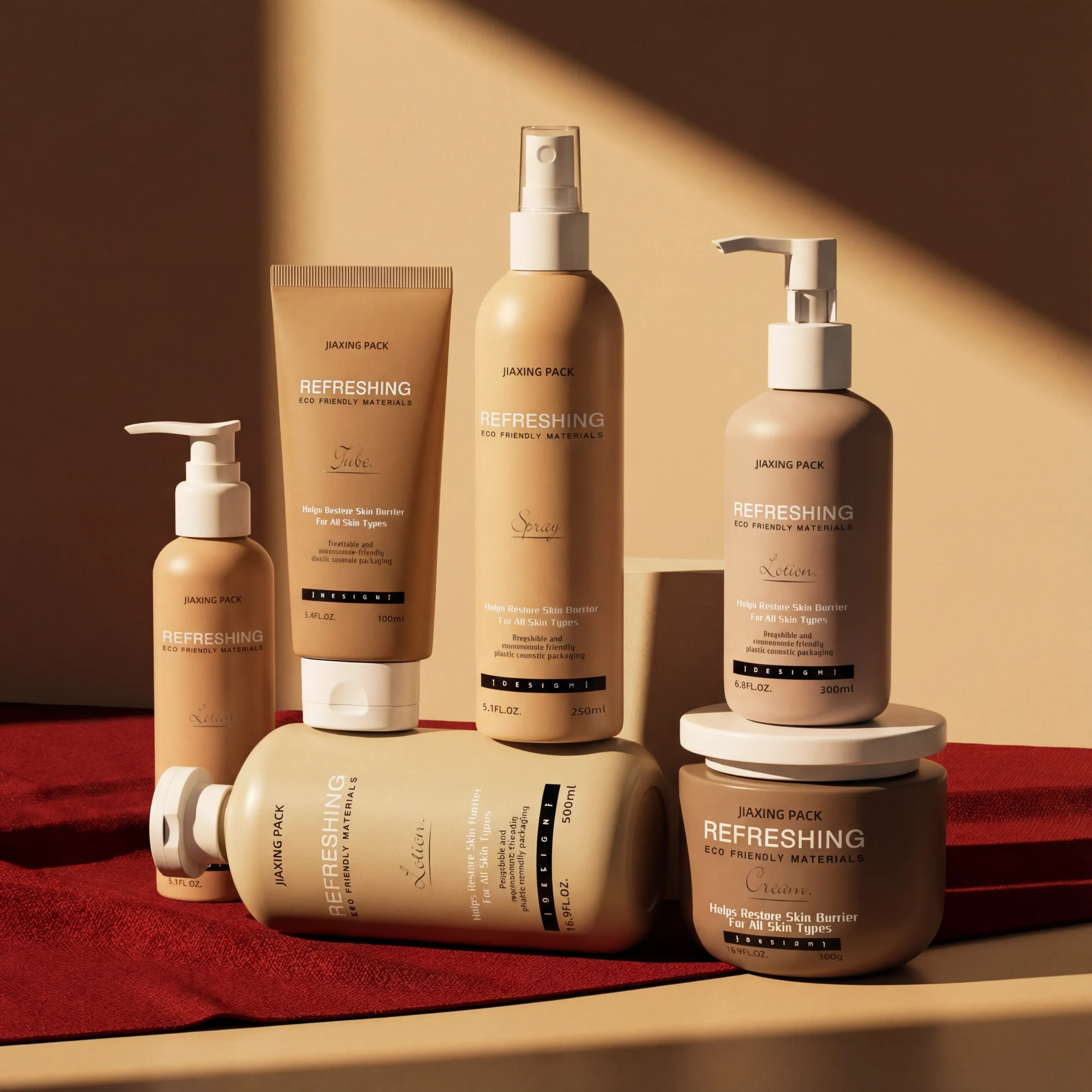
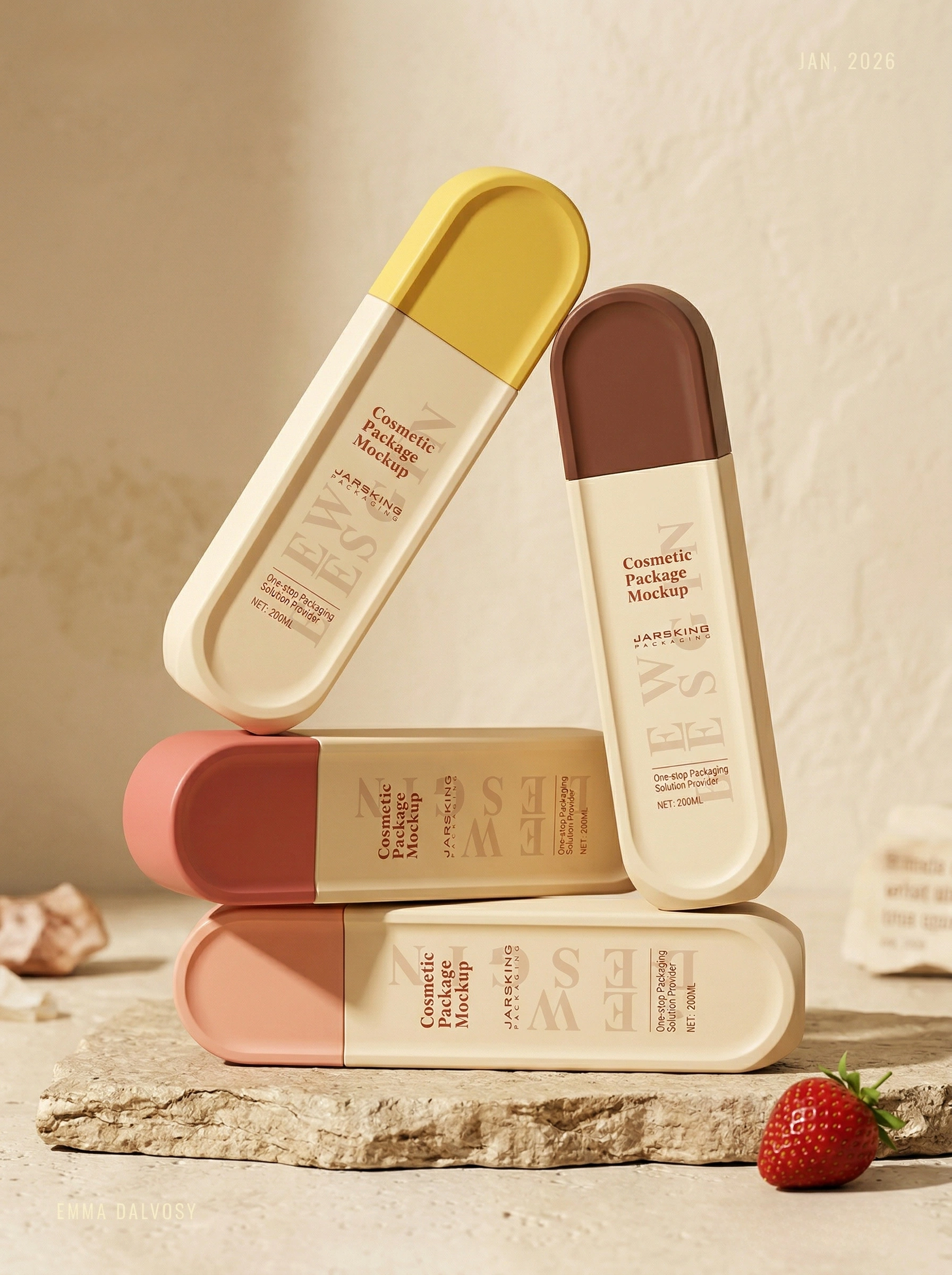
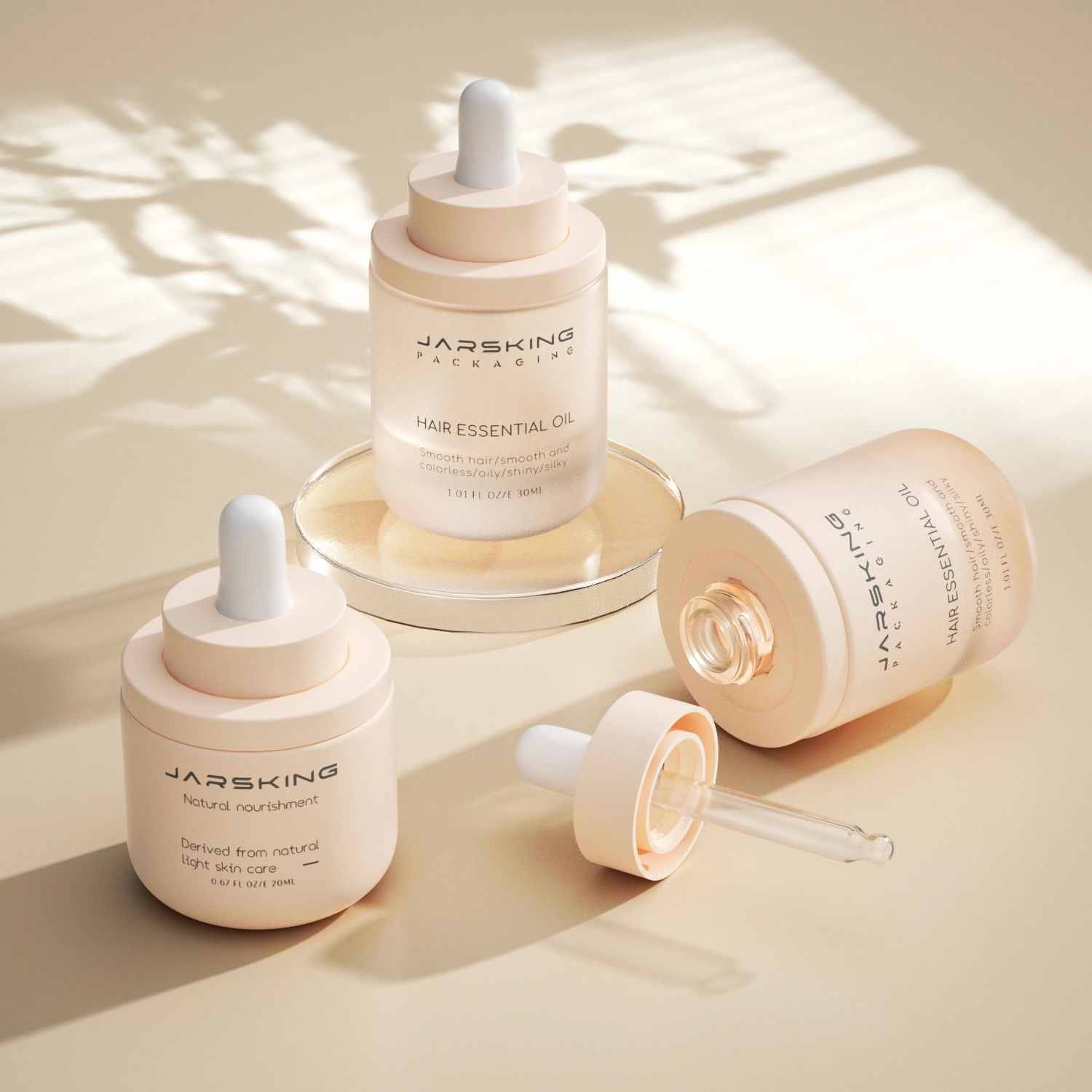
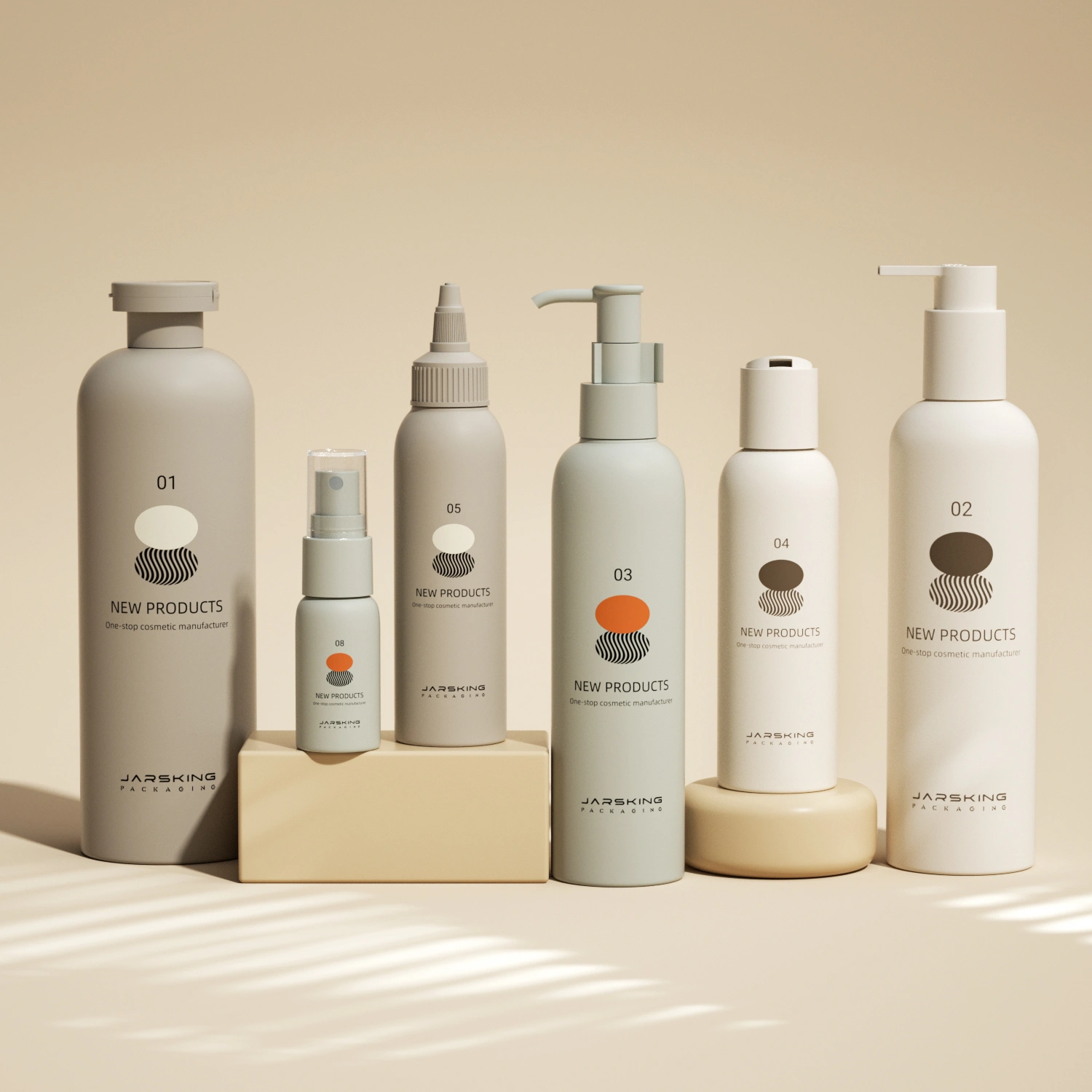
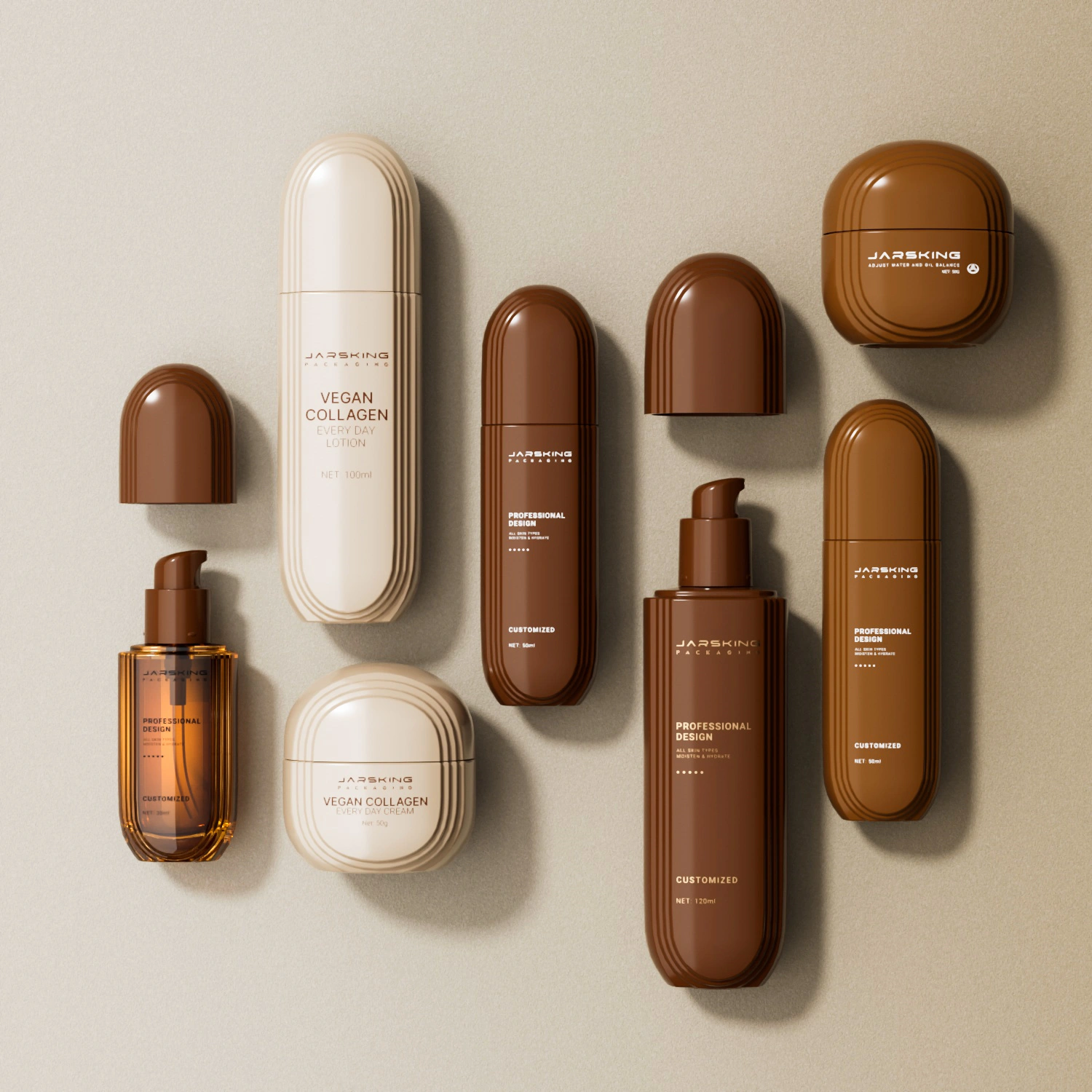
Jarsking covers all cosmetics,cannabis and perfume markets. Ask custom solutions here!
The world’s go-to cosmetic packaging factory for custom branding. Talk to Jarsking Team
Every cosmetic packaging material tells a story—about your brand values, product quality, and commitment to sustainability. The wrong material choice can compromise product integrity, alienate environmentally-conscious consumers, or fail to convey the luxury your formulation deserves. The right material becomes an extension of your brand promise.
At Jarsking, material selection is both science and strategy. For over 20 years, we’ve helped 1500+ global beauty, skincare, and pharmaceutical brands navigate the complex landscape of cosmetic packaging materials—from traditional high-performance plastics to cutting-edge sustainable alternatives.
Every material must protect product integrity and ensure formulation stability
Eco-friendly options prioritized without compromising functionality
All materials sourced from audited suppliers meeting international standards
30,000+ stock molds across all material types for fast sampling
| Requirement | Recommended Materials | Why |
|---|---|---|
| UV Protection | Amber Glass, Cobalt Glass, HDPE (Opaque), Aluminum | Blocks light wavelengths that degrade photosensitive ingredients |
| Chemical Resistance | HDPE, PP, Glass, PETG | Prevents material-formulation interaction and leaching |
| Drop & Impact Resistance | HDPE, PP, ABS, EVA | Flexible materials absorb shock without cracking |
| Transparency/Clarity | Glass, PET, PETG, Acrylic | Showcases product color and texture for visual appeal |
| Barrier Protection (Oxygen/Moisture) | Glass, Aluminum, Airless Systems, EVOH-layer Plastics | Extends shelf life by preventing oxidation and contamination |
| Temperature Stability | PP, Glass, HDPE, EVA | Maintains structural integrity during temperature fluctuations |
| Lightweight & Shipping Efficiency | PET, PLA, PP, Aluminum | Reduces carbon footprint and logistics costs |
| Recyclability | PET, HDPE, PP, Glass, Aluminum, PCR | Meets circular economy and EPR (Extended Producer Responsibility) regulations |
Modern consumers demand environmental responsibility without compromising product quality. Jarsking’s sustainable material portfolio combines
ecological integrity with premium performance—proving that sustainability and luxury can coexist.
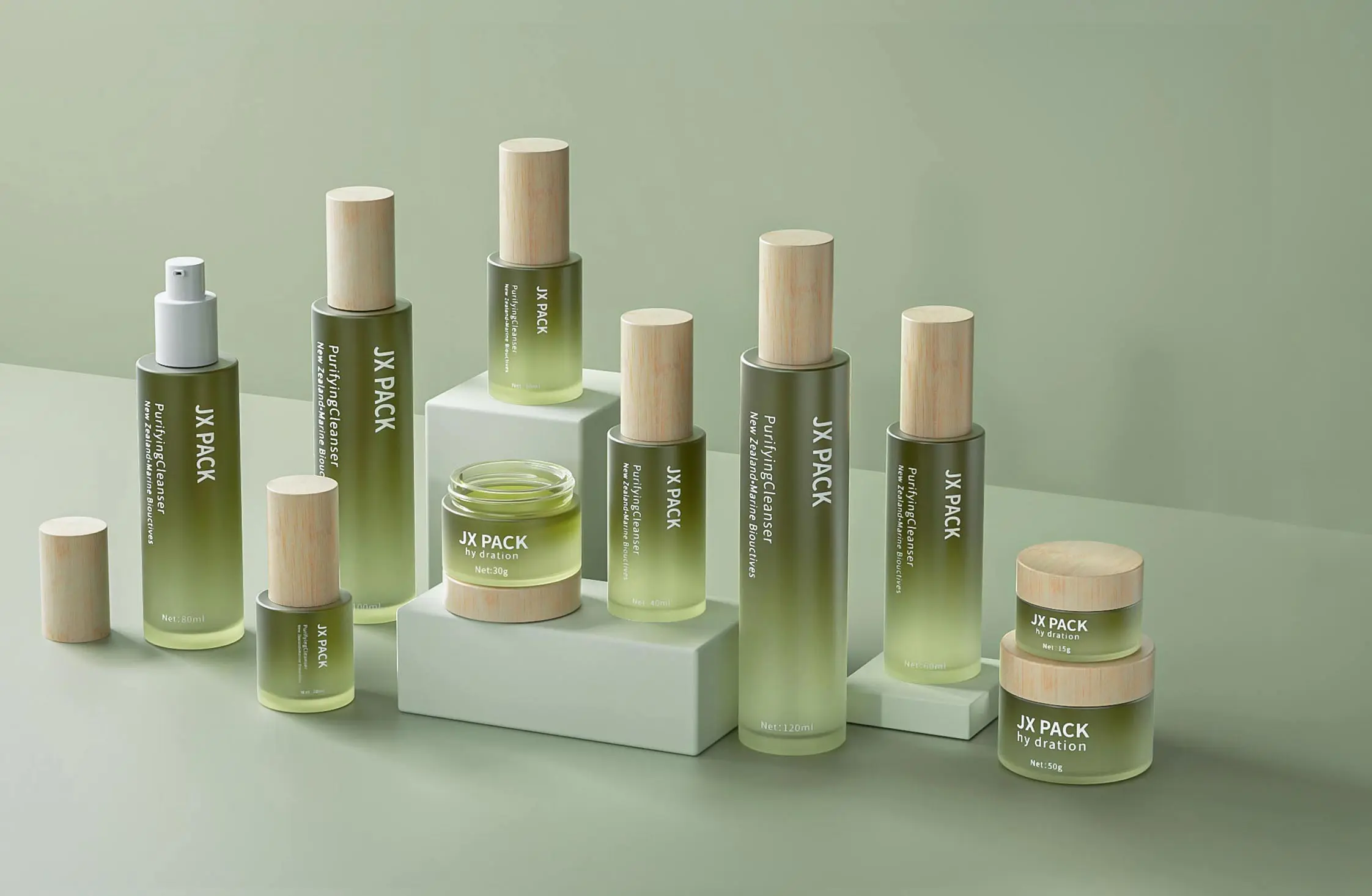
Glass has protected precious formulations for centuries—and for good reason. As the only packaging material that is 100% inert, infinitely recyclable, and naturally luxurious, glass offers unparalleled benefits for high-end cosmetic brands.
When to Choose Glass:
PCR material is produced from plastic waste collected from consumer recycling streams—bottles, containers, and packaging that have completed their first lifecycle. Through sorting, cleaning, and reprocessing, these materials are transformed into resin suitable for cosmetic applications.
When to Choose PCR:
PLA is a thermoplastic polyester synthesized from fermented plant starches (typically corn, cassava, or sugarcane). Through industrial fermentation and polymerization, these agricultural feedstocks are transformed into a versatile polymer that mimics many properties of conventional plastics like PET and PS.
When to Choose PLA:
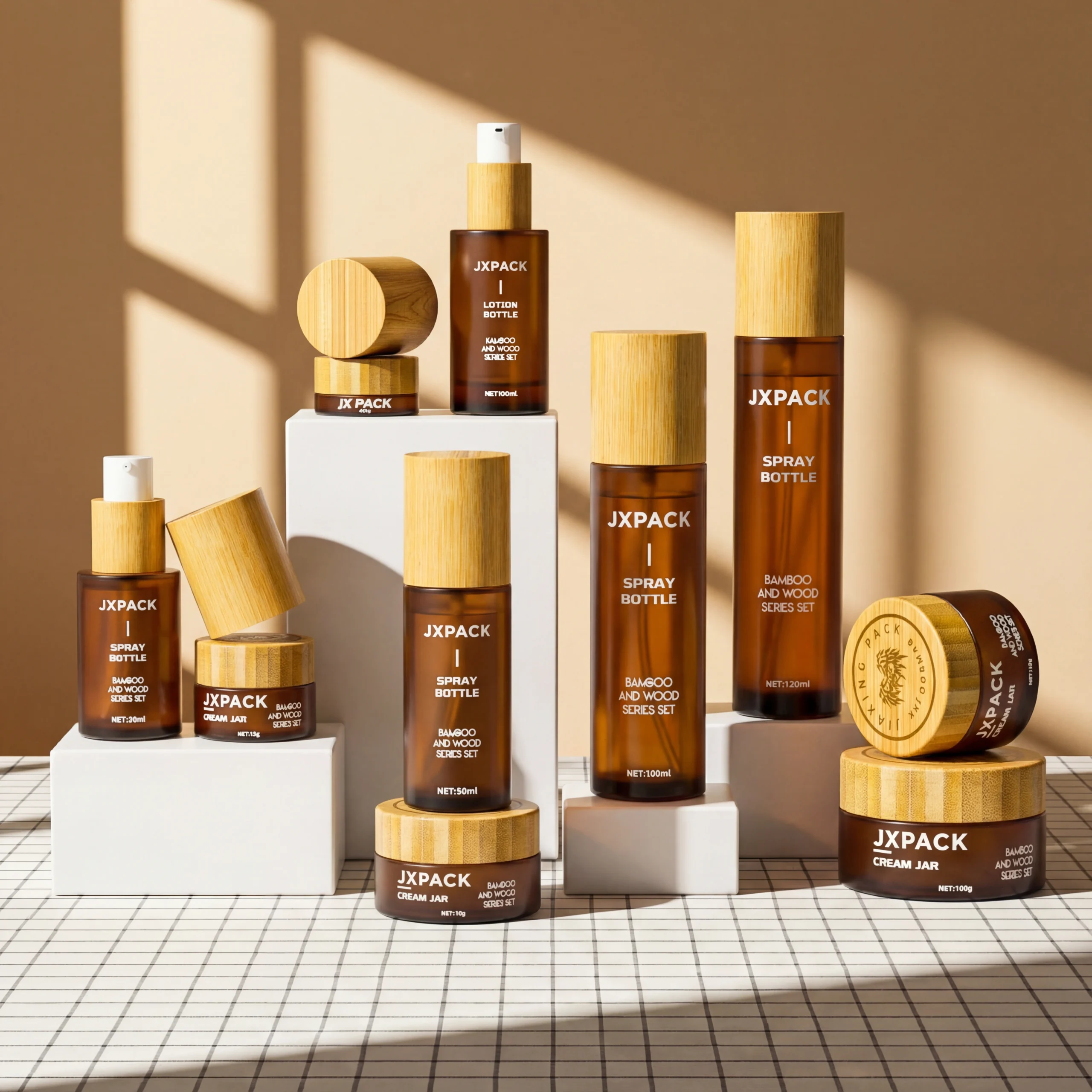
Bamboo is a material that grows 3 feet per day, requires no pesticides, and sequesters 35% more CO₂ than equivalent hardwood forests. For cosmetic brands seeking to merge sustainability with tactile luxury, bamboo offers an unmatched combination of ecological credentials and premium aesthetics.
When to Choose Bamboo:
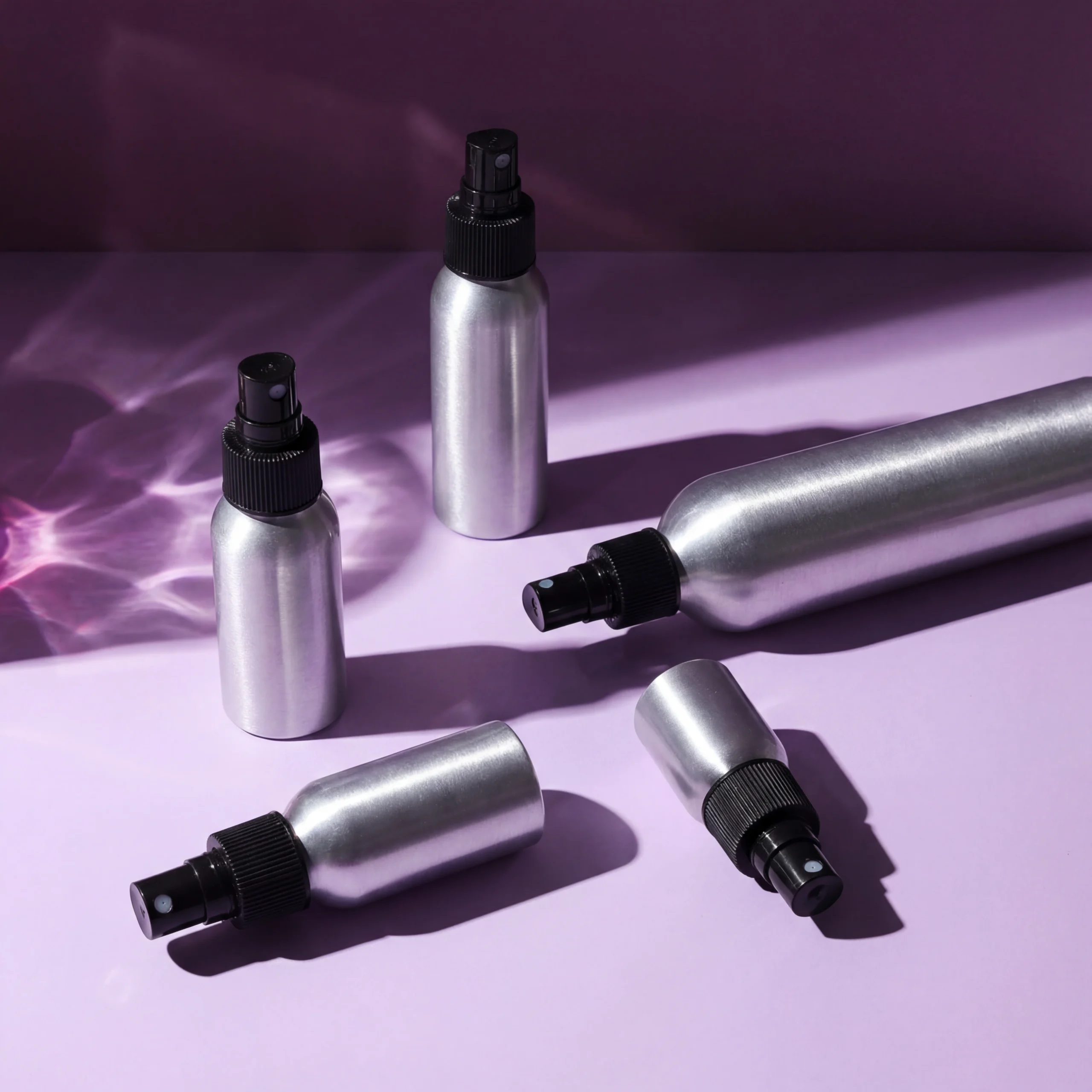
Aluminum combines the sustainability of infinite recyclability with the performance of lightweight durability and the aesthetics of modern luxury. For cosmetic brands seeking materials that embody both environmental responsibility and premium positioning, aluminum delivers across all dimensions.
When to Choose Aluminum:
Paper and cardboard packaging represent the most established circular economy material—with global recycling infrastructure, consumer familiarity, and unmatched customization possibilities. For cosmetic brands, paper packaging offers premium unboxing experiences and unlimited creative expression.
When to Choose Paper Packaging:
Modern plastic materials offer unmatched versatility, chemical resistance, and customization possibilities. When selected strategically and responsibly,
high-performance plastics provide cost-effective solutions without compromising product integrity or brand quality.
Formulation Compatibility:
When to Choose PET:
When to Consider Alternatives:
Formulation Compatibility:
When to Choose HDPE:
When to Consider Alternatives:
Formulation Compatibility:
When to Choose LDPE:
When to Consider Alternatives:
Formulation Compatibility:
When to Choose PETG:
When to Consider Alternatives:
Formulation Compatibility:
When to Choose Acrylic:
When to Consider Alternatives:
When ABS Makes Sense:
When to Choose ABS:
When to Consider Alternatives:
Formulation Compatibility:
When to Choose PP:
When to Consider Alternatives:
Formulation Compatibility:
When to Choose AS:
When to Consider Alternatives:
Formulation Compatibility:
When to Choose PS:
When to Consider Alternatives:
Jarsking’s sustainability team conducts lifecycle assessments (LCA) to help brands make data-driven decisions that balance environmental responsibility with product performance.
Jarsking upholds globally recognized quality standards validated through ISO, REACH, ROHS, LFGB, and BSCI certifications. Each certification reflects our commitment to safety, sustainability, ethical manufacturing, and reliable performance for cosmetic, personal care, perfume, and pharmaceutical packaging markets.
Our facilities maintain ISO certification demonstrating commitment to quality management systems throughout our production processes. ISO compliance ensures consistent manufacturing practices, documented procedures, and continuous improvement protocols across all product lines. Regular third-party audits verify our adherence to international quality standards and validate our production methodologies.
Jarsking holds ROHS, REACH, and LFGB certifications ensuring our packaging materials meet strict European Union regulations for chemical safety. ROHS certification confirms our products are free from hazardous substances like lead, mercury, and cadmium. REACH compliance demonstrates proper registration and testing of chemical substances, while LFGB certification validates food-safe contact materials for cosmetic and personal care applications.
Our BSCI (Business Social Compliance Initiative) certification reflects our commitment to ethical manufacturing practices and worker protection. Regular BSCI audits assess working conditions, fair wages, occupational safety, and environmental management across our facilities. This certification demonstrates our dedication to responsible manufacturing that respects both people and planet.
We hold specialized certifications including US 16 CFR § 1700.20 compliance for child-safe packaging used in pharmaceutical applications. Our facilities are regularly tested for product safety features including torque testing, pressure testing, and tensile force testing. These certifications are critical for clients serving regulated industries where safety standards are non-negotiable.
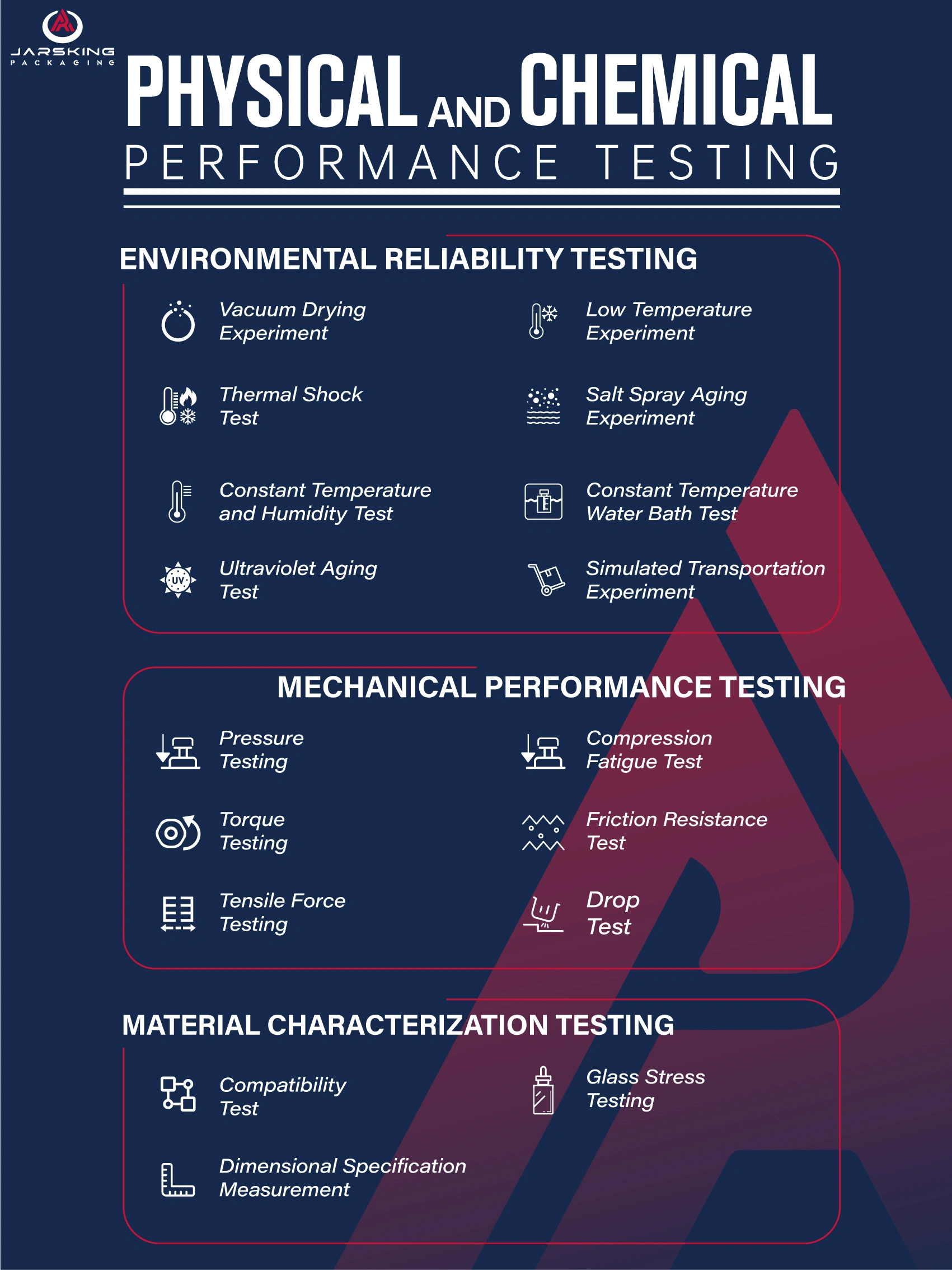
Every material Jarsking sources — from premium glass to recycled PCR plastic — undergoes rigorous physical and chemical performance testing before it reaches your production line. Our testing protocols are organized across three pillars: Environmental Reliability, Mechanical Performance, and Material Characterization.
Packaging exposed to light degrades faster than you think. Our Ultraviolet Aging Test subjects materials like amber glass, cobalt glass, HDPE, and aluminum to concentrated UV radiation cycles to measure color fading, surface chalking, and structural weakening.
Why it matters: UV-sensitive formulations (vitamin C serums, retinols, botanical extracts) demand packaging that blocks degrading light wavelengths.
Pass criteria: No visible discoloration, no measurable tensile strength loss, and no compromise to closure integrity after the full UV exposure cycle.
Best-performing materials: Amber Glass, Cobalt Glass, Opaque HDPE, Aluminum.
Packaging that can’t survive a temperature swing will fail your customer. The Thermal Shock Test cycles materials rapidly between extreme high and low temperatures to simulate supply chain stress — from hot shipping containers to cold retail environments.
Why it matters: Materials like glass, PP, and HDPE must maintain structural integrity without cracking, warping, or seal failure when temperatures fluctuate.
Pass criteria: Zero cracking, no delamination, and no leakage after repeated thermal cycling.
Best-performing materials: PP, Glass, HDPE, EVA.
Humidity is one of the most underestimated threats to packaging performance. This test holds materials at sustained high-temperature and high-humidity conditions to assess moisture permeability, label adhesion, and formulation barrier effectiveness.
Why it matters: Barrier protection against oxygen and moisture is critical for extending shelf life — especially for airless systems, aluminum tubes, and EVOH-layer plastics.
Pass criteria: No dimensional distortion, no moisture ingress beyond acceptable thresholds, and stable closure torque readings.
Your packaging must survive the journey before it can sell the product. The Simulated Transportation Experiment uses vibration tables and drop-sequence protocols modeled on international freight and last-mile delivery conditions.
Why it matters: Lightweight materials like PET, PLA, and aluminum are chosen partly for shipping efficiency — but only pass if they also absorb transit stress without failure.
Pass criteria: No breakage, no leakage, and no cosmetic damage across simulated road, air, and courier handling cycles.
The drop test is the most direct simulation of consumer handling reality. Packaging is dropped from standardized heights onto hard surfaces at multiple orientations to assess impact resistance and post-drop seal integrity.
Why it matters: Materials like HDPE, PP, ABS, and EVA are specifically selected for drop and impact resistance — this test confirms they deliver on that promise.
Pass criteria: No fractures, no lid separation, and no formulation leakage after multi-angle drop sequences.
Best-performing materials: HDPE, PP, ABS, EVA.
A closure that’s too loose leaks. A closure that’s too tight frustrates users. Torque Testing measures the precise rotational force required to open and close caps, lids, and pump assemblies — and validates that the torque value remains stable after thermal and humidity exposure.
Why it matters: Consistent torque is critical across glass jars, aluminum tubes, and plastic bottles, especially for child-resistant and tamper-evident closures.
Pass criteria: Opening and closing torque values fall within the specified range across the full batch, and do not degrade after environmental conditioning.
Repeated squeezing, pressing, and pumping must not degrade the packaging structure. The Compression Fatigue Test applies cyclical compressive loads to flexible and semi-rigid packaging — tubes, squeeze bottles, and airless pumps — to assess long-term structural durability.
Why it matters: Materials like LDPE, PP, and aluminum tubes are valued for their tactile flexibility; this test ensures that flexibility doesn’t become a failure point over time.
Pass criteria: No wall collapse, no seal failure, and no measurable thinning of material walls after the defined number of compression cycles.
The most dangerous failure in cosmetic packaging is one you can’t see. The Compatibility Test exposes each material to the actual formulation it will contain — measuring pH shifts, discoloration, swelling, leaching, and changes in formulation viscosity or efficacy over time.
Why it matters: Materials like HDPE, PP, Glass, and PETG are chosen precisely for chemical resistance — this test confirms zero unwanted interaction between packaging and formulation.
Test duration: Typically 3–6 months at accelerated temperature conditions to simulate shelf-life equivalency.
Pass criteria: No measurable change in formulation pH, color, odor, or active ingredient concentration; no visible material degradation.
Best-performing materials: Glass (100% inert), HDPE, PP, PETG.
A 0.1mm deviation at the neck of a jar can make a lid incompatible. Dimensional Specification Measurement uses precision instruments to verify that every critical dimension — diameter, wall thickness, neck finish, and height — conforms exactly to approved engineering drawings.
Why it matters: Dimensional accuracy ensures consistent performance across automated filling lines, accurate dosing for pump systems, and proper fit for caps and closures across glass, acrylic, and plastic substrates.
Pass criteria: All critical dimensions fall within ±tolerance specifications defined in the product brief, with Cpk values confirming process capability.
Inspection method: Coordinate Measuring Machine (CMM) and optical comparator verification on statistically significant sample sizes per batch.
The right material depends on four factors working together: your formulation’s chemistry, your target market’s expectations, your sustainability goals, and your budget. A good starting point:
Glass → premium skincare, reactive actives, fragrance
Aluminum → sustainability-forward brands, high-barrier needs
HDPE / PP → mass-market, flexible, cost-efficient
PETG / Acrylic → luxury aesthetics with plastic practicality
PCR Plastic → eco-conscious positioning without sacrificing function
Not sure where to start? Our team reviews your formulation type, target retail environment, and brand positioning to recommend the best-fit material before you commit to any tooling or sampling.
Yes — and most premium packaging does exactly that. Mixing materials is a common and strategic choice. Popular combinations include:
Glass jar + PP lid — premium feel with cost-controlled closure
Aluminum tube + PP cap — full recyclability with secure seal
PETG bottle + ABS pump — clarity aesthetics with durable dispensing
Every container-closure combination is tested together as a system — not just as individual components — to confirm that torque values, seal integrity, and material compatibility all meet our pass criteria.
Yes. Our sustainable material options include:
PCR (Post-Consumer Recycled) Plastic — made from recycled consumer waste, available in HDPE and PET
Aluminum — infinitely recyclable with no quality degradation across recycling cycles
Glass — 100% recyclable and fully inert, with no microplastic risk
Bio-based and biodegradable options — available on request for brands with specific environmental certifications to meet
All sustainable materials are tested to the same structural and barrier performance standards as conventional options. Sustainability documentation and material origin certificates are available to support your brand’s eco claims.
Customization options vary by material, but most can be adapted across:
Shape & Size — custom molds available for glass, plastic, and aluminum
Color — frosted, tinted, opaque, transparent, or custom-matched finishes
Surface Decoration — hot stamping, silk-screen printing, UV coating, labeling, and embossing
Closure Type — screw caps, pumps, droppers, airless dispensers, flip-tops, and child-resistant options
Minimum order quantities for custom molds differ by material. Standard stock shapes are available with lower MOQs (10,000 pcs/sku) for brands in early development stages.
Lead time depends on whether you are using stock components or custom tooling:
| Path | Estimated Lead Time |
|---|---|
| Stock material, stock shape | 2–4 weeks |
| Stock material, custom decoration | 4–6 weeks |
| Custom mold + standard decoration | 10–14 weeks |
| Custom mold + custom decoration + testing | 14–20 weeks |
The more context you share upfront, the faster we can match you with the right material and get sampling started. Ideally, come prepared with:
Your formulation type — skincare, haircare, fragrance, color cosmetics, or wellness
Key ingredients — especially any actives, oils, or high-acidity or high-alkalinity compounds
Target retail environment — luxury boutique, mass retail, e-commerce, or travel retail
Sustainability requirements — recycled content targets, recyclability goals, or certifications needed
Estimated annual volume — this determines which material and mold investment makes commercial sense
Aesthetic direction — any reference packaging, brand guidelines, or finish preferences
You don’t need a finalized brief to start the conversation. Our team works alongside brands at every stage — from concept to first production run.
17th Floor, East Tower, Building 2,
Yiyun Tech Innovation Center,
No. 33-13, Jinshi Third Road, Dayuan Street,
Baiyun District, Guangzhou City,
Guangdong Province, China
Office 10, 24th Floor,
The One Tower,
943 Sheikh Zayed Road,
Barsha Heights (Al Thanyah First),
Dubai, United Arab Emirates
© Copyright 2026 Jarsking Packaging All Rights Reserved.