logo

Custom Folding Cartons —
Luxury Presentation,
Precision Performance

Every folding carton tells a story—of craftsmanship, control, and the standards behind your brand. The wrong structure can compromise protection, increase packing friction, and soften shelf impact.

At Jarsking, folding carton development is both engineering and branding. We help beauty, fragrance, personal care, and pharma select the right structure + paperboard + printing + finishing, backed by a global operating footprint and quality systems.

Folding Carton Styles & Closure Options

Choose a structure based on pack‑out, protection, line speed, and unboxing intent—then refine with inserts, windows, tamper-evidence,

or extra panels where needed.

Tuck‑End Closures (STE / RTE)

What it is

A classic folding carton where the top (and often bottom) flap tucks into the carton—designed for efficient closure and reliable everyday performance.

Best for

Standard structural stability, clean shelf presentation, and high-volume programs where cost control and packing efficiency matter.

Why brands choose it

Fast to assemble, compact for storage/transit, and versatile across many sizes—ideal when you need a dependable “default” structure.

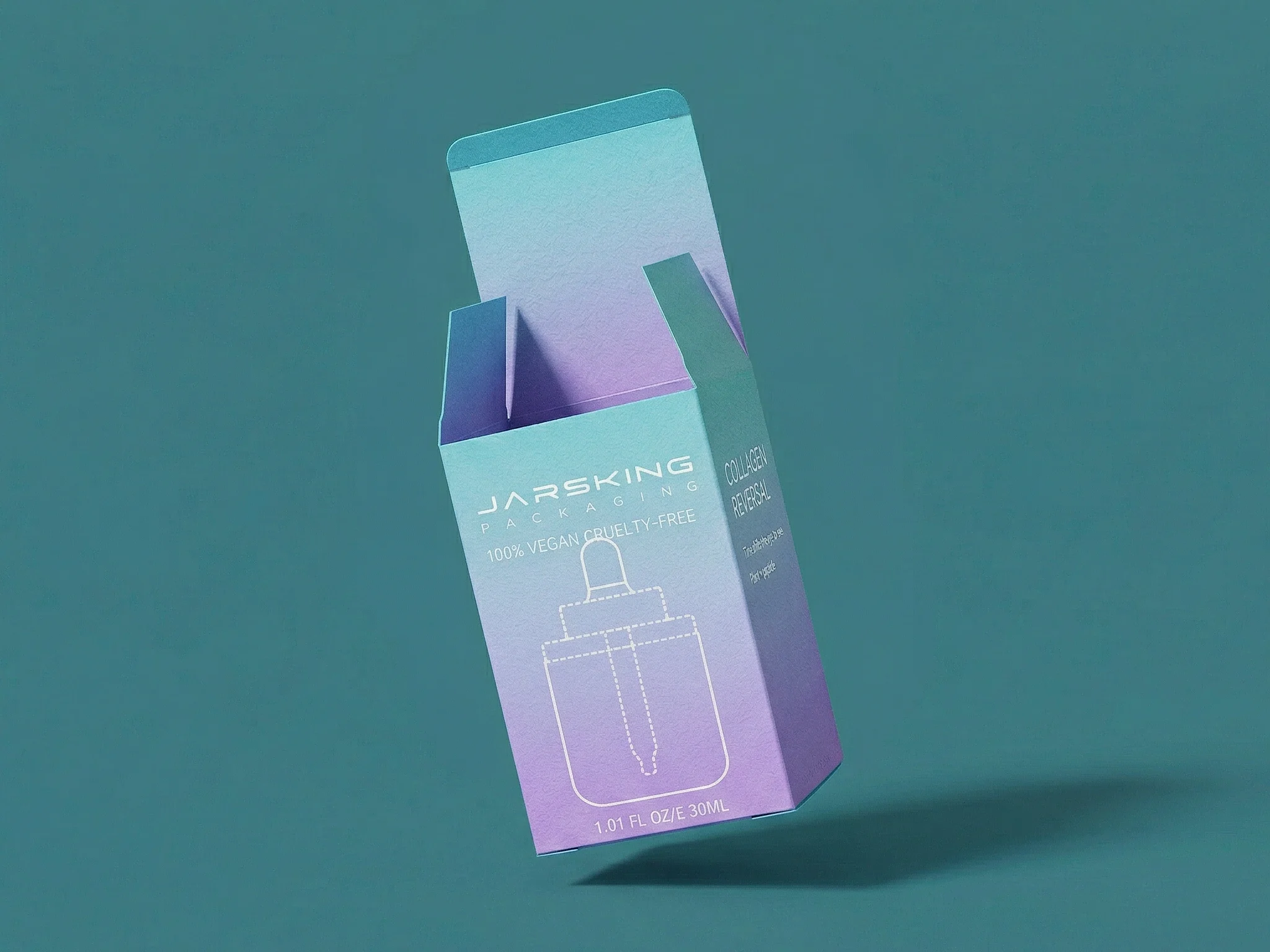
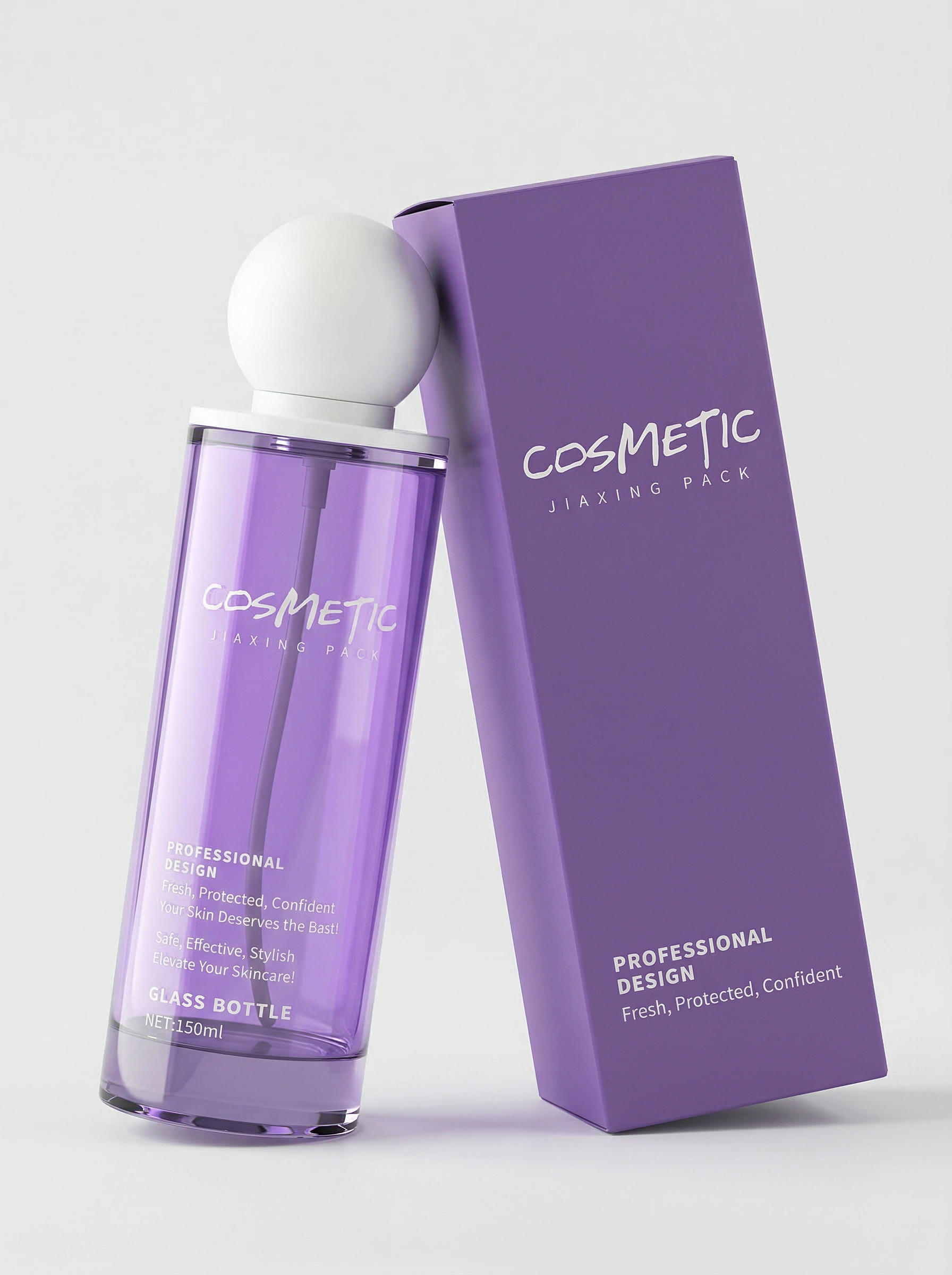
foundation folding carton

Application scenarios

  • Skincare cartons for serums, creams, cleansers where the pack-out is lightweight to midweight and needs a premium print canvas.
  • Fragrance and personal care cartons where fast manual packing is needed (launch kits, line extensions, promo runs).
  • OTC-style consumer goods where you want simple, repeatable assembly and efficient transit/storage.

Options to elevate

Add premium finishes, inside print, or engineered fit (paperboard insert) while keeping the structure efficient.

Snap‑Lock Closures

What it is

A carton with interlocking tabs and slots that snap into place to create a more secure closure than a standard tuck-end.

Best for

When closure security needs to increase—especially for heavier products or packs that must resist opening during transit.

Why brands choose it

Secure “push-to-lock” closure improves protection while keeping assembly relatively straightforward—often a strong middle ground between elegance and robustness.

Application scenarios

  • Beauty and fragrance cartons for glass bottles/jars where added closure security reduces transit risk.
  • Multi-item sets (giftable bundles) where the carton experiences repeated handling from packing to retail display.
  • Broader mixed-category usage, since snap-lock cartons are cited as used across food, pharmaceuticals, cosmetics, and consumer goods.

Options to elevate

Pair with tear features, tamper-evident concepts, or premium finishing to balance security + shelf impact.

Auto‑Bottom (Lock‑Bottom) Styles

What it is

A carton with a pre‑glued bottom that automatically locks when formed—reducing manual bottom setup and improving base strength.

Best for

Faster assembly and stronger base support—especially for heavier pack-outs or lines focused on throughput.

Why brands choose it

Improves forming speed and bottom integrity—helpful when reducing labor time and protecting heavier contents is a priority.

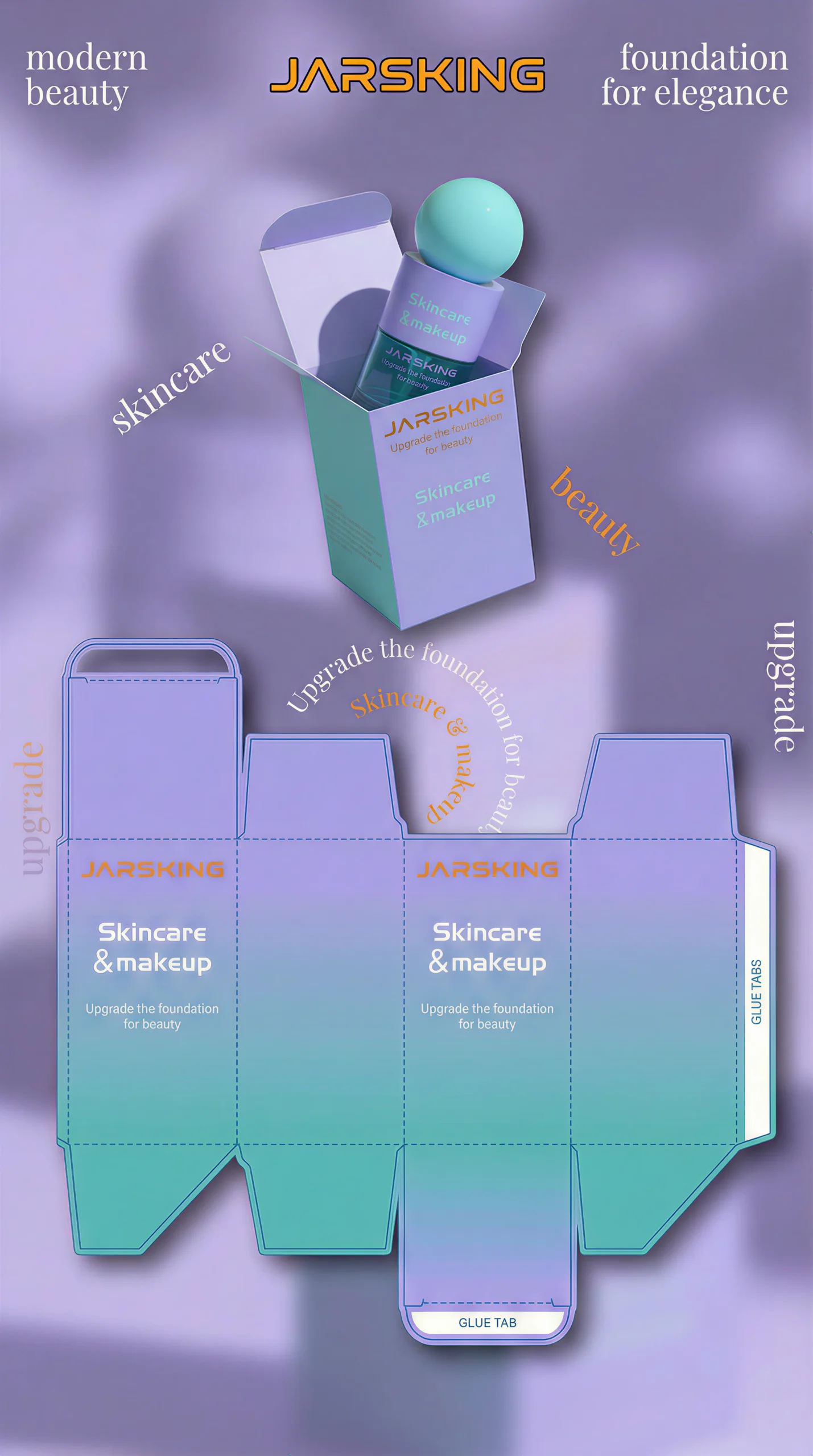
Auto‑Bottom (Lock‑Bottom) Style

Application scenarios

  • Premium skincare or fragrance cartons packing heavier glass where base strength and stability are critical.
  • Operations that need speed at pack-out (manual teams or semi-automated workflows) and want to reduce assembly time.
  • Commonly used across categories including food, electronics, and cosmetics, reflecting broad suitability for protective packaging.

Options to elevate

Add engineered inserts/partitions for presentation + protection while keeping the base operationally efficient.

Seal‑End Closures

What it is

A carton closed with an adhesive-sealed end—creating a tight closure designed to protect contents from handling and contamination risks.

Best for

Programs where you want stronger closure integrity and a more “locked” pack feel through the supply chain.

Why brands choose it

A sealed end can provide a higher level of product protection in transport/storage and supports secure containment through handling events.

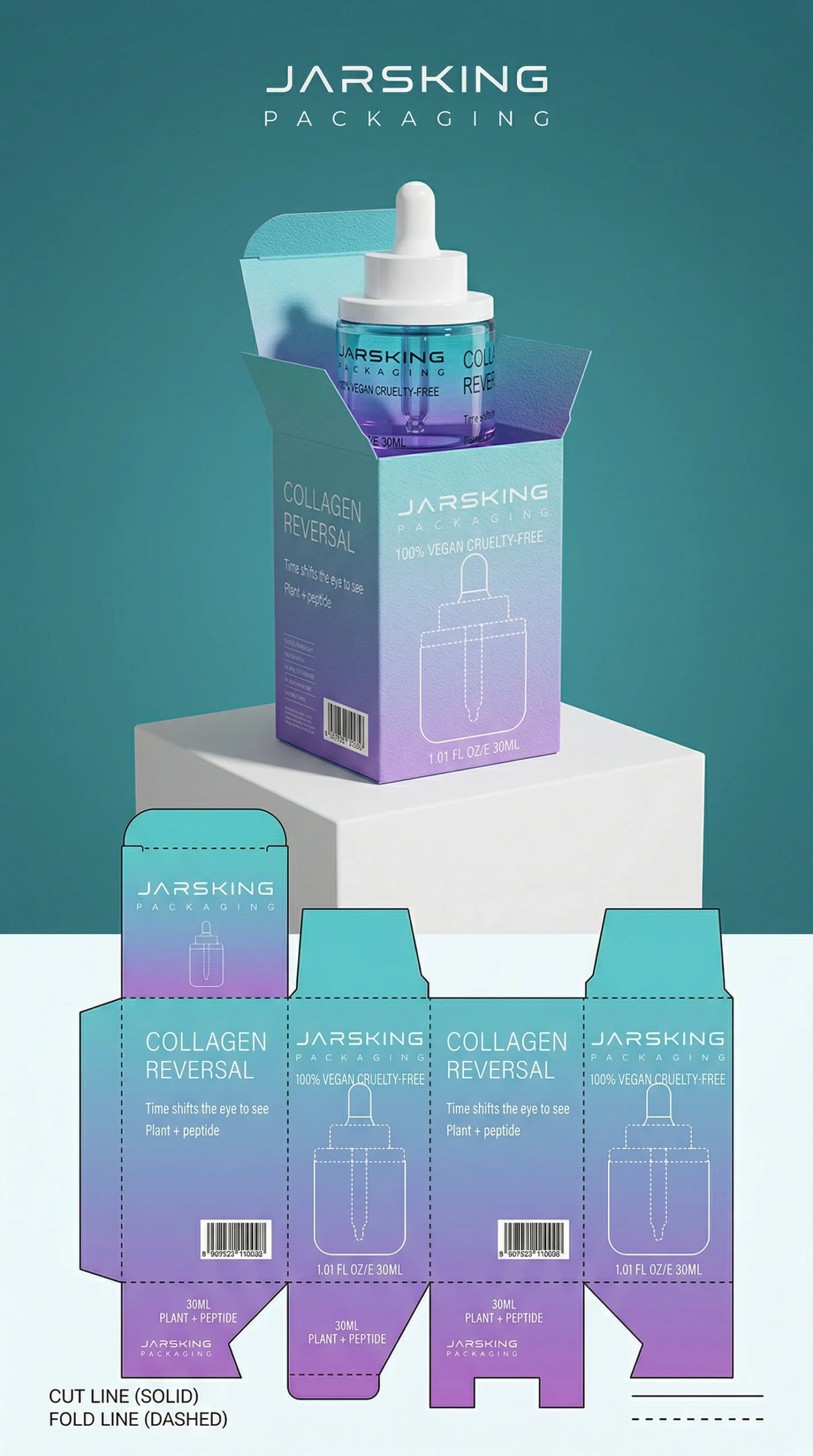
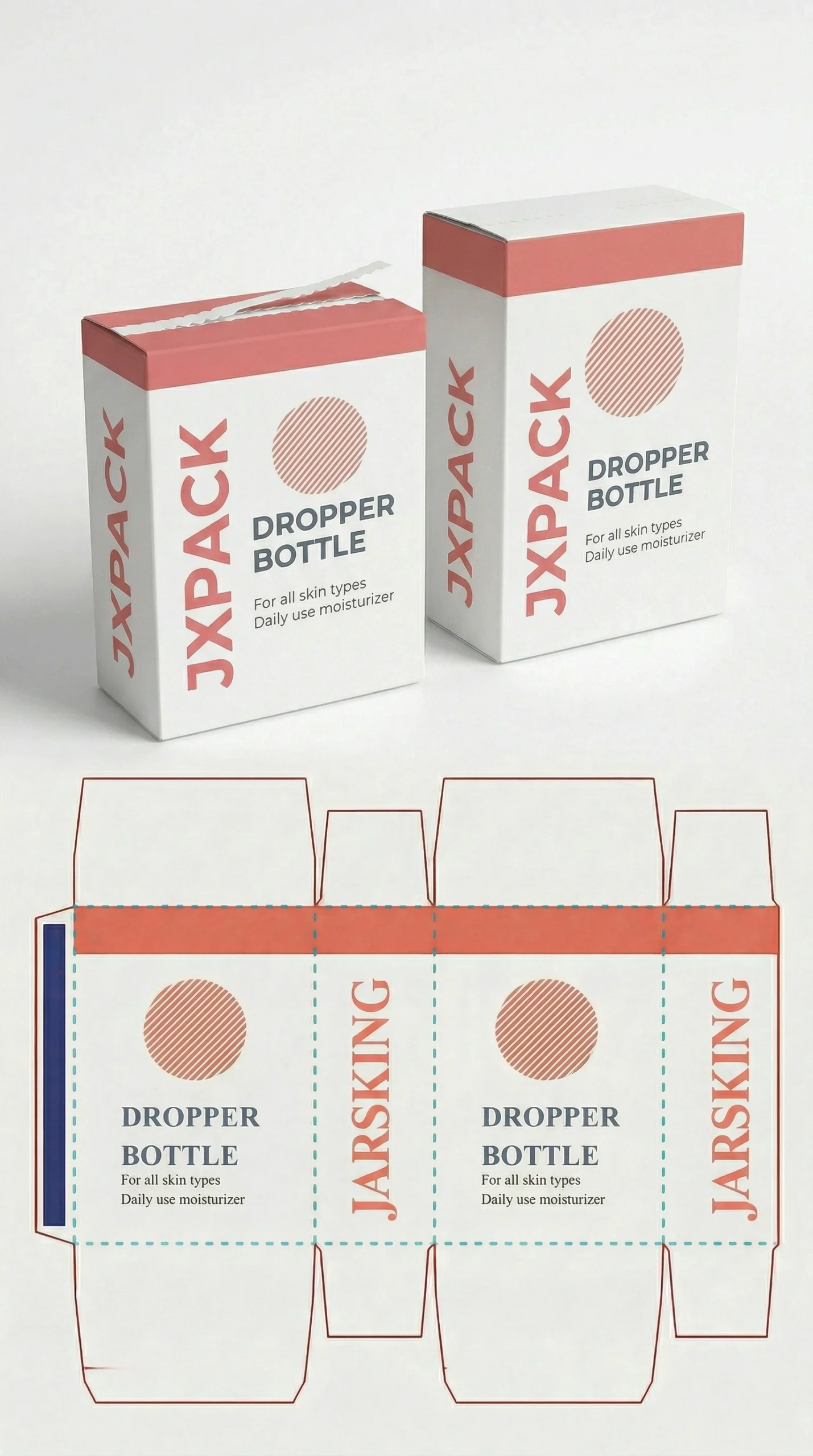
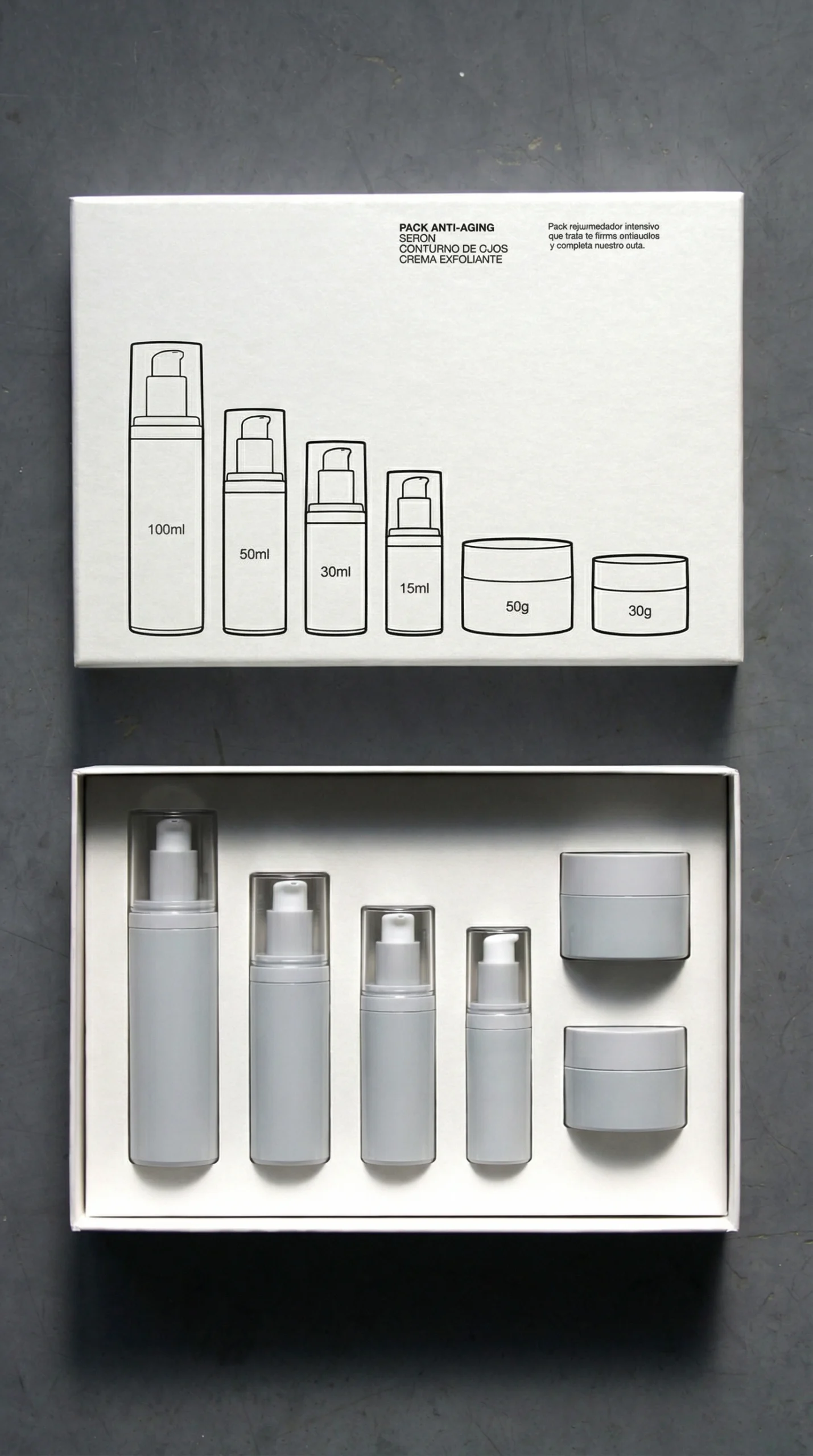
JXPACK Poster 1 - Product Lineup

Application scenarios

  • Pharma-capable or high-control distribution where a sealed closure supports product integrity and handling confidence.
  • Products moving through complex logistics (long transit, multiple handoffs) where you want added closure strength.
  • Seal-end cartons are referenced as used across food, pharmaceuticals, cosmetics, and consumer goods, reflecting versatility when protection needs increase.

Options to elevate

Design in controlled opening (tear access) and tamper-evident concepts so the unboxing remains premium—not purely industrial.

Multi‑Panel Styles

What it is

A carton with an additional hinged panel (a “5th panel”) that adds space for branding, instructions, or product information—while differentiating the structure.

Best for

Information-rich or storytelling-led packaging where the carton must do more than contain—it must communicate.

Why brands choose it

It creates a premium, differentiated silhouette and provides extra real estate to improve information hierarchy—useful for both luxury storytelling and regulated-style clarity.

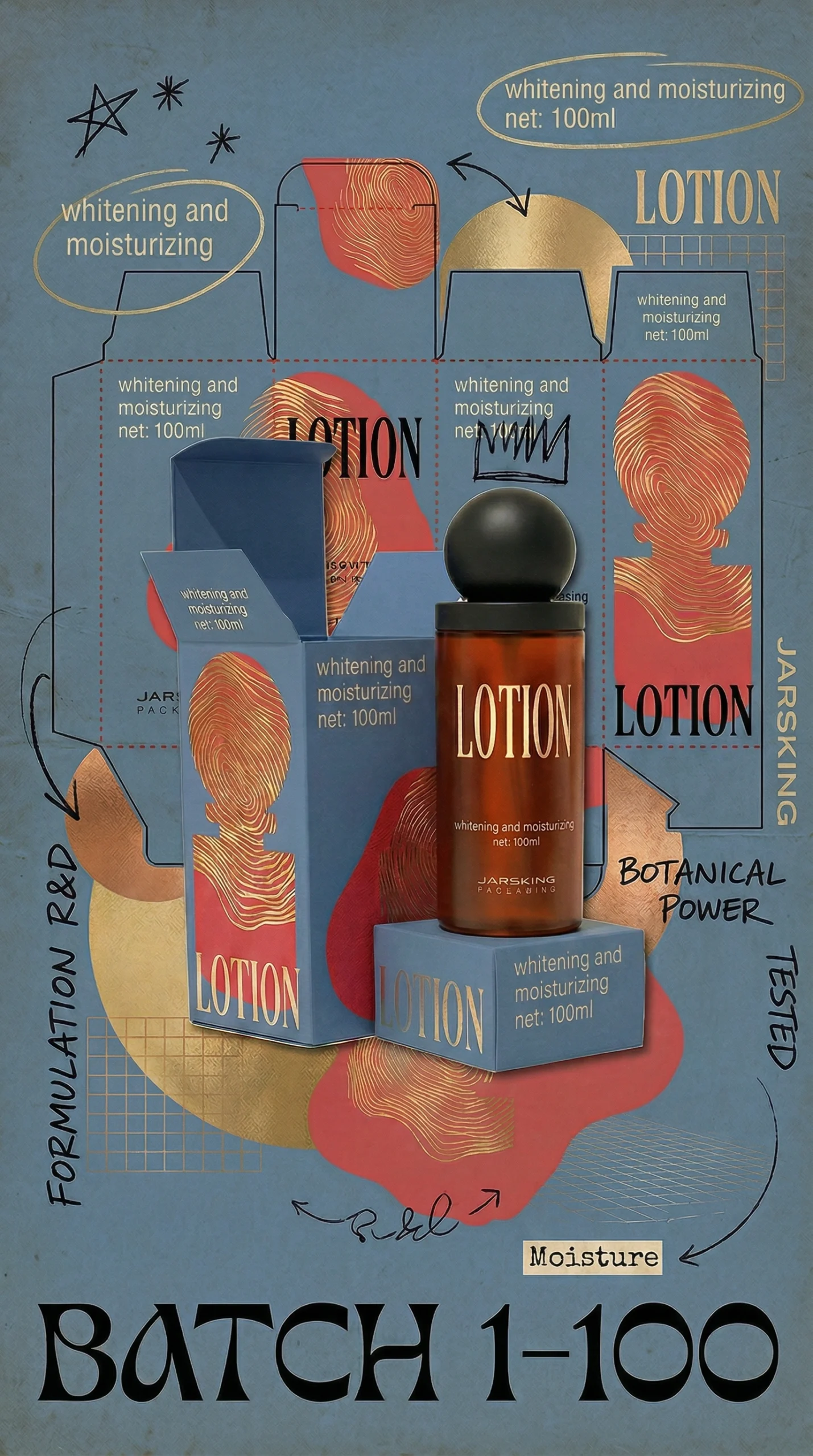
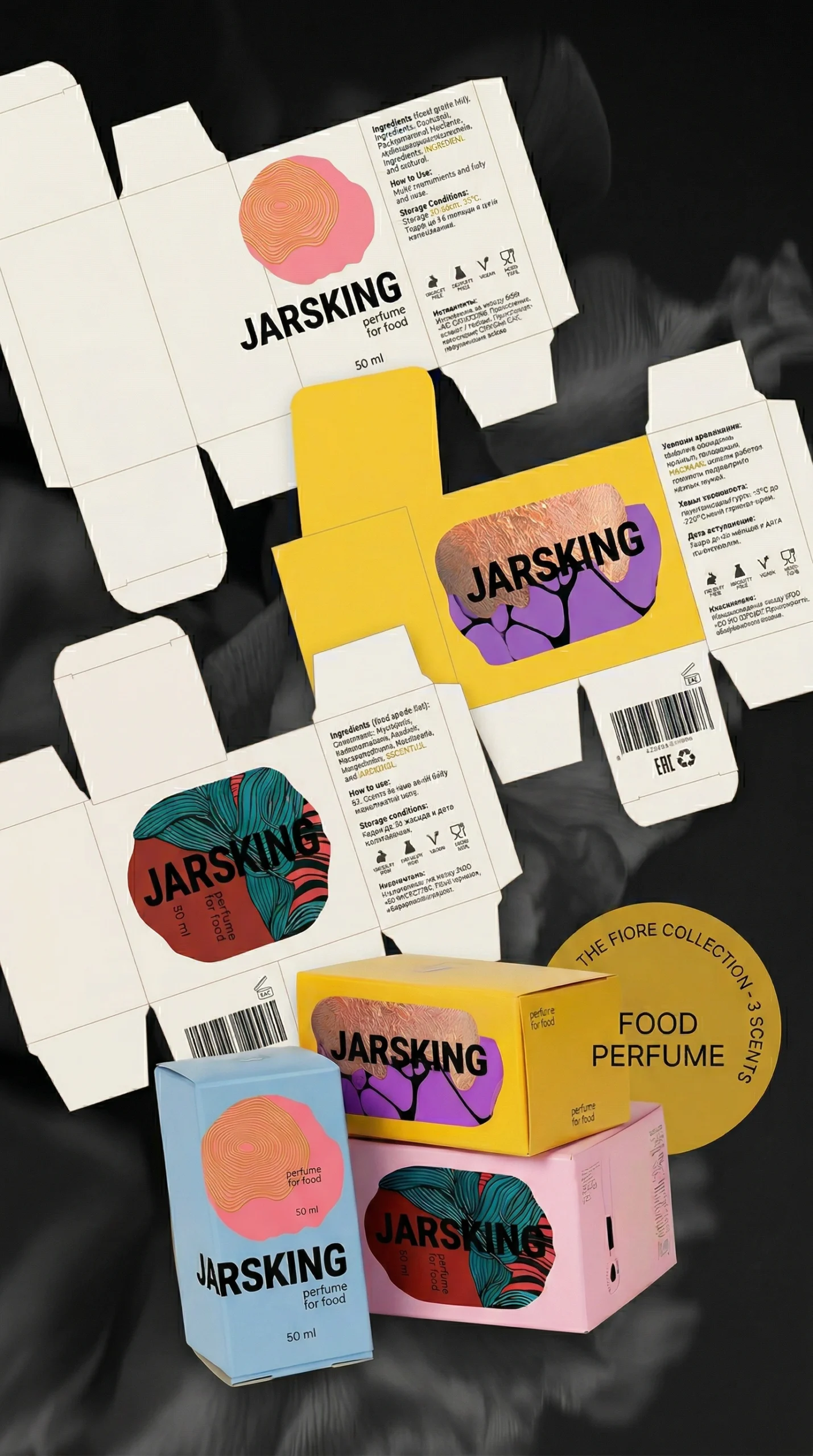
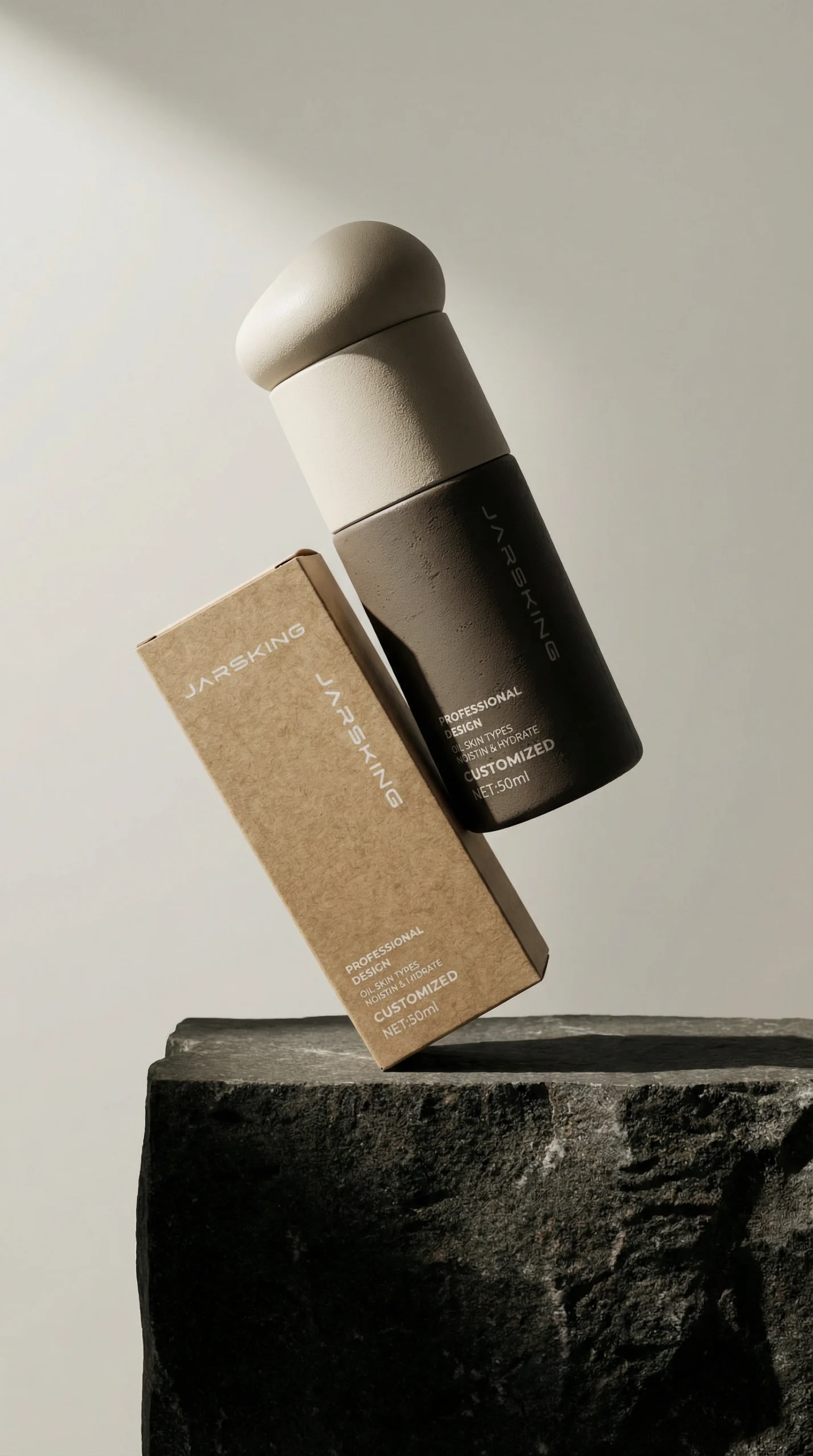
folding carton poster

Application scenarios

  • Beauty/fragrance launches that need more room for brand story, ingredient callouts, rituals, and premium positioning without cluttering the main panels.
  • Pharma-capable packaging where additional panel space helps manage dense information layouts and clarity for use.
  • Concepts where you want a more distinctive “open/reveal” experience while keeping folding-carton efficiency.

Options to elevate

Combine with inside print, guided opening cues, and carefully planned dieline/artwork flow so the extra panel feels intentional and effortless.

Folding Carton Materials

The material your carton is built on determines everything downstream — how it prints, how it creases, how it feels, and how it performs across temperature, humidity, and handling. We will help you match material to application once you share your finish plan and distribution context.

SBS — Solid Bleached Sulfate

What it is

SBS is the premium standard for beauty, fragrance, and pharma-capable folding cartons. It is produced from virgin bleached wood pulp, delivering a bright white surface on both sides that supports exceptional print fidelity, sharp color reproduction, and consistent ink holdout.

Best for

Luxury skincare, prestige fragrance, pharmaceutical outer cartons, and any application where print precision and a clean white substrate are non-negotiable.

SBS — Solid Bleached Sulfate folding carton

Key characteristics

  • Both surfaces printable; interior is white

  • Excellent for fine detail, gradients, and brand color matching

  • Accepts hot stamping, UV coatings, and soft-touch lamination cleanly

  • Strong crease performance; holds sharp edges at lower caliper weights

Trade-off

Higher cost per sheet relative to recycled-content boards. The quality premium is fully visible in the finished carton.

FBB — Folding Box Board

What it is

FBB is a multi-ply board with a mechanical pulp core sandwiched between bleached layers — giving it high bulk and stiffness at lighter weights. It is widely used in European premium packaging and is increasingly specified for luxury beauty and cosmetics cartons globally.

Best for

Premium personal care, cosmetics sets, and structured cartons where caliper-to-stiffness ratio matters — particularly when reducing board weight without sacrificing shelf presence.

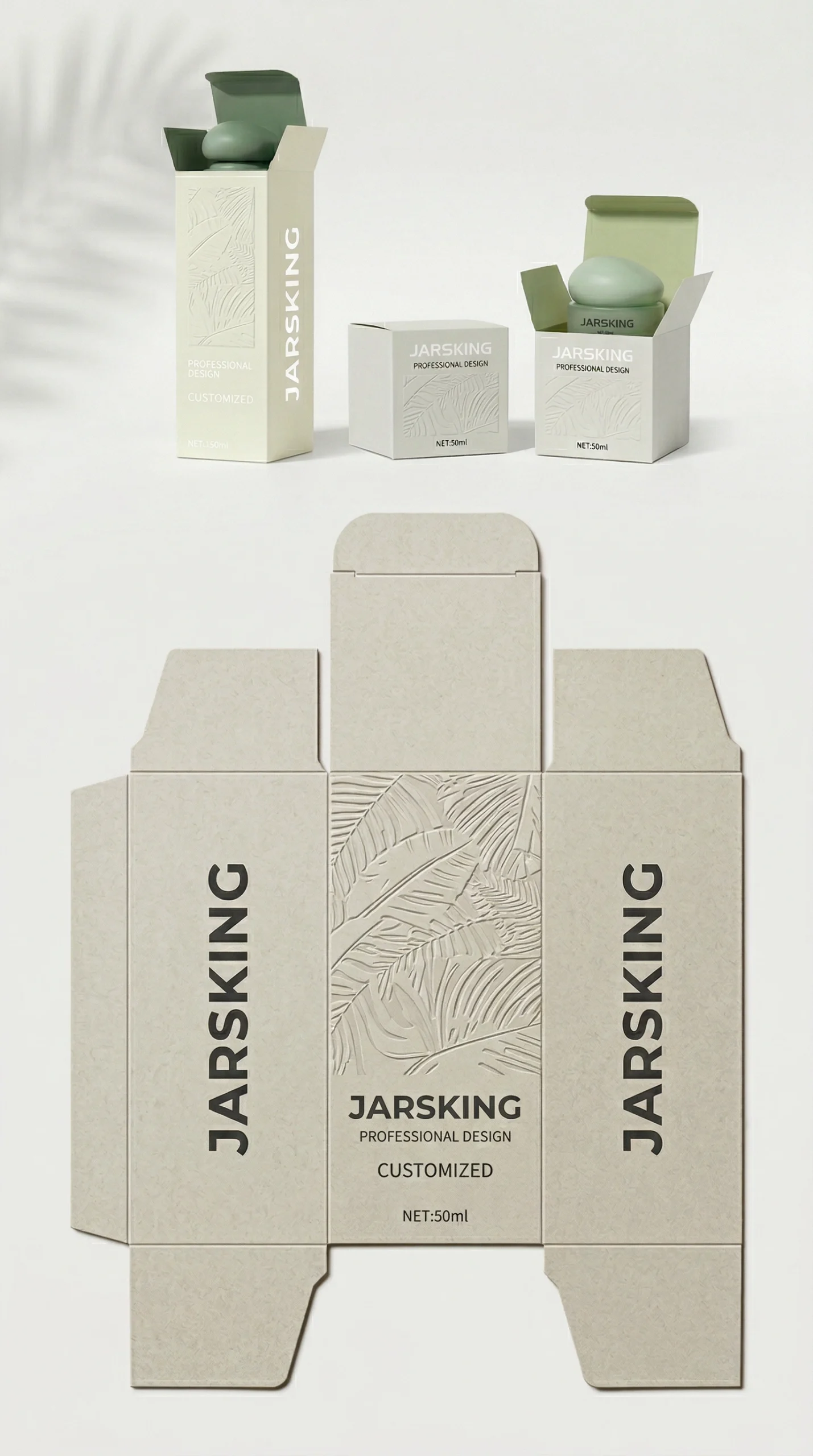
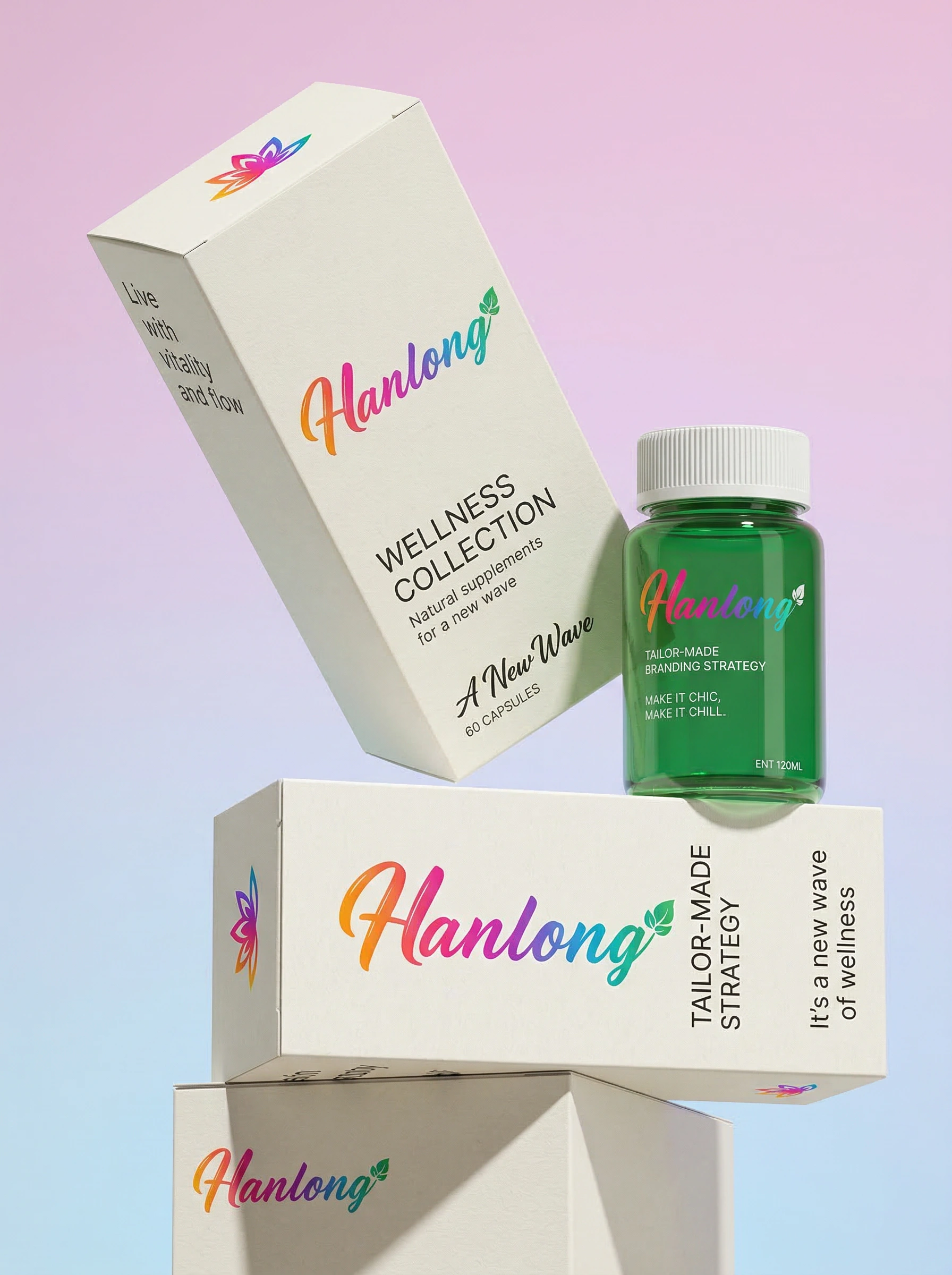
JX PACK Poster 3 - Minimal Composition

Key characteristics

  • High stiffness relative to grammage — structural efficiency

  • Bright printable surface with strong ink adhesion

  • Well-suited for embossing and debossing due to board depth

  • Performs well across complex dieline structures with multiple folds

Trade-off

Mechanical pulp core is not fully bleached, so interior panels show a cream or light gray tone — typically not an issue for cartons where the interior is not a brand surface.
CUK — Coated Unbleached Kraft

What it is

CUK is kraft-based board — produced from unbleached pulp — with a coated top surface for printability. The exterior surface prints cleanly while the interior retains the natural brown kraft appearance, creating a distinct two-tone aesthetic that reads as artisanal, sustainable, or premium-rustic depending on execution.

Best for

Natural beauty brands, clean-ingredient skincare, eco-positioned fragrance, and any brand system where the brown interior is an intentional design asset rather than a compromise.

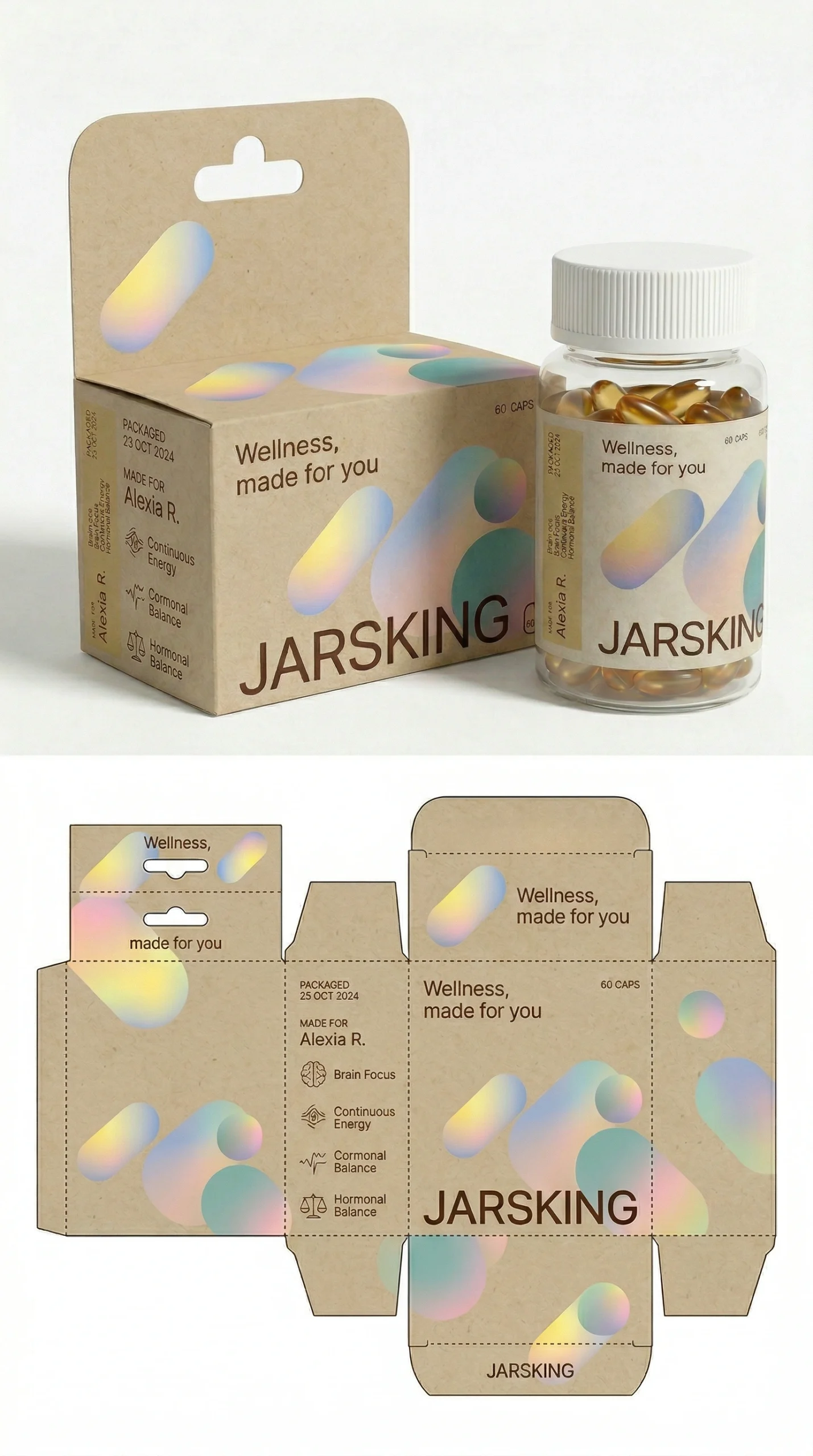
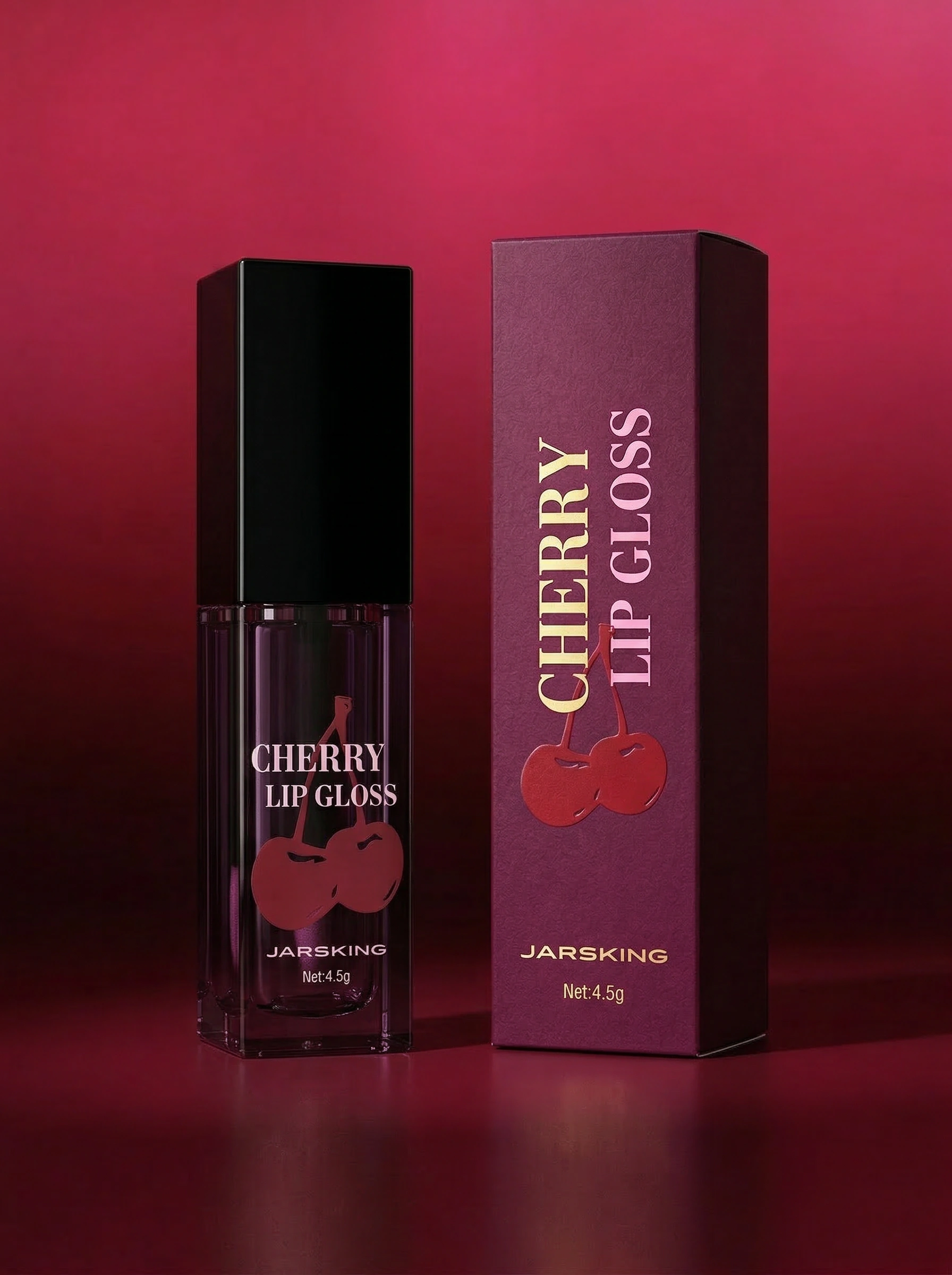
JARSKING Bottle with Box - Dramatic Lighting

Key characteristics

  • Coated exterior supports full-color print, foil, and specialty finishes

  • High tear strength and puncture resistance — rugged in transit

  • Brown interior adds a natural, unprocessed aesthetic cue

  • Compatible with eco-messaging and FSC-certified sourcing

Trade-off

The unbleached interior limits interior branding options. Brands wanting a full-bleed printed interior should evaluate SBS or FBB instead.

PCR Paperboard

What it is

PCR paperboard is produced with a defined percentage of post-consumer recycled fiber — meaning material that has already been through a consumer use cycle and been reclaimed. It is distinct from general recycled board (which may use pre-consumer or mill waste) and carries stronger sustainability credentials for brands that need to substantiate environmental claims.

Best for

Brands with formal ESG commitments, retail sustainability compliance requirements, or consumer-facing eco claims that need to be substantiated beyond general “recycled content” language.

PCR paper box for skincare set

Key characteristics

  • Verifiable post-consumer fiber content supports ESG reporting and retailer audits

  • Compatible with FSC or similar chain-of-custody certification

  • Print surface quality varies by PCR percentage — higher PCR content may require adjusted print specs

  • Available in multiple grades to balance sustainability positioning and print performance

Trade-off

Print clarity and surface uniformity are typically lower than virgin fiber boards at equivalent caliper. Jarsking will recommend a grade and finish stack that preserves brand presentation while meeting your sustainability brief.

Pearlescent Board

What it is

Pearlescent board is a specialty substrate with an iridescent, light-reactive surface built directly into the board stock — producing a soft, shifting luminosity that reads differently under retail lighting, natural light, and direct illumination. Unlike a pearlescent finish applied post-press, the effect originates at the material level, giving the entire carton surface a consistent shimmer that is difficult to replicate through coating or ink alone.

Best for

Prestige beauty, feminine skincare lines, high-end fragrance cartons, limited-edition collections, and gift sets where the carton itself is expected to communicate premium value before any finish is applied.

Key characteristics

  • Dyed-through construction — the pearl effect is inherent to the substrate, not a surface treatment

  • Light-reactive surface shifts in appearance depending on viewing angle and lighting environment

  • Compatible with overprinting, hot stamping, and UV coatings for layered finish effects

  • Protective aqueous top coat on select grades preserves surface integrity through converting and handling

Trade-off

Print behavior differs from standard SBS or FBB — ink density, contrast, and color accuracy require adjusted press specifications to prevent the iridescent base from washing out dark tones or softening fine detail. 

Specialty & Textured Boards

Best for

Hero SKUs, gifting collections, limited editions, and any program where the carton is meant to communicate exceptional value before a finish has been applied.

Trade-off

Higher material cost and longer lead times due to specialty sourcing. Typically reserved for key product lines or seasonal programs rather than full catalog rollouts.

special texture gift box

Beyond commodity substrates, a range of specialty boards are available for programs where the board itself is a brand signal. These include:

  • Metallic paperboard — base-layer foil effect without a separate stamping step; ideal for ultra-premium gift packaging

  • Textured / linen-embossed board — surface pattern adds tactile depth at the substrate level, independent of post-press finishing

  • Black-core board — fully dyed core prevents light show-through on dark cartons; common in luxury fragrance and cosmetics

Folding Carton Finishes

A finish is what bridges engineering and brand identity — it determines how a carton feels in a consumer’s hand, how it behaves under retail lighting, and how well it survives the journey from factory to shelf. Finishes can be applied individually or layered in combination, and the sequencing of that stack matters as much as the individual choices.

Gloss Coating
foundation bottle with gloss coating box

What it is

Gloss coating is the most widely used protective surface treatment in folding carton production. A clear liquid coating — typically aqueous or UV-based — is applied over the printed surface to intensify color vibrancy, increase light reflectivity, and protect ink from scuffing and handling damage during transit and retail display.

Key Characteristics

  • Amplifies color depth and contrast, making print assets appear richer and more saturated

  • High surface reflectivity creates a polished, clean finish that reads as conventional premium

  • Strong scuff and abrasion resistance — well-suited for high-touch retail environments

  • Cost-effective at scale; compatible with nearly all standard board substrates

  • Available as flood coat (full surface) or inline during printing

Matte Coating
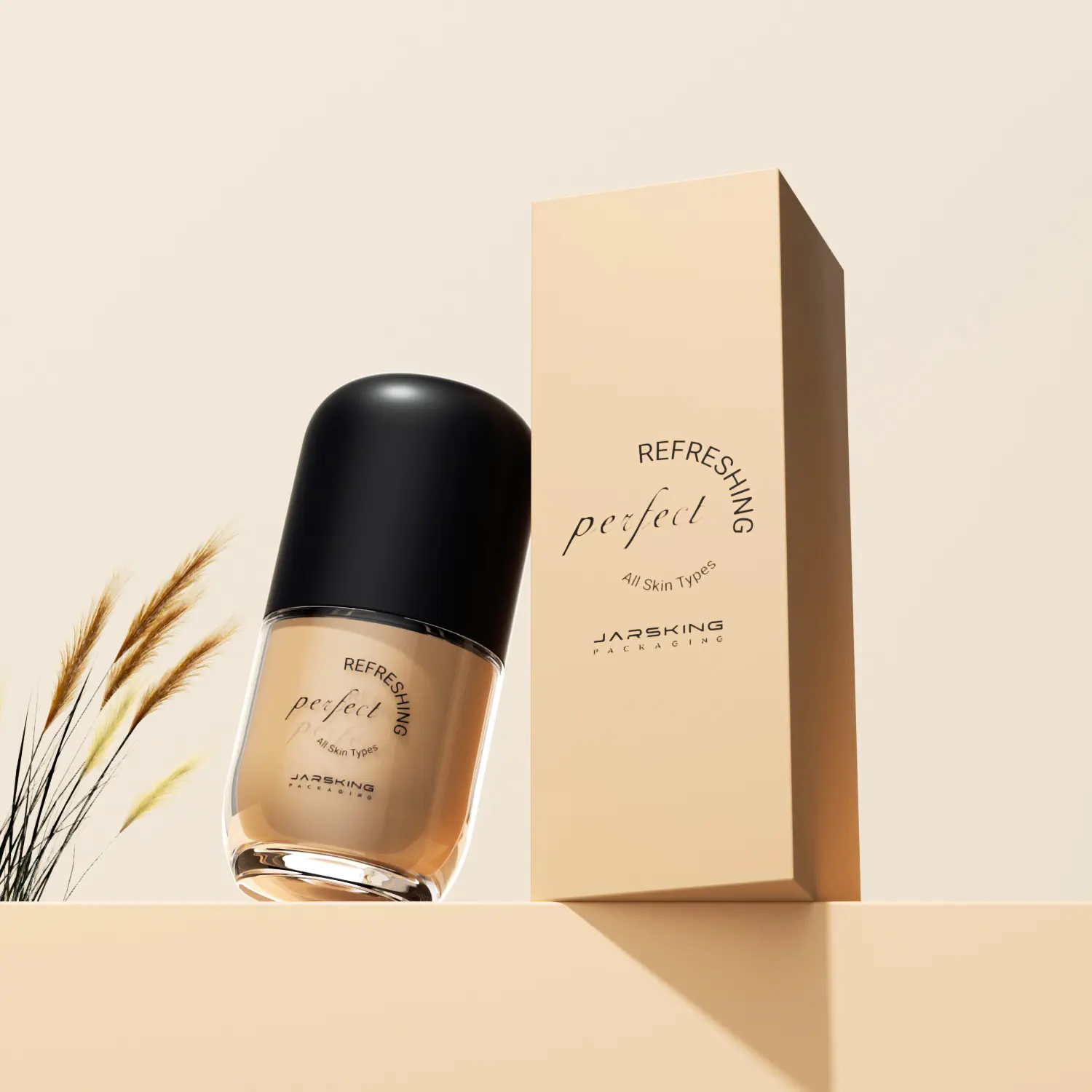
foundation bottle and matte box

What it is

Matte coating applies a low-sheen, light-diffusing surface treatment that eliminates glare and produces a refined, understated finish. It is increasingly used across prestige beauty, premium skincare, and minimalist brand systems as a direct alternative to gloss.

Key Characteristics

  • Diffuses light evenly, eliminating glare and producing a flat, consistent surface appearance

  • Enhances the legibility of white and light-toned type on dark backgrounds

  • Creates strong contrast when paired with spot gloss or spot UV elements

  • Compatible with hot stamping and embossing as part of a layered finish stack

  • Available as flood coat (full surface) or selective panel application

Soft-Touch Lamination
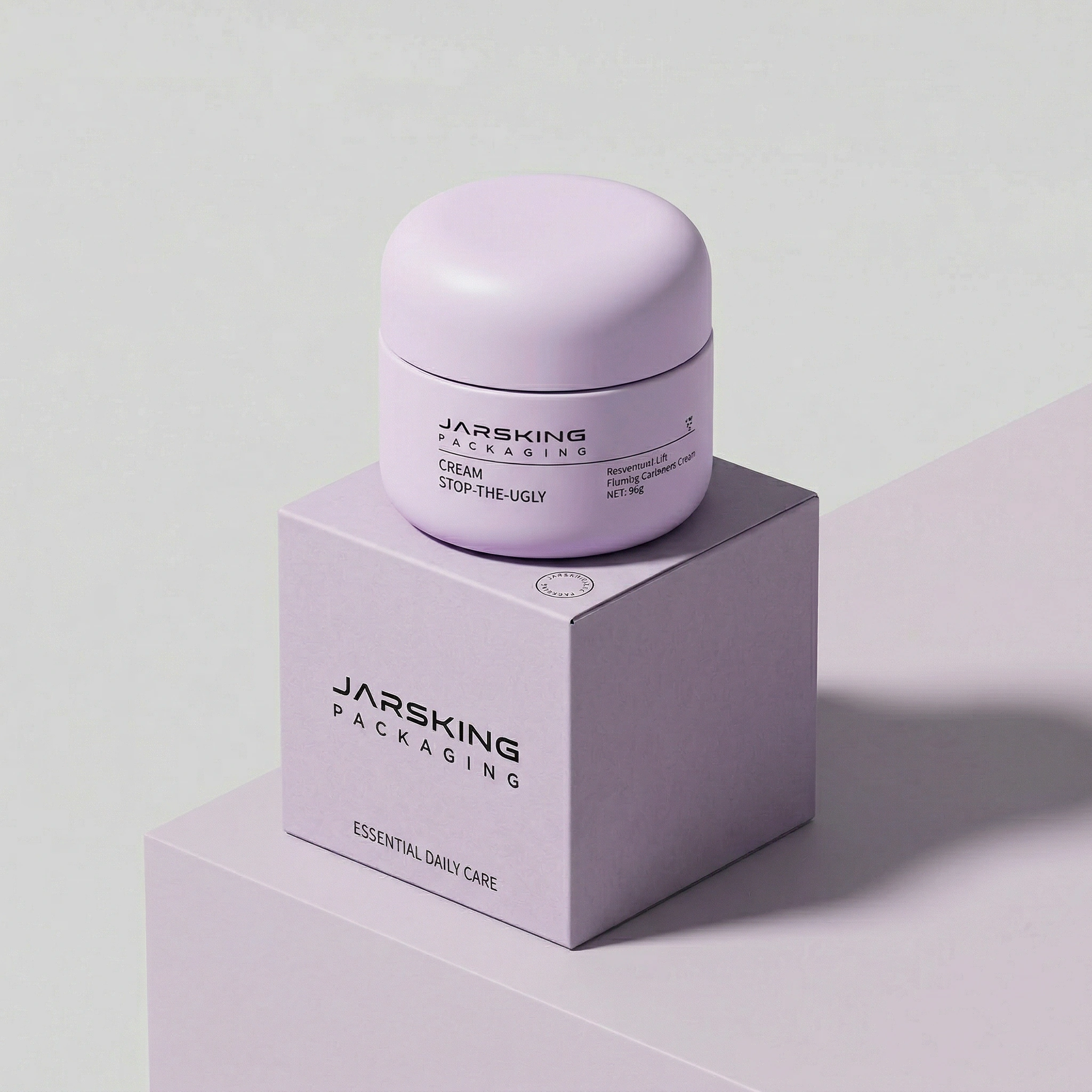
cosmetic jar with soft touch coating box

What it is

Soft-touch lamination bonds a thin, velvety film to the exterior surface of the carton, producing a tactile experience that is distinctly different from any coating. The surface resists fingerprints, absorbs light, and communicates luxury through feel as much as appearance.

Key Characteristics

  • Distinctly velvety tactile surface that signals premium quality on first contact

  • Strong fingerprint and smudge resistance — maintains a clean appearance through retail handling

  • Reduces surface gloss to near-zero; creates an elegant, matte base for additional finish elements

  • Excellent durability — the laminate film is bonded at the substrate level, not surface-applied

  • Compatible with hot stamping, spot UV, and embossing as part of a layered stack

Spot UV Coating
lip gloss tube with spot UV coating box

What it is

Spot UV applies a high-gloss, clear UV-cured coating to selected areas of the carton surface rather than the full panel. The result is a deliberate contrast between a treated zone (typically a logo, graphic element, or typographic lock-up) and an untreated or matte-coated background.

Key Characteristics

  • High-build gloss in treated zones creates a clearly visible contrast against matte backgrounds

  • Adds tactile dimensionality — the treated area is perceptibly raised relative to the surface

  • Highly precise application; supports fine detail, tight type, and complex graphic outlines

  • Particularly effective over dark or saturated base colors where the gloss differential is maximized

  • Can be combined with soft-touch lamination as a base to amplify the matte-to-gloss contrast

Hot Stamping
perfume packaging

What it is

Hot stamping transfers a metallic, pigment, or holographic foil onto the carton surface through a combination of heat and pressure using a custom die. It is the dominant premium accent technique across luxury beauty, fragrance, and high-end cosmetics — and remains the most direct signal of prestige on a folding carton.

Key Characteristics

  • Produces a sharp, precise metallic, matte foil, or holographic accent directly on the carton surface

  • Available in gold, silver, rose gold, copper, bronze, black, white, and custom holographic patterns

  • No ink mixing or color matching variables — foil appearance is highly consistent across runs

  • Compatible with most board substrates; performs particularly well on SBS and FBB

  • Can be applied over laminated or coated surfaces as part of a layered finish stack

Embossing & Debossing
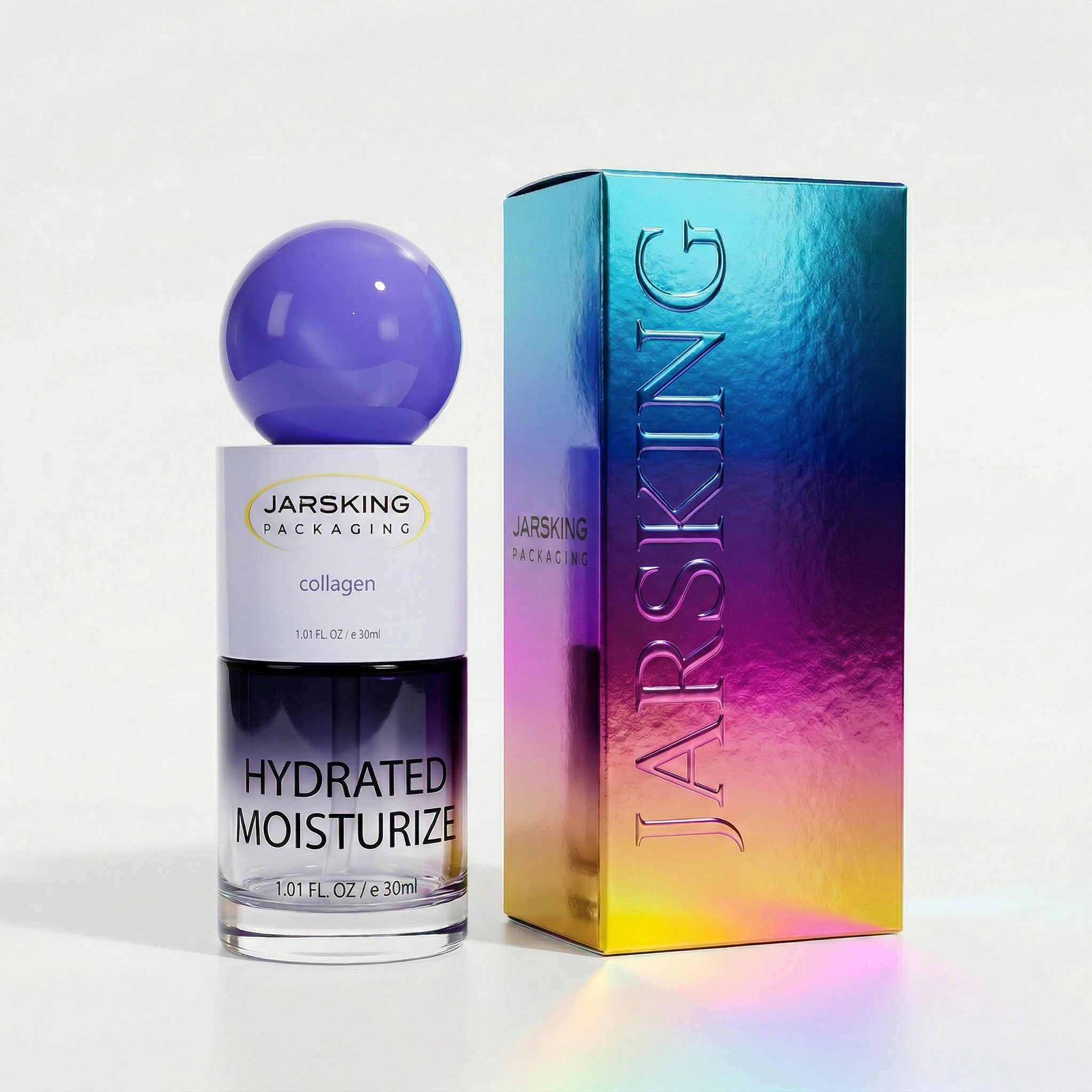
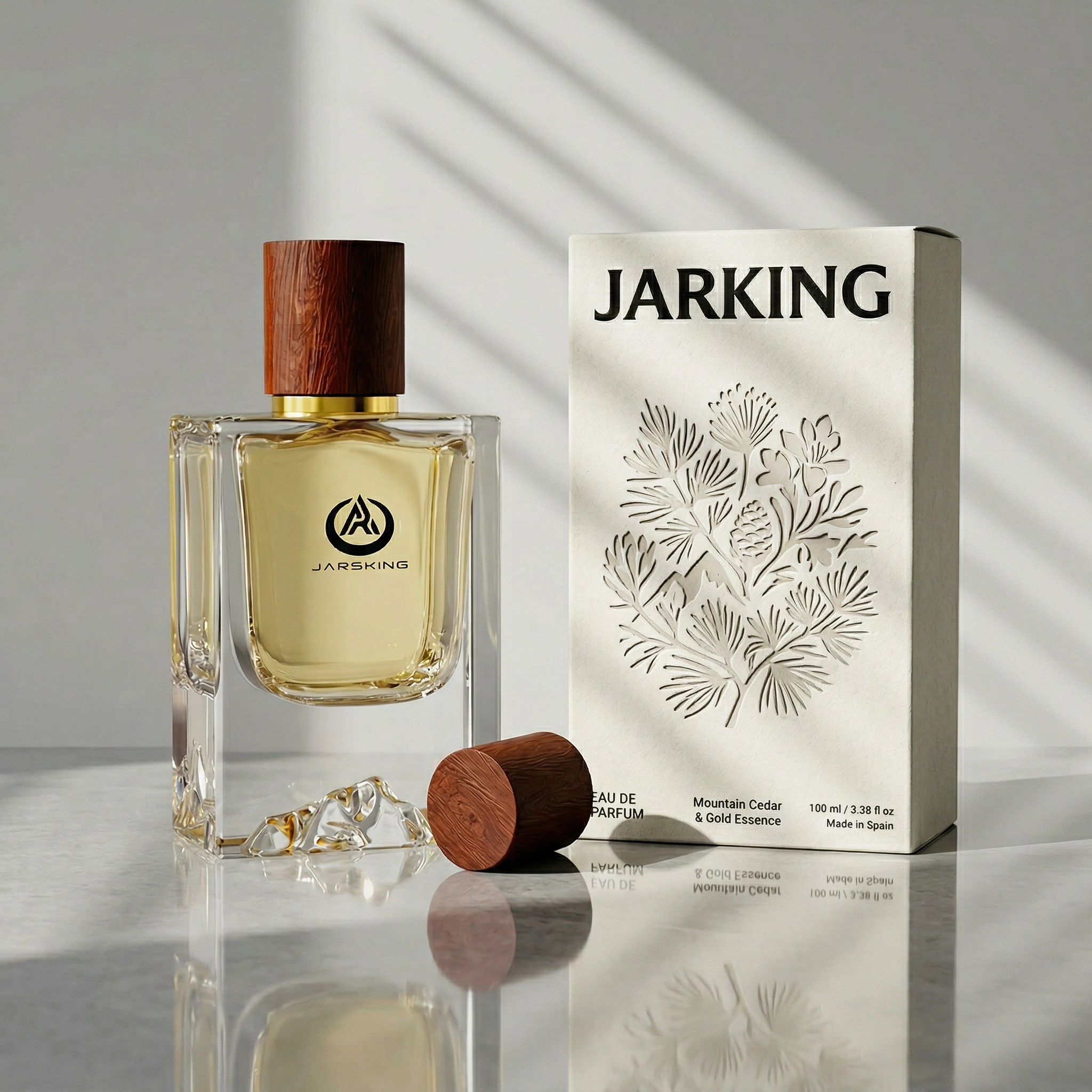
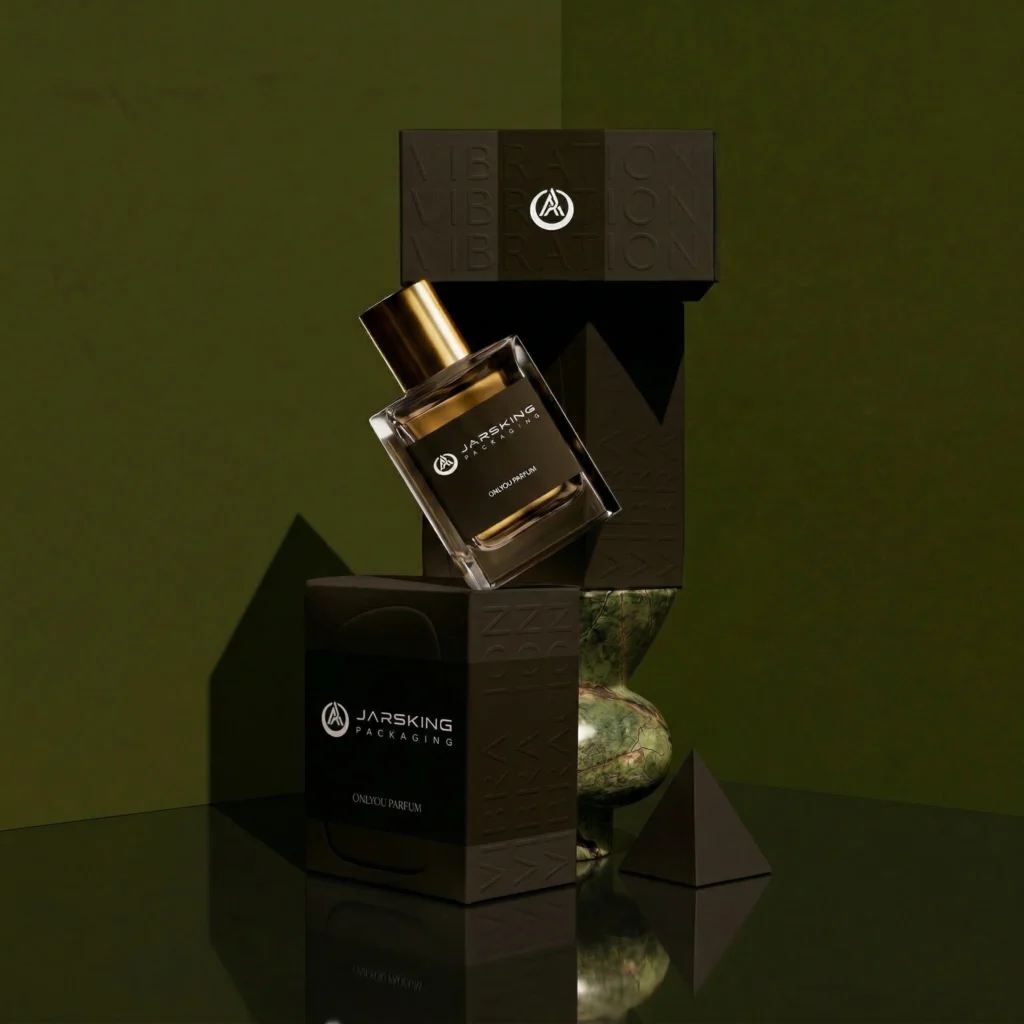
perfume bottle and box_1

What it is

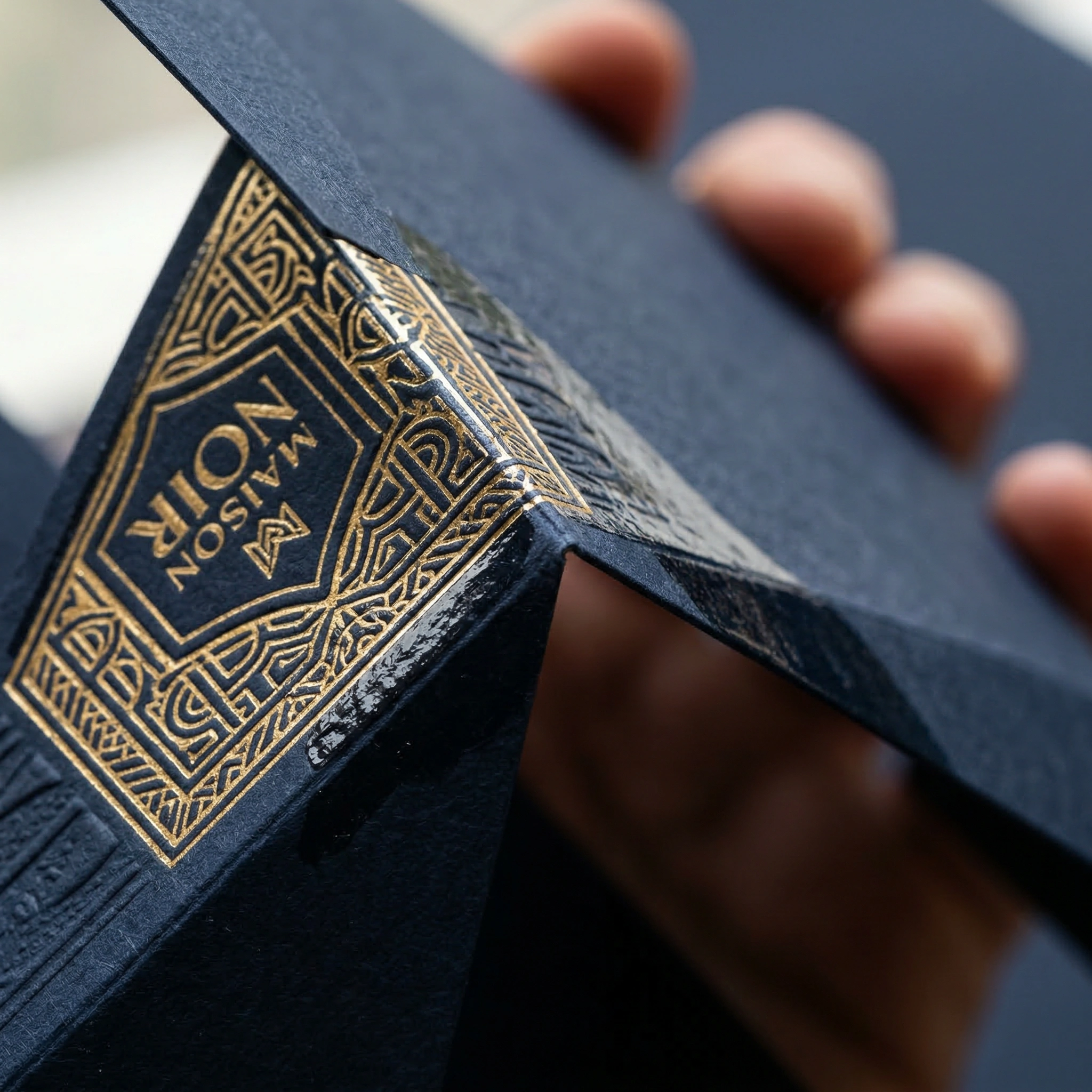
Embossing raises a design element above the carton surface; debossing presses it below. Both are achieved through matched male/female dies that deform the board under pressure, creating a three-dimensional relief effect that adds tactile and visual depth independent of any ink or coating.

Blind embossing (with no ink or foil) is particularly effective on soft-touch or matte-laminated surfaces where the shadow and relief contrast is maximized.

Key Characteristics

  • Creates a tangible three-dimensional surface effect through board deformation, not surface application

  • Blind embossing (no ink or foil) produces a subtle, sophisticated result that rewards close inspection

  • Foil-embossing (hot stamp + emboss in the same die step) combines metallic accent with relief depth

  • FBB and SBS perform best — their board depth and fiber structure hold the relief cleanly

  • Highly durable; the relief effect is structural and does not degrade with handling

Aqueous Coating
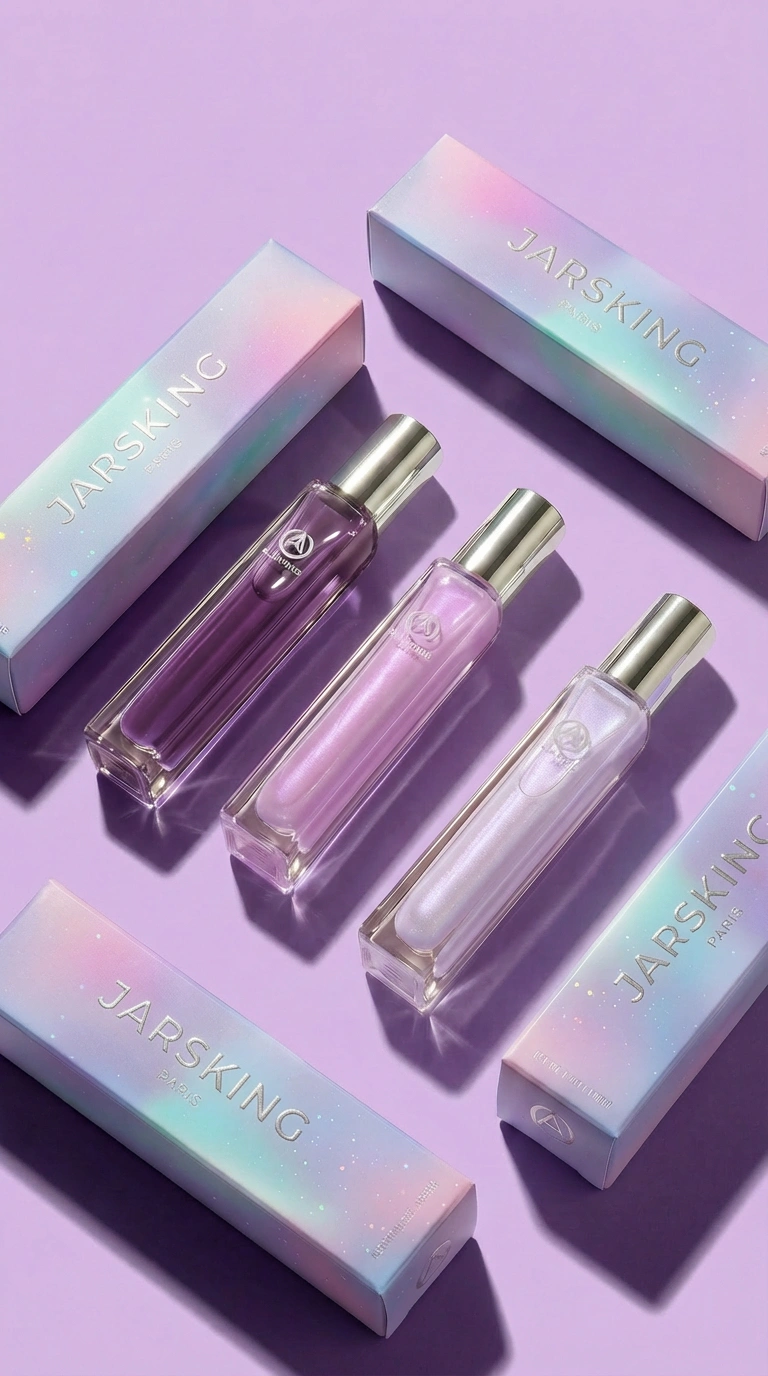
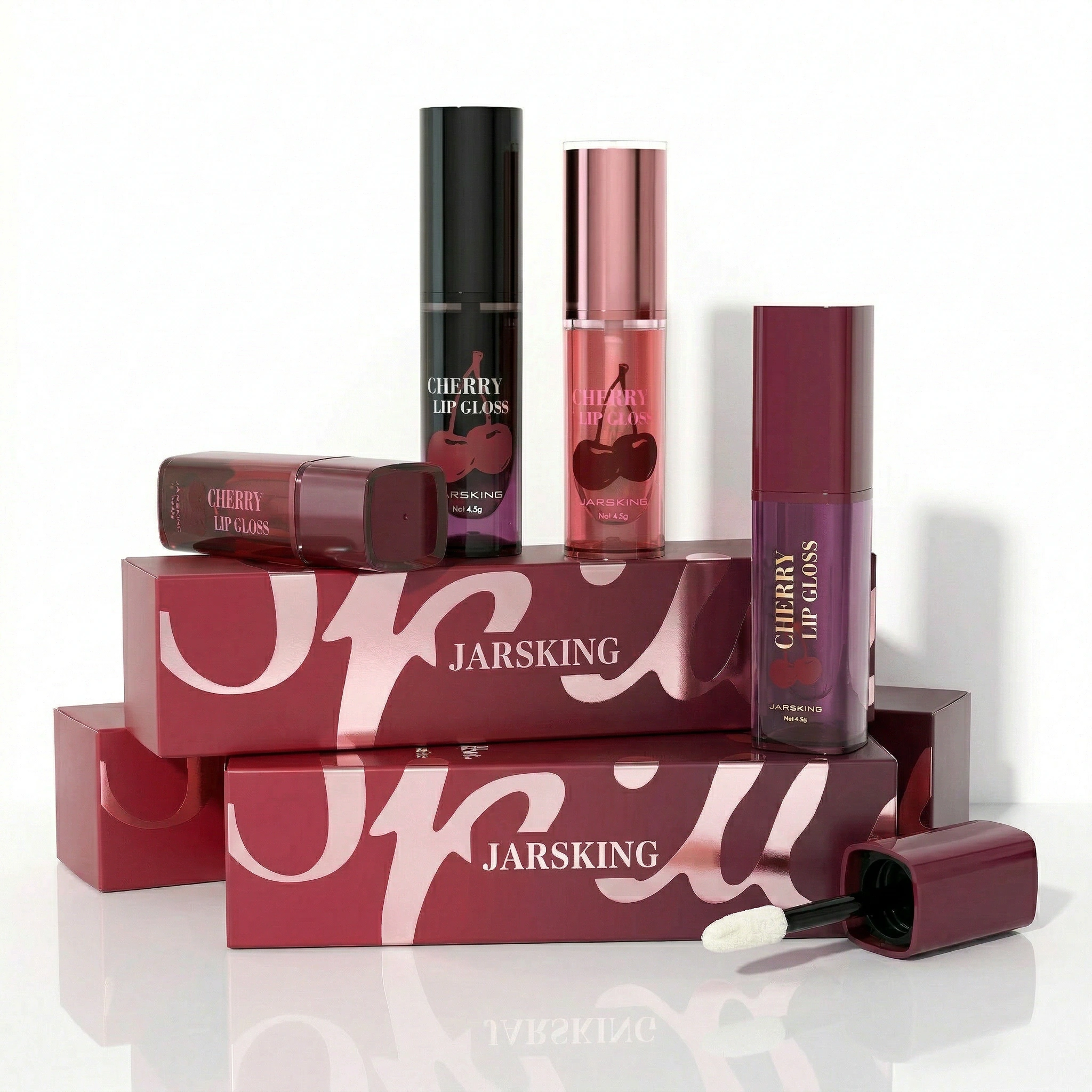
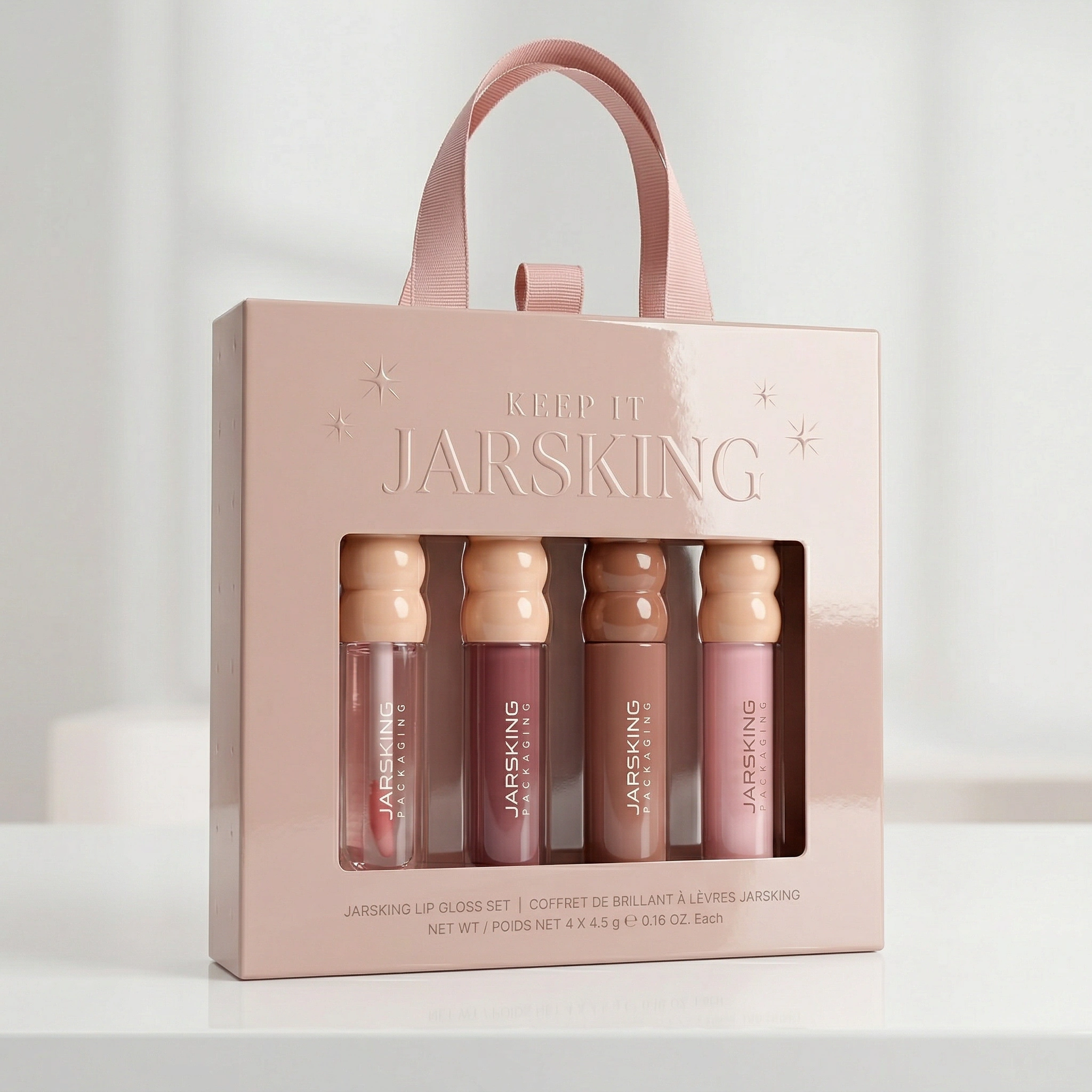
JARSKING Lip Gloss Set with Glossy Box

What it is

Aqueous coating is a water-based clear coating applied inline during printing as a flood or spot treatment. It provides a baseline level of surface protection — scuff resistance, ink protection, and handling durability — at the lowest cost and fastest turnaround of any coating option.

Key Characteristics

  • Fast-drying inline application — no additional press pass required

  • Provides functional scuff and abrasion resistance for standard retail and transit conditions

  • Available in gloss, matte, and satin sheen levels

  • Compatible with most CMYK and spot color printing

  • Lower environmental impact than solvent-based alternatives; widely available globally

Dielines, Artwork & Orientation

Getting structure and artwork into alignment before sampling is the single biggest lever for reducing rework and compressing your launch timeline. A misaligned dieline or an artwork file built without fold logic adds correction rounds, delays physical samples, and pushes back approvals — all of which compound quickly against a launch calendar.

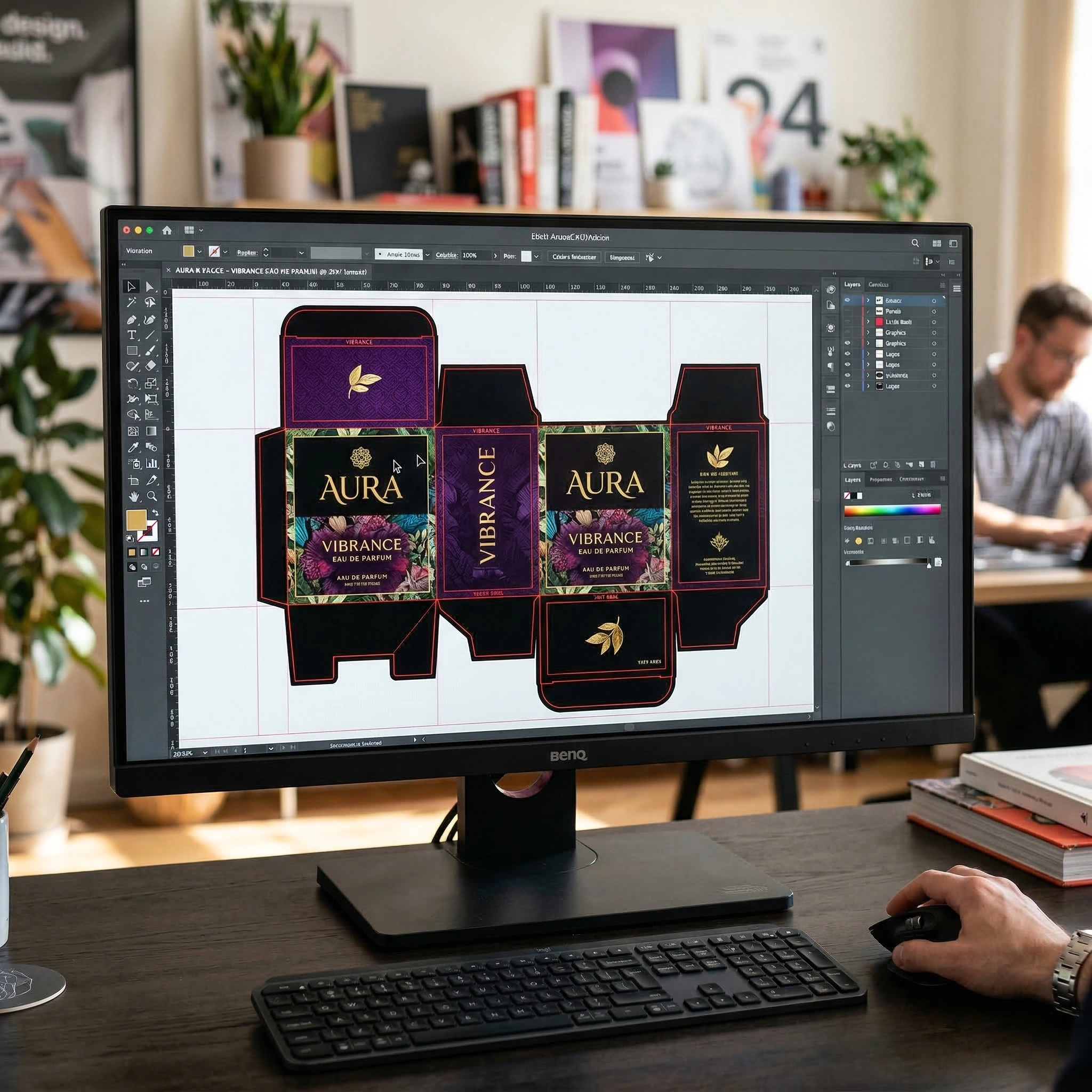
perfume paper box

What a Dieline Is

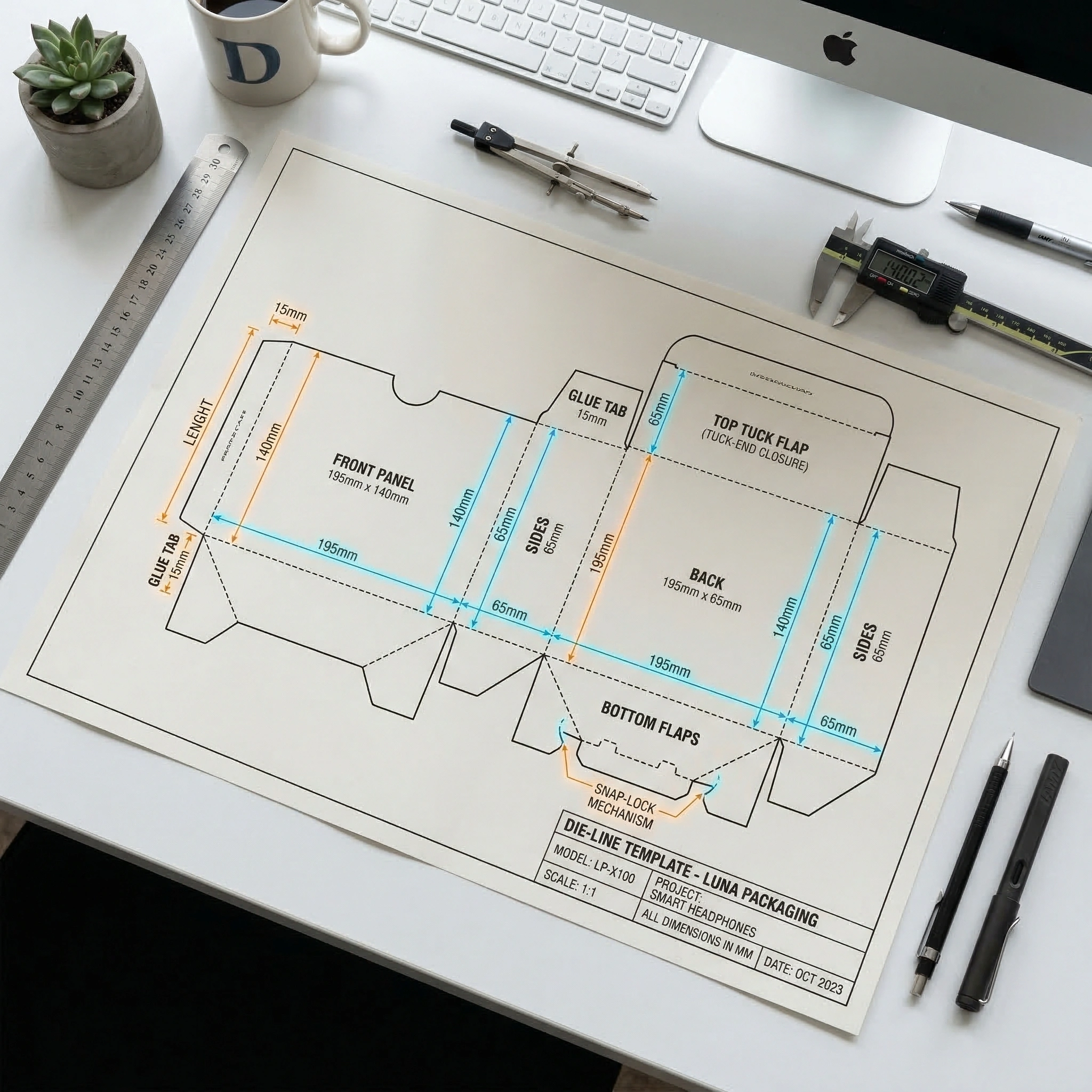
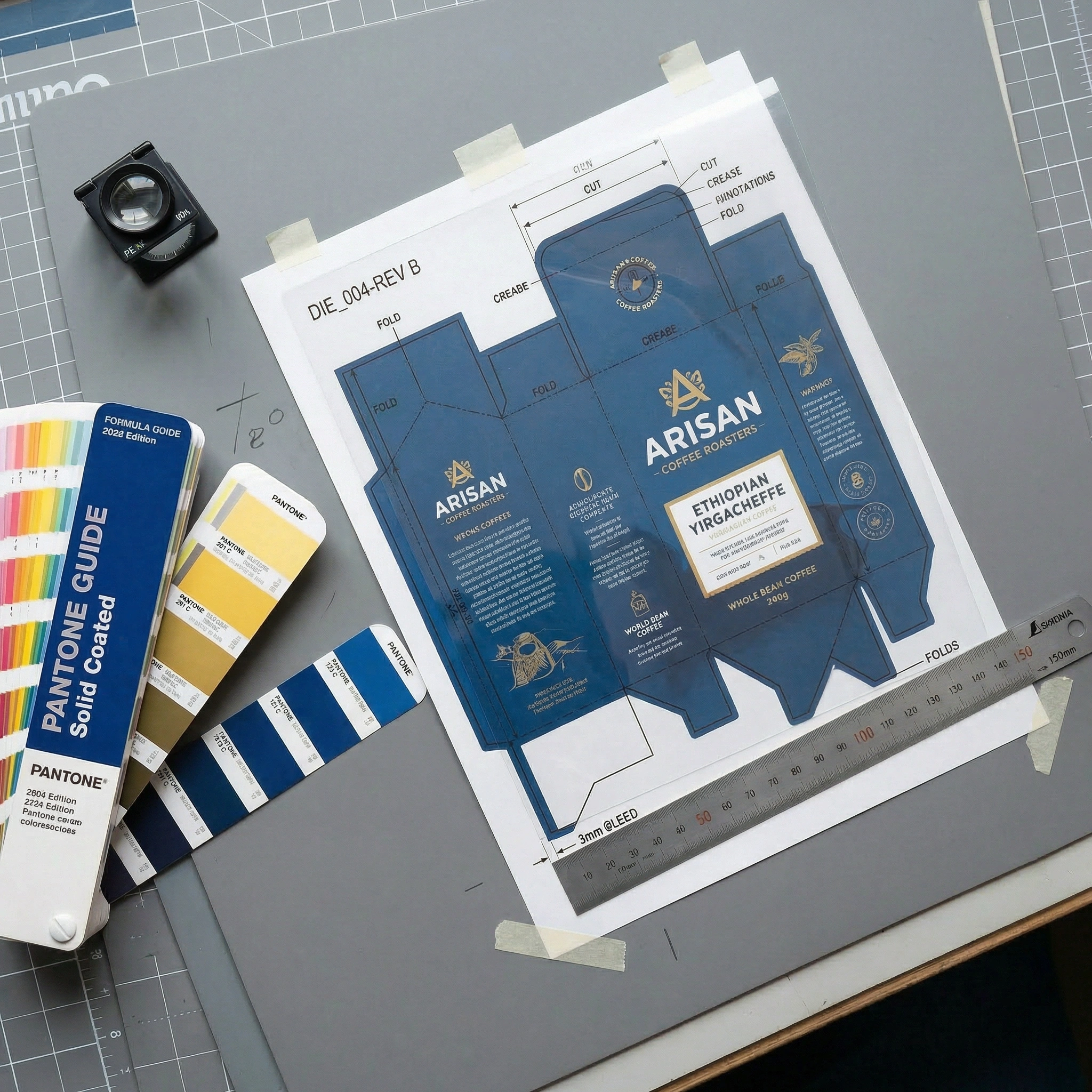
A dieline is the two-dimensional structural blueprint of your folding carton — the flat, annotated file that defines:

  • Every cut line, crease line, and fold line

  • Glue areas, bleed zones, and safe zones

  • Closure tab geometry, panel sequencing, and flap placement

It is the document from which your carton is physically manufactured, and the reference file your artwork team must build against. If the dieline is wrong, no downstream step — print, finishing, die-cutting, or assembly — can correct it.

Step 1: Create & Validate the Dieline
Top-down_birds_eye_view_photograph

Step 1: Create & Validate the Dieline

Jarsking creates and validates dielines built to your exact dimensions and selected closure style — before any artwork is placed.

What to provide

  • Final carton size: L×W×H (specify interior or exterior)

  • Pack-out description: what sits inside, including fitment requirements

  • Closure style: tuck-end, snap-lock, auto-bottom, seal-end, or 5th panel

  • Functional features needed: partitions, leaflet glue zones, tamper-evident tabs, extra panels

What this prevents

  • Panel dimensions that don’t fit the primary packaging without modification

  • Closure tabs too short or narrow to function reliably at line speed

  • Glue flap placement that conflicts with exterior print or finish zones

  • Structural conflicts between adjacent panels that only surface once the carton is folded

Don't have final dimensions yet?

Jarsking can advise on standard size ranges by product category and establish a working dieline before primary packaging is fully locked.

Step 2: Confirm Carton Orientation
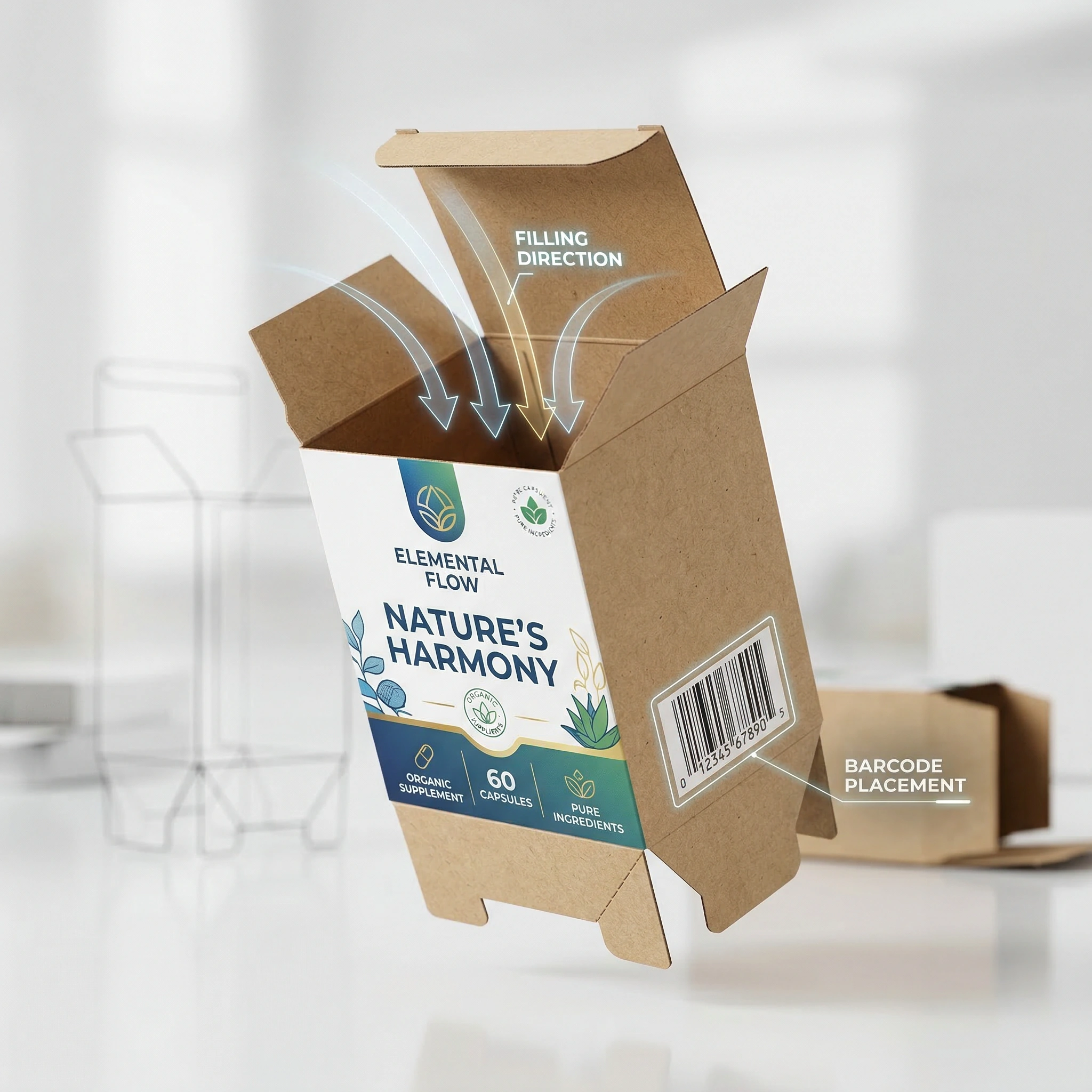
A_3D_rendering_of_a_folding_carton_box

Step 2: Confirm Carton Orientation

Orientation must be confirmed before artwork layout begins — not after. It determines which panel faces up during filling and assembly, and directly controls how exterior panels appear once the carton is formed and presented to the consumer.

Confirm these four points before your design team opens the file

  • Filling direction — which closure is the top (filled from top vs. bottom)

  • Front panel identification — confirmed against how the carton presents on shelf or in fixture

  • Printing direction — how artwork reads relative to the sheet’s travel through the press

  • Barcode / label orientation — vertical vs. horizontal relative to the assembled carton’s standing position

Getting orientation wrong on a flat dieline is invisible

It only becomes visible as a fully produced, incorrect sample. Confirming it here eliminates an entire class of approval errors.

Step 3: Place Artwork with Guidance
Close-up_photograph_of_a_high-end

Step 3: Place Artwork with Guidance

With the dieline validated and orientation confirmed, artwork can be built with full awareness of panel visibility, structural constraints, and hierarchy.

Jarsking's artwork placement support includes

  • Panel identification and labeling on the dieline file before artwork begins

  • Front/back/side designation aligned to retail and in-hand presentation

  • Guidance on where tabs, glue flaps, and perforations constrain printable area

  • Hierarchy recommendations — primary brand panel, regulatory copy placement, side and 5th panel use

Common placement errors this prevents

  • A logo straddling a crease line

  • A barcode positioned on a closure tab

  • A hero image centered without accounting for actual panel width

  • Regulatory copy or key messaging assigned to a panel that faces inward

Step 4: Review Fold-Zone Safety
Macro_photography_close-up_of_premium_carton_board

Step 4: Review Fold-Zone Safety

Before finishes are specified, every panel area where the board folds inward — or where panels face each other in the assembled carton — must be reviewed for surface conflict risk.

Common fold-zone risks Jarsking flags

  • Soft-touch or spot UV finish in zones where two panels contact each other once assembled

  • Spot UV or laminate film adjacent to tight crease lines where the film may flex or crack

  • Emboss / deboss elements over zones with underlying structural layers

  • Hot stamp elements placed within the minimum recommended distance from a scored fold line

  • Artwork or barcodes on panels partially obscured once the closure is formed

Fold-zone review happens at the dieline stage

Before artwork is built — so finish and design decisions are made with structural awareness from the start.

Step 5: Run Preflight Before Sampling
Preflight Before Sampling

Step 5: Run Preflight Before Sampling

A preflight check is the final structured gate before a physical sample is ordered. It validates that the supplied artwork file is correctly built against the approved dieline — and that no file-level issue will produce a sampling error or correction round.

Jarsking's preflight review covers

  • Artwork dimensions confirmed against approved dieline panel measurements

  • Bleed extension verified on all cut edges

  • Safe zone margins confirmed for copy, barcodes, and brand marks

  • Spot color and Pantone call-outs checked for production compatibility

  • Finish zones (spot UV, foil, emboss) reviewed against structural constraints

  • Resolution and file format confirmed for the intended print process

  • Fold lines and panel boundaries checked against artwork panel assignments

Catching a file issue at preflight costs nothing.

Catching it after a sample has been produced costs time, material, and calendar days.

Folding Cartons by Category

Every product category brings its own set of structural, aesthetic, and functional requirements to the folding carton brief. The right configuration — board, finish, closure, and feature set — varies significantly depending on what the carton is protecting, where it is sold, and what it needs to communicate at the moment a consumer picks it up.

Makeup Folding Cartons
lip gloss packaging

feature requirements

  • Soft-touch lamination or premium matte coating for a tactile premium signal on first contact

  • Spot UV or cold foil on brand marks, product names, and hero graphic elements

  • Hot stamping for metallic accents aligned to brand system (gold, rose gold, silver, copper)

  • Embossing or debossing for logo depth and tactile brand identity on the front panel

  • Strong scuff resistance across finishes — critical for high-turnover retail display environments

  • Compact dieline structures suited to counter display, travel retail, and gifting configurations

Closure choices

Favor tuck-end for speed and compactness, with snap-lock specified for heavier or structured packs — such as palette cartons — where base integrity under handling matters.

Print discipline

Demand accurate reproduction of brand color across metallic and non-metallic finishes simultaneously. Programs that combine hot stamp, spot UV, and CMYK print in the same finish stack require careful press sequencing and inter-layer registration to maintain the intended visual hierarchy.

Cosmetics Folding Cartons
cosmetic packaging

feature requirements

  • Precise color matching across multi-SKU product lines and seasonal extensions

  • Finish consistency across large production runs — gloss, matte, or soft-touch applied uniformly

  • Window cut-outs or die-cut panels to showcase primary packaging or product color

  • Interior print or color for added brand presence at the unboxing moment

  • Compact, shelf-optimized dieline structures that minimize footprint in retail fixtures

  • Compatible structural sizing for primary vessel types: compacts, bottles, tubes, and dropper packs

Closure choices

Typically favor tuck-end for volume efficiency and auto-bottom for structured bases that support heavier primary packaging without base collapse at shelf.

Print discipline

Centers on brand color accuracy and batch-to-batch consistency. High-control color workflows with measurable tolerances ensure that a foundation range or skincare collection presents as a cohesive line — not a collection of near-matches.

Perfume Folding Cartons
perfume packaging design concept

feature requirements

  • Premium tactile finish — soft-touch lamination, pearlescent board, or specialty substrate

  • Hot stamping, cold foil, or multi-layer metallic accents aligned to fragrance brand identity

  • Internal fitment: foam inserts, card trays, or engineered structural pads to secure the flacon

  • Embossing or debossing on brand marks, crests, or decorative pattern elements

  • Sharp structural edges and corners — a precision engineering requirement

  • 5th panel or expanded interior surface for storytelling, ingredient narrative, or usage guidance

  • Gift-ready configurations: magnetic closures, ribbon pulls, or nested set structures for gifting

Closure choices

Entry and mid-tier fragrance typically uses tuck-end or snap-lock. Prestige and niche fragrance increasingly specifies custom closure configurations — including magnetic tuck, friction-fit sleeves, and hinged lid structures — where the opening gesture is a deliberate brand moment.

Print discipline

Fragrance brands often operate with strict brand standards for metallic tones, emboss depth, and foil registration.

Pharma Folding Cartons

feature requirements

  • Tamper-evident features — visible indicators of interference to protect patient safety

  • Glued leaflets — regulated information included within the carton footprint

  • Partitions and trays — internal component control and protection for fragile or multi-piece packs

  • Attached labels and two-ply labels — additional data layers without a separate secondary component

  • Expanded content labels (ECLs) — multi-page content within a compact label format

  • Fifth panels — structured extra surface for dense regulatory, clinical, or dosage information

  • Serialization and anti-counterfeiting compatibility — structural and print features aligned to track-and-trace requirements

Closure choices

Evaluated on protection level, line speed, and assembly environment. Tuck-end, snap-lock, auto-bottom, seal-end, and 5th-panel constructions are all used depending on product format — bottle, vial, device, or multi-pack — and the handling conditions the carton will face across the supply chain.

Print discipline

Regulated packaging requires measurable color consistency, real-time monitoring, and calibrated workflows to ensure accuracy and legibility are maintained across every unit in a batch — not just the first carton off the press.

FAQ

Most frequent questions and answers regarding folding cartons

A folding carton is a paperboard-based package produced as a flat, printed sheet that is die-cut, creased, folded, and glued into a three-dimensional box. The manufacturing sequence moves through sheet layout, printing, post-press finishing, die-cutting and creasing, and final folding and gluing. It is the standard outer packaging format for beauty, fragrance, personal care, and pharmaceutical products.

The most common closure families are tuck-end (efficient, compact), snap-lock (secure interlocking tabs), auto-bottom / lock-bottom (pre-glued base for faster assembly), seal-end (adhesive sealed for contamination protection), and 5th panel / multi-panel styles (extra surface for information or design). The right closure depends on your pack-out, protection requirements, line speed, and unboxing intent.

SBS (Solid Bleached Sulfate) is the premium standard — a bright white, virgin-fiber board that delivers exceptional print fidelity and accepts hot stamping, UV coatings, and soft-touch lamination cleanly. FBB (Folding Box Board) is a strong alternative, offering high stiffness at lighter weights and excellent embossing performance. Both are widely specified across prestige beauty and fragrance programs.

Common finishing options include gloss coating, matte coating, soft-touch lamination, spot UV, hot stamping (foil stamping), cold foil, embossing and debossing, and aqueous coating. Most premium programs layer multiple finishes — for example, soft-touch lamination as a base with spot UV on the logo and hot stamp on a brand mark — to create layered tactile and visual contrast.

A dieline is the structural blueprint of your carton — the flat, annotated file defining every cut line, crease, fold, glue area, bleed, and safe zone. Artwork must be built against an approved dieline. Skipping dieline validation before artwork placement is the most common cause of rework, misaligned panels, and sample correction rounds that delay launch timelines.

Yes. Folding cartons can be configured for pharma-capable and high-control programs with features including tamper-evident closures, glued leaflets, partitions and trays, attached or two-ply labels, expanded content labels, and fifth panels for dense regulatory information. These programs require precision manufacturing, disciplined print quality control, and measurable color consistency across production runs.

Yes. Jarsking supports eco-friendly material directions including PCR (post-consumer recycled) paperboard, PLA bio-based options, recyclable board grades, and FSC-certified sourcing. These choices are available as part of Jarsking’s broader ESG framework, which covers raw material selection, production innovation, and packaging designed for replaceability and circularity.

To receive an accurate quote, provide: product category (beauty / fragrance / pharma-capable), carton size (L×W×H) and pack-out description, preferred closure style, target quantity and delivery region, artwork status, finish requirements (stamping, coating, lamination), and any functional features needed such as tamper-evident tabs, leaflets, or partitions. The more complete your brief, the faster Jarsking can respond with a production-ready recommendation.

Request Quotation