logo

Custom Packaging Design: From Your Brief to a Physical Prototype

A brief. A render. A prototype. A production-ready specification. Stage 1 is a structured co-design process built for brands that need packaging conceived for their consumer, their channel, and their shelf — not pulled from someone else’s catalog and relabeled as their own.

Our 5-Step Concept Development Process

“Concept to Demo” means exactly what it says. Every step has a defined input, a clear deliverable, and a confirmed timeline — so you always know where your project stands and what comes next.

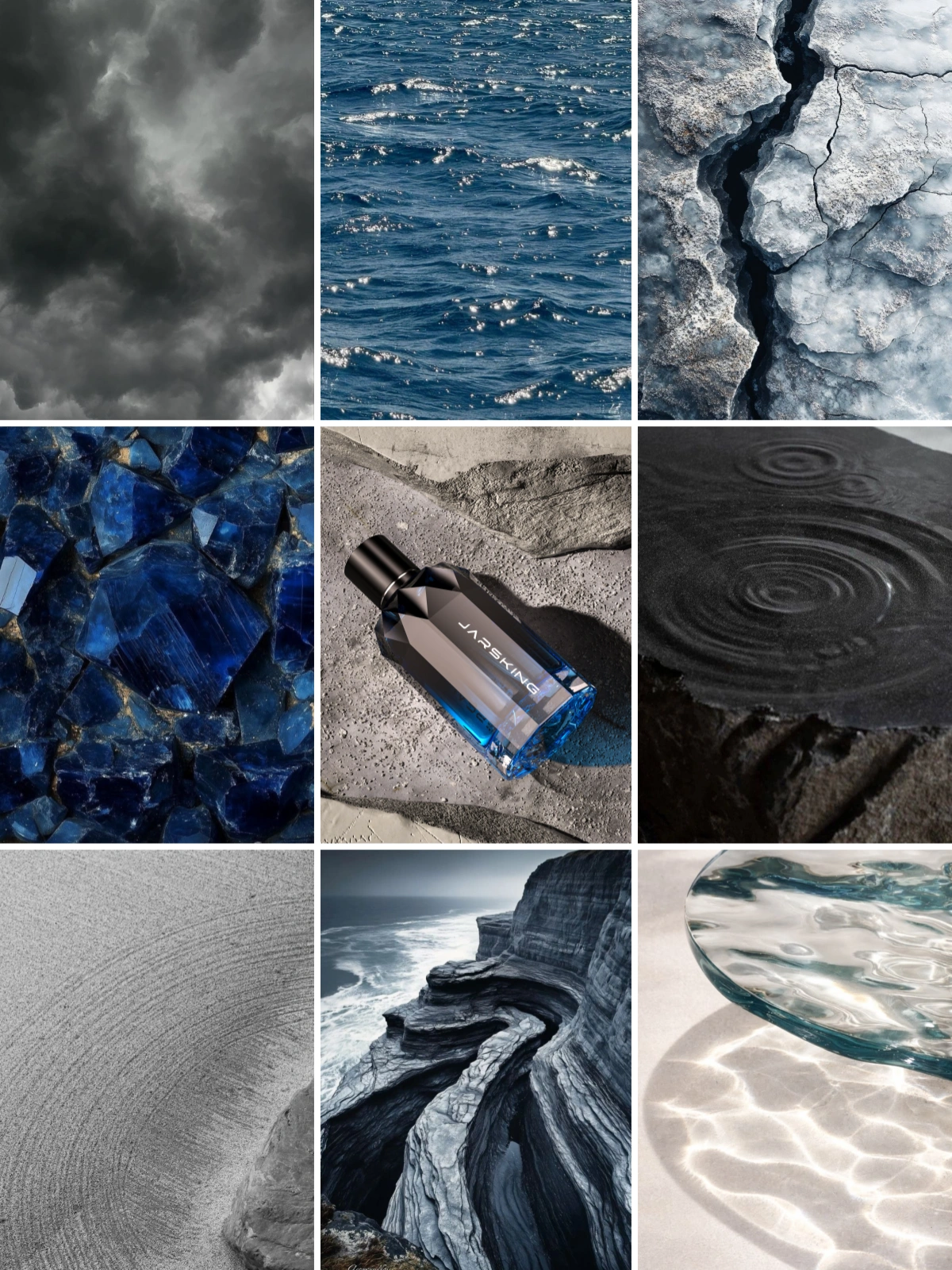
grid moodboard

Step 1 —
Brand Brief & Strategy Review

Everything starts with understanding your brand. Before our design team picks up a pencil, we need to know:

This brief is not a form you fill in and forget. It becomes the strategic North Star for every decision that follows — from silhouette to material to finish. A dedicated Jarsking project manager reviews your brief, asks clarifying questions, and may propose alternatives you hadn’t considered. This is the first moment where our team starts working for you.

Step 2 —
Concept Ideation

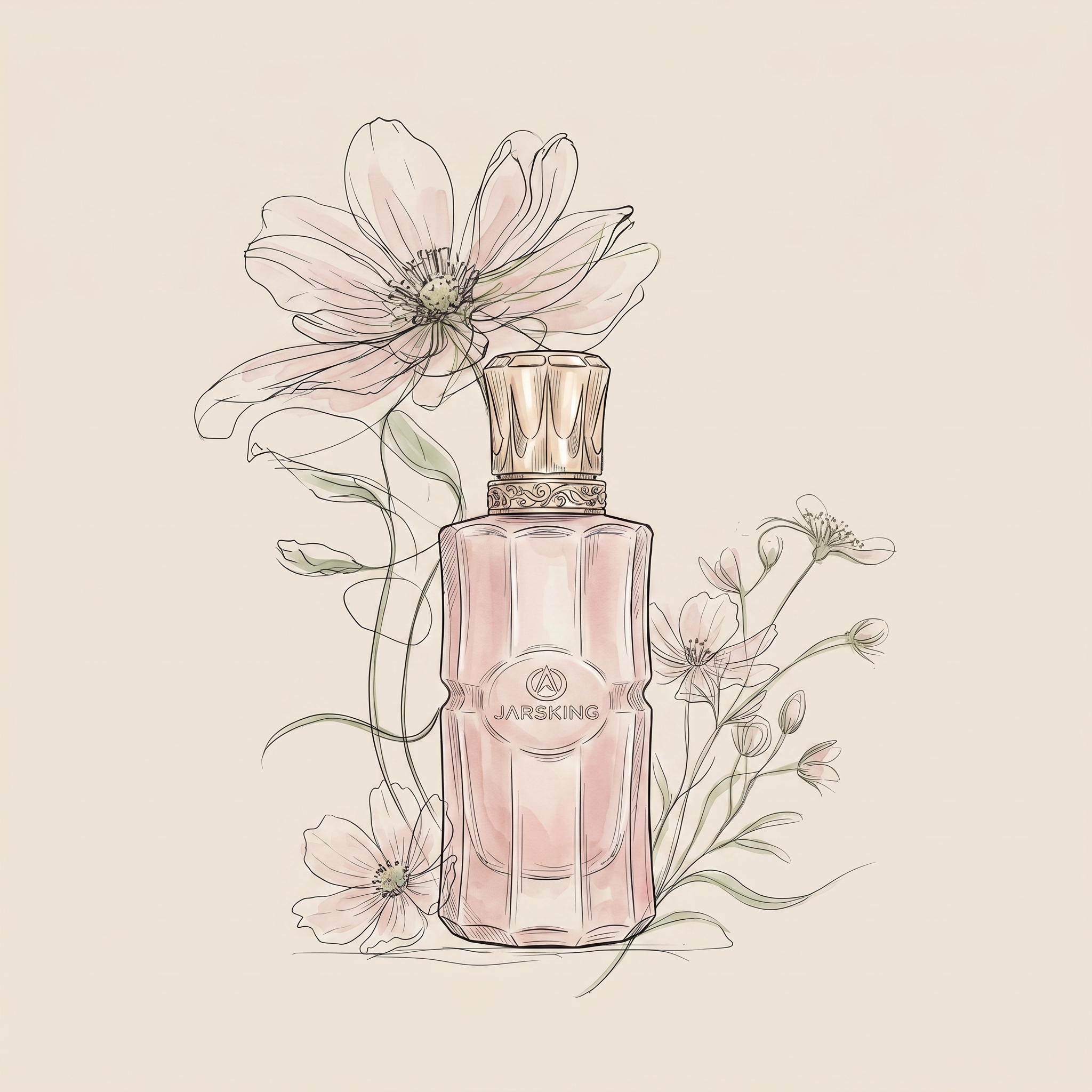
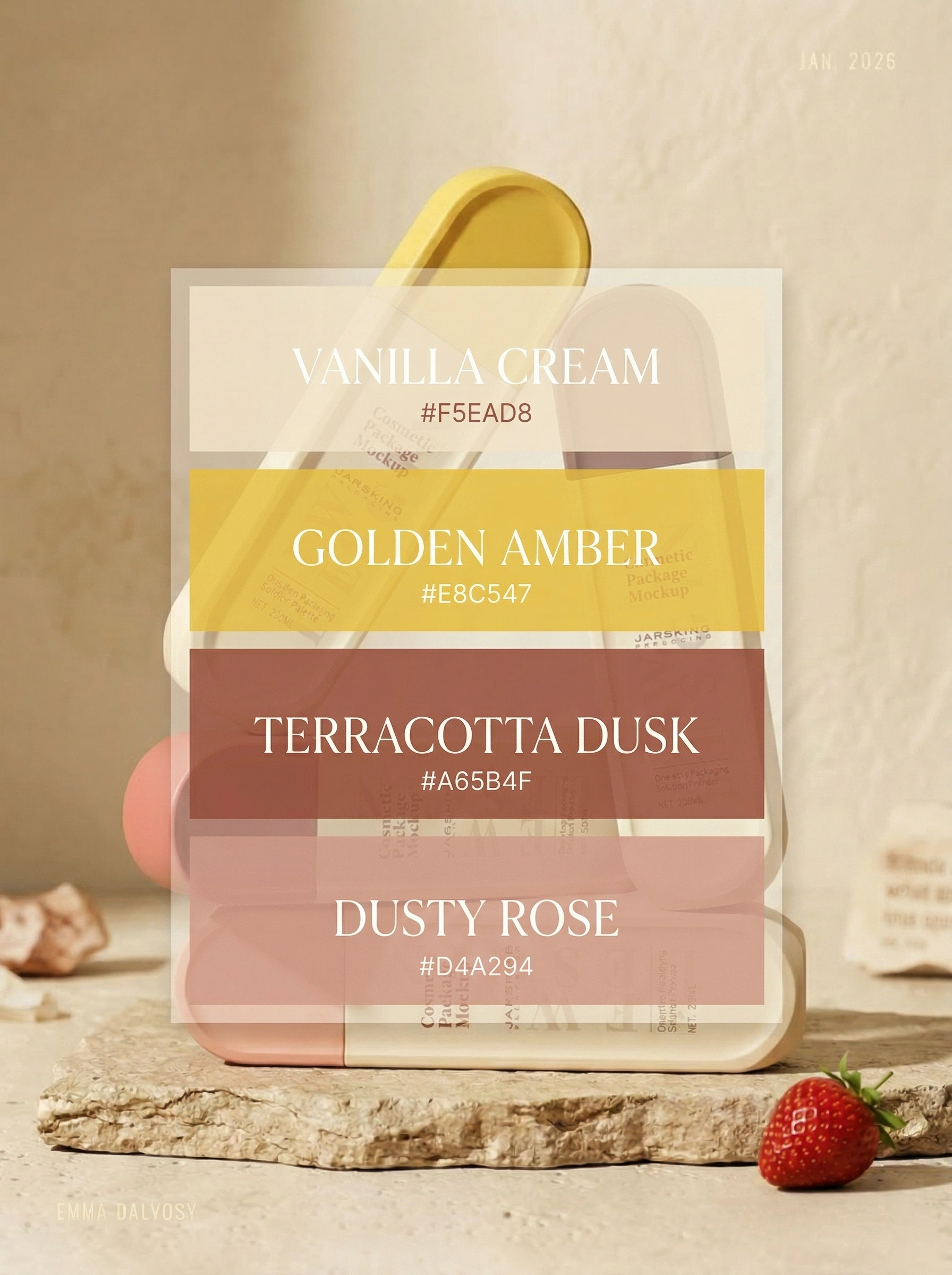
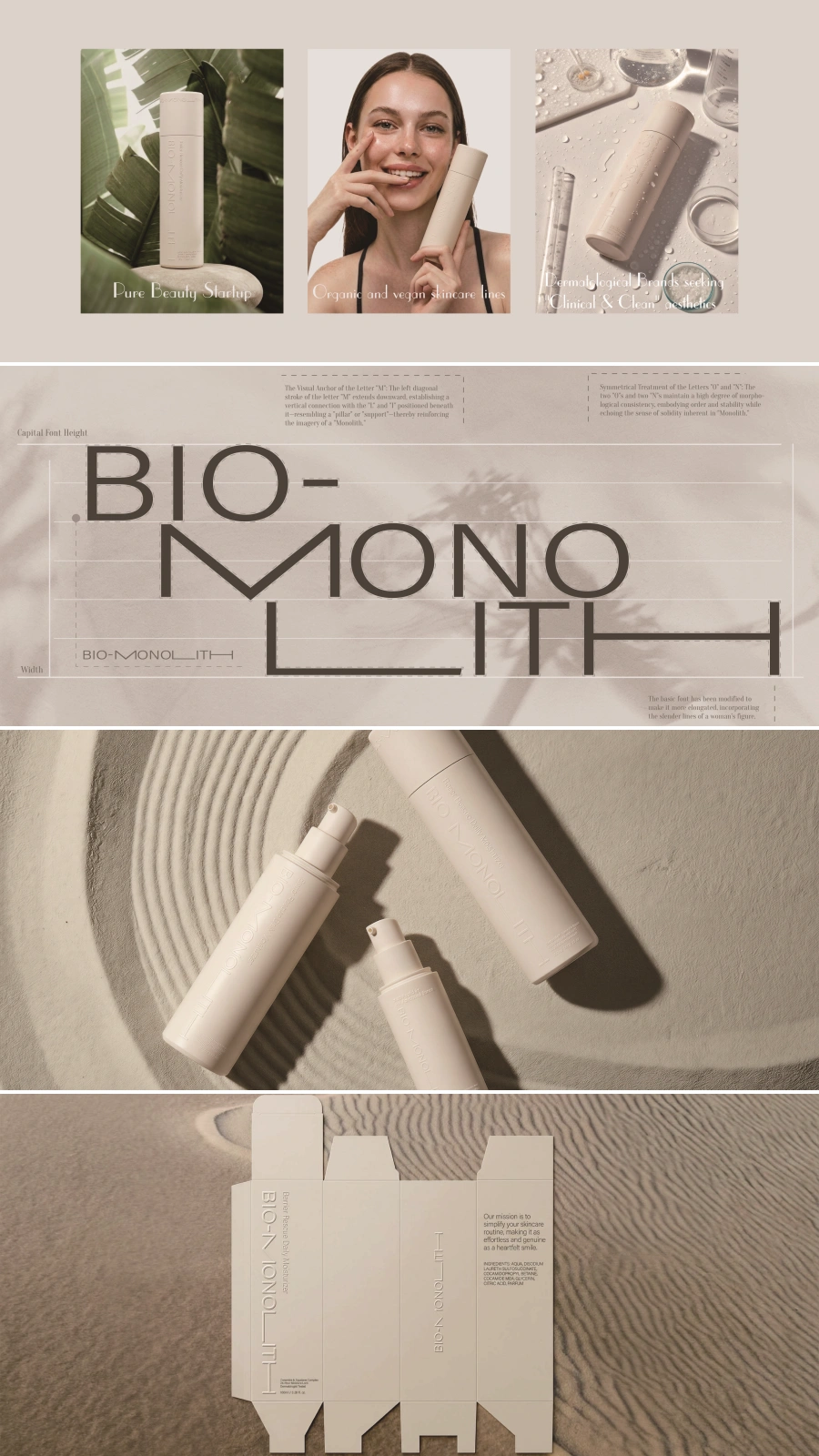
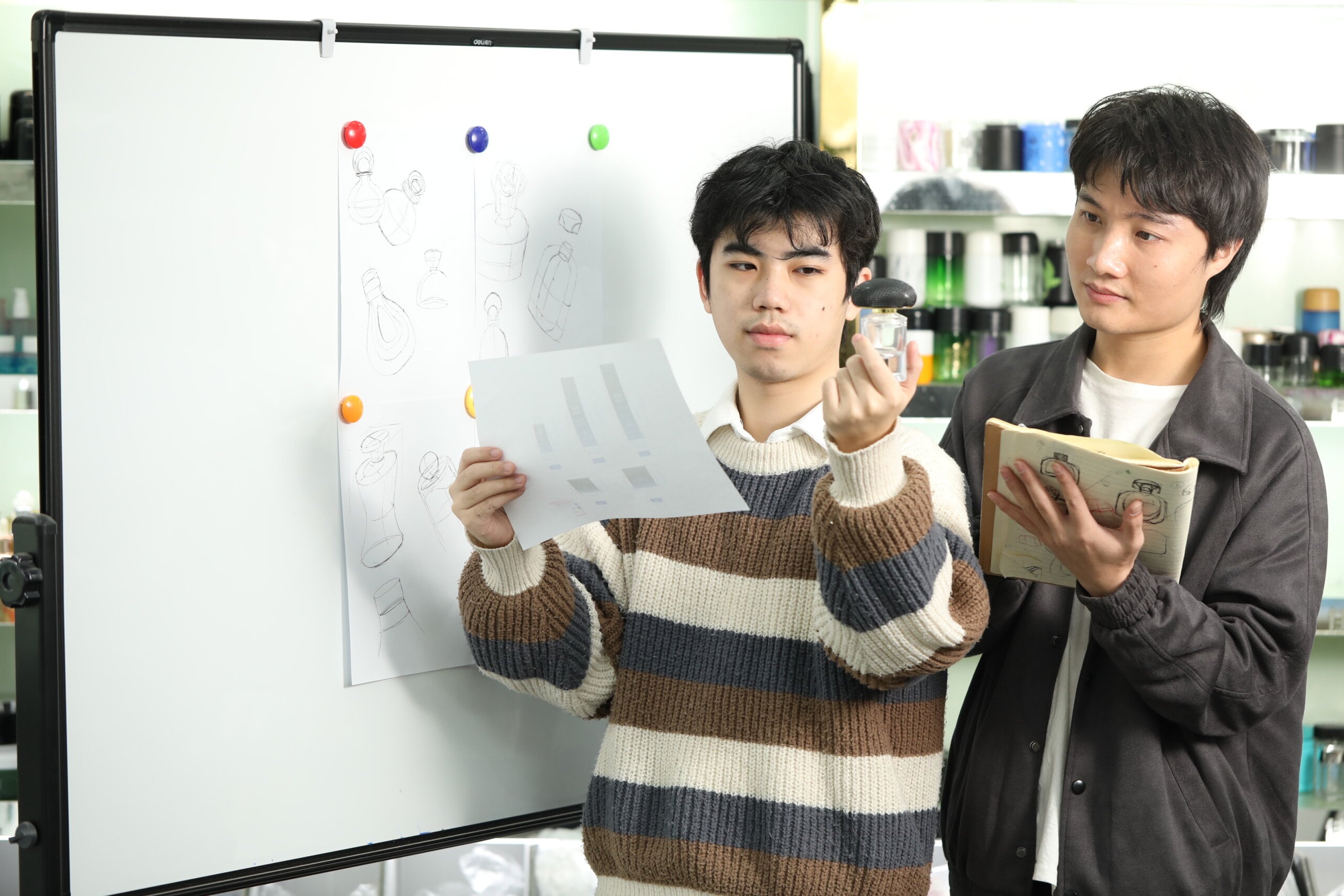
With the brief confirmed, our team of 30 specialist packaging designers — all focused exclusively on beauty, fragrance, personal care, and wellness categories — generate a packaging proposal.

You review the directions, provide feedback, and confirm the proposal that represents your vision. This is a collaborative conversation, not a one-way presentation.

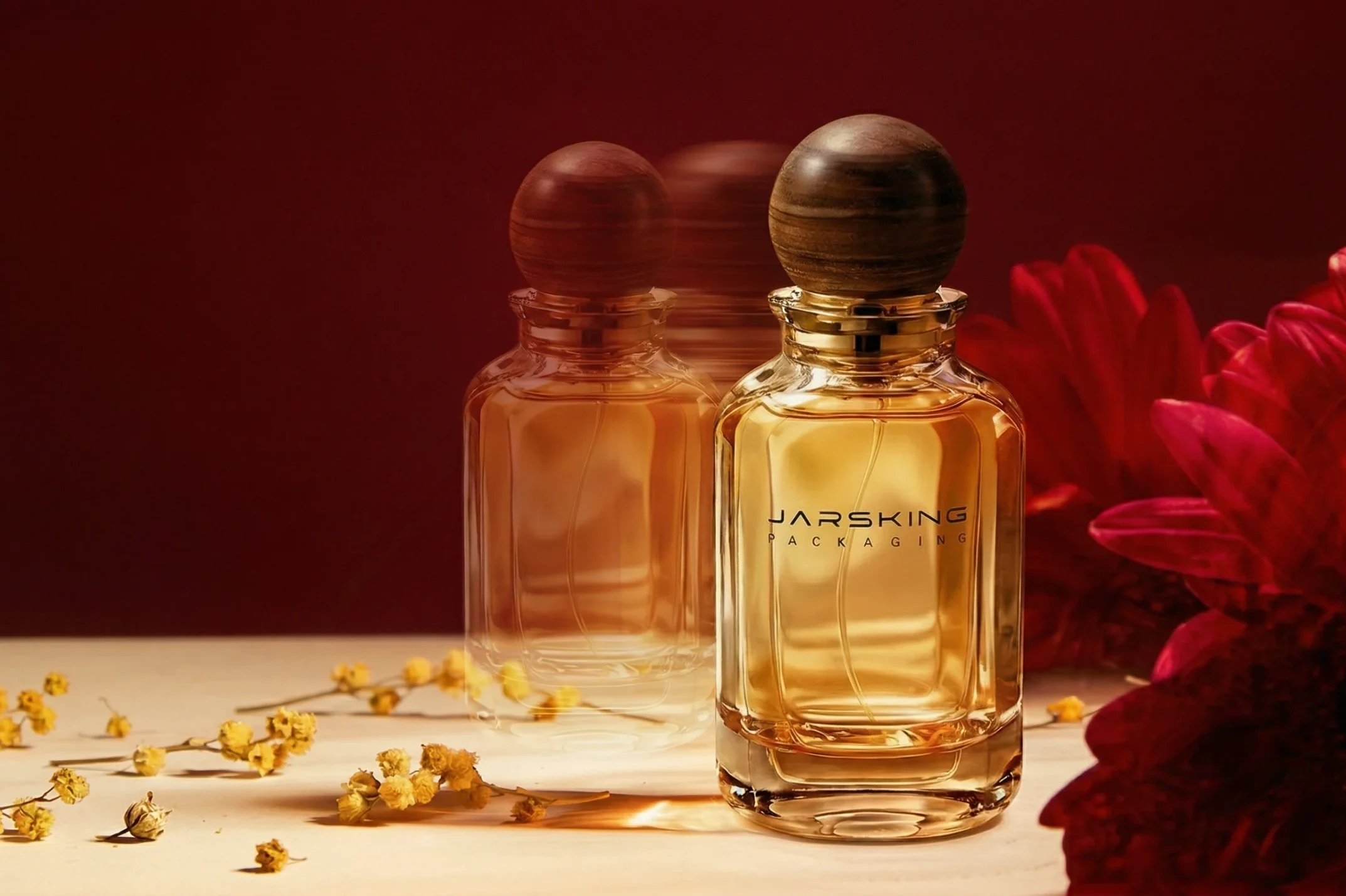
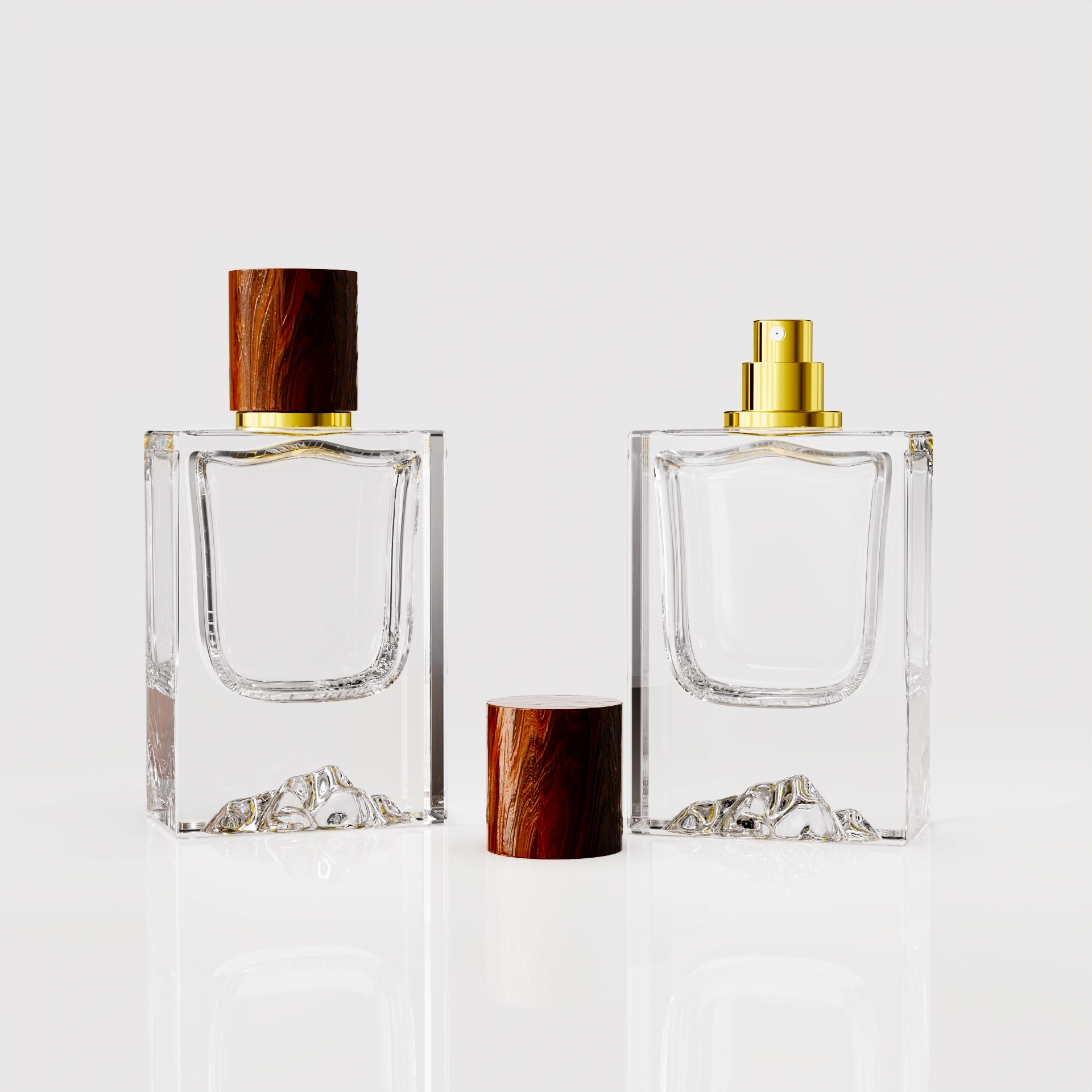
Refined_luxury_perfume_bottle_featuring_geometric_-1776752983032
A_color_palette_design_card_with_four_horizontally
skincare moodboard collage
sketch for Jarsking skincare set
skincare set poster
Marijuana Glass Jar 3D Display
designing process
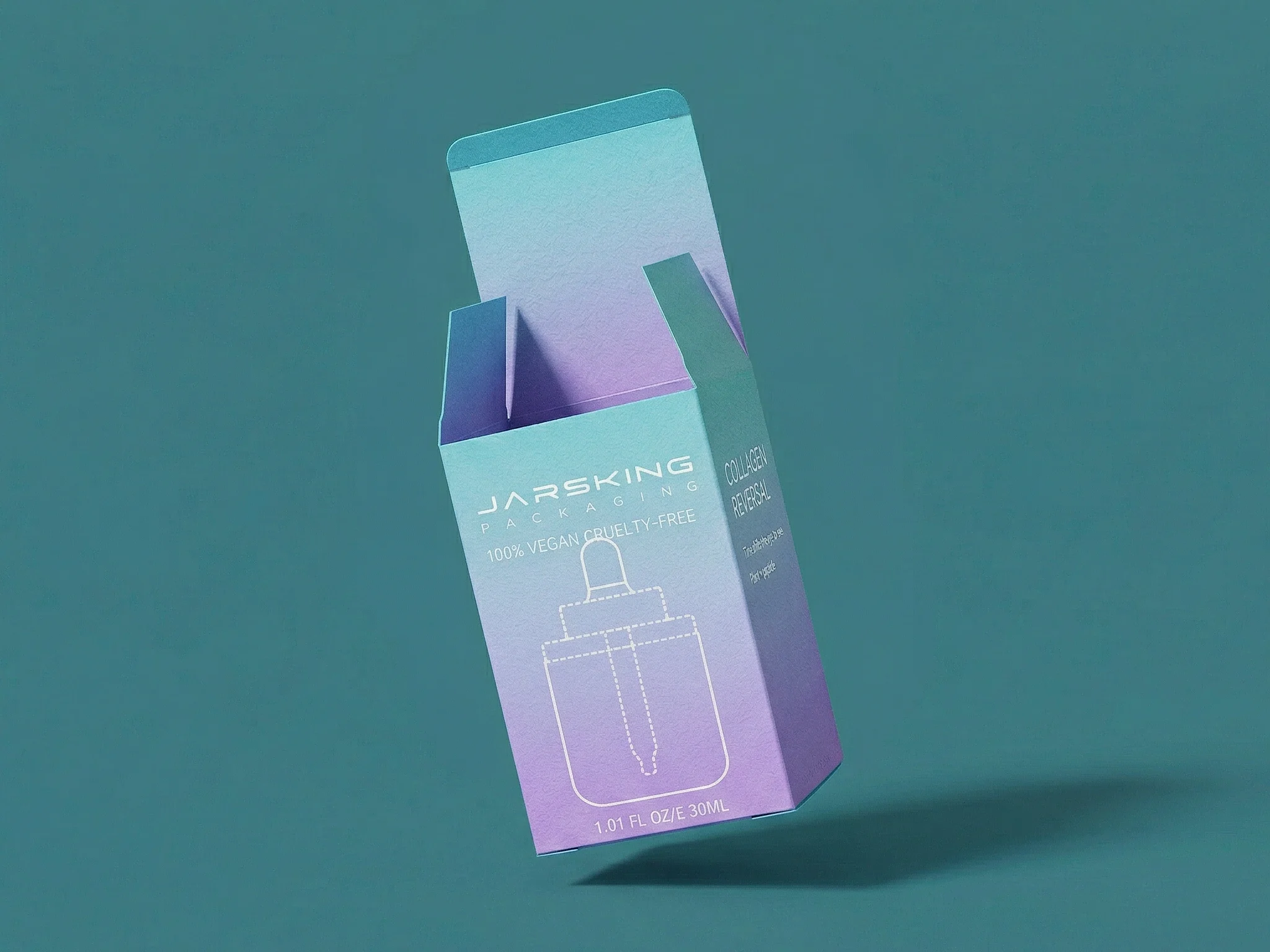
paper box graphic
airless jar 3D design

Step 3 —
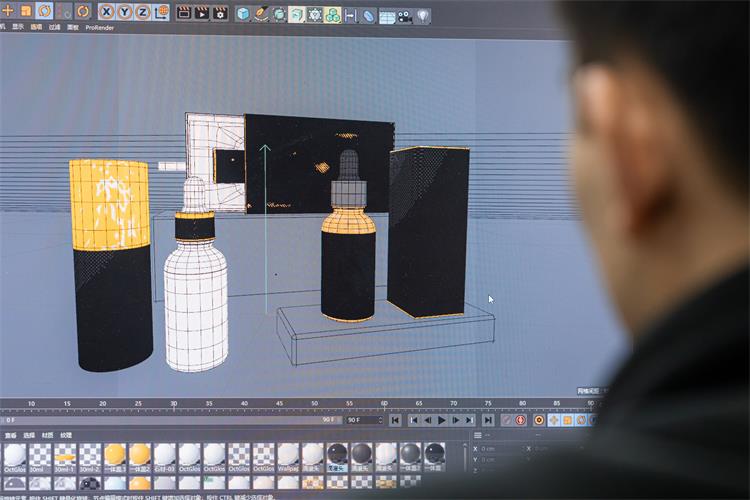
Photorealistic 3D Rendering

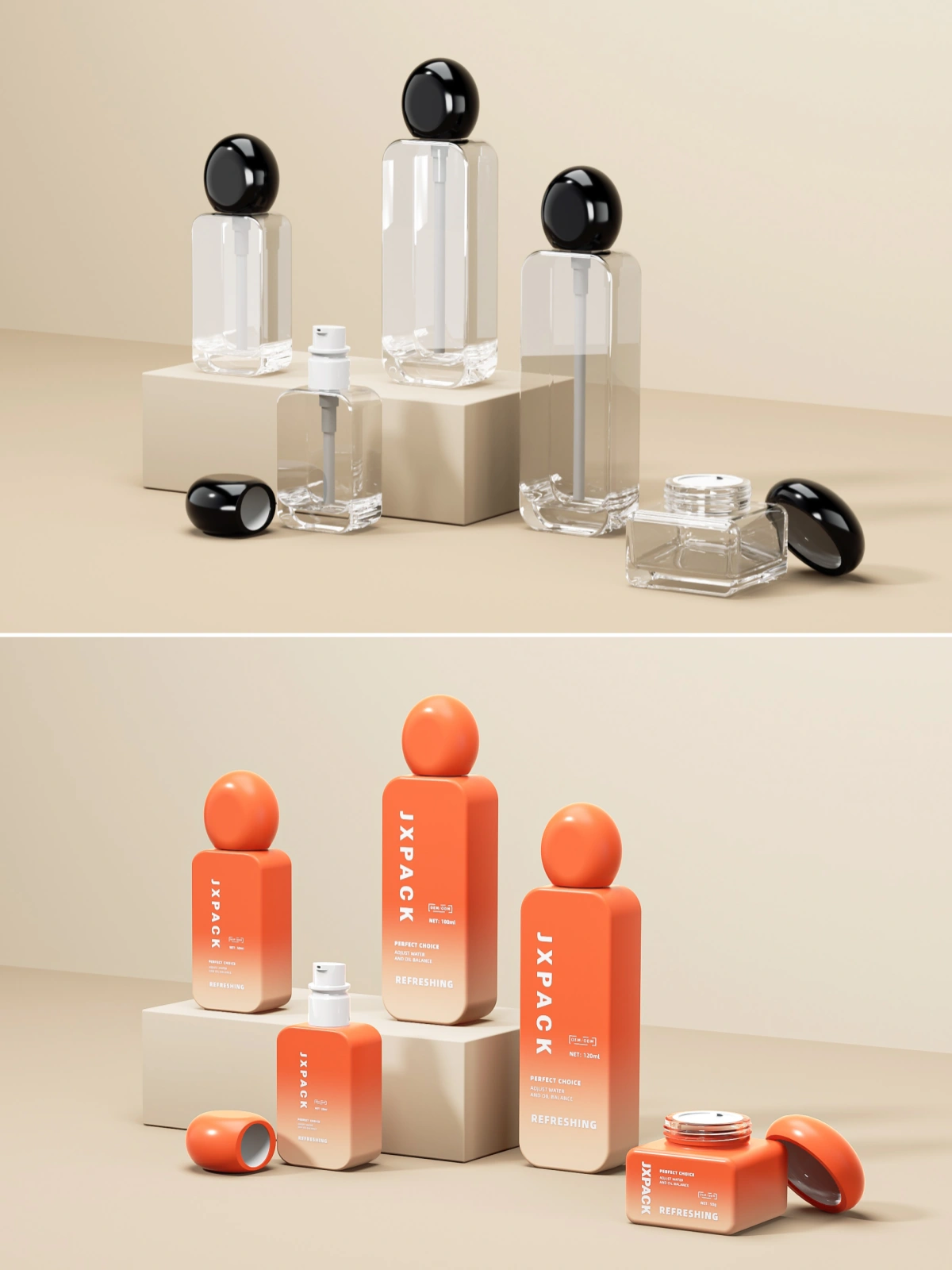
Once the proposal is confirmed, our designers produce photorealistic 3D renders. You see exactly what the finished product will look like: the weight of the glass, the sheen of the metallized cap, the gradient of the spray coating, the placement of the hot-stamp logo.

Renders are produced in hours to days. The 3D render stage allows you to:

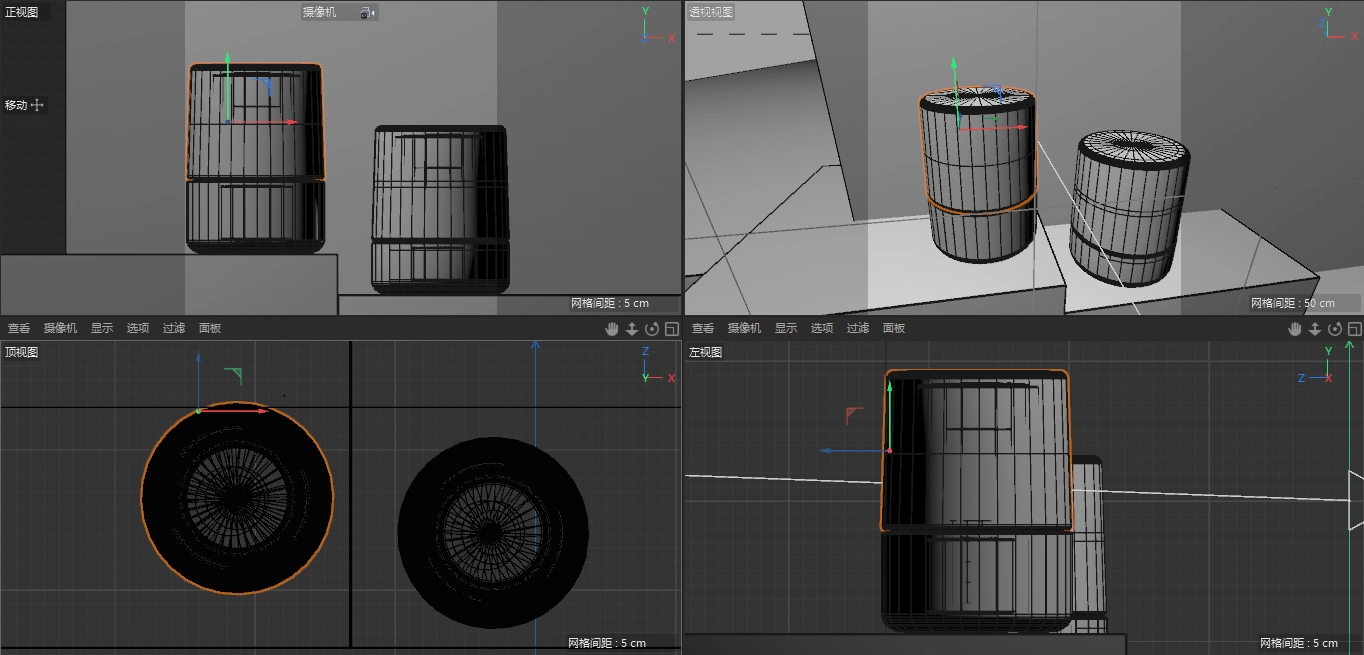
At this stage, our engineering team also conducts a preliminary DfM (Design for Manufacturing) review — identifying any structural elements that may need adjustment for production feasibility before they become costly problems downstream.

Step 4 —
Physical Prototype Development

The 3D render shows you what the package looks like. The physical prototype shows you how it feels.

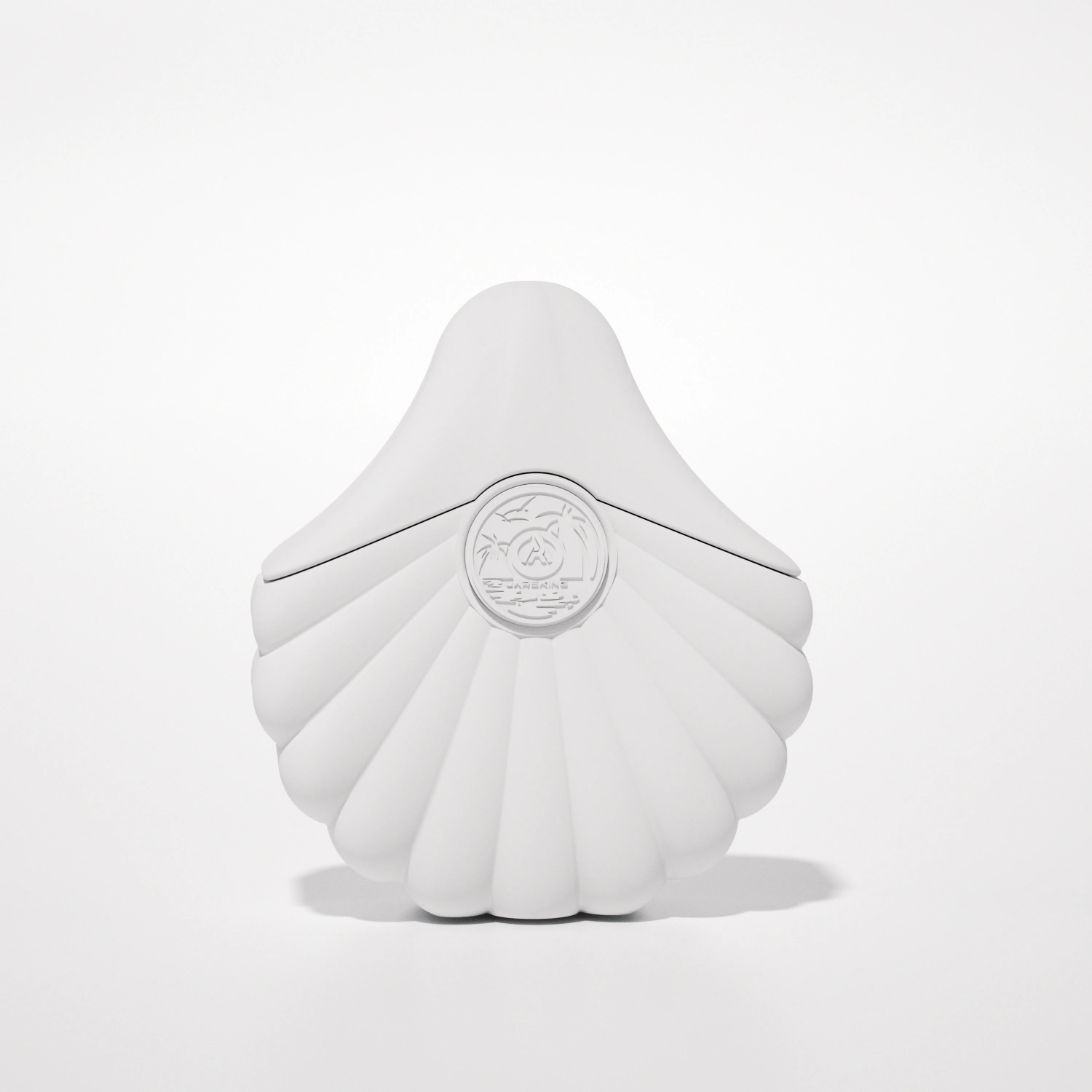
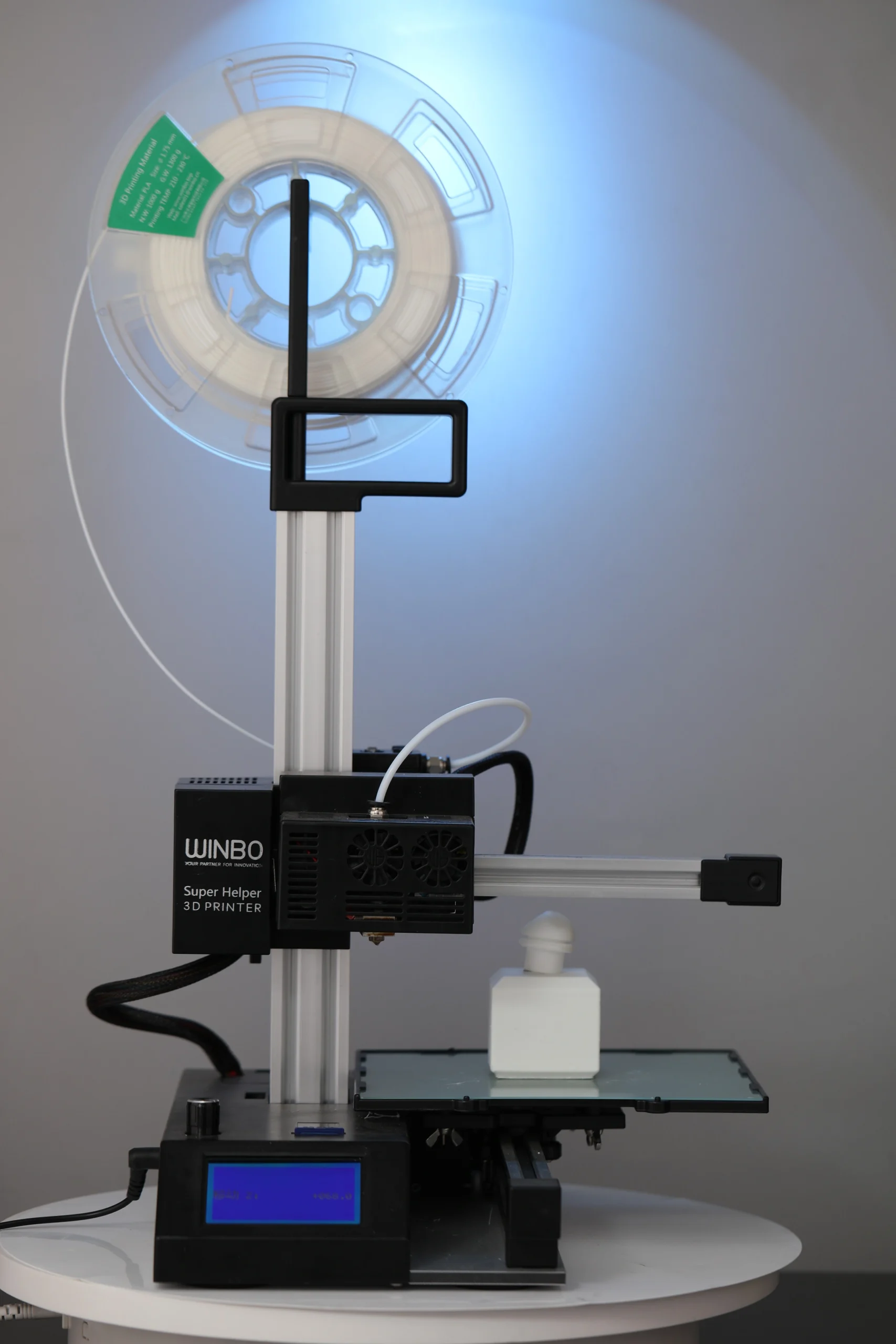
Once you approve the rendered direction, Jarsking produces a 3D-printed or digitally fabricated physical prototype — a tangible sample you can:

This is the point where most brands realize how much risk they have eliminated. A prototype costs a fraction of a production mold. Discovering a fitment issue, an ergonomic problem, or an aesthetic mismatch at the prototype stage — rather than after tooling is cut — saves weeks and significant budget.

white mold for shell perfume bottle
plain perfume bottle
3D molding
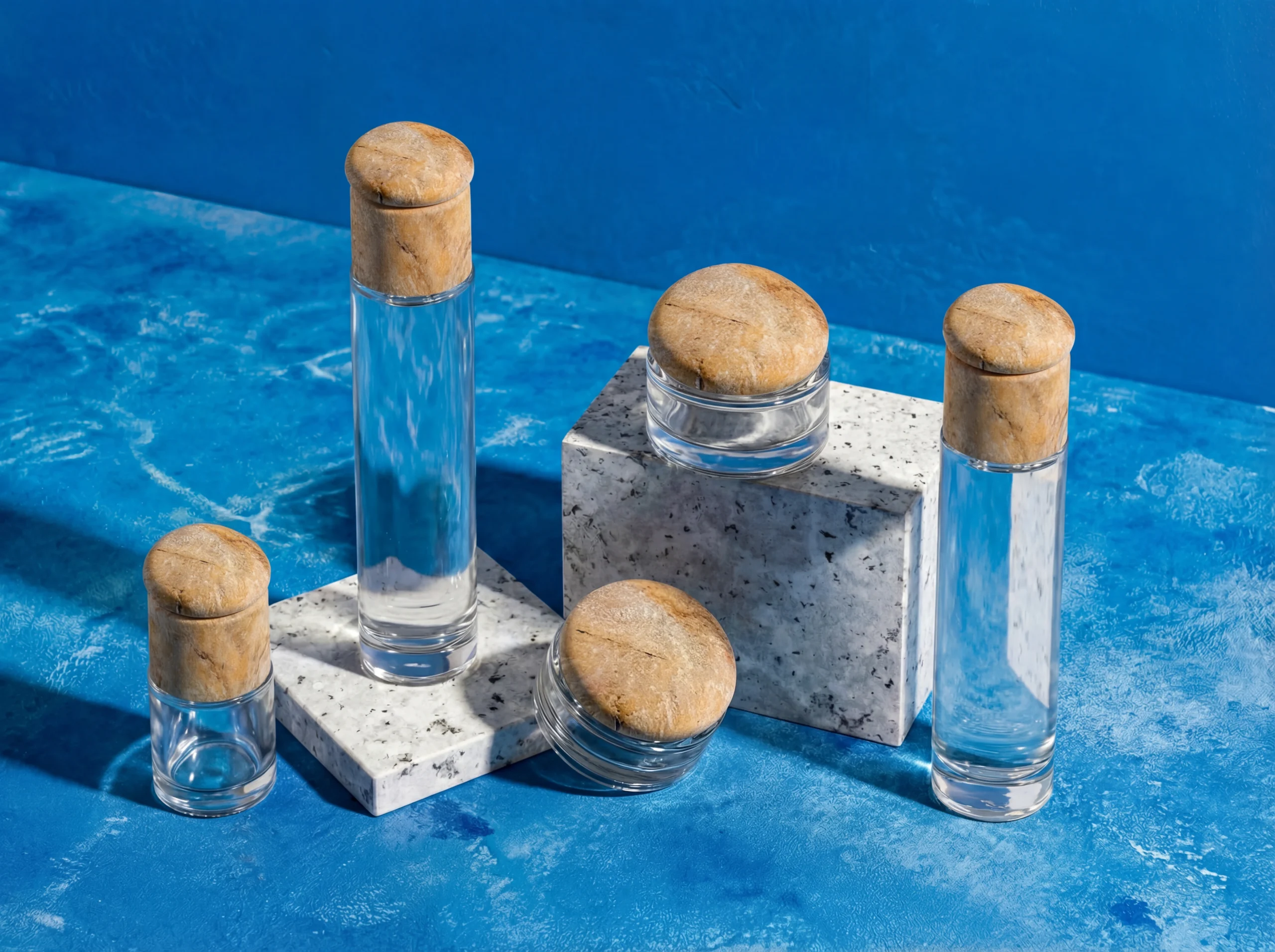
stone cap skincare packaging
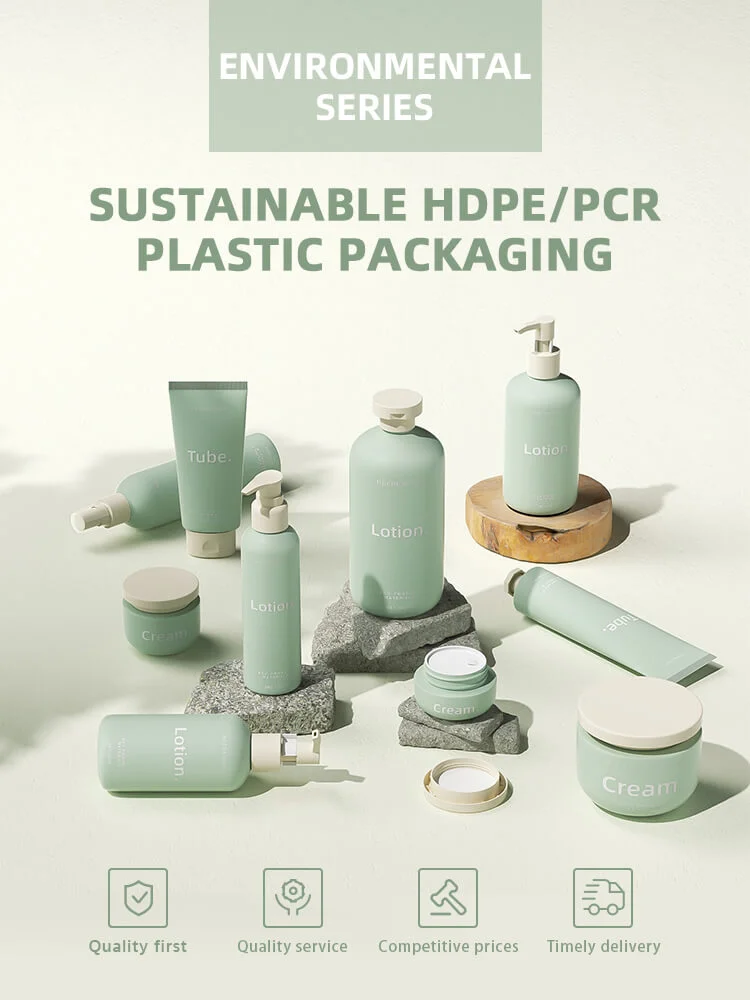
eco-friendly personal care packaging set
dimension test
Jarsking designer
quality control
pump testing

Step 5 —
Engineering Translation & DfM Sign-Off

Before Stage 1 closes and your project moves to Stage 2 — In-house Molding, our engineering team completes a full Design for Manufacturing (DfM) review.

This is where design intent becomes a production-ready specification:

The DfM sign-off is your guarantee that the packaging you’ve designed in Stage 1 will be the packaging you receive from the factory in mass production — without the costly engineering revisions that derail timelines and budgets at later stages.

Bring Your Vision — We'll Handle the Rest

One of the most common misconceptions brands have about working with a packaging partner is that they need to arrive with finished artwork and precise technical specifications. You don’t.

Jarsking’s Stage 1 is designed to work with whatever you have:

What You BringWhat We Do With It
A mood board or Pinterest boardDerive your aesthetic direction, color palette, and material language
A reference product (“something like this, but…”)Analyze it structurally and creatively, then propose differentiated alternatives
A brand brief describing your consumer and price pointBuild a design strategy from first principles using category expertise
A finished design from your in-house teamValidate manufacturability and produce the prototype directly
Nothing yet — just a product conceptStart with a discovery workshop and build the brief together

Concept to Demo — Timeline Overview

Stage 1 runs in 10–15 business days from the moment your brief lands with us. Every sub-stage below has a fixed window — so you can plan your launch, investor pitch, or retail sell-in around it.

Transparency on timing is a core part of how Jarsking operates. Here is what Stage 1 looks like on a calendar:

Sub-StageTimeline
Brief review & strategic alignment1–2 days
Concept ideation/Moodboard draft3–5 days
3D rendering (chosen direction)1–3 days
Physical 3D-printed prototype3–8 days from design confirmation
DfM engineering review2–3 days (runs concurrently with prototype)
Total Stage 1 duration~10–15 business days from brief submission

Built for Brands at
Every Stage

Stage 1 solves a different problem for every client. An emerging founder needs a different kind of support than an established brand entering a new category. Identify where you are — and see what this process does for you.

Independent and emerging brands

Independent and emerging brands who don't have an in-house packaging designer or a dedicated R&D team. Jarsking acts as your external packaging department — providing the design expertise, manufacturing knowledge, and strategic guidance that large brands build internally.

Established brands launching a new line or category.

Even brands with strong internal teams benefit from a manufacturing partner's DfM expertise at the concept stage. We've seen too many expensive tooling investments built around designs that looked perfect in Illustrator but couldn't be manufactured repeatably at scale.

Brands preparing for investor pitches, trade shows, or retail sell-in meetings.

A photorealistic 3D render and a physical prototype are powerful proof-of-concept tools. Investors, buyers, and retail partners respond to a tangible product — not a concept deck. Getting to a prototype in 1–2 weeks instead of 2–3 months changes what's possible in your fundraising and sales timeline.

FAQs

No. You can arrive with nothing more than a mood board, a reference product, or a written brief describing your brand positioning. Our team builds the concept from that starting point. The only essentials are clarity on your target channel, price tier, and launch timeline.

Prototype and design development costs vary by project scope. For brands selecting from Jarsking’s existing mold library (ODM path), concept customization costs are significantly lower than full custom development. Your project manager will provide a clear scope and cost estimate after reviewing your brief.

Ordering samples from an existing catalog gives you a product that already exists. Stage 1 — Concept to Demo is a co-design process that produces packaging conceived specifically for your brand’s positioning, consumer, and channel. The prototype you receive at the end of Stage 1 is not an off-the-shelf product with your logo — it is the first physical expression of a packaging system built for you.

Yes. Many Jarsking clients use prototype photography for fundraising decks, pre-launch content, and trade show presentations. The 3D-printed prototype is designed to be visually representative of the finished product.

Your designs, specifications, and mold tooling remain your intellectual property. Jarsking’s self-owned facilities provide a secure environment for confidential development — your concepts do not enter any shared catalog or sample library.

If you choose the ODM (Original Design Manufacturing) path, our 30,000-mold library gives you access to proven structures you can customize with your brand’s colors, finishes, and decorations — with samples ready in as few as 5–10 days. Your project manager can help you determine which path is right for your timeline and budget.

They serve different purposes at different stages of your project. The 1-Hour Concept is a rapid first-pass: a complimentary interactive 3D model generated in one business hour so you can visualize and validate a direction before committing to anything. Stage 1 is the full co-design process that follows — structured, documented, and ending in a physical prototype and a production-ready specification.

 1-Hour Concept Concept (Stage 1)
Output1 preliminary interactive 3D model (.GLB/.OBJ)Moodboard/Packaging Proposal + 3D render + physical prototype
Timeline1 business hour10–15 business days
PurposeQuick visual validation before committingFull co-design before tooling commitment
CostComplimentaryProject-based
Next stepEngineering CAD or photorealistic renderProduction mold / Stage 2

Request Quotation