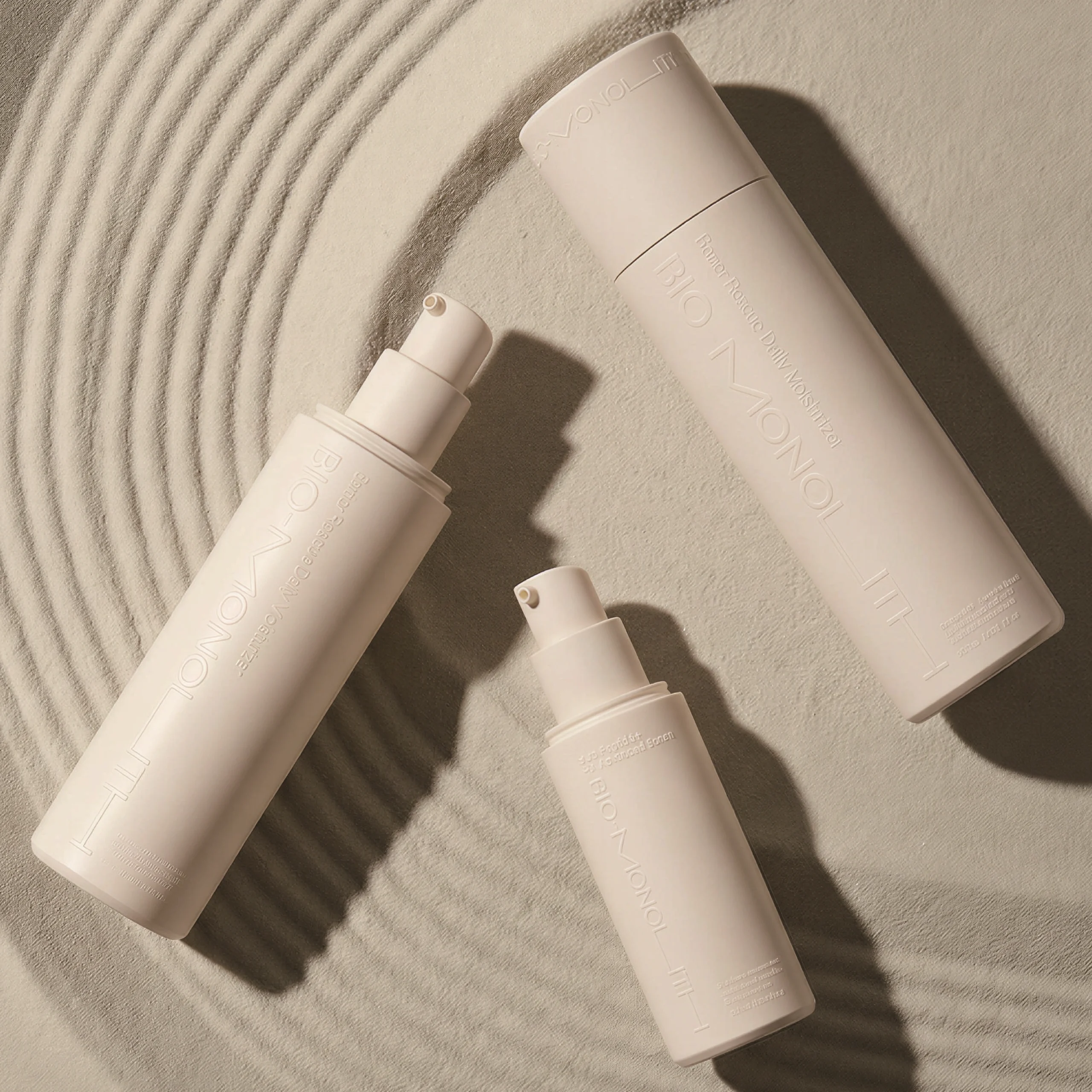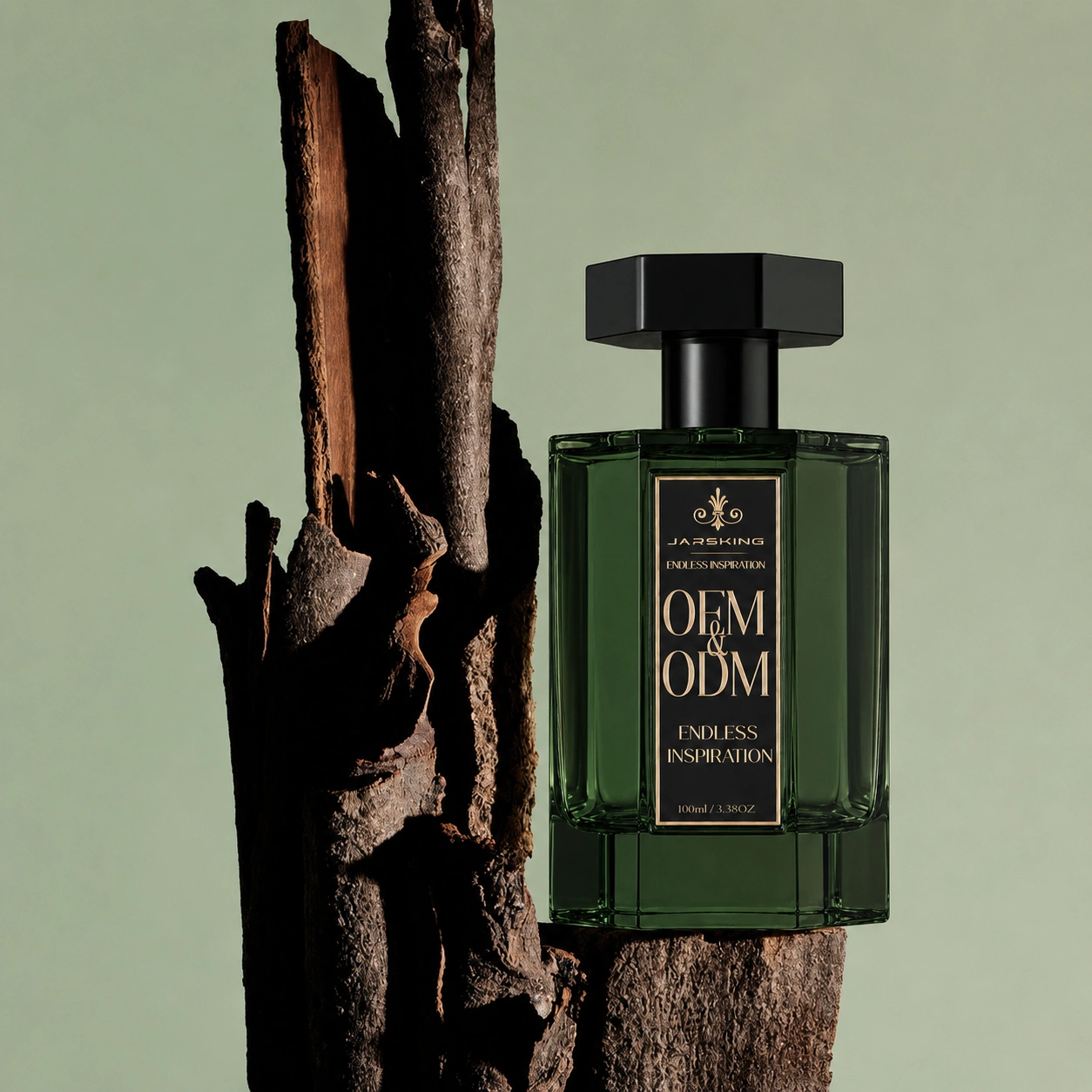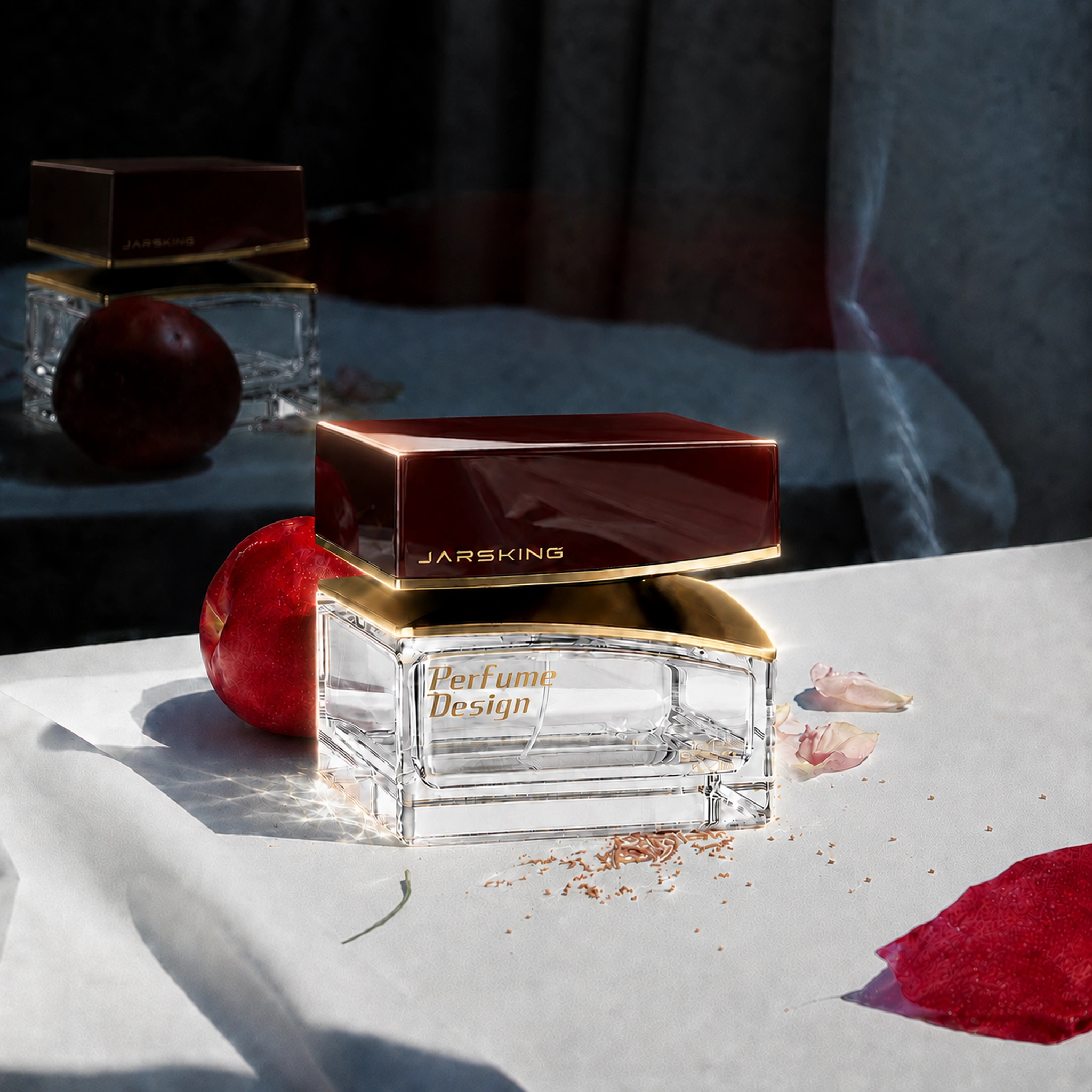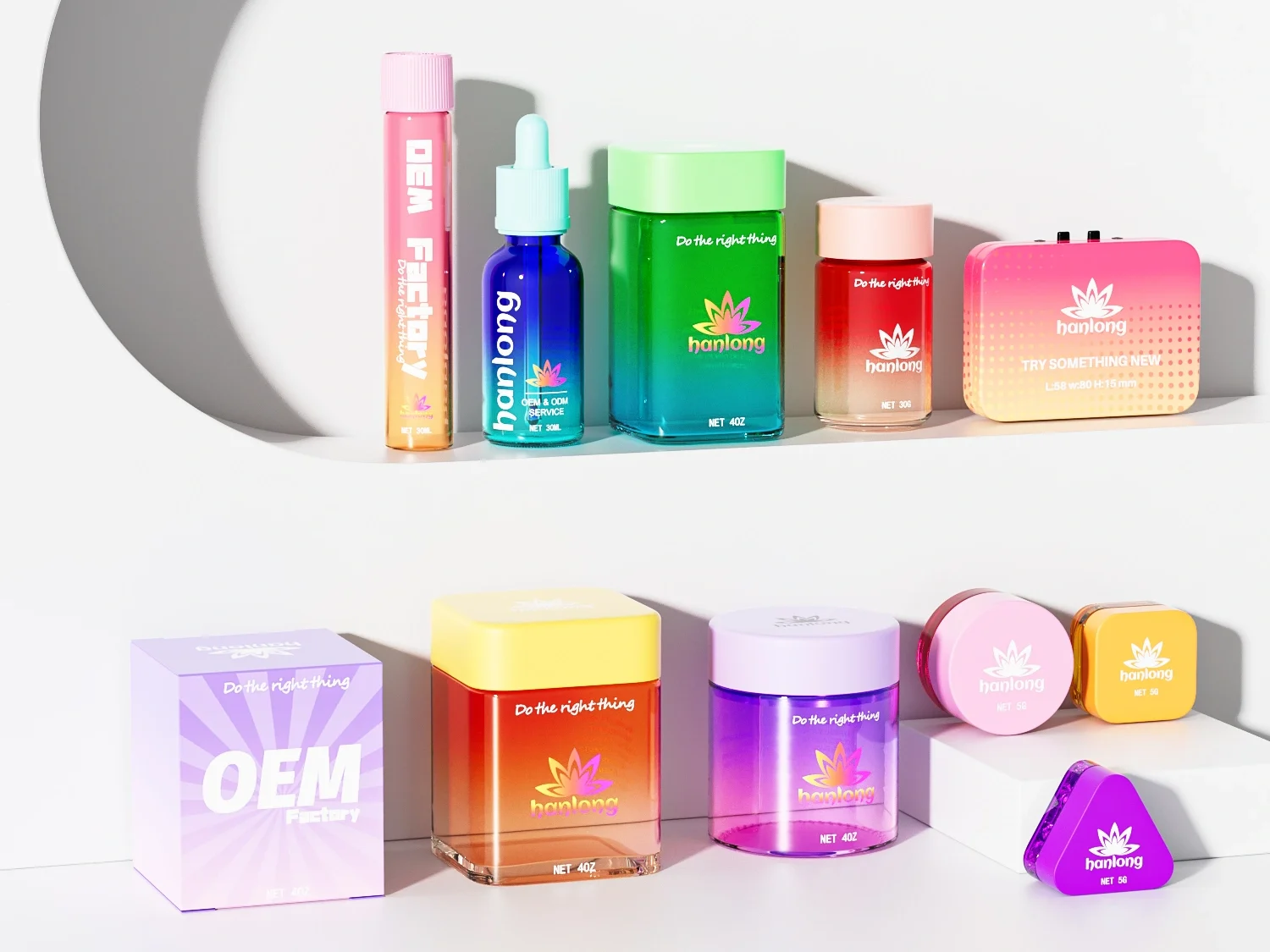


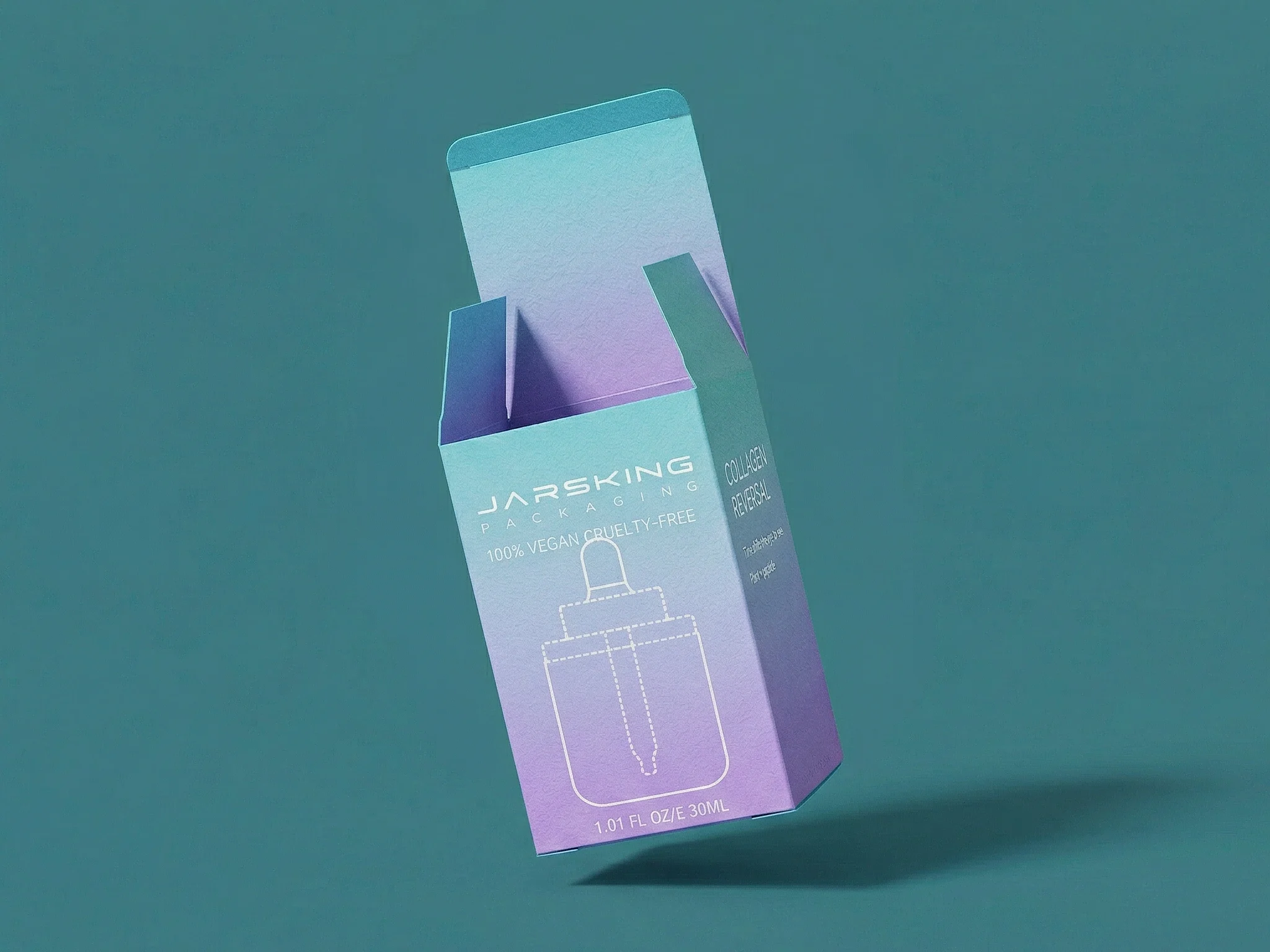




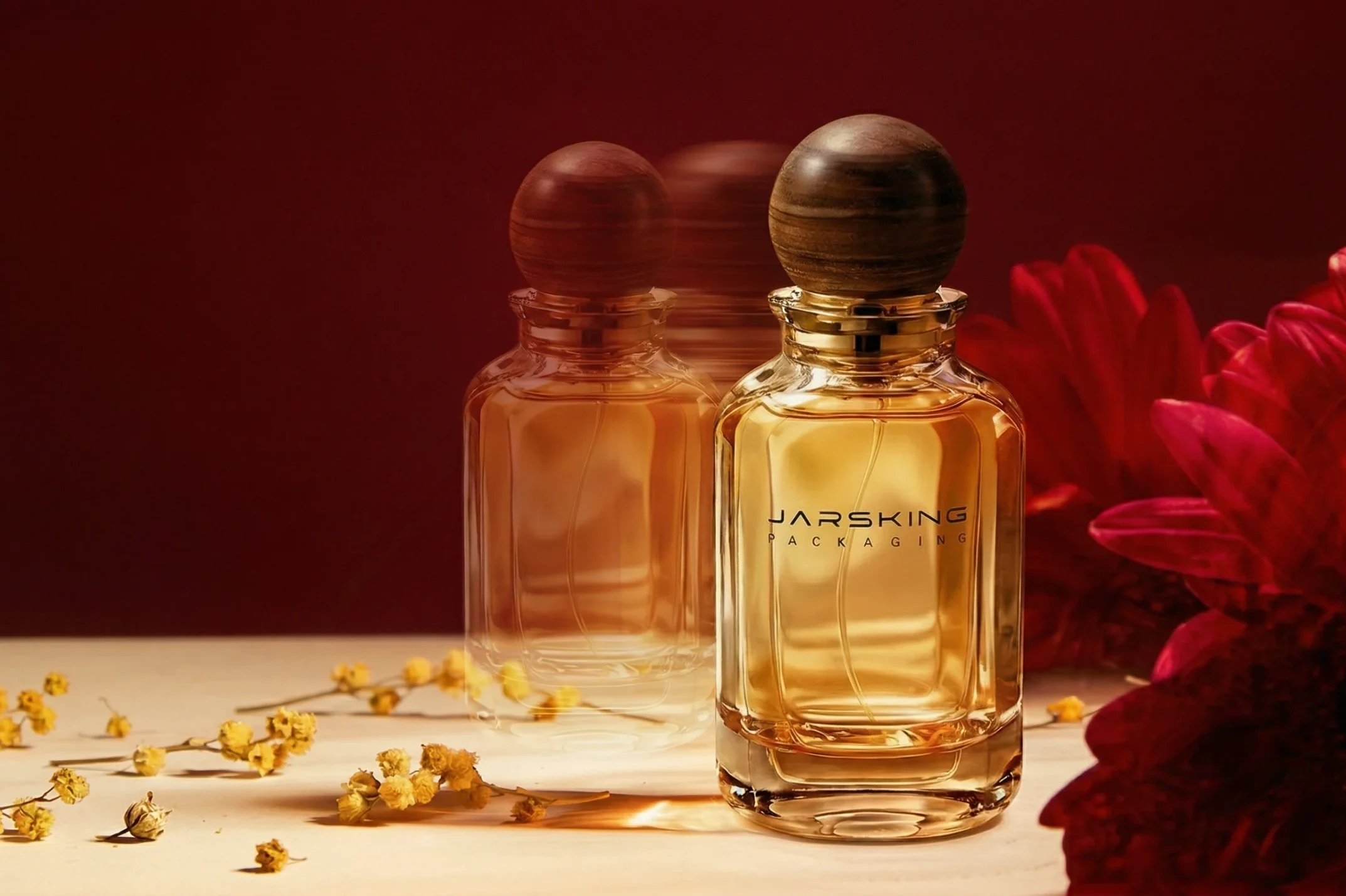







Glass, PET, PETG, HDPE, PP, acrylic or recycled PCR — the material you choose for your lotion bottle quietly decides four things: how long your formula stays stable, how the product feels in a customer’s hand, what it costs to ship, and whether your sustainability claim actually holds up. Get it wrong and you can face panel collapse, cloudy bottles or a separating cream six weeks after filling. Here is how to choose the best material for lotion bottles — explained simply, with real decisions from brands you know.
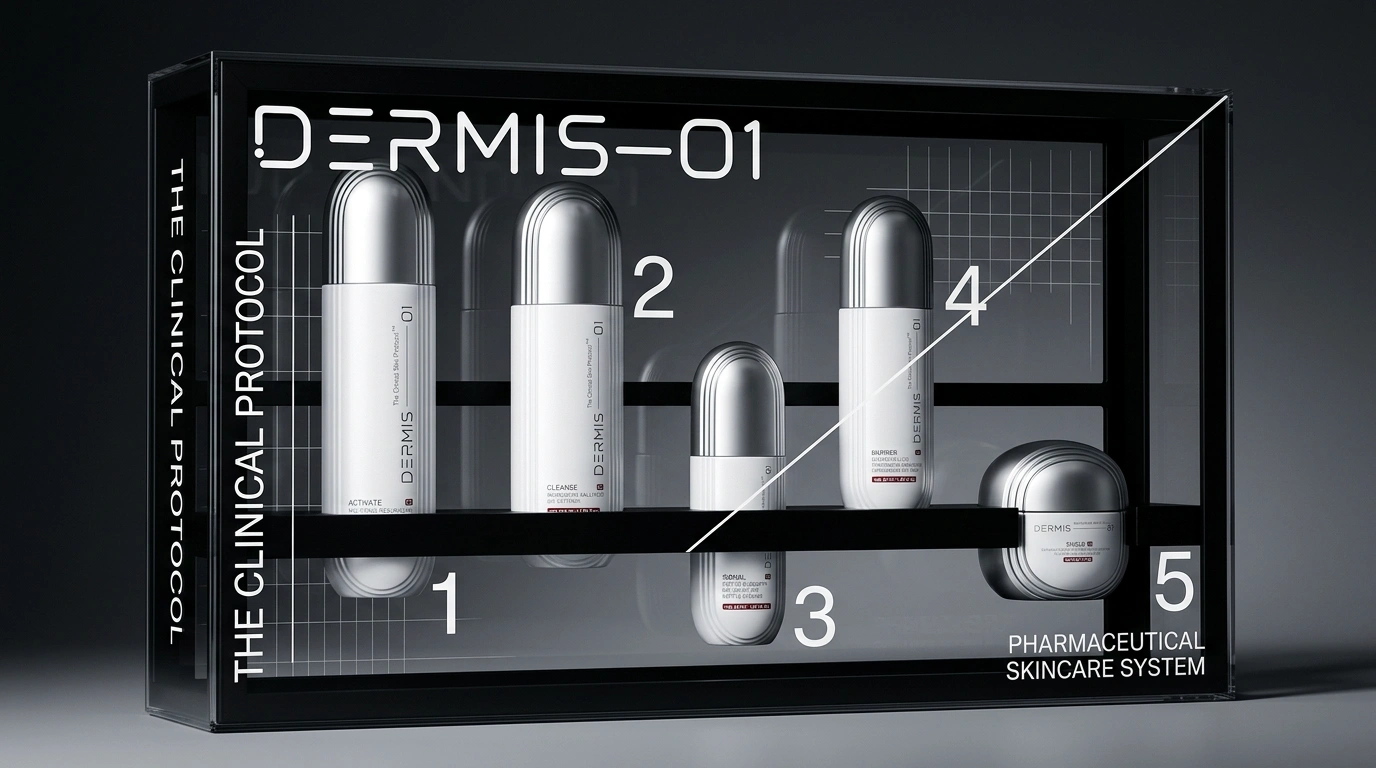
The five questions that decide your material
Before you fall in love with a shape or a finish, answer five questions about the product going inside. Nail these and the material almost chooses itself. Skip them and you end up reformulating packaging after launch — the most expensive time to discover a problem.
Notice that no single material wins on every axis. A material that protects a delicate serum-style lotion may be too heavy to ship a body wash economically. The skill is matching the material to the job — exactly what the leading brands later in this guide did.
Lotion bottle materials at a glance
Here is the fast comparison procurement teams ask us for. More filled circles mean a stronger score on that trait. Read it as a starting shortlist, not a verdict — the sections below explain the nuance behind each rating.
| Material | Clarity | Chemical resistance | Squeezability | Light weight | Low cost | Recyclability | Best for |
|---|---|---|---|---|---|---|---|
| PET / rPET | Everyday face & body lotions | ||||||
| PETG | Premium lotions with actives | ||||||
| HDPE | Squeezable body lotions | ||||||
| PP | Caps, pumps, refill tubs | ||||||
| Glass | Prestige & treatment lotions | ||||||
| Acrylic (PMMA) | Luxury double-wall look |
More filled circles = stronger score. Ratings are directional, based on typical cosmetic-grade resins and Jarsking production experience. Always confirm against your own formula.
Around 4 in 5 lotion bottles on shelf are plastic, and for good reason: it is light, shatter-proof, endlessly formable and, increasingly, recyclable. But “plastic” is not one thing. These four resins behave very differently, and choosing between them is where most brands either save money or create a headache.
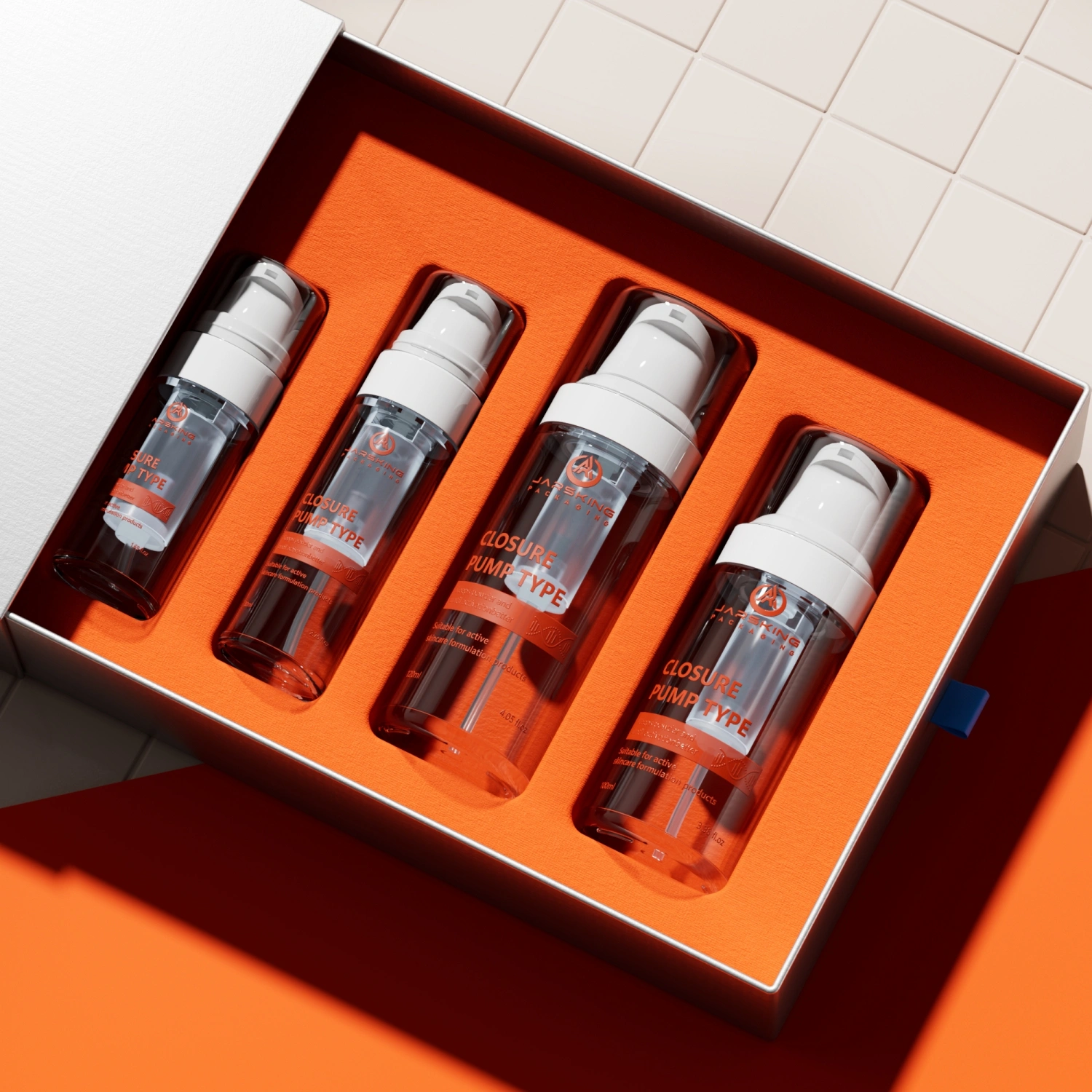
PET is the transparent, glossy plastic you already know from water bottles. It is light, cost-effective, gives a clean glass-like look, and is the most widely collected plastic in the world — which is why recycled PET (rPET) is now easy to source. Think of PET as the reliable everyday choice for water-based lotions, milks and body moisturisers where clarity and price matter more than heavy chemical resistance.
Its limit is chemistry. PET has only a moderate barrier against oils, fragrances and solvents, so an oil-rich or highly fragranced formula can slowly cloud or stress the bottle. For those, step up to PETG or a different resin entirely.
HDPE is the opaque, slightly waxy plastic behind most squeezable body lotions and drugstore moisturisers. Its superpower is chemical toughness — it shrugs off a wide range of formulas, including many that would trouble PET — combined with a flexible wall that makes the classic “squeeze and dispense” gesture possible. The trade-off is aesthetics: HDPE is naturally cloudy, not glass-clear, so it reads as functional rather than luxurious. For a mass-market body lotion, that is exactly right.
Glass, acrylic and aluminium
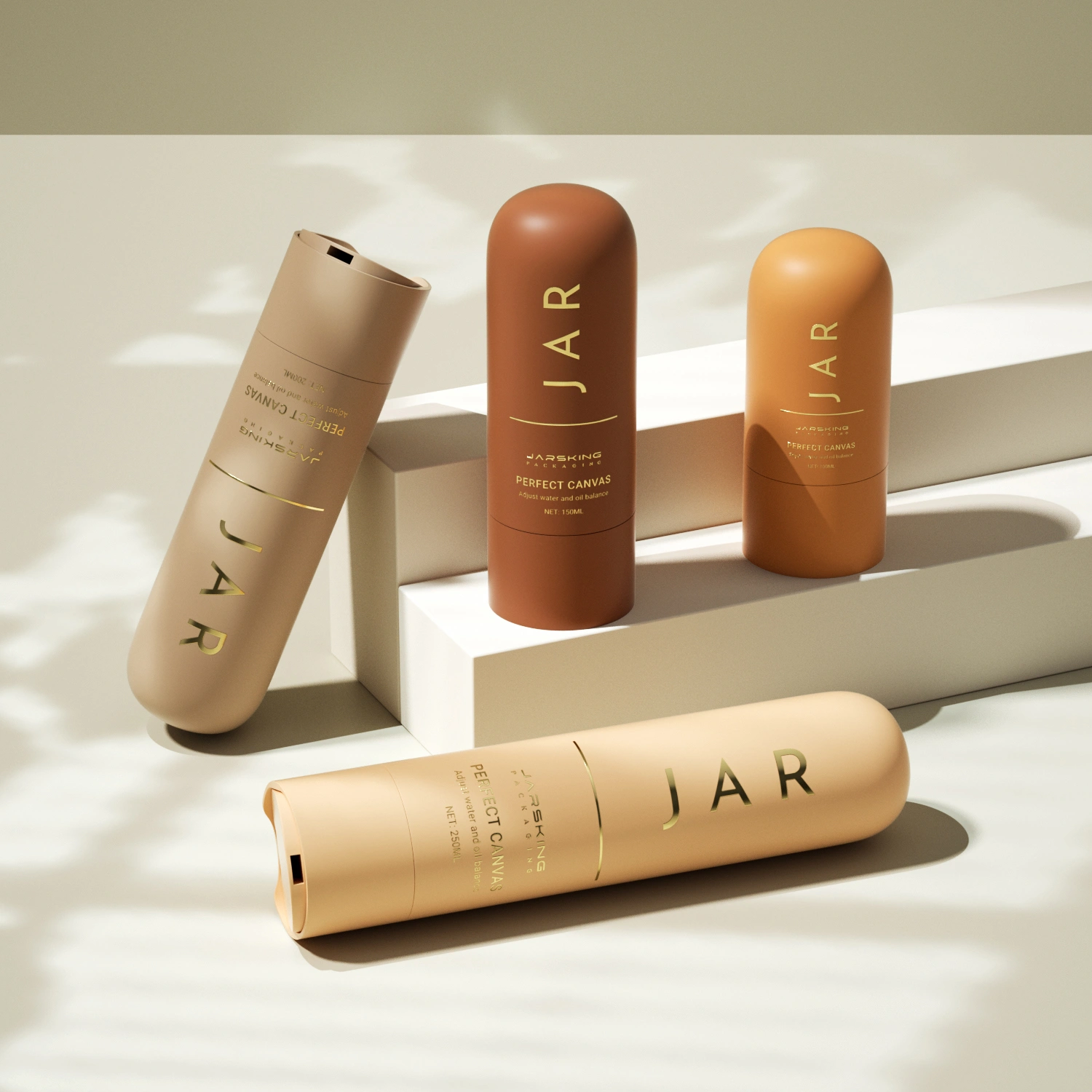
Acrylic is how many prestige lotions get their thick-walled, gem-like look without the weight and fragility of glass. A double-wall acrylic bottle can appear to hold a floating core of product, creating serious shelf drama. The catch: acrylic has only moderate chemical resistance and is harder to recycle, so it is best reserved for the outer shell of a luxury pack — often paired with an inner bottle in a friendlier material.
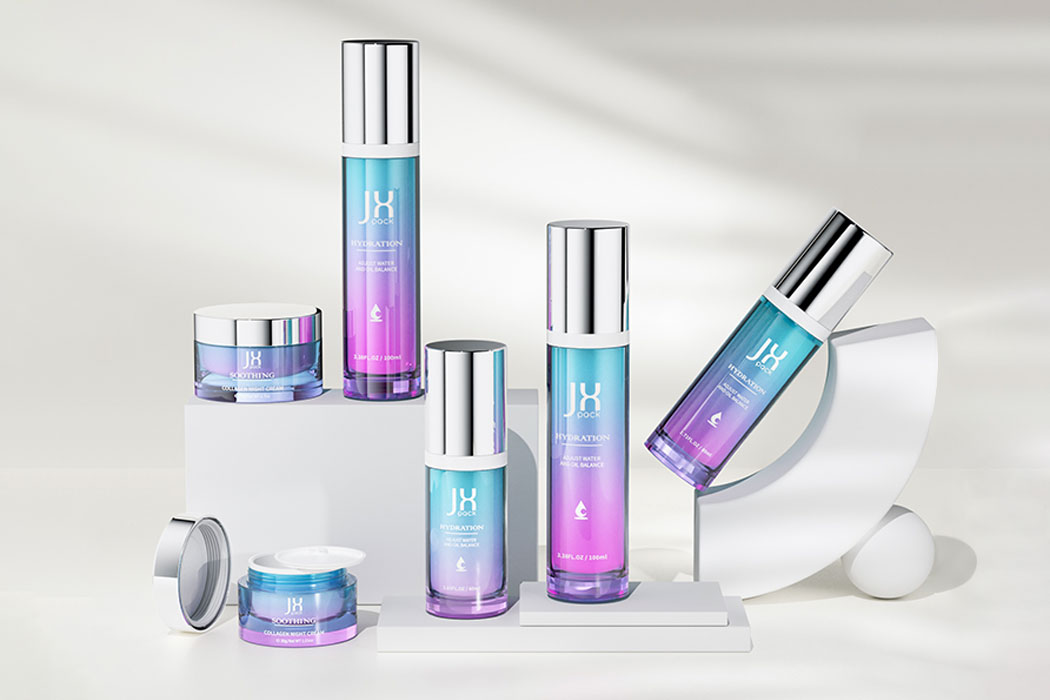
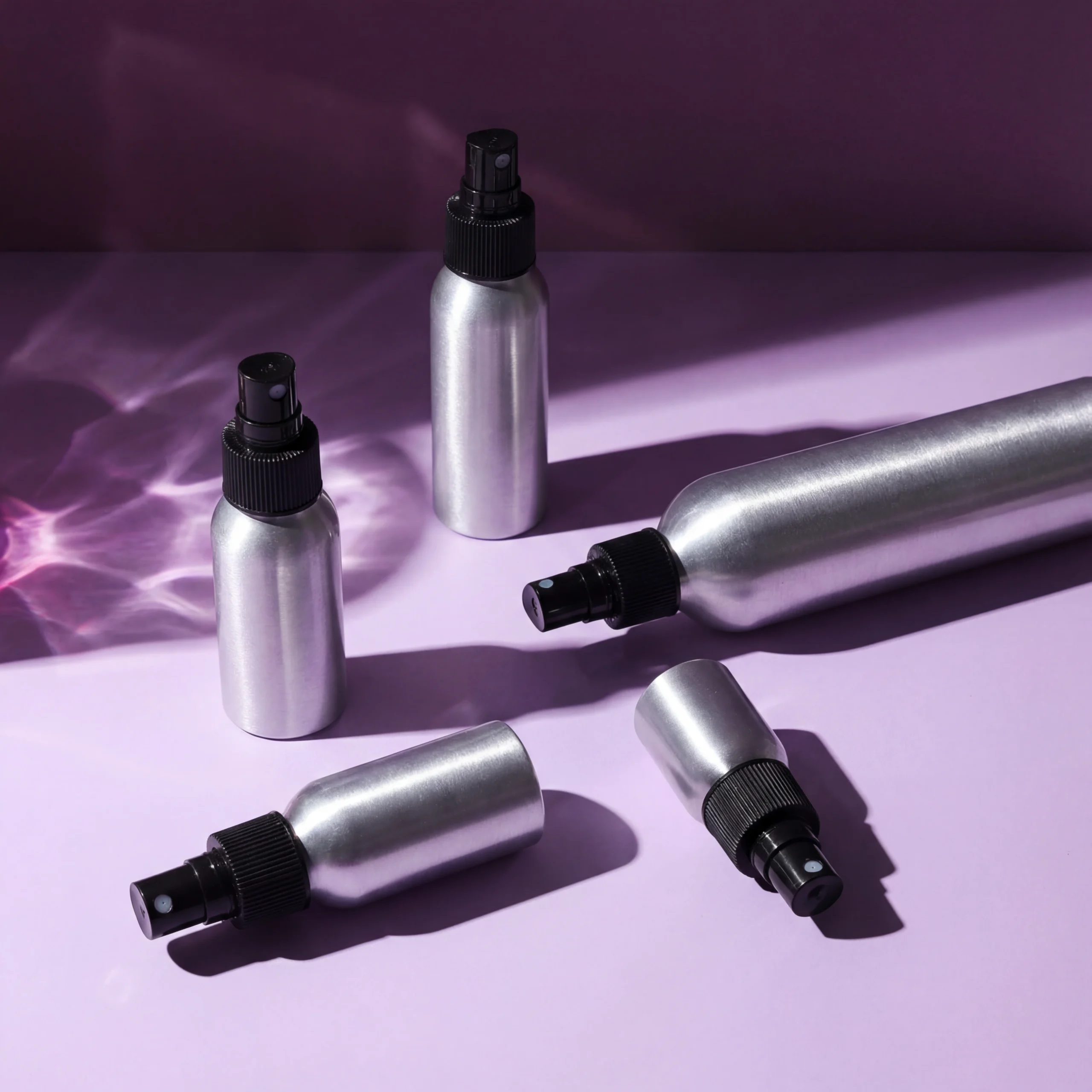
Aluminium is lightweight, unbreakable and — importantly — infinitely recyclable without quality loss. It has become the backbone of premium refill systems, where a durable “keep-forever” outer bottle is topped up from lighter refills. It also blocks light completely. Its limits are cost and the need for an internal lining to keep formulas from reacting with the metal.
How three leading brands chose their material — and what to steal from each
Material theory is useful; watching skilled brands apply it under real constraints is better. These three made public, documented decisions that every packaging developer can learn from. None of them treated “which material” as a default — each treated it as a strategic choice.
Aesop
Match the material to the product's context, not to dogma
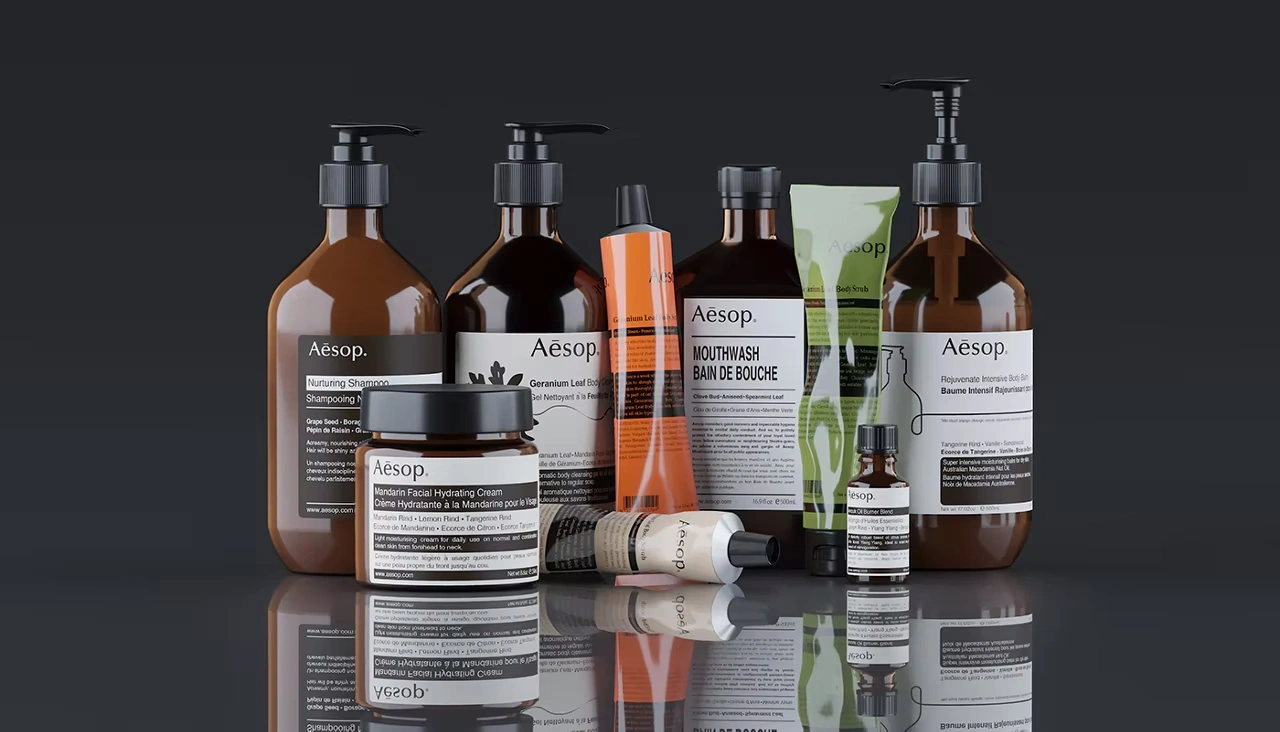
Aesop is famous for its amber bottles, and the reasoning is instructive. The brand favours pharmaceutical-grade amber glass because it is inert and blocks UV — protecting active botanical extracts and, in Aesop's own words, reducing the need for preservatives. But Aesop does not use glass everywhere. For products used in the shower or while travelling, it deliberately switches to recycled PET, citing safety, light weight and breakage risk. Its bottles use a minimum of 97% post-consumer recycled content, and in 2023 it moved its most popular tubes to 100% recycled aluminium.
Steal this: one brand can — and should — run multiple materials. Let the use context (bathroom, travel, vanity) and the formula's fragility decide each pack, rather than forcing a single material across the whole range.
L'Occitane en Provence
Mono-material discipline + honest trade-offs
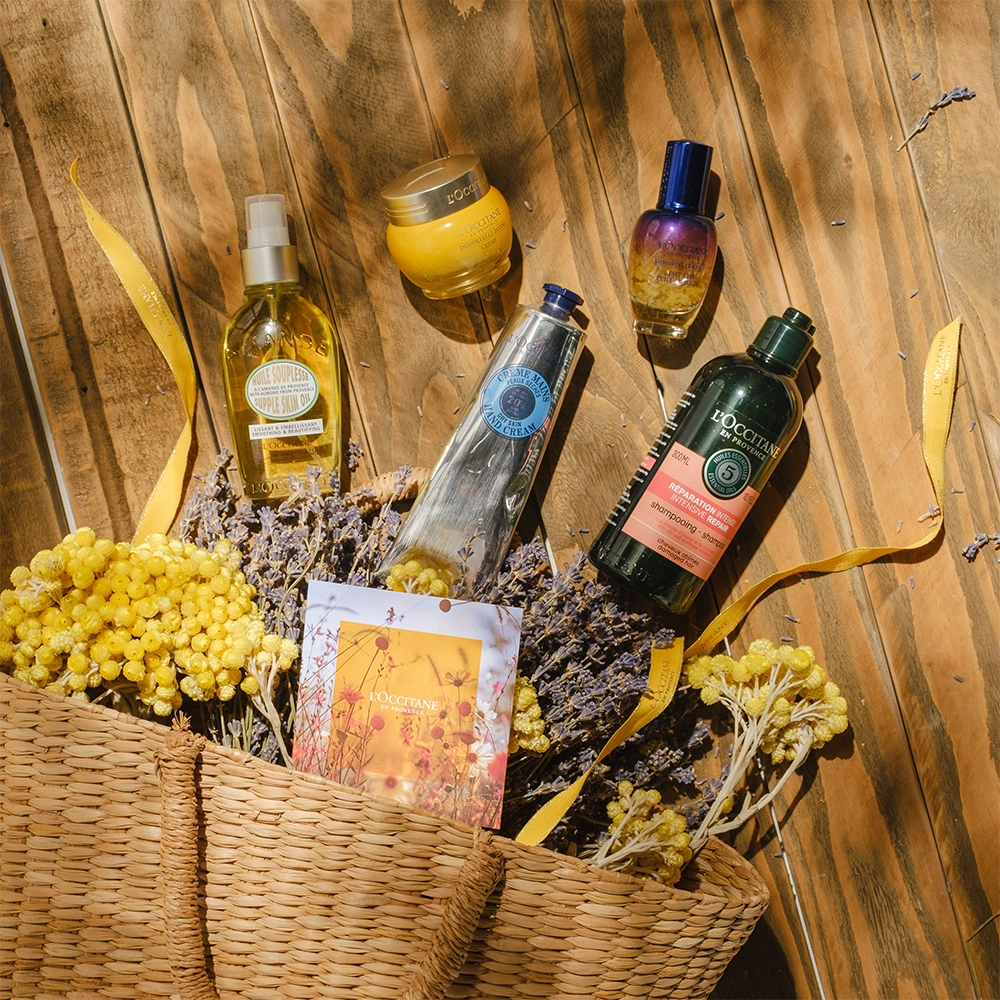
L'Occitane made a decision most brands overlook: it standardised its packaging on just three plastics — PP, PE and PET — specifically so its bottles stay easy to recycle. It was also an early mover on recycled content, putting shampoo in a 100% rPET bottle back in 2008, and it built a 100% recycled-polypropylene (rPP) refill tub for its Shea Ultra Rich Body Cream that the company says saves more than 40 tonnes of virgin plastic a year. Just as valuable is L'Occitane's candour: its R&D team has openly noted that mechanically recycled resin affects colour — a genuine constraint for a pale body lotion, and the kind of trade-off honest packaging development has to weigh.
Steal this: choosing fewer material families across your range is one of the highest-leverage sustainability moves you can make — it turns a mixed bin of "maybe recyclable" packs into a clean, recyclable system.
Dr. Bronner's
Prove that PCR is production-ready
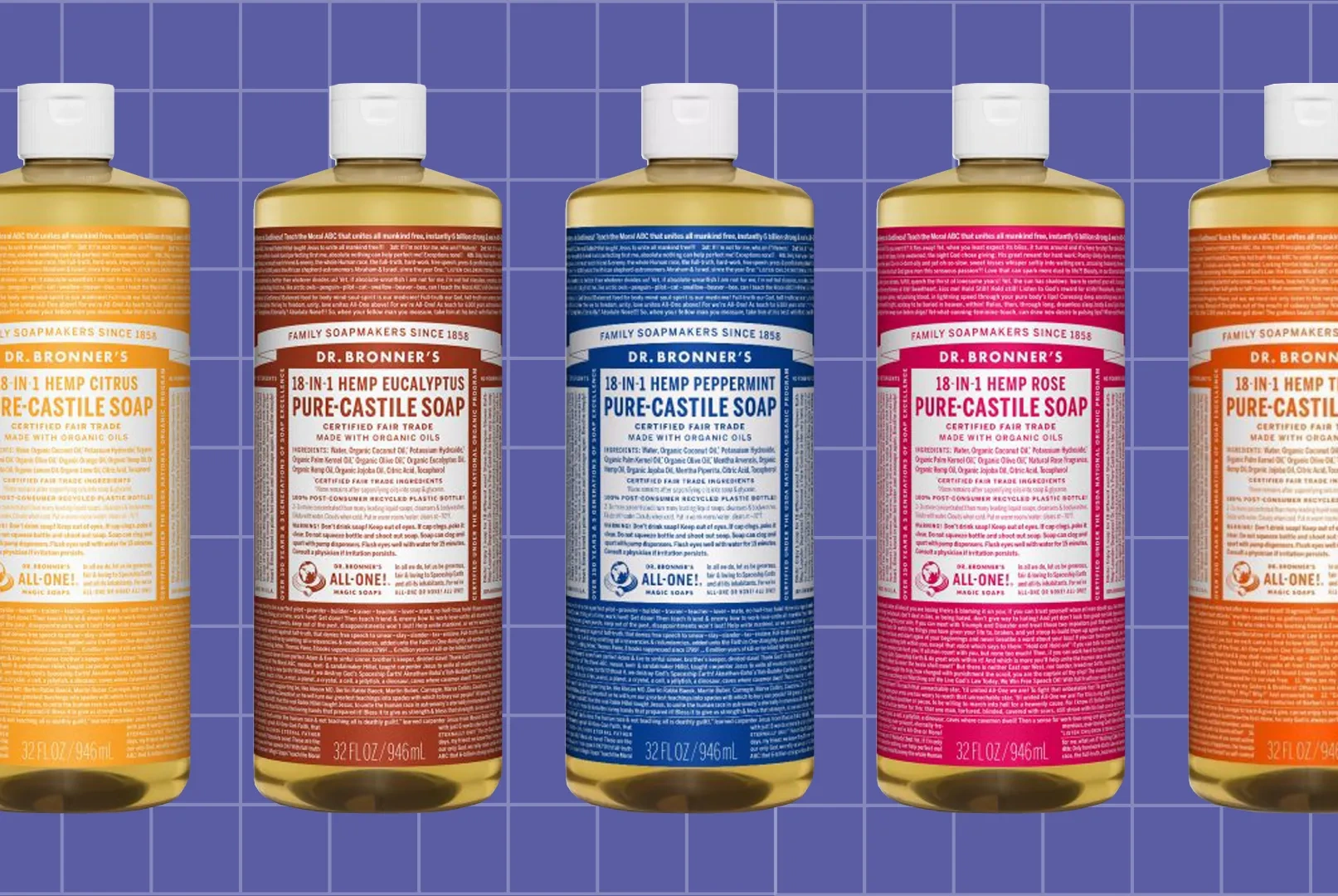
Dr. Bronner's has bottled its liquid soaps in 100% post-consumer recycled plastic for over fifteen years, and says it was the first American company to do so. By 2024, roughly 84% of all its plastic packaging came from PCR material, and it switched its large jugs to 100% recycled HDPE in 2022. The brand's most useful lesson for developers is a myth-buster: it reports that consumers generally cannot tell high-quality recycled PET from virgin PET. While these are liquid soaps rather than lotions, the dispensing formats and material choices map directly onto liquid personal care.
Steal this: the old excuse that PCR looks or performs worse no longer holds for well-sourced resin. If you have been defaulting to virgin plastic "for quality," it is worth re-testing that assumption with current PCR grades.
Chemical compatibility: the mistake that sinks a launch
Here is the failure mode that costs brands the most: a bottle that looks perfect at sampling but slowly reacts with the formula in the months between filling and the customer’s shelf. The material was never wrong on paper — it was simply never tested against this formula. A few common culprits in lotions:
- Essential and fragrance oils: high oil loads can permeate, soften or stress-crack PET, and can migrate into weaker plastics. PETG, PP, HDPE and glass handle them far better.
- High-percentage actives and low pH: vitamin C, strong AHAs and acidic systems can attack certain resins and accelerate colour change. Inert glass or a well-matched, tested plastic protects both formula and bottle.
- Anhydrous and balm-style lotions: oil-only systems behave very differently from water-based ones and demand their own compatibility check.
- Preservative and packaging interaction: some preservatives absorb into plastic walls over time, quietly weakening the formula’s protection.
The fix is simple and non-negotiable: run a formal compatibility and stability test on the exact formula, in the exact material, before mass production. This is precisely why our development process pairs design-for-manufacture with sampling and testing before any pilot run — catching a compatibility issue at the sample stage costs a fraction of catching it after a full production order.
Sustainability without greenwashing
Sustainability is now a procurement filter, not a nice-to-have — but vague claims invite backlash. The credible path comes down to three moves, and they line up neatly with the framework the Ellen MacArthur Foundation promotes for plastics: eliminate what you don’t need, make what remains reusable or recyclable, and keep it circulating.
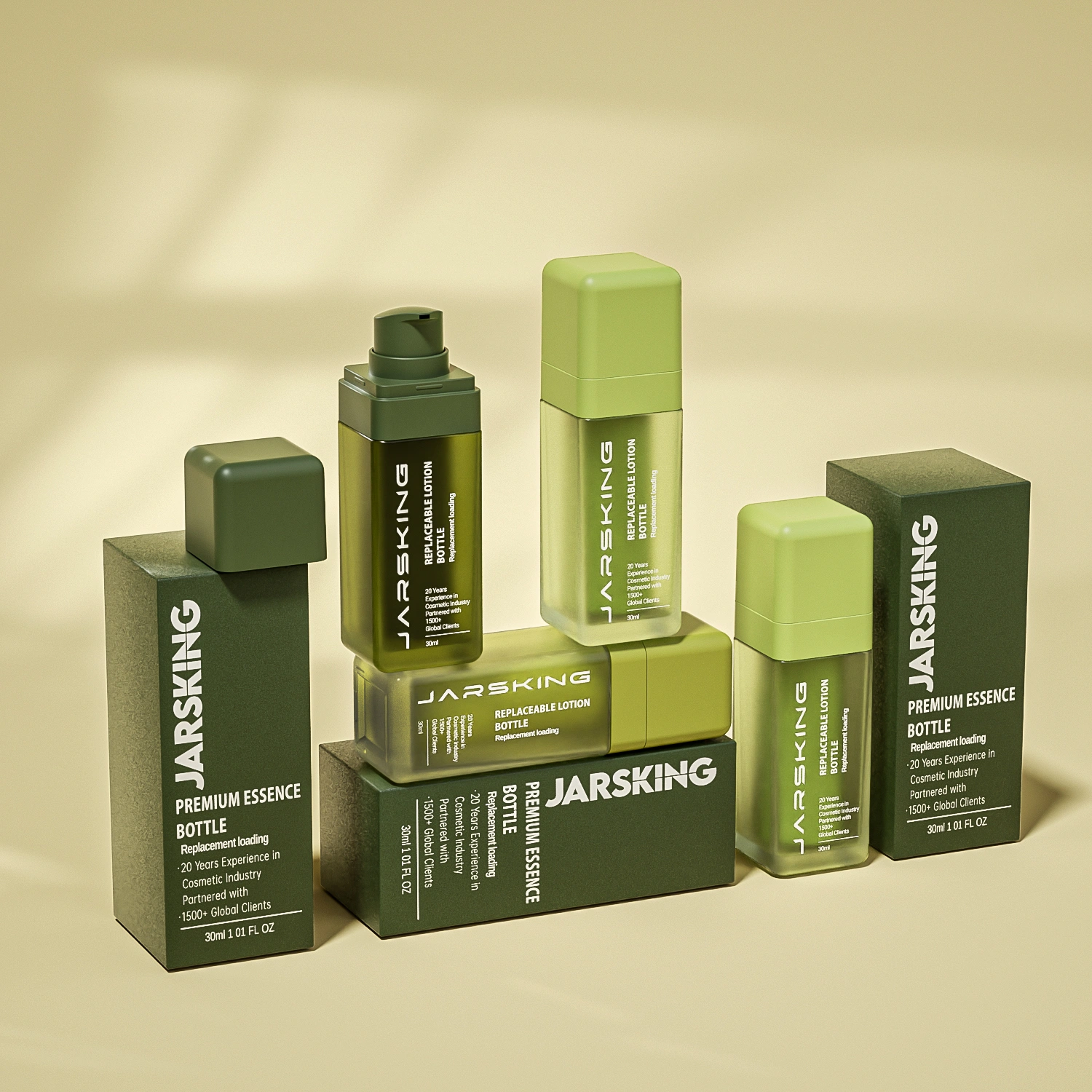
- Design mono-material. The single biggest recyclability lever is keeping a pack within one plastic family — bottle, cap and pump all compatible — as L’Occitane did. A mixed-material pump bottle is far harder to recycle than its parts suggest.
- Specify PCR content. Post-consumer recycled PET, HDPE and PP are production-ready today. rPET and rHDPE are widely available; the main practical constraint is colour consistency on clear or pale packs.
- Design for refill. A durable primary bottle topped up by lighter refills — plastic pods or aluminium “forever” bottles — cuts material dramatically over a product’s life.
None of this requires sacrificing quality. It requires deciding your sustainability target early — question five in our framework — so it shapes the material choice instead of being bolted on afterward.
Conclusion: Choosing well comes down to one habit
The best material for lotion bottles is never a fixed answer — it is the one that matches your formula’s sensitivity, your brand’s shelf tier, your dispensing style and your recyclability goal. Run those five questions first, pressure-test the shortlist against your actual formula, and take a lesson from the brands above: treat material as a strategic decision, not a default. Do that, and packaging stops being a launch risk and becomes part of what makes the product feel right.
FAQs
Not without testing. High concentrations of essential oils, fragrance oils and some solvents can soften, cloud or stress-crack PET over time. For oil-rich or anhydrous formulas, PETG, HDPE, PP or glass are safer choices — and a compatibility test on your exact formula is essential before you commit to production.
Yes, when it is properly sourced and cosmetic/food-grade. Brands such as Dr. Bronner’s and Aesop have shipped high-PCR bottles for years. Pair PCR resin with compatibility and migration testing for your formula. Expect some batch-to-batch colour variation, which matters most for clear or pale packaging.
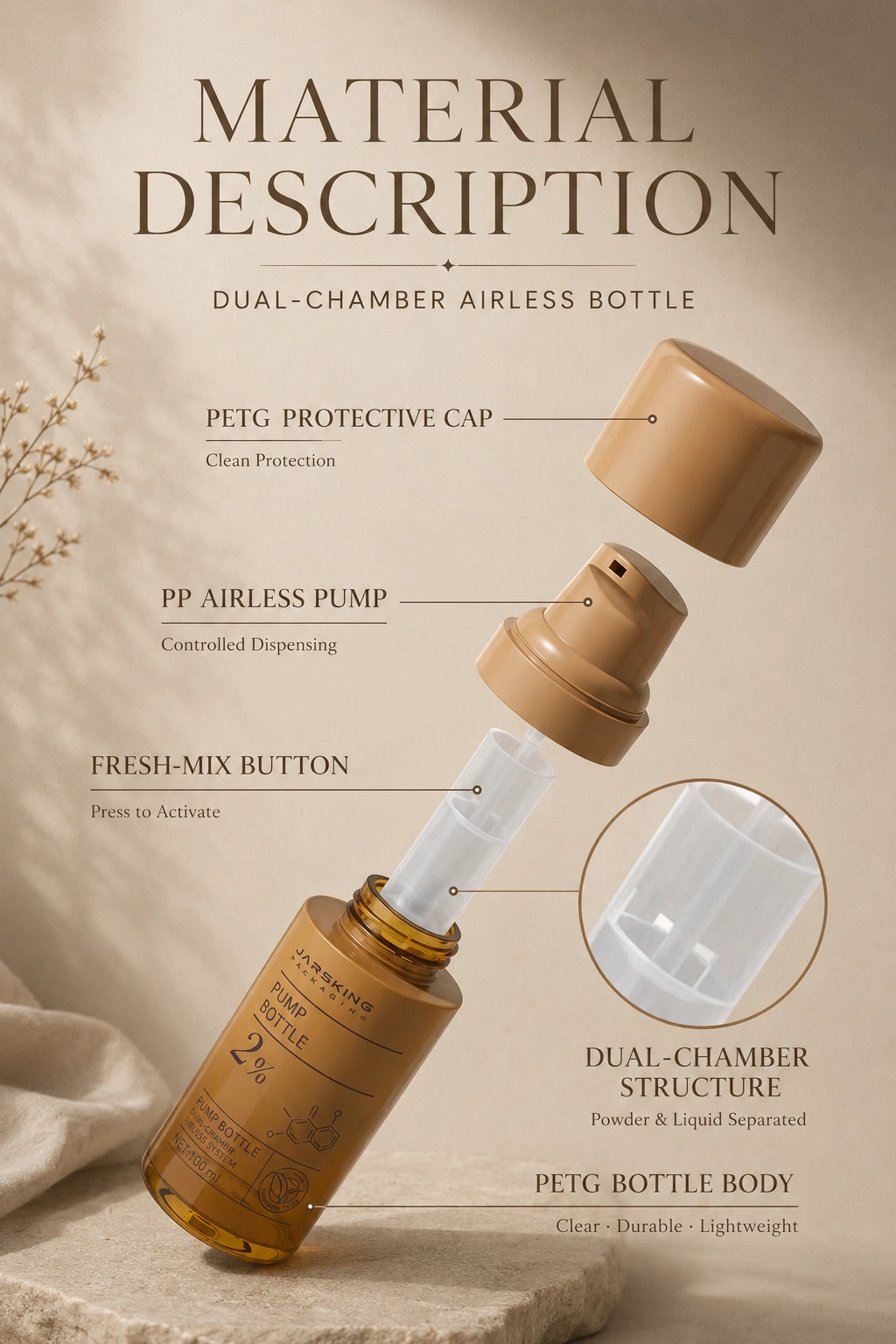
Both are clear and glossy. PET is lighter, cheaper and the most widely recycled plastic, which suits everyday lotions. PETG has higher chemical resistance and a heavier, more glass-like feel, so it suits premium products and formulas with actives, fragrance or mild solvents.
Yes. Amber glass and amber plastic filter UV and part of the visible-light spectrum, slowing the breakdown of light-sensitive actives such as vitamin C, retinol and many botanical extracts. Aesop cites this UV protection as a key reason it favours pharmaceutical-grade amber glass.
There is no single winner. The most sustainable choice is usually a mono-material design made with post-consumer recycled content, or a refillable system. Glass and aluminium are infinitely recyclable but heavier to ship. The right answer depends on your format, weight and local recycling reality.
MOQ depends on the material, whether an existing mould is used, and the decoration involved. Existing-mould ODM projects start far lower than custom-tooled OBM projects. Jarsking confirms MOQ per project once your material, format and finish are defined — explore our lotion bottle range to start the conversation.