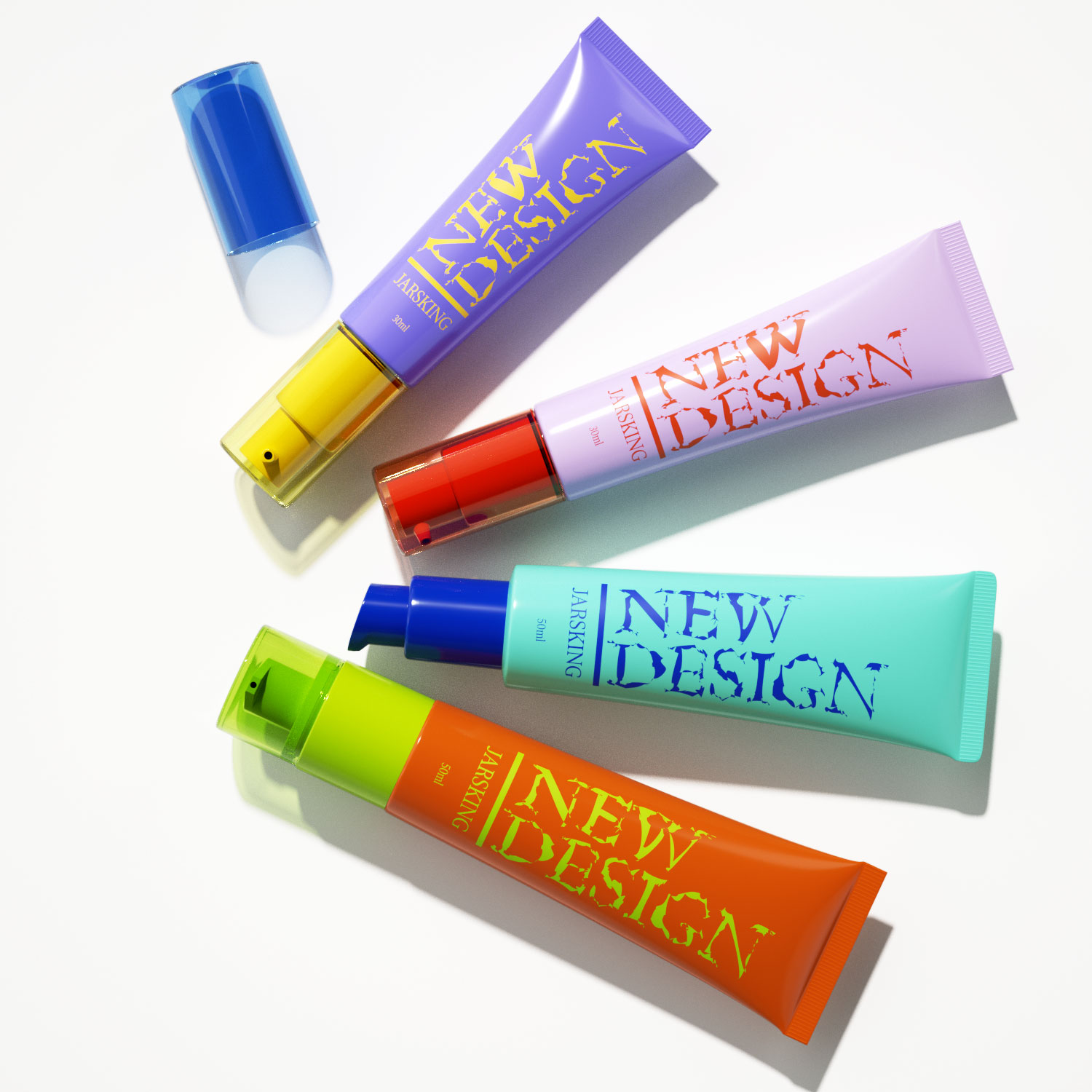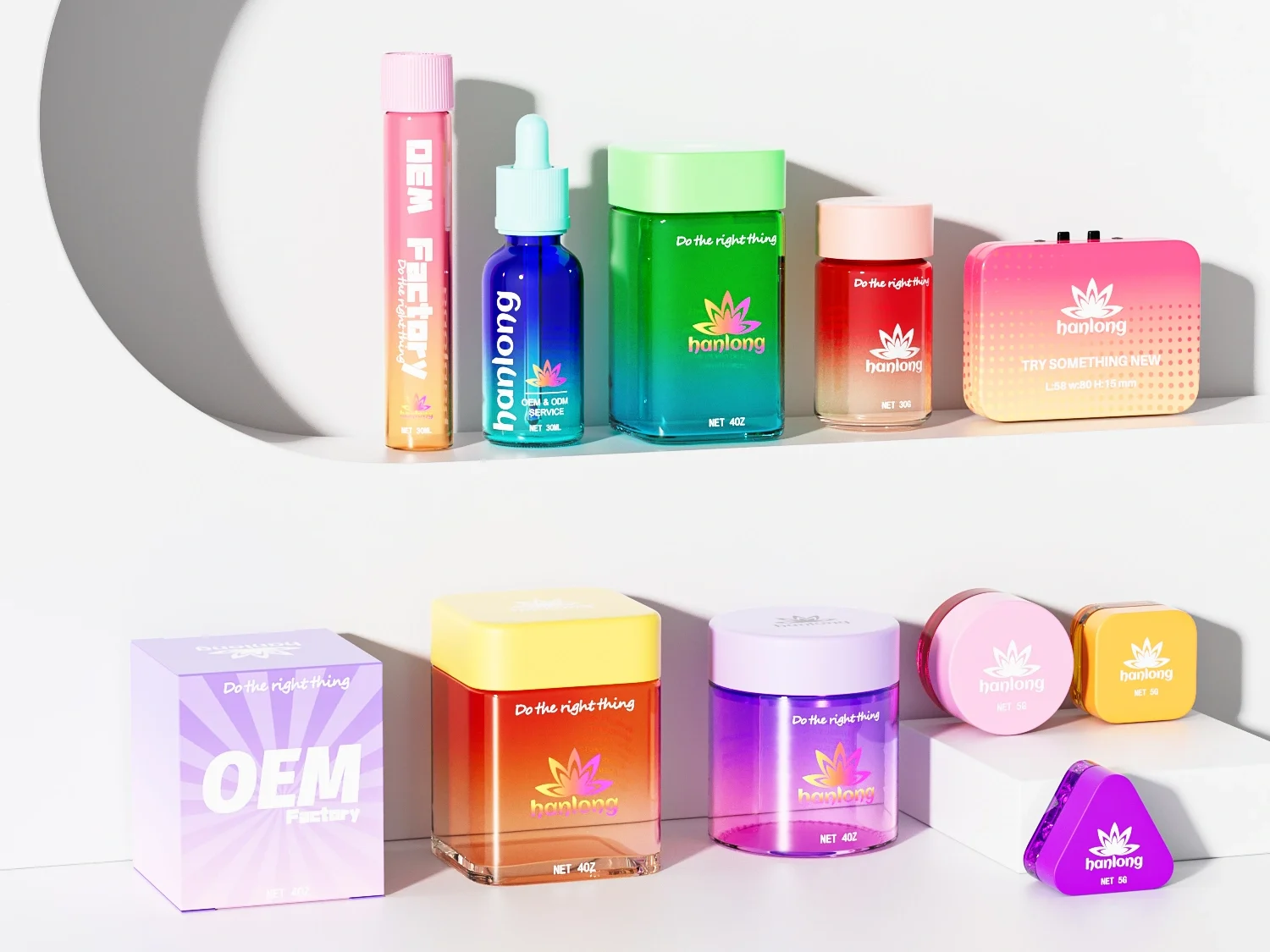


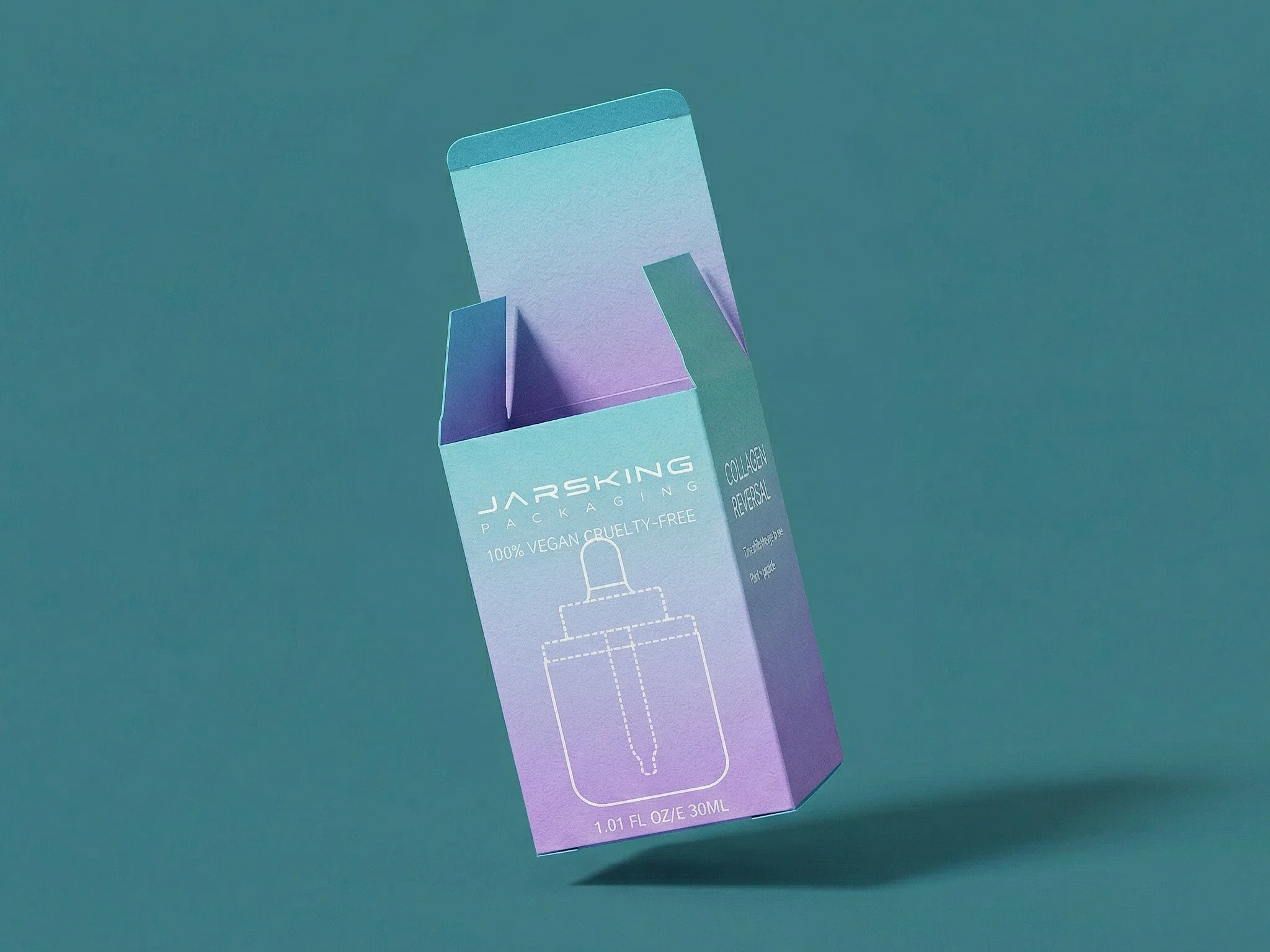










How much does cosmetic packaging cost? There is no fixed price list for custom work, because the unit cost depends on nine decisions. They are your development route, material and weight, components, decoration, quantity per SKU, secondary packaging, testing, freight and duties, and EPR fees. The development route usually causes the biggest swing: either you decorate an existing mold or you pay for a private one.
The useful question is not "what does a bottle cost?" Ask instead which of these choices drive your number and when each one has to be locked. Most of them are set long before a supplier sends a quote. By the time you compare two quotes, the real cost decisions are often already made.
This guide explains each cost driver and what raises or lowers it. It compares the three development routes side by side and covers the costs that rarely appear on a quote. It ends with a checklist of what to send so your first quote reflects the real cost of your program.
- The development route sets both the upfront spend and the timeline. An existing mold with custom decoration is usually the fastest and lowest-investment route.
- Weight matters three times: in material, in freight, and increasingly in EPR fees.
- Every added component, decoration pass and box insert adds cost and another point that has to be checked for fit.
- A quote shows unit price. Your budget needs landed cost: freight, duties, testing and compliance fees.
- Clear briefs get accurate quotes. Missing details become surprises later.
The 9 factors that set your packaging cost
Packaging cost is a stack, not a single number. Below are the nine layers in the order a buyer usually meets them.
1. Development route: existing mold, modified mold or private mold
The route you choose sets your upfront investment, your lead time and how much each unit carries in tooling cost. It is the first cost decision and the hardest one to reverse.
Brands usually choose among three routes:
- Existing mold plus custom decoration. You start from a proven bottle, jar or component and make it yours with color, finish, printing and closures. Jarsking works from more than 30,000 ready-to-use molds, so many briefs can start here. No new tooling is needed, which keeps upfront spend and development time low.
- Modified mold. An existing design is adjusted, for example a new shoulder, a different base or an engraved logo area. This involves some tooling work but less than a fully new shape.
- Fully custom private mold. You own a unique shape. It needs engineered drawings, prototypes and steel molds, which take 35 to 40 days to make at Jarsking, plus trial runs and corrections.
A private mold is a business investment, not only a packaging cost. It pays off when the shape is central to your brand and your volumes justify it. For tooling costs, cavity counts and when private tooling makes sense, see our custom bottle molding and tooling guide. The OEM vs ODM vs OBM guide explains how each service model fits these routes.
2. Material and weight
Material sets the base unit cost, and weight multiplies it through freight and compliance fees. Choose the material for the formula first, then for cost.
Glass gives clarity, weight in the hand and a premium feel, but it is heavier and more fragile than plastic. That affects packing, freight and breakage risk. PET, PP and HDPE are lighter and tougher in transit. PCR (post-consumer recycled) plastic can support sustainability goals, but availability and appearance should be confirmed per project. Heavy-base glass, thick walls and solid overcaps add material and weight to every unit.
Two cost rules matter here:
- Formula compatibility comes first. A cheaper material that reacts with your formula is the most expensive choice you can make. Plan stability and compatibility testing before you commit.
- Weight is now a regulatory factor too. EU and California packaging rules increasingly tie a brand's obligations to how much packaging it puts on the market (see factor 9).
For material options, see glass cosmetic packaging and PCR cosmetic packaging.
3. Components and closures
Every component you add (pump, dropper, atomizer, overcap, liner) adds unit cost and another fit that must be checked. The closure system can strongly affect total cost, so specify it early.
A simple screw cap and a premium airless system sit at very different points on the cost scale. Typical components include lotion and spray pumps, airless systems, dropper assemblies, perfume atomizers, ABS, PP or aluminum caps and overcaps, and liners and seals.
Cost also comes from fit. The bottle neck, pump, collar and cap must work together, often across different production processes. Each added part is another tolerance to control and another item to inspect. Sample lead times differ too: at Jarsking, pumps and caps take 7 to 25 days to sample, compared with 3 to 15 days for existing-mold glass. For choosing a dispensing system, see lotion pump vs airless vs disc-top vs treatment pump.
4. Decoration
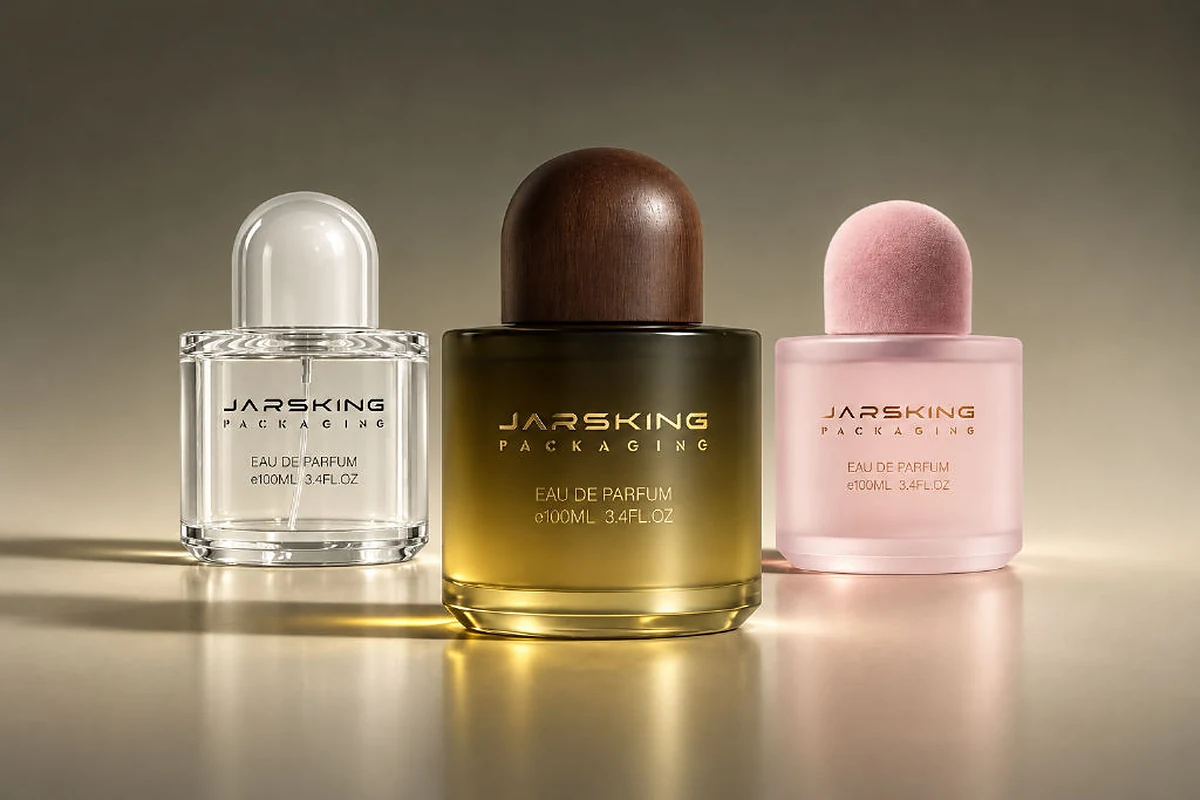
Each decoration technique and each extra pass adds setup, handling and inspection. Decoration is where brands most often add cost without realizing it.
Common techniques include screen printing, hot stamping, spray coating and metallization in chrome, gold, rose gold or brushed finishes. Jarsking runs 20 screen-printing lines, 10 hot-stamping lines and three spraying lines. What raises cost is usually not the technique itself but the combination: a gradient spray, then a two-color print, then a foil stamp means three separate runs, each with its own setup and quality check.
To control decoration cost:
- Decide which surfaces carry the brand and which can stay plain.
- Combine effects where one technique can do the job of two.
- Approve decoration on production-intent samples, not only on renders.
For a full comparison of techniques, see our cosmetic packaging decoration techniques guide.
5. Quantity and SKU structure
Unit cost falls as quantity rises because setup costs are spread across more units. How you split that quantity across SKUs matters just as much.
At Jarsking, the minimum order on existing molds is 10,000 units per SKU. Minimums for custom molds are confirmed per project. Minimums exist because every run carries fixed setup work: mold changes, color matching, decoration setup and inspection.
SKU structure is where many budgets leak. Ten variants of 10,000 units each is a very different program from two variants of 50,000, even though the total is the same.
To keep cost under control:
- Share one bottle across sizes or product lines where possible, and set lines apart with decoration.
- Limit color variants. In ODM projects, PET and PETG color changes add five days to the timeline.
- Plan your reorder rhythm so later runs do not repeat setup unnecessarily.
6. Secondary packaging
The box can change total packaging cost as much as the bottle does. Rigid gift boxes, magnetic closures, satin linings and custom inserts all add material, labor and shipping volume.
A printed folding carton is the standard choice for many retail products. A rigid box with an insert creates a stronger unboxing moment but costs more per unit. It also takes up more space in transit, and that space is paid for in freight. Labels, sleeves, inserts and corrugated shippers complete the stack. For the tradeoffs, see rigid box vs folding carton.
7. Sampling, testing and quality control
Testing is a cost you plan for, not a cost you avoid. Skipping it moves the cost to a failed launch.
Expect costs and time for:
- Samples and prototypes. Several rounds are normal. Our article on the cosmetic packaging prototyping process explains why.
- Compatibility and stability testing with your actual formula.
- Transit and dispensing tests where relevant.
- Inspection. Jarsking uses AQL (acceptance quality limit) sampling to ISO 2859, lot-number traceability and multi-stage quality control. Third-party inspection and documentation can be added per target market.
Market-specific documents add cost when they are needed. Confirm them per project, based on where you sell.
8. Freight, duties and landed cost
The quote shows what packaging costs at the factory. Your budget needs the landed cost: what it costs delivered to your warehouse. Freight and duties can change your total a lot.
The main variables are:
- Shipping terms. Under FOB (free on board), you pay freight from the origin port onward. Under DDP (delivered duty paid), the supplier delivers with duties paid. Make sure two quotes use the same terms before you compare them.
- Sea or air. Sea freight adds 35 to 40 days to the timeline but usually costs far less than air. Late approvals often force expensive air shipments.
- Volume and weight. Glass, rigid boxes and loose inserts take up space. Packing design and carton fill affect freight cost directly.
- Dangerous goods. Some filled products, such as alcohol-based perfume, have extra shipping rules. See perfume shipping requirements.
- US import duties. Rates depend on the product's Harmonized Tariff Schedule (HTS) code and country of origin, and they changed several times in 2026. In July 2026, the US Trade Representative imposed an additional Section 301 duty of 10% or 12.5% on goods from 60 trading partners, depending on the country. Check your exact code in the US Harmonized Tariff Schedule and confirm the full duty with a licensed customs broker before you set retail prices.
9. Compliance fees after landing: EPR
Extended producer responsibility (EPR) laws make brands pay for the packaging they put on the market, so material and weight choices now carry an ongoing cost.
In California, SB 54 requires producers to pay $500 million a year starting in 2027, $5 billion over 10 years. This is in addition to fees paid through the approved producer responsibility organization. CalRecycle's SB 54 program page explains the requirements for producers.
In the European Union, the Packaging and Packaging Waste Regulation has applied since 12 August 2026. Its goals include minimizing packaging and making all packaging on the EU market recyclable in an economically viable way by 2030.
The practical effect: a heavier pack, mixed materials that are hard to separate, and oversized boxes may each cost more after launch, not only at purchase. Design for recycling, using mono-material constructions where practical, is becoming a cost tool as much as a sustainability goal.
Cost driver decision table
| Cost driver | What raises cost | How to control it | When to decide |
|---|---|---|---|
| Development route | New private mold, complex geometry | Start from an existing mold, or modify one | At the brief stage |
| Material and weight | Heavy glass, thick walls, solid overcaps | Match material to the formula, then reduce weight | Before design freeze |
| Components | Premium dispensing, many parts, tight fits | Standardize closures across the range | Before sampling |
| Decoration | Many passes, combined techniques | Choose fewer, stronger brand surfaces | Before final artwork |
| Quantity and SKUs | Many small variants | Share bottles across SKUs, limit colors | When planning the range |
| Secondary packaging | Rigid boxes, custom inserts, oversized cartons | Fit the box to the sales channel | Alongside the primary pack |
| Testing and QC | Late-stage failures and re-tests | Test early with the real formula | Before the purchase order |
| Freight and duties | Air freight, low carton fill, unchecked HTS codes | Plan for sea, design the packing, check duties | Before setting the launch date |
| EPR fees | Weight, mixed materials, excess packaging | Design for recycling, reduce material | At concept stage |
Swipe to see the full table →
Three development routes compared
| Route | Upfront investment | Effect on unit cost | Typical lead time at Jarsking | Best for |
|---|---|---|---|---|
| Existing mold plus custom decoration (ODM) | Lowest, no new tooling | Depends mainly on material, components and decoration | 40–60 days | Fast launches, range extensions, first collections |
| Your own specifications and designs (OEM) | Depends on whether tooling exists | Set by your specification | 33–65 days | Brands with finished designs and technical specs |
| Fully custom co-development (OBM) | Highest: design, engineering and private tooling | Tooling spread over volume, confirm per project | 84–110 days | Signature shapes and long-term brand assets |
Swipe to see the full table →
Lead times exclude shipping. Sea freight adds 35 to 40 days.
The costs that never appear on a quote
The most expensive packaging costs usually come from timing and late changes, not from the unit price. Watch for these:
Late artwork changes
Changes that reset decoration setup or require new samples.
Re-sampling
The approved render was never checked against how the pack can actually be produced.
Line problems
The bottle, pump or cap does not run smoothly on the filling line and needs manual handling.
Rejects and rework
Quality standards were never agreed in writing.
Air-freight upgrades
Approvals slipped and the launch date did not move.
Stock-outs
The reorder lead time was not planned.
None of these appear as a line on a supplier quote. All of them can cost more than the difference between two quotes.
How to lower packaging cost without making it look cheaper
The best savings come from smart structure, not from cheaper materials. These moves keep the pack looking premium:
- Start from a proven mold and build distinctiveness through color, finish and decoration.
- Share one bottle across several SKUs, and tell the lines apart with decoration or closures.
- Cut decoration passes by choosing one or two strong brand surfaces instead of covering every face.
- Standardize closures across the range so one fit works for several products.
- Reduce weight carefully. Remove mass where the hand doesn't feel it, keep it where the hand does.
- Plan for sea freight by locking approvals early enough to avoid air shipments.
- Design for recycling to reduce future EPR exposure.
What to send for an accurate quote
A complete brief is the fastest way to get an accurate quote. Send:
If something is still undecided, say so. A good partner will show you how each option changes cost and timing.
Frequently asked questions
How much does custom cosmetic packaging cost per unit?
There is no standard per-unit price for custom cosmetic packaging. Unit cost depends on the development route (existing mold or private mold), material and weight, components, decoration passes, quantity per SKU and secondary packaging. Freight, duties and EPR fees are then added to reach the landed cost. The most reliable way to get a real number is to send a complete brief with volumes, materials, closures, decoration and target markets.
Is a custom mold worth the investment?
A custom mold is worth it when a unique shape is central to your brand and your planned volumes can carry the tooling cost over time. If speed, flexibility or lower upfront spend matter more, starting from an existing mold and customizing color, finish and decoration is usually the better route. Private steel molds also add time: at Jarsking, mold-making alone takes 35 to 40 days before trials begin.
What is the minimum order for custom cosmetic packaging?
Minimums depend on the supplier and the development route. At Jarsking, the minimum order on existing molds is 10,000 units per SKU, and minimums for custom molds are confirmed per project. Minimums exist because each production run carries fixed setup work such as mold changes, color matching and decoration setup.
Is glass packaging more expensive than plastic?
Glass often costs more in total than plastic of a similar size, mainly because it is heavier and more fragile. That raises freight, protective packing and breakage risk. Glass also brings clarity, weight in the hand and a premium feel. The right choice depends on formula compatibility, brand positioning, sales channel and recycling goals, so compare landed cost, not only unit price.
What costs are not included in a packaging quote?
A packaging quote usually covers the cost of producing the packaging under the stated terms. It often does not include freight beyond the agreed point, import duties, formula compatibility testing, third-party inspection or market documents, warehousing, or EPR fees in markets such as California and the EU. Late changes, re-sampling and air-freight upgrades are also outside the quote. Confirm the shipping terms and scope before comparing two quotes.
Build your packaging budget on real numbers
The fastest way to control packaging cost is to make the big decisions in the right order: route, material, components, decoration and quantity, before anyone asks for a price. Since 2003, Jarsking has worked with brands across beauty, fragrance, personal care and wellness as an OEM, ODM and OBM partner, from design and development through production and logistics.
Share your brief, and we will review it with you, show which choices drive your cost and suggest where to save without losing shelf presence.
Request a quote review