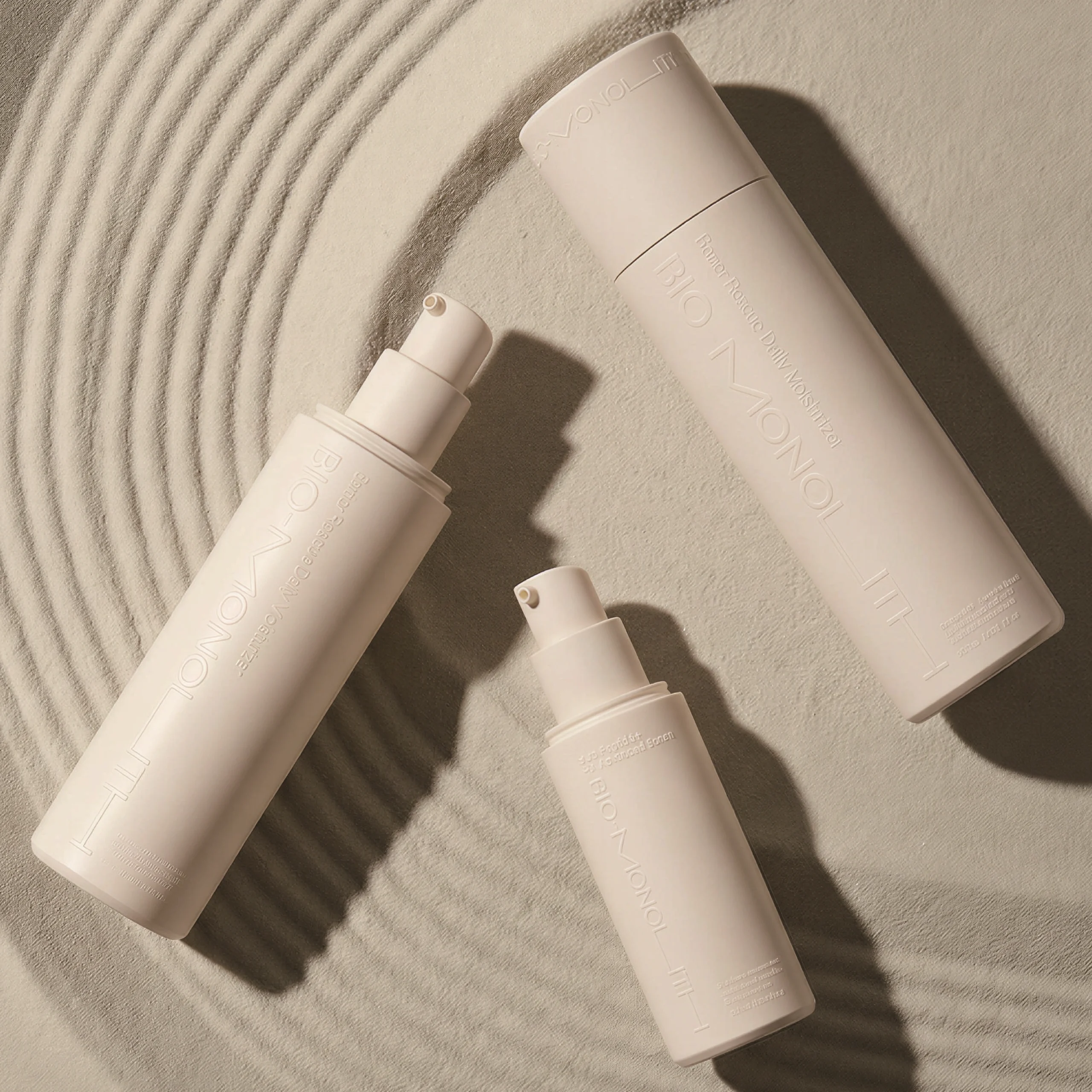


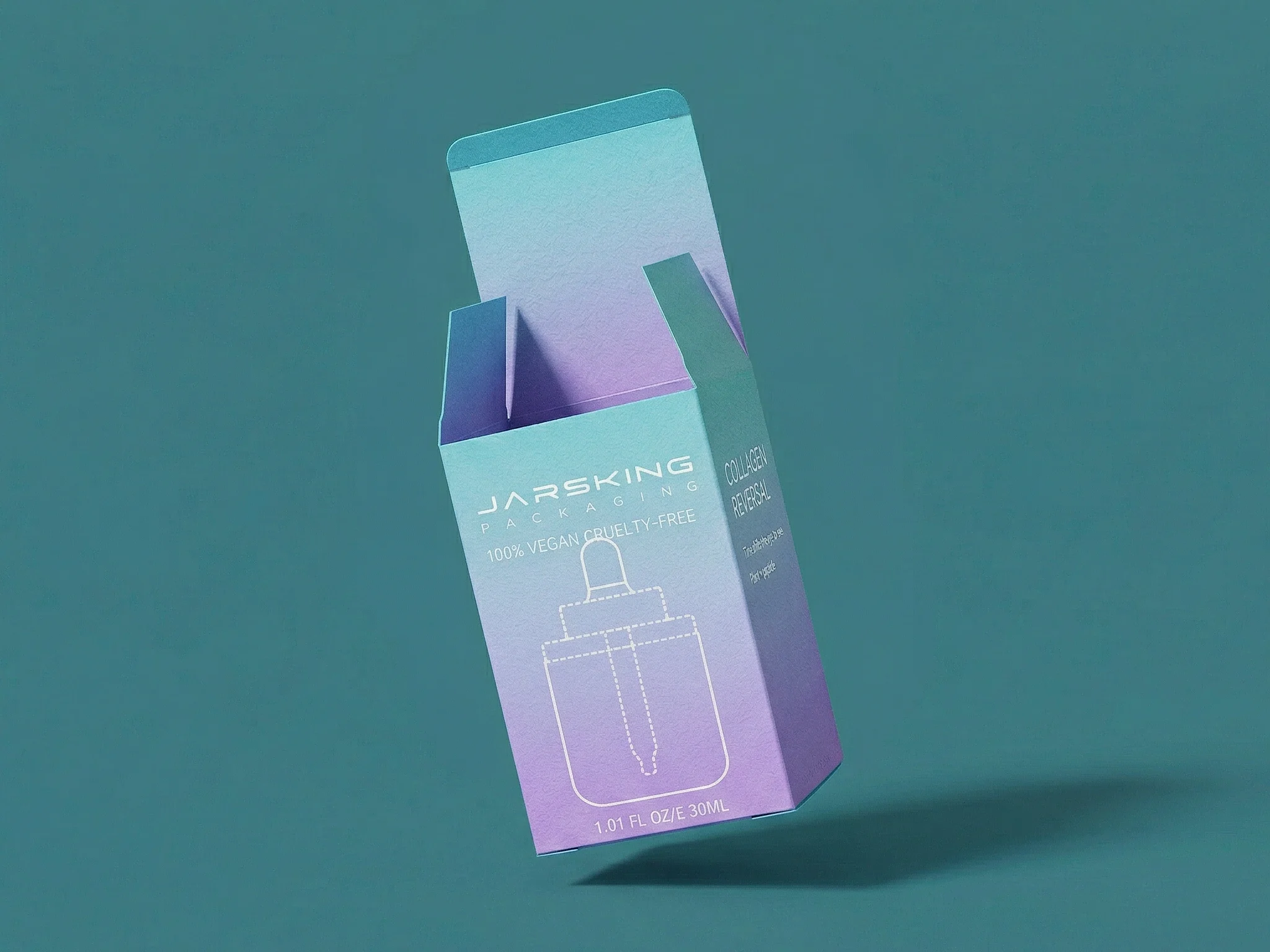









An emerging dietary supplement brand entered its first packaging program with a reference bottle, an intended capsule count and a clear preference: learn from the market without copying another brand. Jarsking helped translate that starting point into a coordinated system involving glass and plastic bottles, color decoration, folding cartons and shipping mailers. Production-scale packaging followed, but broader release encountered a critical gate—an induction liner did not seal consistently on the packaging line.
The journey did not end with a flawless handoff. Instead, it revealed what commercial packaging actually requires. A finished bottle is only one part of a container-closure system, and that system must work with the capper, induction sealer, operating settings and filled product before a brand can approve distribution. Corrective work is still underway, making the next milestone clear: qualify the complete packaging process before volume becomes exposure.
| Project dimension | Project overview |
|---|---|
| Client | Emerging U.S.-market direct-to-consumer supplement brand |
| Starting point | First packaging-sourcing program in the category, guided by a reference bottle |
| Packaging scope | Glass and plastic bottles, closures or liners, color decoration, folding cartons and mailers |
| Development period | Approximately six months |
| Commercial status | Production-scale packaging and early commercialization |
| Critical open issue | Inconsistent induction-seal adhesion delayed broader release; the final corrective-action result was not yet documented |
The challenge facing a first-time supplement-packaging buyer
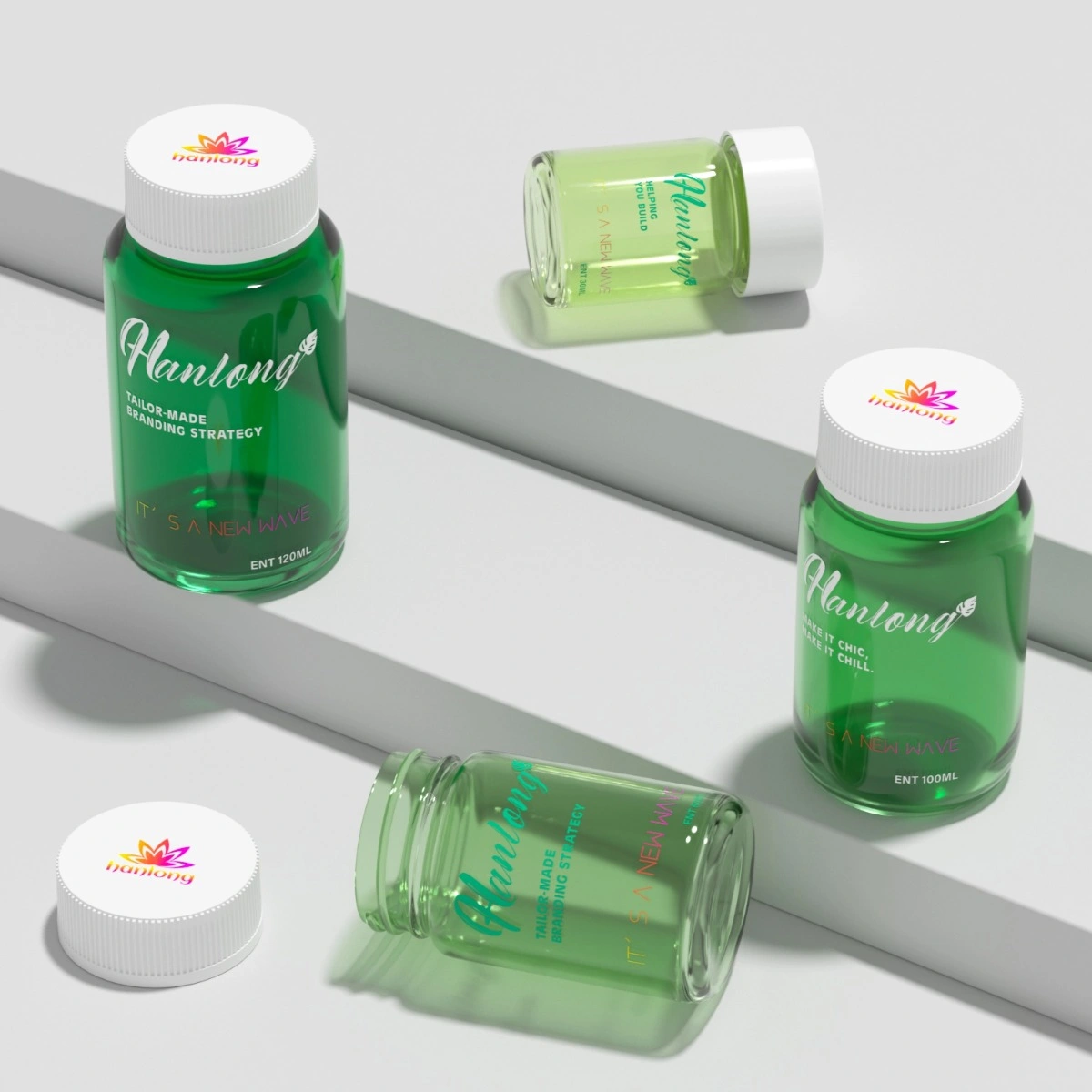
The brand’s initial challenge was not simply finding a supplement bottle manufacturer. It was turning a general visual reference into a package that could carry several capsule products, feel coherent across the range and move through sourcing, decoration, cartoning and shipment without unnecessary fragmentation.
That distinction matters. A reference bottle can communicate useful preferences—height-to-width ratio, shoulder shape, closure scale, visual weight and approximate capacity—but it is not a production specification. The buyer still has to decide what the container must hold, how the label or decoration will fit, how consumers will handle the closure, what secondary packaging is needed and how the filled package will be processed.
For a first-time buyer, these decisions often arrive together. A change in bottle diameter affects label dimensions and carton structure. A different neck finish changes the closure and liner choices. A spray finish may alter the appearance of color, artwork and lot coding. A mailer must protect the packed product rather than an idealized digital render. The project therefore required a system-level brief instead of a single-item quotation.
The client also wanted differentiation without unnecessary novelty. From the beginning, the reference was a starting point rather than a request for an exact copy. That opened a practical route: identify an appropriate packaging format, then build brand distinction through proportion, color, graphics and coordinated secondary packaging. The team could preserve the useful visual cues behind the reference while developing a system with its own identity and production logic.
Buyer takeaway: A competitor reference is useful when it becomes a list of functional and aesthetic requirements. It becomes risky when it is treated as the specification itself.
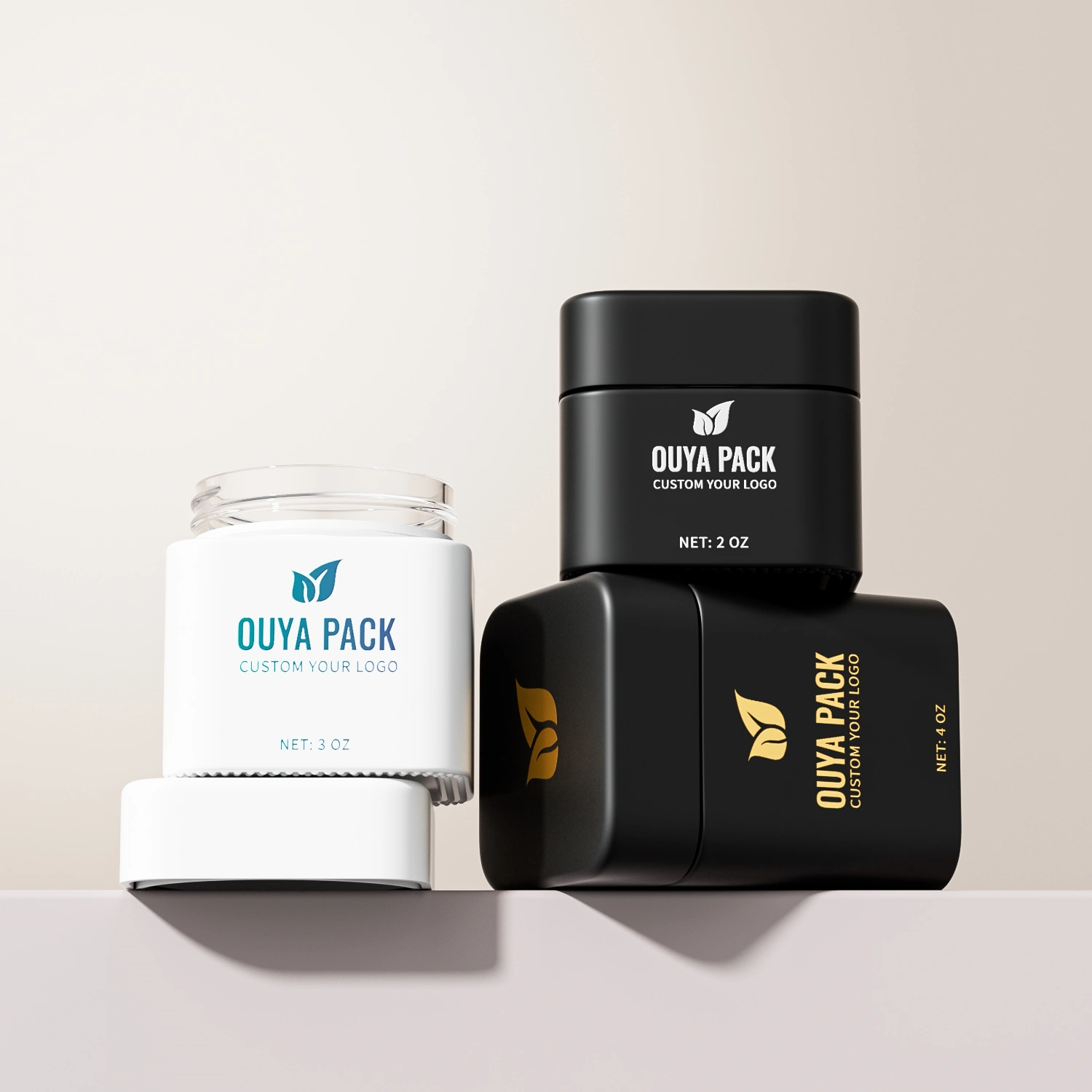
Turning a reference bottle into an ownable packaging brief
Jarsking’s early role was to convert the client’s visual direction into decisions that could be sampled and manufactured. The desired pack needed to accommodate a defined capsule format while following a simple, natural-looking presentation. The resulting direction used clean forms and differentiated colors across the product family rather than depending on unusual decorative processes.
A disciplined packaging brief would separate five questions:
1. Product load: capsule count, fill volume, headspace and any desiccant or cotton requirements.
2. Container geometry: body diameter, overall height, neck finish, opening size and label panel.
3. Closure system: cap construction, liner type, application torque and reseal expectations.
4. Brand treatment: molded or coated color, label, screen printing or another decoration route.
5. Distribution unit: folding carton, insert if required, mailer configuration and shipping protection.
Rather than forcing unconfirmed technical values into the public story, the team’s design logic provides the more useful lesson: begin with the product load and operating requirements, then select the structural and decorative choices that can be carried consistently through samples, production and fulfillment.
What can be said safely is that the packaging family was built to feel related while allowing product-level differentiation. This is a common strength of custom supplement packaging: the brand does not need a completely different bottle for every formula. A shared structural platform can simplify procurement and presentation, while controlled color and artwork changes help consumers distinguish products.
That approach can also make future decisions easier. When structural variables remain consistent, teams can focus testing on the changes that matter. It does not eliminate validation—different formulas, colors, liners or production lines may introduce new considerations—but it creates a clearer baseline than a collection of unrelated packs.
Why the brief needed cross-functional ownership
A packaging brief should be reviewed by more than the brand or procurement team. Marketing can define hierarchy, shelf impression and the information that must remain readable. Operations can identify line constraints, changeover needs and case-packing requirements. Quality can define specifications, sampling, traceability and release evidence. The filling partner can confirm equipment limits and the sequence in which containers, closures and liners will be processed. Logistics can test whether the retail unit and mailer tolerate the intended distribution route.
Bringing those views together early is cheaper than discovering an interface after decorated components are complete. It also creates a useful approval record. When a question arises, the team can distinguish an accepted design choice from a production deviation or a new requirement. For a first commercial program, that record is especially valuable because there may be no earlier pack, line setting or defect history to use as a baseline. The goal is not more paperwork; it is fewer hidden assumptions at scale.
The solution: Building one system across primary and secondary packaging
Jarsking coordinated more than the visible container. The program brought together glass bottles, plastic bottles, closures or liners, folding cartons and mailer or shipping boxes. Together, these elements created a packaging architecture with several interfaces.
| Layer | Project role | Interface that must be controlled |
|---|---|---|
| Glass or plastic bottle | Holds the filled capsules and carries the brand presentation | Formula compatibility, dimensions, neck finish and sealing land |
| Cap and liner | Closes the package and supports first-opening protection where specified | Thread engagement, torque, liner fit and container compatibility |
| Decoration or label | Differentiates products and communicates required information | Adhesion, legibility, color consistency and artwork placement |
| Folding carton | Adds presentation and protects the retail unit | Bottle fit, closure clearance and print alignment |
| Mailer or shipper | Protects units through fulfillment and delivery | Packed configuration, compression, movement and handling conditions |
This scope illustrates the difference between purchasing components and developing a commercial packaging system. Each supplier handoff can introduce dimensional, schedule or responsibility gaps. Coordinating primary and secondary items can reduce those gaps, but it does not transfer every downstream duty to the packaging manufacturer.
Jarsking is an empty-packaging design, engineering and manufacturing partner. It can help buyers evaluate formats, provide components, coordinate decoration and secondary packaging, and supply assembled samples. The client and its qualified manufacturing or packaging operation remain responsible for the filled-product process, formula compatibility, stability work, line qualification, regulatory review and final release.
That boundary is especially important in dietary supplements. FDA’s dietary supplement current good manufacturing practice framework requires firms that manufacture, package, label or hold supplements to establish packaging specifications and determine whether those specifications are met. It also requires the finished package and label to conform to the master manufacturing record. See the [FDA Small Entity Compliance Guide for 21 CFR Part 111]
Packaging architecture
A commercial pack is released as a system, not as five independently approved objects.
From supplier discovery to production-scale packaging
The client found Jarsking through a B2B sourcing channel and began with a reference-led discussion. From there, the program progressed through format recommendation, visual decisions, primary and secondary packaging coordination and production. The complete journey took approximately six months, including the time needed for client decisions and scheduling as well as packaging development.
Project sequence
The packaging journey continues beyond component production to packaging-line validation.
This sequence shows why “lead time” is rarely one universal number. Artwork readiness, sample approvals, tooling status, decoration, component coordination, client decisions and the filling schedule all affect the calendar. A credible timeline separates supplier production time from the total elapsed project duration.
The program advanced from sampling to commercial-scale packaging, with several packaging formats moving forward as one coordinated launch system. Direct-to-consumer sales infrastructure also came online, marking the beginning of commercialization. But reaching production quantity was not the end of the journey. The filled packages still had to pass through capping, induction sealing and quality release before the brand could expand distribution with confidence.

The launch gate nobody could treat as a cosmetic detail
Once the bottles and capsules were ready, the project encountered inconsistent induction-seal adhesion. Some foil liners did not remain bonded to the bottle as intended. The team paused the broader release and moved into corrective action rather than treating the seal as a minor finishing defect.
A single-cause explanation would have been premature. The liner, bottle and machine could not be judged in isolation because an induction seal is created by an interacting system. The bottle’s sealing land, container material, liner construction, cap fit, applied torque, induction field, sealing-head position, power level and conveyor speed can all influence the result.
Enercon’s troubleshooting guidance lists cap torque, line speed, power, head gap, cap alignment and liner/container compatibility among variables to examine when seals are absent, partial or weak. Its torque demonstration also shows that identical containers and liners can seal differently when application pressure changes. These sources provide a diagnostic framework; they do not identify the cause in this project. See [Enercon’s induction-sealing guide] and [cap-torque demonstration].
The disciplined response is to preserve samples, document the observed failure and isolate variables. Teams should resist changing several parameters at once. If the liner, capper setting and sealer power all change between trials, a passing sample may not reveal which change mattered or whether the process has a stable operating window.
Diagnostic map—not a root-cause conclusion
| Variable group | Questions for the investigation | Evidence needed |
|---|---|---|
| Container | Is the land flat and clean? Is the material compatible with the liner? | Dimensional inspection, material specification and retained samples |
| Closure and liner | Is the liner correct, seated properly and matched to the neck finish? | Approved component specification and lot traceability |
| Cap application | Is torque within a defined range? Are caps level and fully engaged? | Calibrated torque readings and capper setup record |
| Induction process | Are power, line speed and sealing-head gap inside a validated window? | Trial matrix and recorded settings |
| Acceptance | What counts as a pass, and when is the seal examined? | Written test method, sample size and release criteria |
A fact-based framework for investigating induction-seal failures
The most transferable lesson is to validate an operating window, not merely find one setting that produces one acceptable bottle. A useful qualification sequence begins with approved materials and controlled samples, then tests whether the process remains acceptable across reasonable operating variation.
Induction-seal validation flow
A repeatable operating window is more useful than one passing sample.
First, freeze the component specification. The record should identify the bottle, neck finish, cap and liner—not simply a descriptive name such as “white bottle” or “foil cap.” Lot traceability matters because a change of supplier, material or liner construction can alter performance.
Second, inspect the interfaces. The bottle land should be evaluated for defects or contamination, the liner should be correctly seated, and the cap should engage as designed. These checks do not replace line trials; they prevent obvious component or handling conditions from being hidden inside equipment adjustments.
Third, measure applied torque rather than relying on how tight a cap feels. Insufficient pressure can prevent even heating and bonding, while an unsuitable setting may create other closure problems. The target must be established for the actual package and process, not copied blindly from a generic rule.
Fourth, map power against conveyor speed while controlling head position and other settings. Enercon describes an operating window as the range between an imperfect low-energy seal and an overheated or wrinkled high-energy seal. A production setting should sit inside a stable region suited to the actual materials and line conditions. See [Enercon’s operating-window guidance].
Finally, define how seals will be judged. A visual check alone may not answer every question. The client’s quality team should establish an appropriate test method, timing, sampling frequency and disposition process for the product and risk. FDA’s framework requires packaging specifications, examinations and documented quality-control decisions; it does not provide one universal induction-seal recipe for every supplement.

Results so far: A coordinated pack—and a launch gate still open
By this stage, Jarsking had helped coordinate a multi-component packaging program that reached production-scale quantities. The client had a coherent family of supplement packages and direct-to-consumer sales infrastructure. Early commercialization had begun, turning the original bottle reference into a tangible packaging family across primary and secondary formats.
The broader launch, however, had not reached its final gate. Seal qualification and corrective action remained in progress, so sales growth, reorder performance and defect reduction could not yet be treated as project outcomes. The most important result so far was a clearer launch standard: production quantity alone would not determine readiness; repeatable filled-package performance would.
| Milestone | Where the project stands |
|---|---|
| Packaging family | Coordinated glass, plastic and secondary packaging developed |
| Development | Approximately six months from initial discussion through production |
| Commercialization | Direct-to-consumer infrastructure live and early sales activity underway |
| Current launch gate | Root-cause confirmation, rework completion and passing seal qualification still pending |
This transparency does not weaken the story. It turns the case into something buyers can use: a reminder that packaging success is measured at the filled-package and production-process level, not when empty components look correct on a sample table.
Eight lessons for supplement brands planning commercial packaging
1. Convert inspiration into requirements. Record the functional and visual properties you need instead of requesting a copy of another brand’s bottle.
2. Define the whole packaging architecture. Include the bottle, closure, liner, decoration, carton and fulfillment pack in the brief.
3. Assign responsibilities early. State who approves components, validates the filled product, sets up equipment, investigates deviations and authorizes release.
4. Freeze traceable specifications. Identify component versions and lots before qualification. A passing result is difficult to reproduce if the tested materials are not recorded.
5. Use production-representative samples. Decorative finishes, liners, caps and filled-package conditions should represent the intended commercial configuration.
6. Qualify the capper and sealer together. Torque, alignment, power, speed and head position interact. A sealer setting cannot compensate reliably for uncontrolled cap application.
7. Approve an operating window, not a hero sample. Demonstrate repeatable performance across a justified range and record the limits.
8. Make release evidence-based. Use written acceptance criteria, retained samples and documented quality review before broad distribution.
For products subject to special-packaging requirements, teams must separately determine regulatory applicability. CPSC’s rules do not make every supplement bottle child-resistant by default; requirements depend on the regulated substance and package. When special packaging applies, the prescribed child and adult testing protocols matter.
Build validation into the packaging brief
The most valuable custom supplement packaging program is not the one with the most components or decoration. It is the one that defines how those components will work together, how performance will be measured and who will approve release.
Jarsking supports packaging development from container and closure selection through decoration and secondary packaging coordination. For your next supplement bottle program, involve the filling and quality teams before specifications are frozen, plan production-representative line trials, and treat seal validation as a launch gate—not a final troubleshooting step.
Discuss a coordinated empty-packaging program with Jarsking. Share your container reference, target capacity, closure needs, decoration direction, secondary-packaging scope and validation plan so the right questions can be resolved before scale-up.
FAQs
Possible causes include insufficient cap torque, an unsuitable liner/container combination, incorrect power or line speed, excessive sealing-head gap, cap misalignment, contamination or an irregular sealing surface. A specific failure should be investigated through controlled trials rather than assigned to one component without evidence.
The supplement manufacturer, packer and relevant quality personnel are responsible for establishing specifications, validating the filled-product process and releasing packaged goods. An empty-packaging supplier can provide specifications, samples and technical support, but it does not replace the client’s compatibility, stability, line-qualification or regulatory responsibilities.
Trials should occur before commercial-scale release using production-representative bottles, caps, liners, filled-product conditions and equipment. The team should establish torque controls, a stable power/speed operating window, acceptance criteria and documentation before scaling.
No. Applicability depends on the product and governing rules. In the United States, CPSC special-packaging requirements cover designated substances and include defined child-resistant and adult-use protocols. A qualified regulatory review should determine what applies to the specific formulation and package.
Yes. A full-service packaging partner can coordinate primary containers, closures, decoration, cartons and mailers. This can simplify interfaces and presentation, but the client still needs to validate the filled product and packaging line.