















You had the vision long before you had the product brief. A mood, a color, a feeling — something like “clean Italian minimalism meets apothecary warmth.” You opened a Pinterest board, saved forty-six images, and called it your brand. Then reality arrived: your manufacturer asked for a 3D technical drawing. Your designer quoted eight weeks. Your supplier sent a catalog of 300 stock jars with no guidance on which one fits your formula viscosity, your fill weight, or your retail shelf slot.
This is the gap that destroys beauty launches before they begin.
Cosmetic packaging design is not just about aesthetics. It is a business system — and the brands that treat it as one come to market faster, spend less, and build more coherent identities than those who treat packaging as an afterthought. The moodboard and the packaging proposal are not decorative pre-sale formalities. They are the strategic foundation of your product. And if you are working with the right manufacturing partner, they are also the beginning of a seamless journey from first idea to delivered, retail-ready product.
This guide explains how that process works, why it matters, and why the brands that invest in it — at every scale, from indie startups to prestige houses — consistently outperform those that skip it.
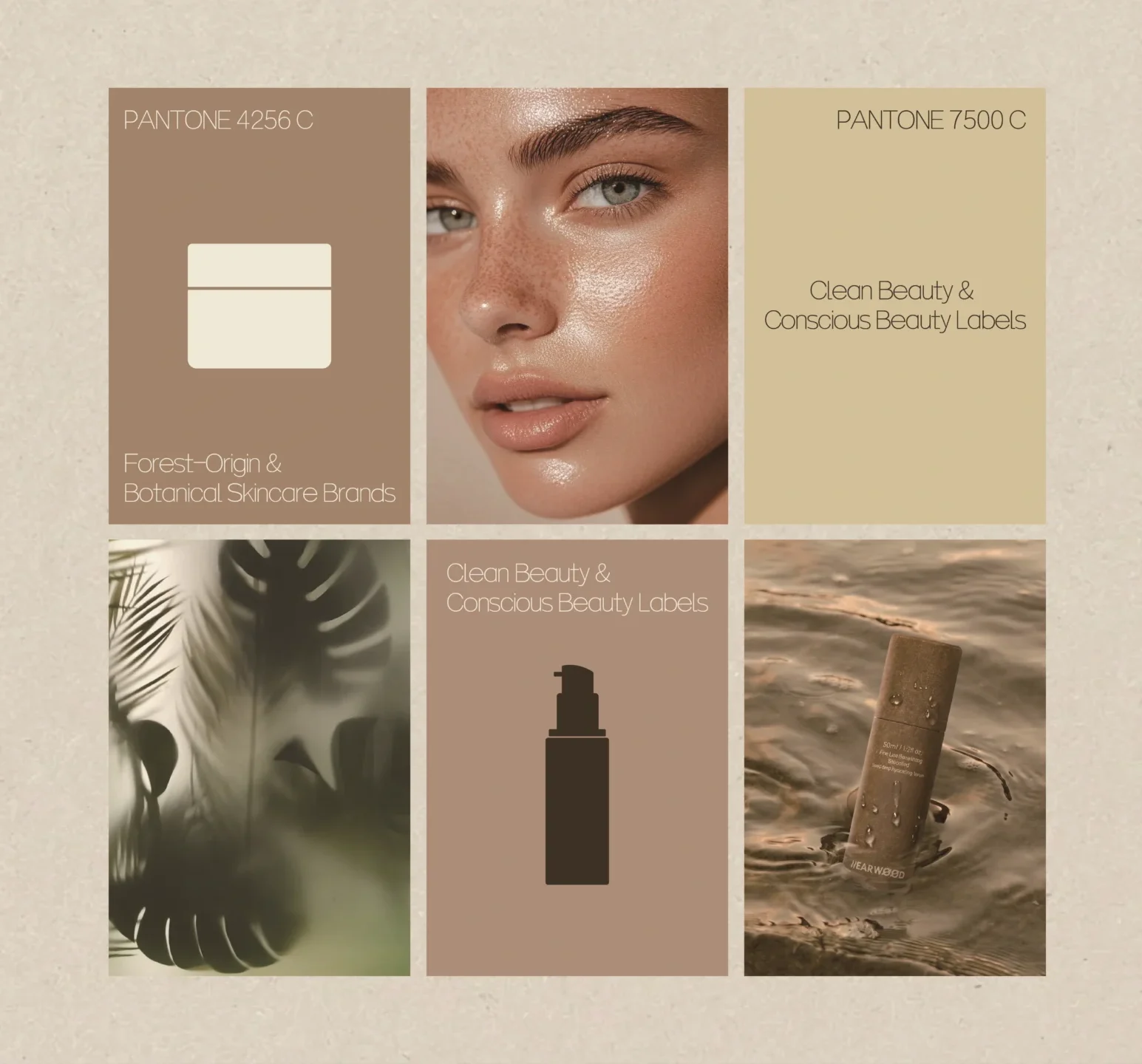
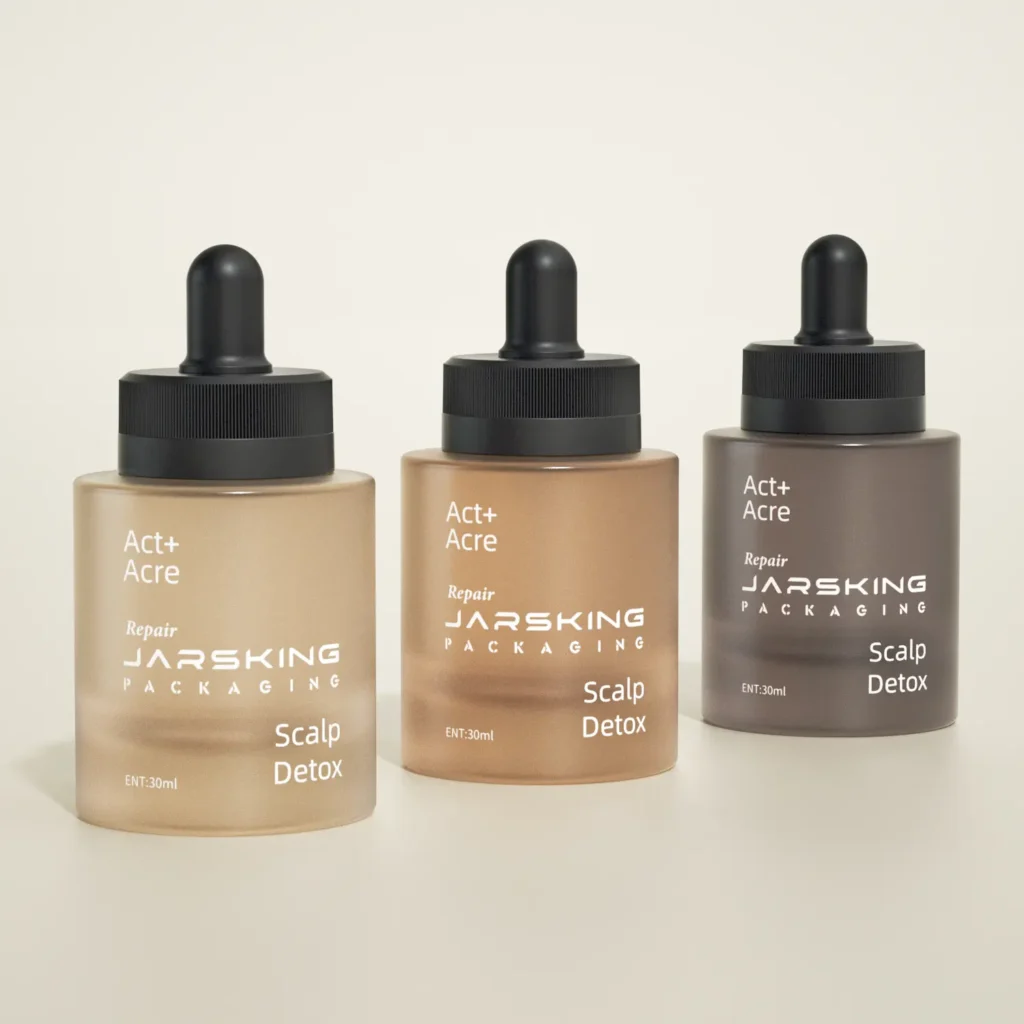
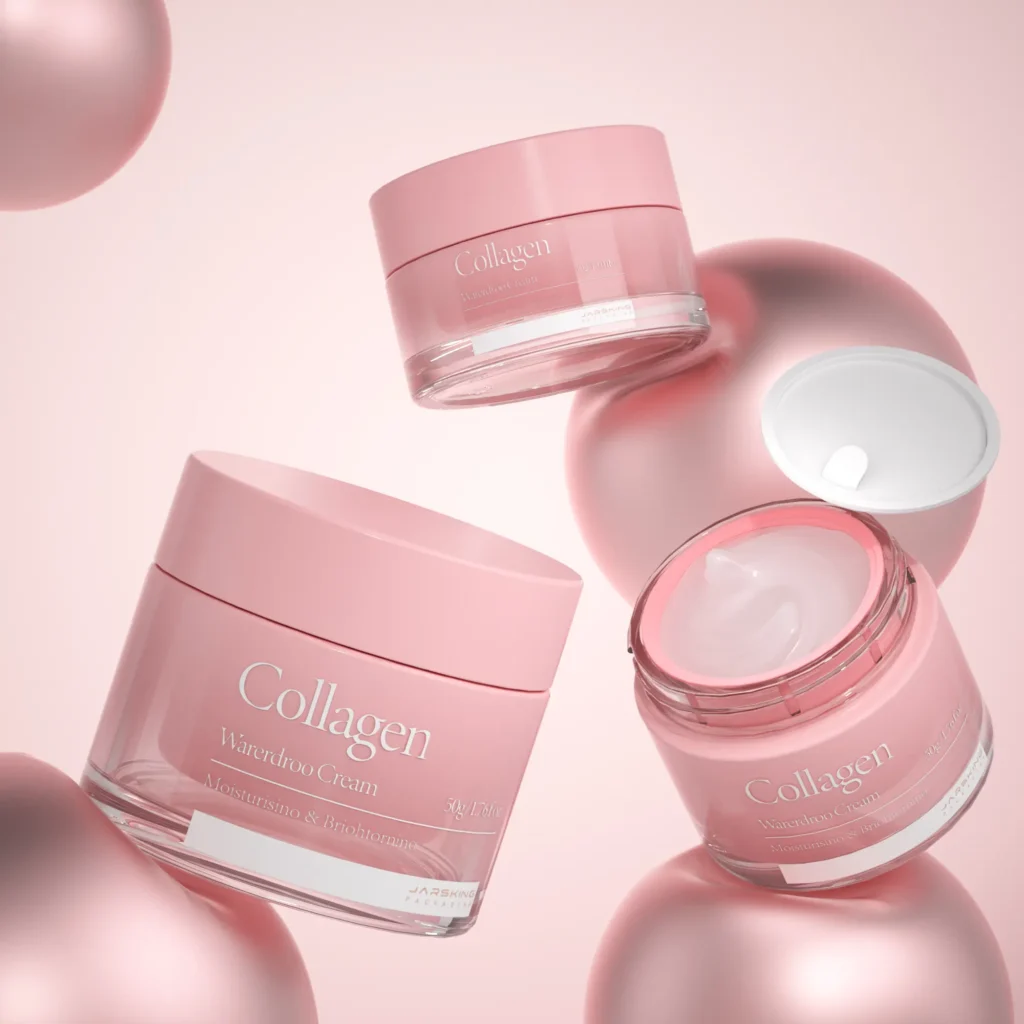
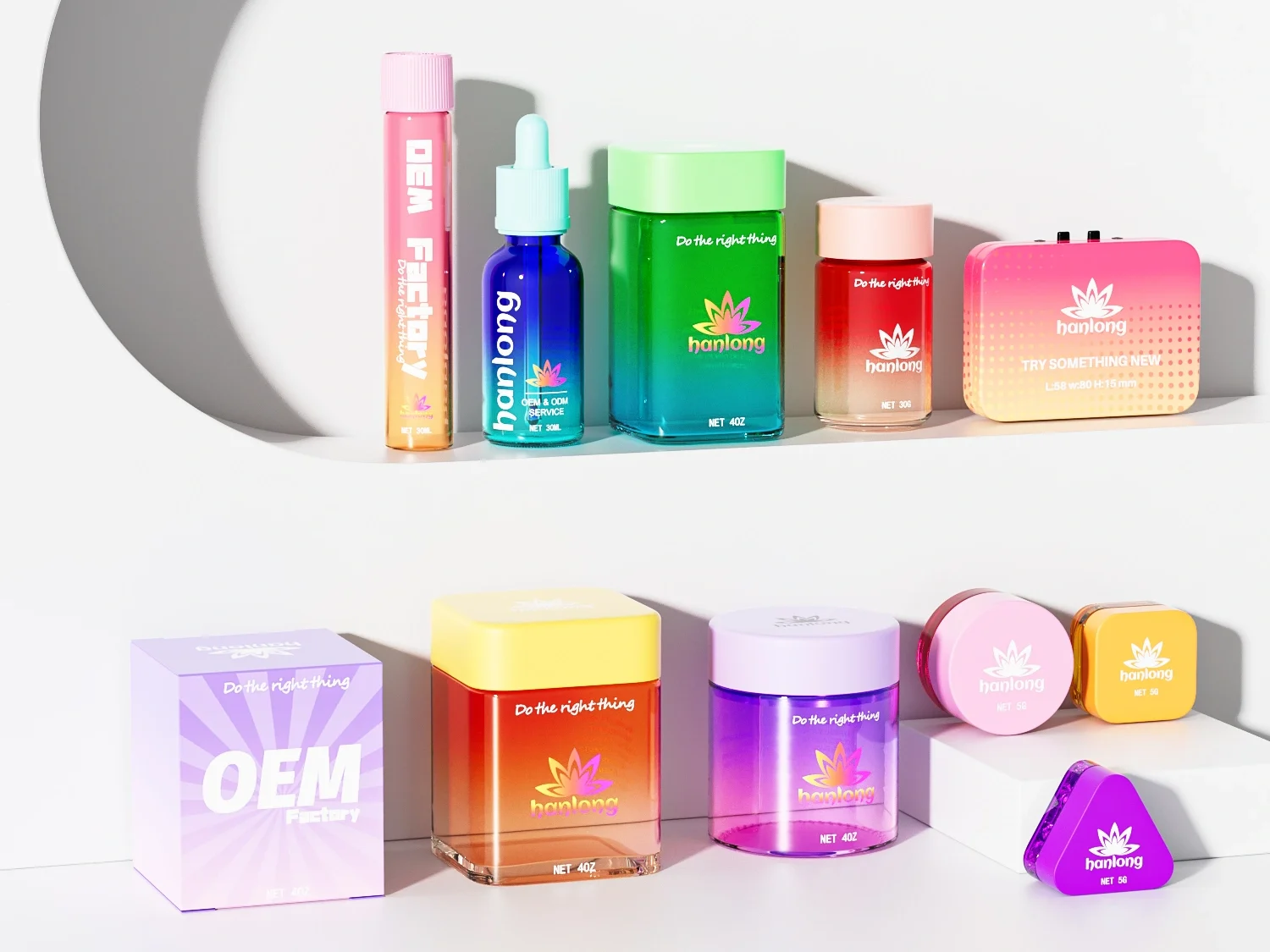
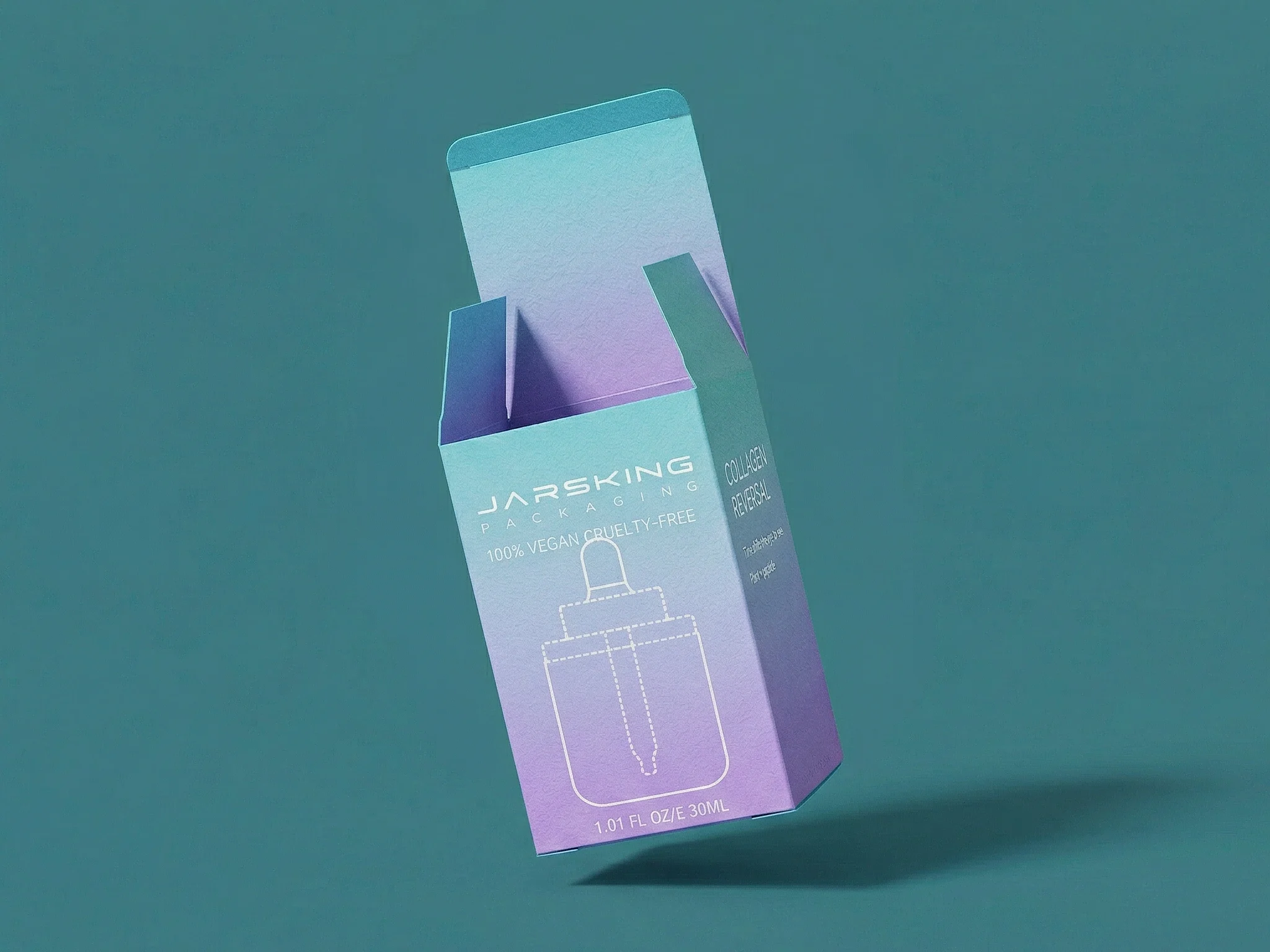
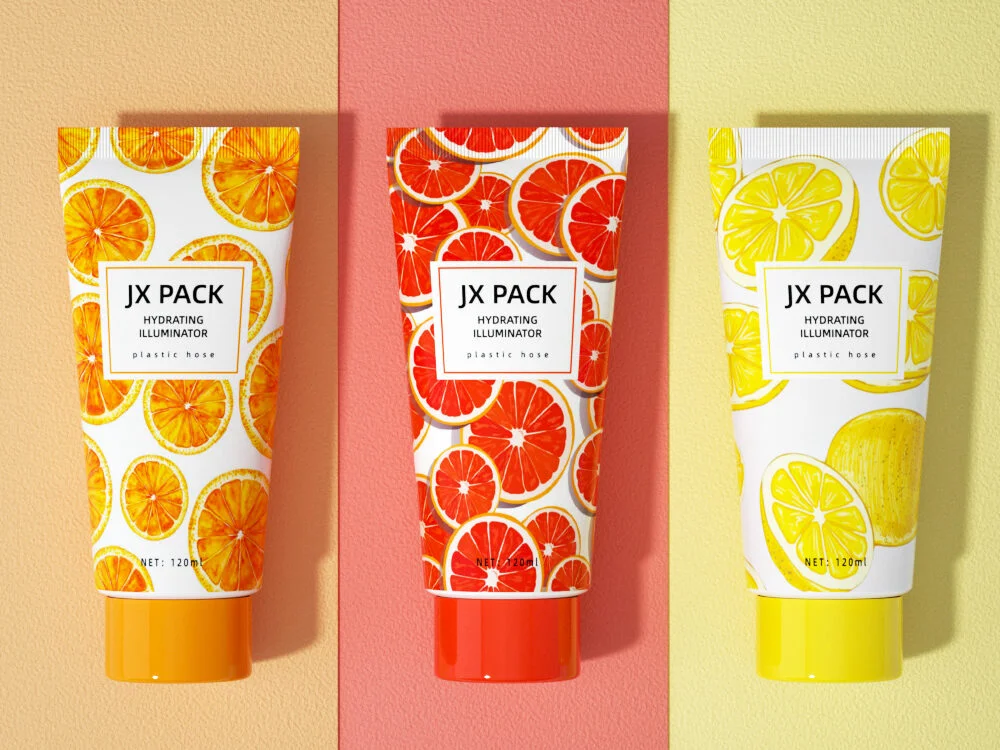
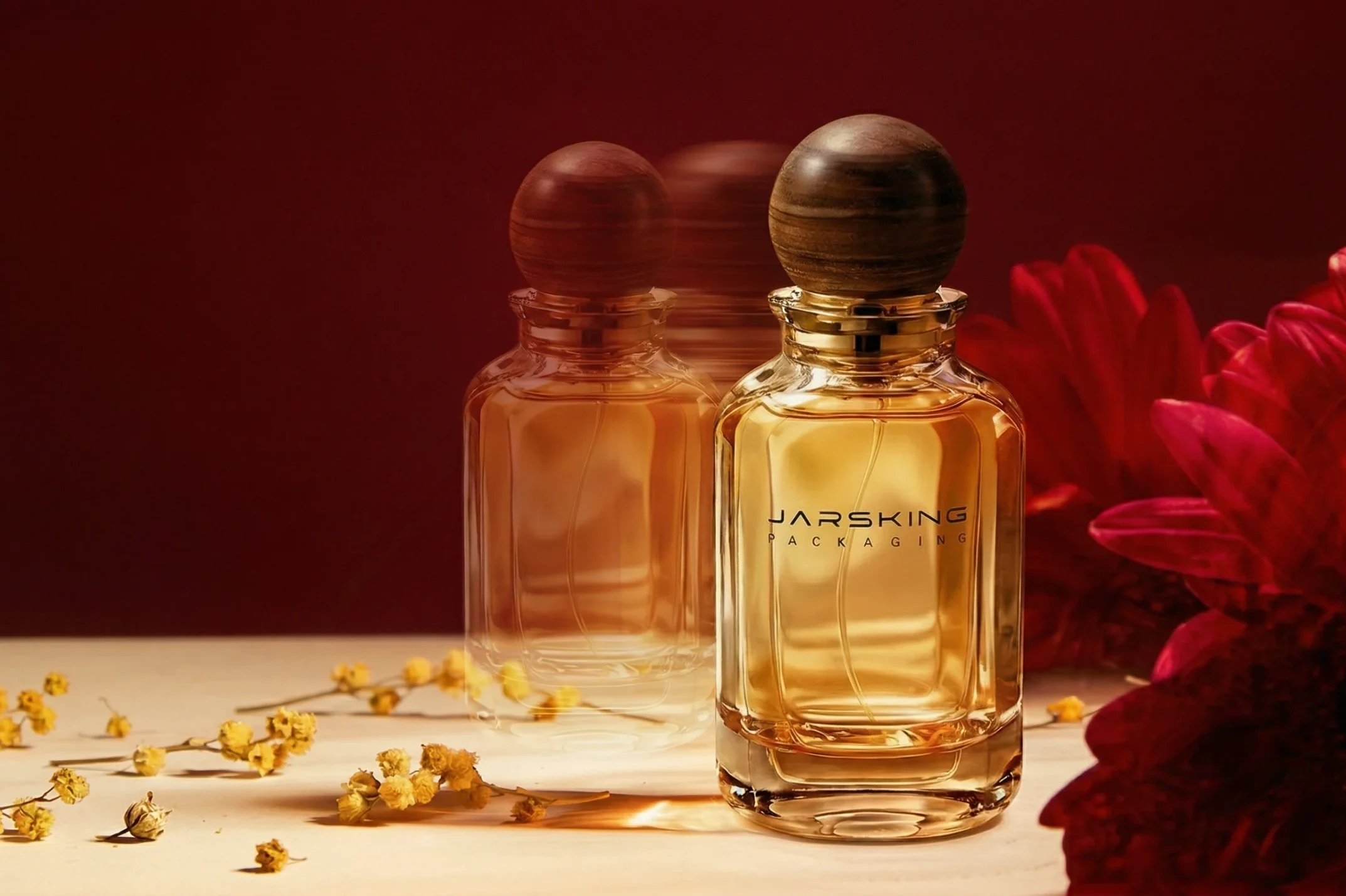
Check out Jarsking’s moodboard design from our branding department!
What a Packaging Moodboard Actually Is (and Is Not)
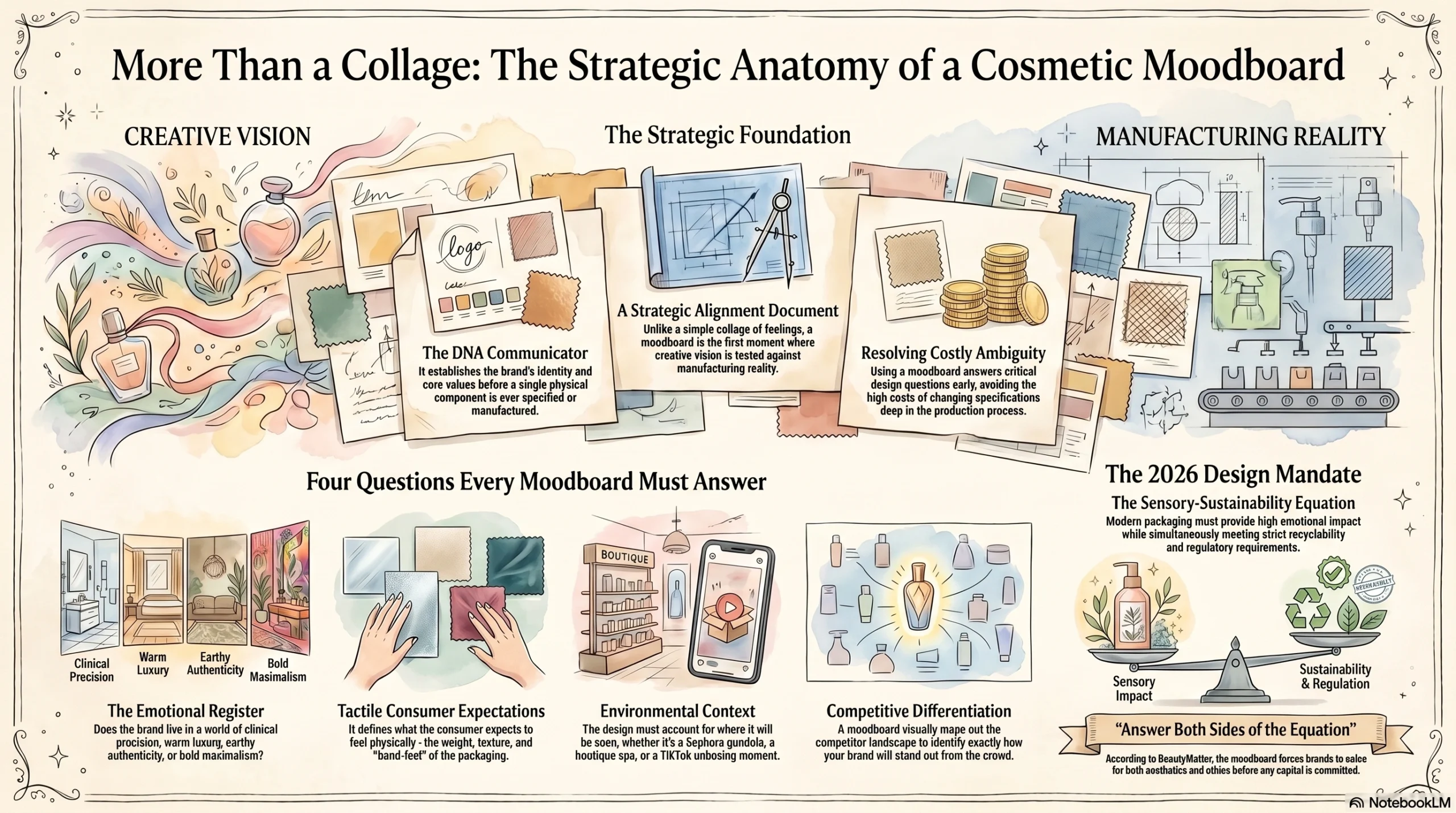
Most brand founders understand a moodboard as a visual collage — a mood, a feeling, a reference point. That is half right. In the context of cosmetic packaging design, a moodboard is a strategic alignment document. It is the first moment in the process where your creative intent meets manufacturing reality, and it does a job that no amount of email back-and-forth can replicate.
A packaging moodboard communicates your brand’s DNA before a single component is specified. It answers questions that are expensive to answer later:
What emotional register does your packaging live in — clinical precision, warm luxury, earthy authenticity, bold maximalism?
Who is your consumer, and what do they expect to hold in their hands?
Where does your product sit — a Sephora gondola, a boutique spa retail shelf, a DTC unboxing moment on TikTok?
What do your competitors’ packages look like, and how do you differ?
In 2026, these questions matter more than ever. According to ビューティーマター, beauty packaging must now balance emotional and sensory impact while simultaneously meeting recyclability and regulatory requirements. A moodboard forces your brand to answer both sides of that equation before any cost is committed.
What a Strong Packaging Moodboard Includes
A moodboard built for manufacturing partnership — not just creative inspiration — typically contains the following elements:
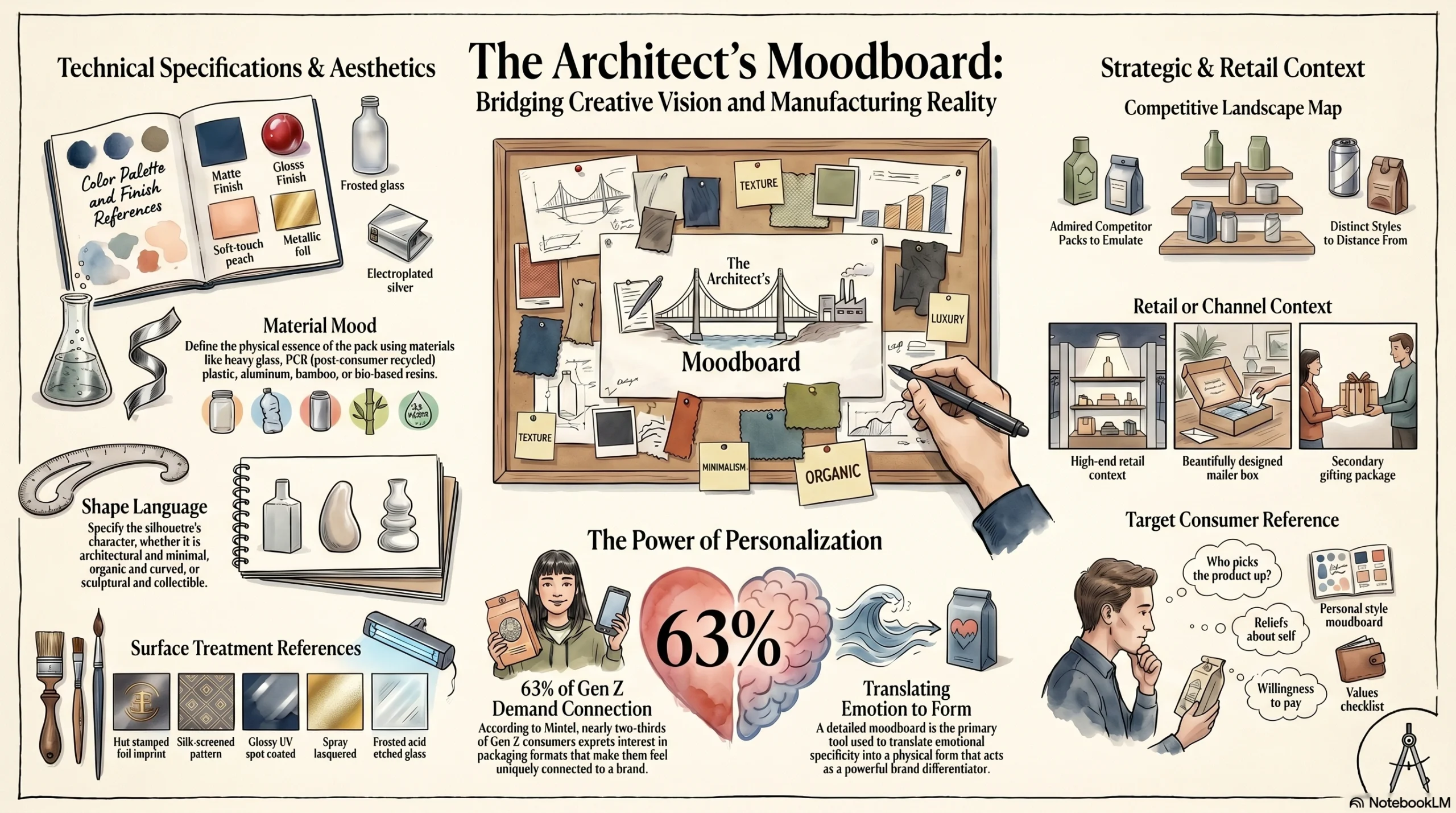
Color palette and finish references — matte, glossy, frosted, soft-touch, metallic, electroplated
Material mood — heavy glass, PCR (post-consumer recycled) plastic, aluminum, bamboo, bio-based resin
Shape language — architectural and minimal, organic and curved, sculptural and collectible
Surface treatment references — hot stamping, silk screen, UV spot coating, spray lacquer, frosted acid etching
Competitive landscape map — two or three competitor packs you admire, two or three you want to distance from
Retail or channel context — shelf context, mailer box experience, gifting and secondary packaging
Target consumer reference — who picks this up, what do they believe about themselves, what do they pay for
This is not busywork. This is the document that allows a manufacturer’s design team to respond with proposals that are grounded in what you actually need, not a generic catalog pitch. As ミンテル reports, personalization has become one of the most powerful differentiators in cosmetic packaging, with 63% of Gen Z consumers expressing interest in formats that make them feel uniquely connected to a brand. A moodboard is how that emotional specificity gets translated into physical form.
The Packaging Proposal: Turning Vision Into a Business Initiative
Once the moodboard is established and aligned between brand and manufacturer, it becomes the brief for a formal packaging proposal. This is where the creative vision becomes a business document — and where a one-stop manufacturing partner like Jarsking demonstrates its most critical value.
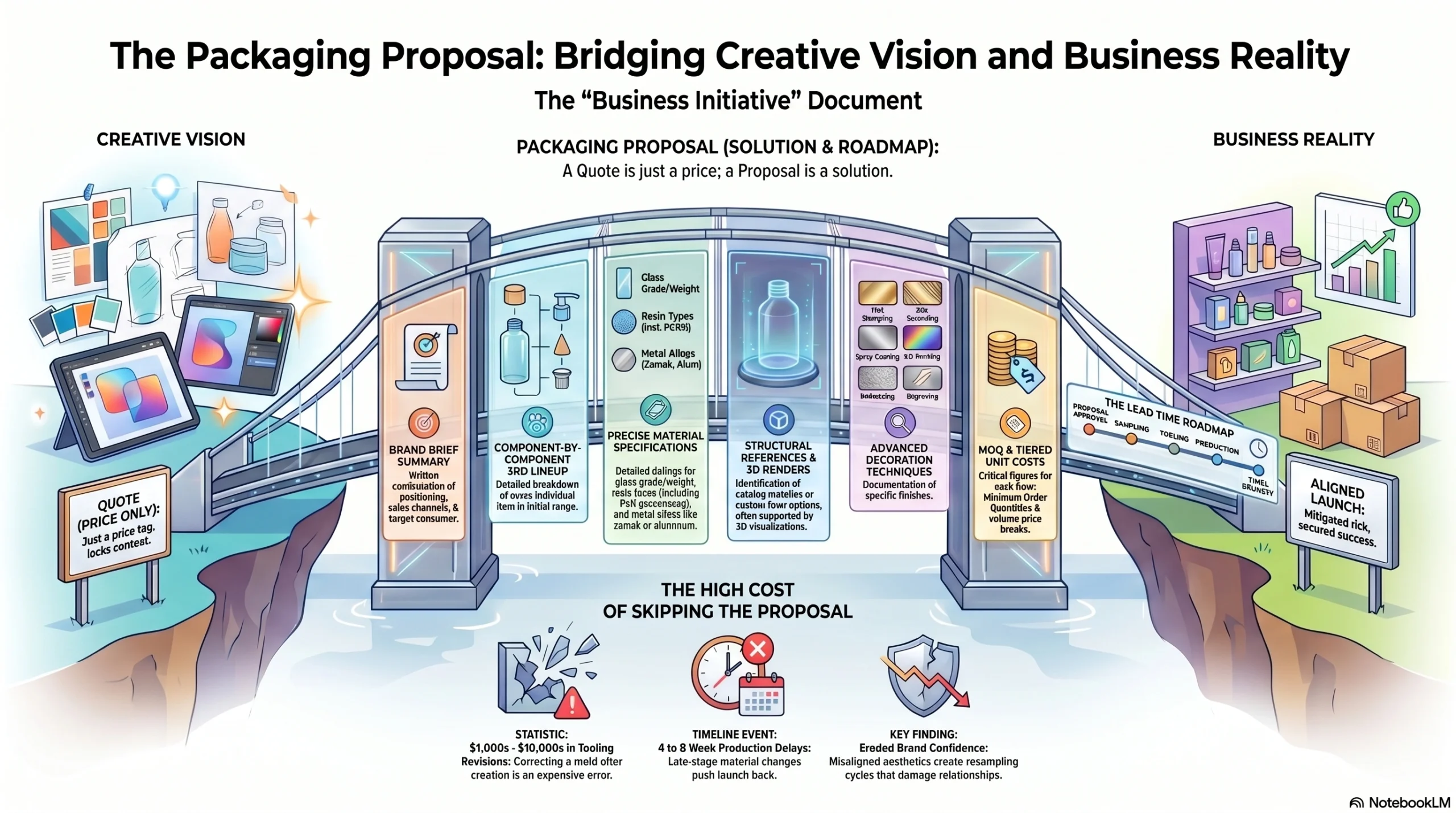
A packaging proposal is not a quote. A quote tells you what something costs. A proposal tells you what something is, why it is the right solution, and exactly what it will take to bring it to life. The distinction matters enormously, especially for brands navigating packaging for the first time.
What a Formal Packaging Proposal Includes
A comprehensive packaging proposal from a manufacturing partner should cover:
Brand brief summary — your positioning, channel, and target consumer, confirmed in writing
Proposed SKU lineup — a component-by-component breakdown of every item in your initial range
材料仕様 — glass grade and weight, resin type and PCR percentage, metal alloy (zamak vs. aluminum), finish and decoration options
Structural references — catalog matches or custom form options, with 3D renders where applicable
Decoration technique options — hot stamping, silk screening, spray coating, UV printing, embossing, engraving
MOQ (minimum order quantity) per component — a critical figure for cash flow planning at every brand scale
Lead time roadmap — from proposal approval through sampling, tooling (if custom), and production to delivery
Estimated unit cost range — with breakdowns at multiple order volume tiers
This document is the difference between a brand that launches on schedule and one that discovers its packaging won’t fit its formula at the sampling stage — eight weeks before its planned launch date.
Why Brands That Skip This Step Pay More
The cost of skipping the proposal stage is not theoretical. Tooling revisions after a mold has been created can cost anywhere from thousands to tens of thousands of dollars, depending on complexity. Late-stage material changes — switching from glass to plastic when the formula is heavier than anticipated, for example — delay production timelines by four to eight weeks. And misaligned aesthetics that only surface at the physical sampling stage create resampling cycles that erode brand confidence, damage manufacturer relationships, and push launch dates into more competitive retail windows.
The proposal stage eliminates the vast majority of these risks. It is an investment in alignment that pays back in speed, cost, and quality of output — every time.
Five Brand Situations That Make a Packaging Proposal Non-Negotiable
Every beauty brand is different. But the situations where a moodboard and packaging proposal make the biggest difference follow recognizable patterns. Here are the five most common — and what a one-stop manufacturing partner does differently in each one.
Situation 1: The Indie Startup Launching Their First SKU
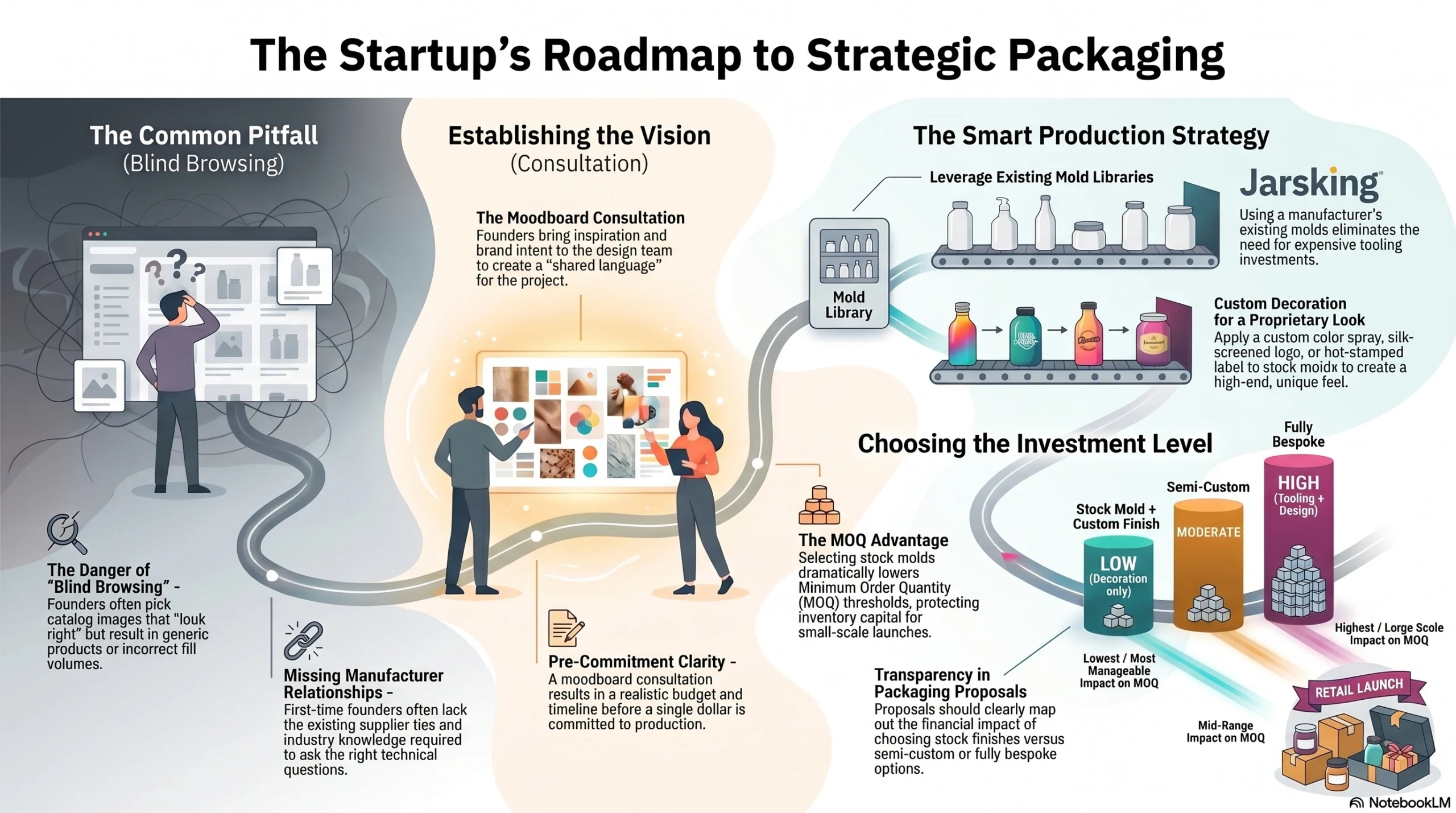
The first-time founder is typically navigating packaging without a background in manufacturing, without existing supplier relationships, and without a clear sense of what questions to even ask. The temptation is to browse catalog images online, pick something that “looks right,” and move forward. The result is almost always a product that looks slightly generic, arrives in the wrong fill volume, or doesn’t match the brand direction that the founder actually had in mind.
A moodboard consultation changes the dynamic entirely. Instead of browsing blind, the founder brings their inspiration and brand intent to the manufacturer’s design team. The moodboard becomes a shared language. The proposal that follows gives the founder a realistic budget, a real timeline, and a clear picture of their options — before a single dollar is committed to tooling or production.
For startup brands, MOQ is often the most critical variable in the proposal. One of the most practical — and budget-smart — routes for first-time founders is selecting from Jarsking’s existing mold library and applying a simple, brand-specific decoration: a custom color spray, a silk-screened logo, or a hot-stamped label. This approach eliminates tooling investment entirely, dramatically lowers MOQ thresholds, and still produces packaging that looks and feels proprietary. Low-minimum options across multiple components allow first-time brands to launch at a manageable scale without overcommitting inventory capital. Packaging proposals that map these options transparently — stock mold with custom finish vs. semi-custom vs. fully bespoke — give indie founders the financial clarity they need to make smart early decisions about where to invest and where to save.
Situation 2: The Scaling Brand Entering Retail (Sephora, Ulta, Target)
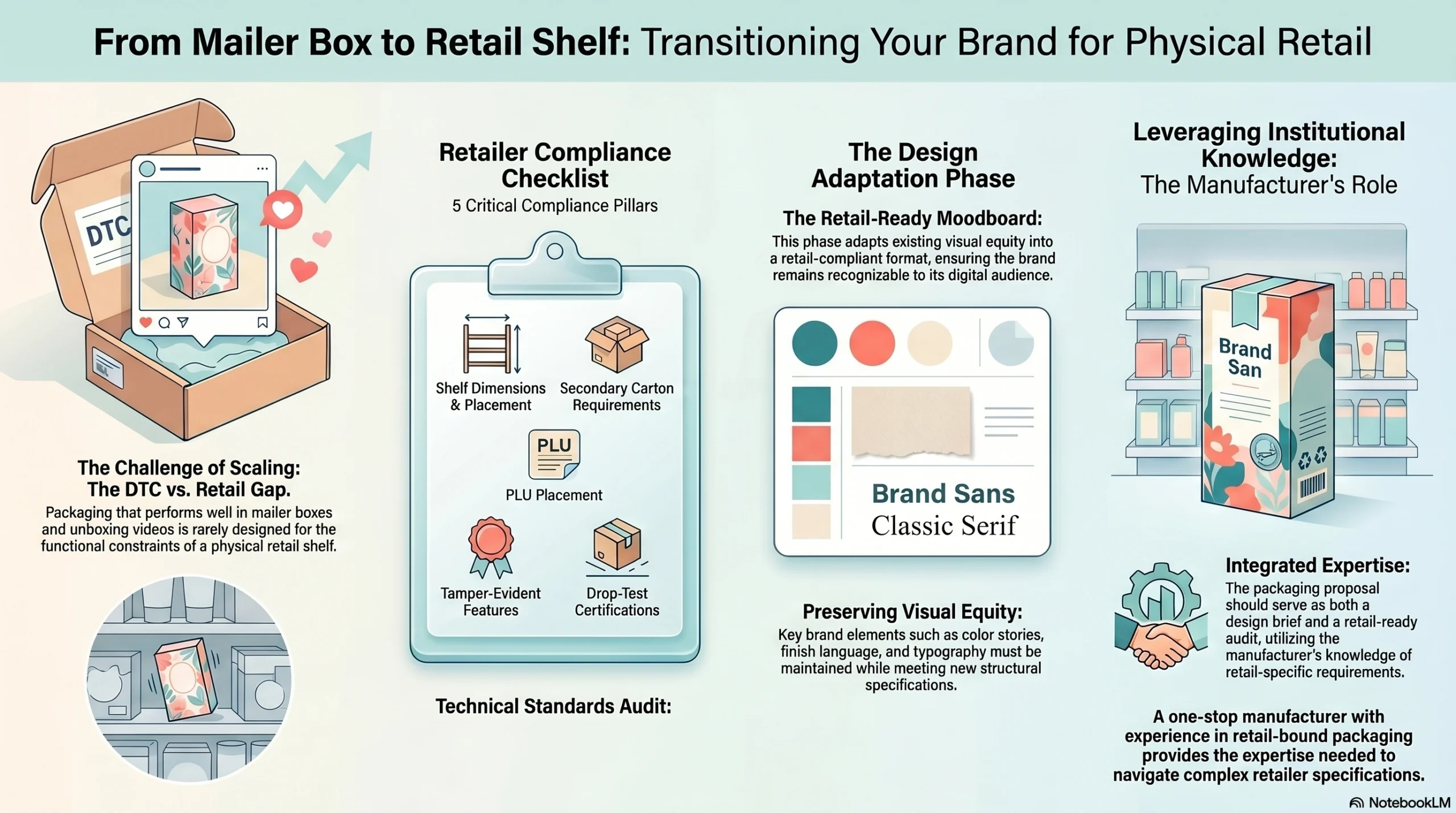
A brand that grew successfully through DTC or Instagram will often discover that its existing packaging — which performed beautifully in mailer boxes and unboxing videos — was never designed for a retail shelf. Retailer compliance is a separate discipline: shelf dimensions, secondary carton requirements, PLU placement, tamper-evident features, and drop-test certification are all standards that major retailers enforce strictly.
The packaging proposal for a retail-entry brand needs to function as a retail-ready audit as much as a design brief. The moodboard phase adapts the brand’s existing visual equity — the color story, finish language, and typography it has already built consumer recognition around — into a format that meets retailer specifications without losing what makes the brand distinctive.
A one-stop manufacturer who has fulfilled retail-bound packaging across multiple categories carries institutional knowledge about these requirements. That expertise belongs in the proposal.
Situation 3: The Established Brand Launching a New Line or Sub-Brand
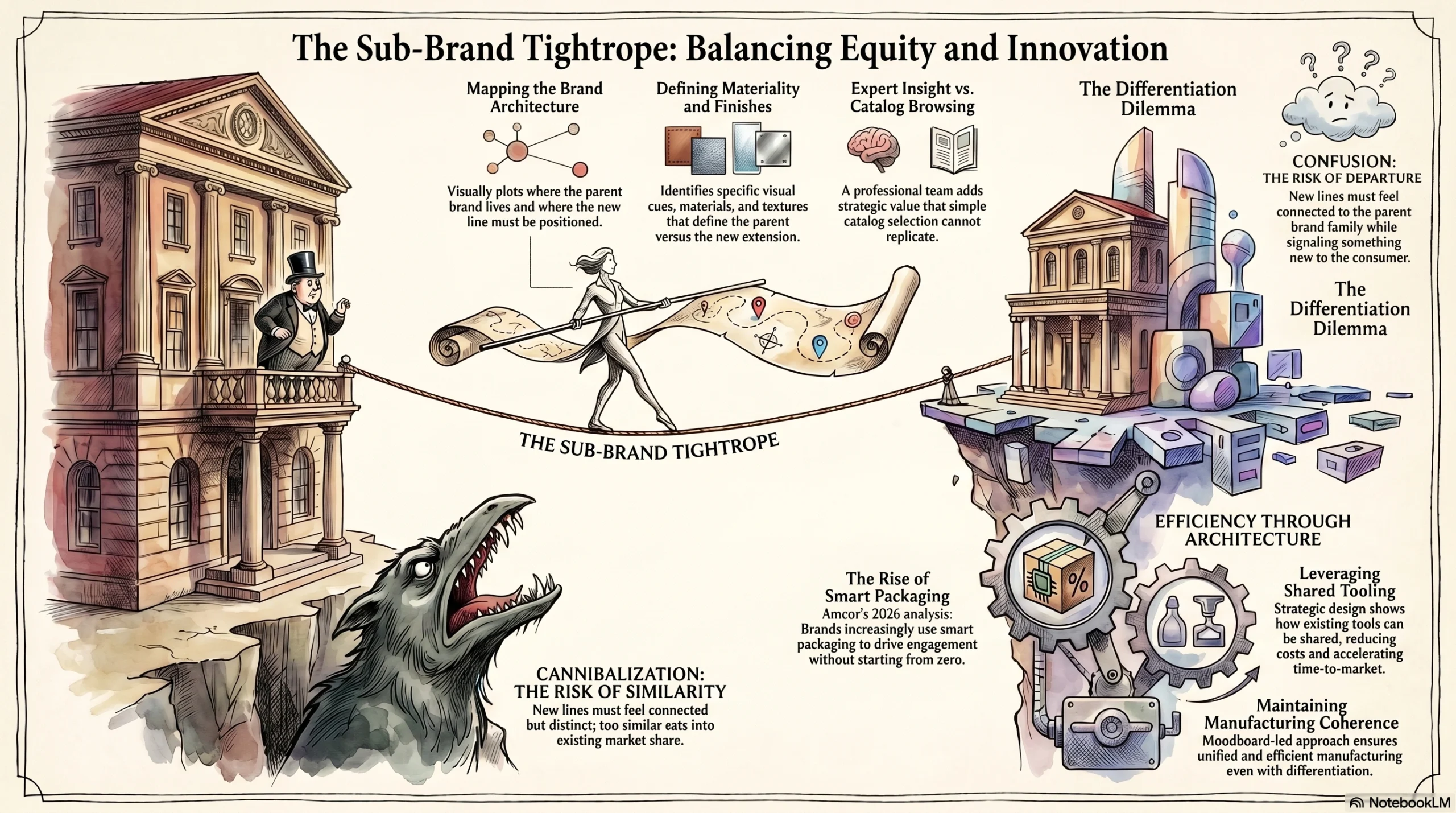
An established beauty brand launching a line extension or sub-brand faces a different kind of problem: too much brand equity to ignore, and not enough differentiation to justify a new launch. The new line must feel connected to the parent brand family while signaling something genuinely new to the consumer. Get it wrong in either direction — too similar, or too disconnected — and the launch cannibalizes or confuses rather than grows.
This is precisely where the moodboard process, handled by an experienced design team, adds strategic value that a catalog browse cannot replicate. The moodboard workshop maps the ブランドアーキテクチャ visually: where the parent brand lives, what materials and finishes define it, and where the new line needs to position itself within that system. The proposal then shows how existing tooling can be adapted or shared with the new line — reducing investment and accelerating timelines while maintaining manufacturing coherence.
According to Amcor’s 2026 beauty packaging analysis, brands developing new product lines are increasingly looking to smart packaging design to elevate brand perception and drive consumer engagement without starting from zero. A moodboard-led proposal is the mechanism that makes that possible in practice.
Situation 4: The Private Label Brand Competing on Packaging
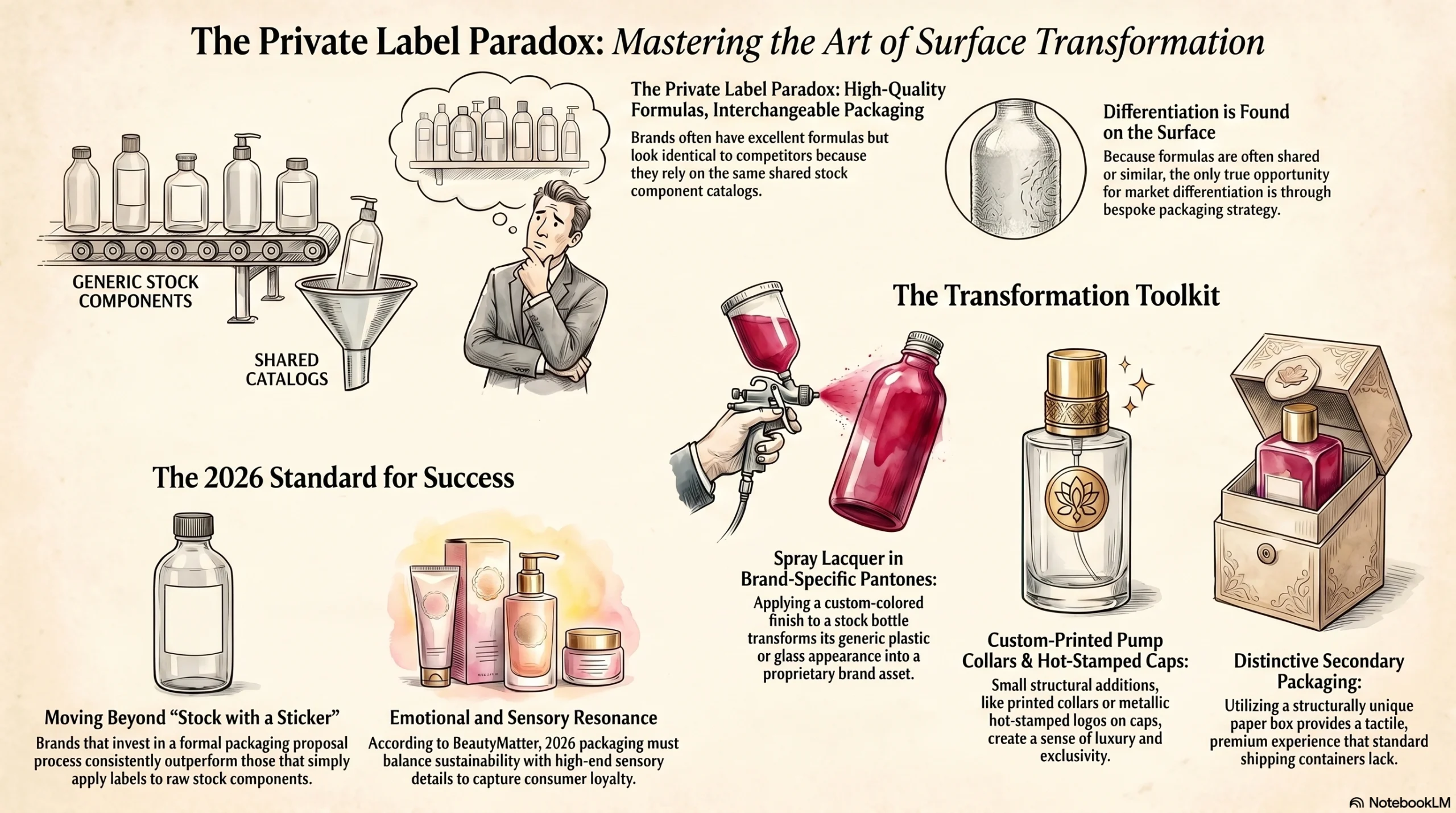
Private label and white-label beauty brands face a paradox: they often have access to excellent formulas, but their packaging — typically sourced from a shared stock catalog — makes them look interchangeable with every other private label brand on the shelf. The differentiation opportunity is not in the formula. It is entirely in the packaging.
A moodboard for a private label brand should be built around surface transformation strategy: how color, finish, print, and secondary packaging can take a stock component and turn it into something that reads as proprietary. Spray lacquer in a brand-specific Pantone, a custom-printed pump collar, a structurally distinct paper box, a hot-stamped logo on a cap — these are the tools that create perceived exclusivity without the cost of custom tooling.
The packaging proposal translates that moodboard into a decoration and secondary packaging specification that tells the full brand story. In a market where, as BeautyMatter notes, beauty packaging in 2026 must deliver emotional and sensory resonance alongside sustainability credentials, a private label brand that invests in a proper proposal process will consistently outperform one that ships stock components with a sticker.
Situation 5: The Luxury or Prestige Brand with Zero Tolerance for Surprises
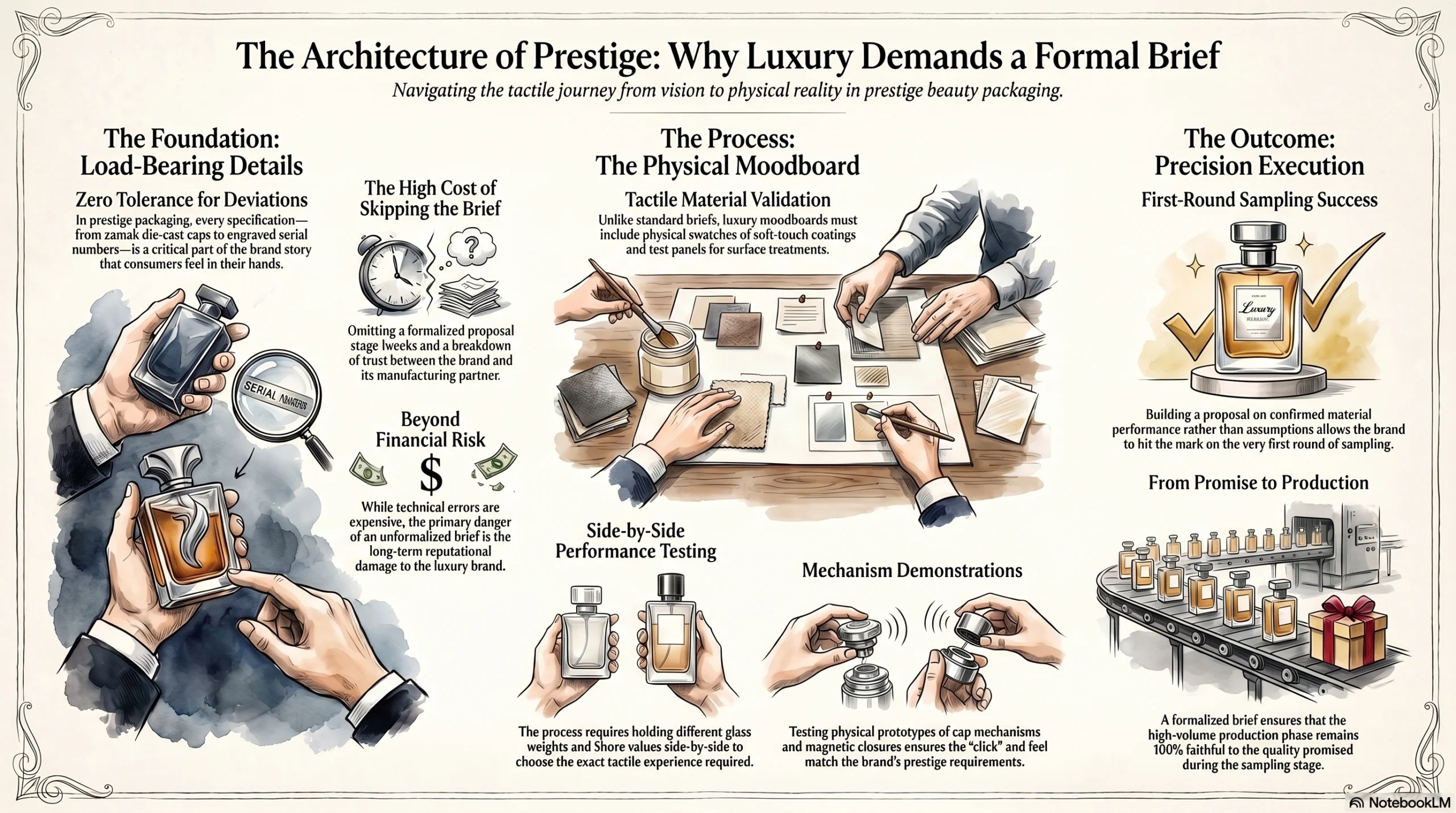
Luxury beauty packaging operates in a different register entirely. Heavy-wall glass, zamak die-cast caps, soft-touch lacquer with precise Shore hardness, magnetic closures, engraved serial numbers — every detail is load-bearing, and every deviation from spec is a brand story that the consumer will notice in their hands.
The stakes of skipping the proposal stage at the prestige level are not just financial. They are reputational. A luxury brand that receives sampling that doesn’t match the moodboard brief — because the brief was never formalized — has lost weeks of lead time and damaged the trust relationship with its manufacturing partner at the most sensitive stage of development.
The moodboard process for a luxury brand goes further than visual reference. It includes physical material samples: swatches of soft-touch coating in two Shore values, three glass weights held side by side, cap mechanism demonstrations, and surface treatment test panels. These physical touchpoints ensure that the proposal that follows is built on confirmed material performance, not assumed interpretation. The result is sampling that hits on the first round — and production that delivers what the sampling promised.
Jarsking's One-Stop Process: From Ideation to Delivery
The phrase “one-stop packaging manufacturer” is used widely in the industry. But true one-stop capability is not about offering a long product catalog. It is about 垂直統合 — owning every critical step of the packaging journey under one roof, with one accountable team, and one seamless thread of communication from the first moodboard session to the moment a delivery lands at your warehouse.
Here is how that journey works at Jarsking:
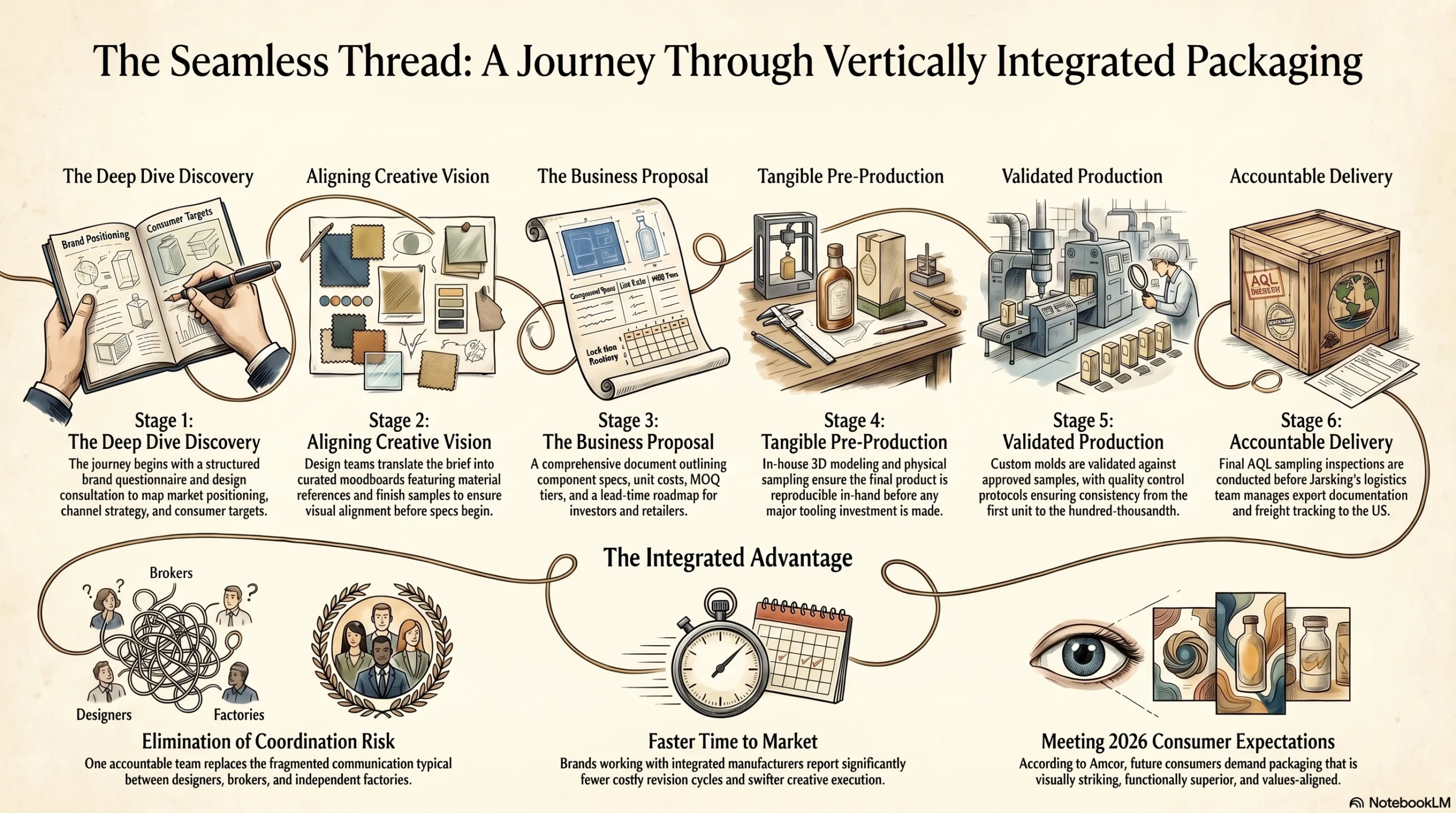
Stage 1: Discovery and Brand Brief
The process begins with a structured brand questionnaire and a design consultation. Your team shares your market positioning, target consumer, channel strategy, and reference images. Jarsking’s design team documents the brief, asks the questions your brief didn’t answer, and maps the initial parameters of the project.
Stage 2: Moodboard and Concept Presentation
Jarsking’s design team translates the brief into a curated moodboard — visual direction with material references, finish samples, form language, and competitive positioning. This is presented to your team for alignment before any specification work begins. This stage is where the creative vision becomes shared property between brand and manufacturer.
Stage 3: Packaging Proposal
Based on the aligned moodboard, Jarsking delivers a full packaging proposal: component specifications, material options, decoration techniques, MOQ tiers, unit cost estimates, and a lead time roadmap from proposal approval through production to delivery. This is your business document — the one you bring to your investor, your ops team, and your retailer.
Stage 4: Sampling and Pre-Production
Physical samples are produced and shipped for your team’s approval. Jarsking’s in-house sampling capability — including 3D modeling, rendering, and physical prototyping — means that what you see in the proposal is reproducible in your hand before any tooling investment is made.
Stage 5: Tooling and Full Production
For custom components, molds are created and validated against the approved sample. For stock components with custom decoration, the decoration process is set up and proofed. Full production runs are managed under quality control protocols that ensure consistency from unit one to unit one hundred thousand.
Stage 6: QC, Export, and Delivery
Pre-shipment inspection using AQL (Acceptance Quality Level) sampling standards confirms that your production run meets spec before it leaves the factory. Freight coordination and export documentation are handled by Jarsking’s logistics team, with tracking visibility through to US delivery.
This is what one-stop service means in practice: not a product catalog, but a process architecture that removes the coordination risk between designers, brokers, factories, and freight forwarders — and puts one accountable team in charge of the outcome.
The result is measurable. Brands working with vertically integrated one-stop manufacturers consistently report faster time to market, fewer costly revision cycles, and stronger alignment between their creative intent and their finished product. In a market where, according to Amcor, consumer expectations in 2026 are demanding packaging that is visually striking, functionally superior, and values-aligned, that speed and coherence is a genuine competitive advantage.
What to Prepare Before You Approach a Packaging Manufacturer
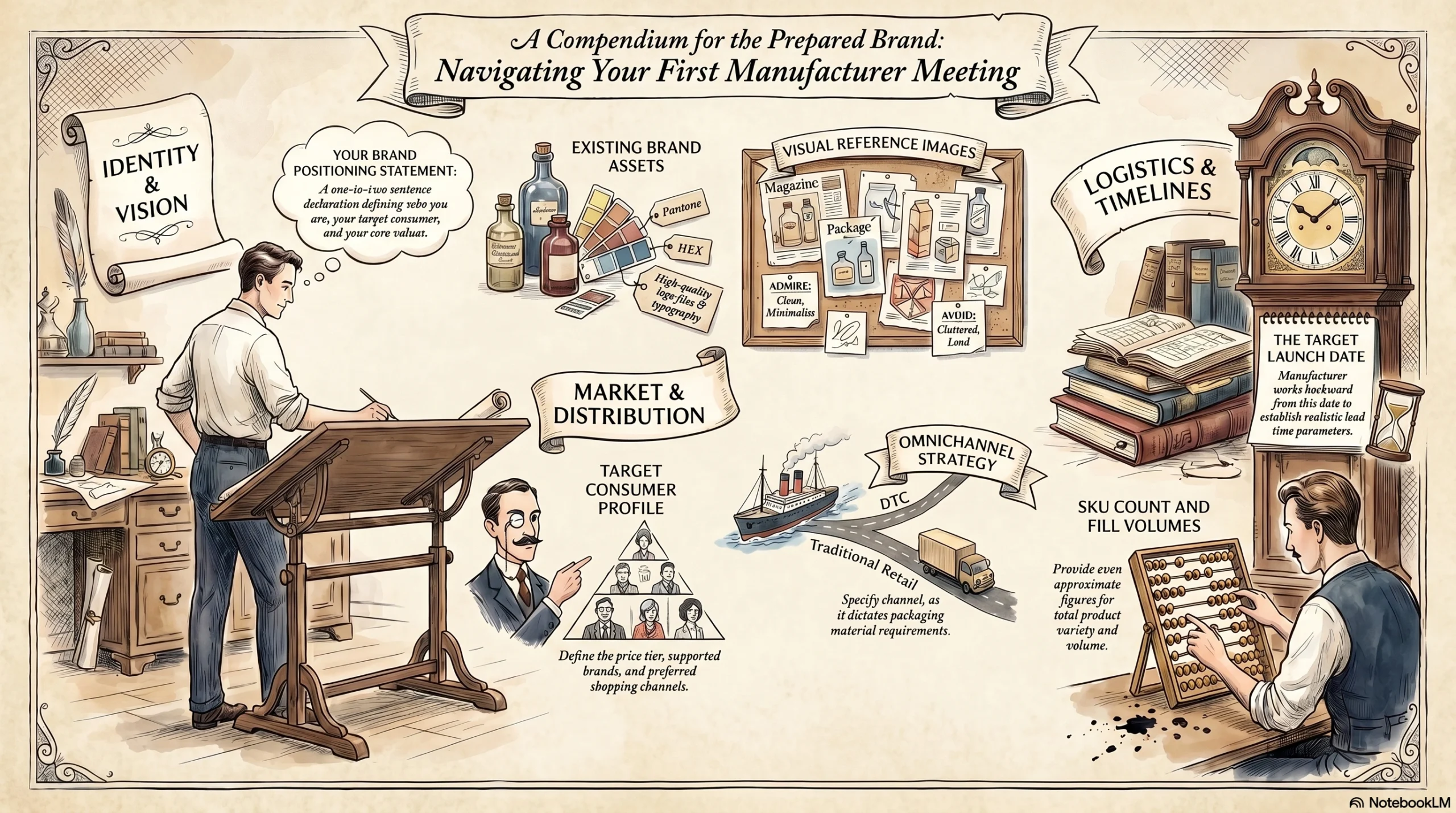
The moodboard and proposal process works best when the brand comes prepared. Here is what to bring to your first conversation with a packaging partner:
Your brand positioning statement — one or two sentences that describe who you are, who your consumer is, and what you stand for
A target consumer profile — including the price tier your consumer shops, the channels they use, and the brands they already love
Your SKU count and fill volumes — even approximate figures help narrow the component options immediately
Existing brand assets — logo files, brand color codes (Pantone or HEX), typography guidelines
参照画像 — packaging you admire の三脚と packaging you want to distance from; both are equally useful
Your target launch date — working back from this date creates the lead time parameters your proposal must work within
Your channel strategy — DTC, retail, both; each channel shapes the packaging brief in material ways
The more specific your brief, the faster and more precise the moodboard and proposal will be. You do not need to have all the answers — that is what the design team is for. But the clearer your brand intent, the more productively the process moves.
The Business Case for Getting This Right
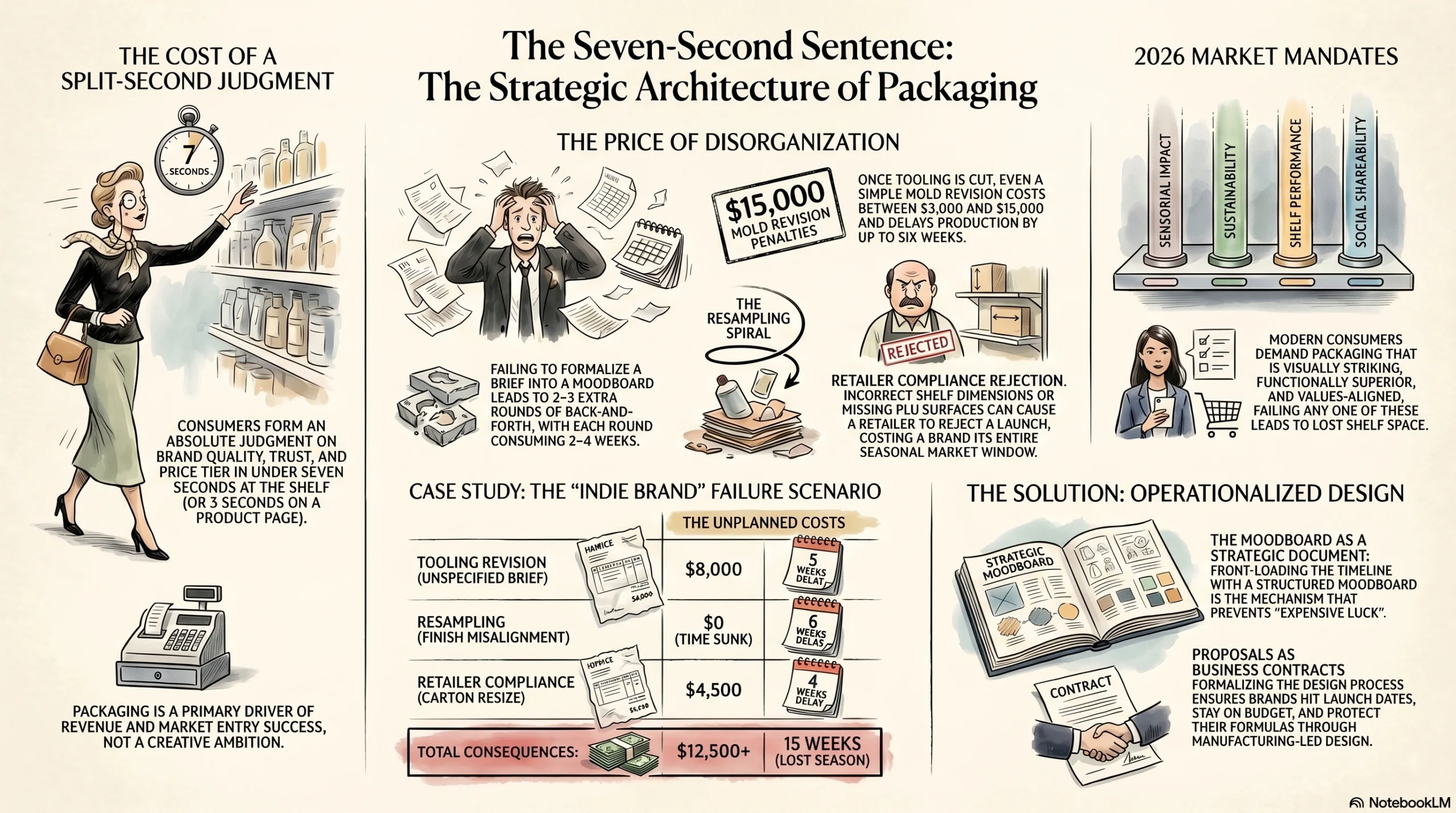
Packaging is not the last step in a product launch. It is the first decision your consumer makes about your brand — made in under seven seconds at the shelf or in the three seconds before they scroll past your product page. That split-second judgment is shaped entirely by what your packaging communicates: quality, trust, price tier, and brand personality. Getting that communication right is not a creative ambition. It is a revenue driver.
The financial consequences of getting it wrong are specific and significant. A mold revision after tooling has been cut costs between $3,000 and $15,000 depending on complexity, and delays production by four to six weeks. A packaging redesign triggered by a retailer compliance rejection — wrong shelf dimensions, no PLU placement surface, missing secondary carton — can push a planned retail launch back by an entire season, costing the brand its buyer relationship and its market window simultaneously. A resampling cycle caused by misaligned aesthetics — because the brief was never formalized into a moodboard and proposal — typically adds two to three rounds of back-and-forth, each round consuming two to four weeks and eroding trust between brand and manufacturer.
These are not edge cases. They are the default outcome when brands treat packaging as a procurement task rather than a design-and-manufacturing initiative.
The Numbers That Justify the Process
Consider a realistic scenario for a scaling indie brand:
Planned launch: Q3 retail entry with a hero SKU and two supporting products
Tooling revision (one mold change due to unspecified brief): $8,000 + 5-week delay
Resampling cycle (two rounds due to finish misalignment): 6 weeks lost
Retailer compliance correction (carton resize for shelf fit): $4,500 reprint + 4-week delay
Total unplanned cost: $ 12,500 +. Total time lost: 15週間 — enough to miss the Q3 window entirely and default to Q1 of the following year, with a buyer who has already filled the shelf slot.
A structured moodboard and proposal process — front-loaded into the packaging timeline — eliminates the vast majority of these costs before they occur. It is not an added expense. It is the mechanism by which the real expenses are prevented.
What the Market Demands in 2026
The competitive context makes disciplined packaging development even more urgent. According to BeautyMatter, the best-performing beauty packages in 2026 must simultaneously deliver sensorial impact, sustainability credentials, retail shelf performance, and social shareability. According to Amcor, consumer expectations now demand packaging that is visually striking, functionally superior, and values-aligned — and brands that fail to meet all three criteria are losing shelf space and consumer loyalty to competitors who do. Meeting that four-way standard without a moodboard and proposal process is, at best, expensive luck.
The brands that operationalize packaging development — that treat the ムードボード as a strategic document and the proposal as a business contract — are the brands that hit their launch dates, stay within budget, and arrive at market with packaging that does exactly what it was designed to do: communicate their brand story, protect their formula, and compel the consumer to reach for it first.
Conclusion: Your Packaging Vision Deserves a Partner, Not Just a Factory
The most important thing a beauty brand can understand about packaging is this: the quality of your final product is largely determined by the quality of your brief. A moodboard that captures your brand’s intent with specificity, a proposal that translates that intent into manufacturable reality, and a one-stop partner who owns the entire journey — these are not luxuries reserved for large brands with large budgets. They are the process fundamentals that separate successful launches from costly, time-consuming corrections.
Whether you are a founder launching your first serum, a scaling brand preparing for its Sephora debut, an established house launching a new line, a private label brand fighting for shelf distinction, or a prestige marque with zero tolerance for deviation — the moodboard and proposal process exists to serve your specific situation.
Ready to translate your vision into packaging that performs? Share your moodboard inspiration with the Jarsking design team and receive a custom packaging proposal tailored to your brand, your scale, and your timeline. Contact Jarsking today to get started.
よくあるご質問
A packaging moodboard is a strategic alignment document that captures your brand’s visual direction, material preferences, finish references, and competitive positioning before any component is specified or cost is committed. Beauty brands need one because it creates a shared language between the brand team and the manufacturer — eliminating the costly misalignments in aesthetics, material, and structure that typically surface at the sampling stage. A moodboard-led process consistently reduces the number of resampling rounds required and gets brands to a confirmed packaging specification faster.
A cosmetic packaging proposal is a formal business document that translates your moodboard brief into a manufacturable plan. It includes a component-by-component SKU breakdown, material specifications (glass grade, resin type, PCR percentage, finish), decoration technique options (hot stamping, silk screen, spray coating), MOQ tiers per component, estimated unit costs at multiple volume levels, and a lead time roadmap from proposal approval through sampling, production, and delivery. It is not a quote — it is a complete picture of what your packaging will be, what it will cost, and when it will be ready.
MOQ varies depending on whether you are ordering from an existing mold with custom decoration or commissioning a fully custom mold. For startup and indie brands, selecting from a manufacturer’s existing mold library and applying simple decoration — a custom color spray, a silk-screened logo, or a hot-stamped label — typically carries the lowest MOQ thresholds like 5k~10k pcs and eliminates tooling investment entirely.
The full timeline from initial moodboard consultation to delivery depends on whether custom tooling is required. A stock mold with custom decoration typically runs 6 to 10 weeks from proposal approval to delivery — covering sampling, decoration setup, production, QC, and freight. A fully custom mold adds a tooling phase of 4 to 6 weeks on top of that, bringing the total to 10 to 16 weeks. Building this roadmap into the proposal stage is essential for brands working toward a fixed retail buyer meeting or product launch date.
Yes — and this is precisely where a one-stop manufacturer creates the most value. A vertically integrated partner like Jarsking manages the entire process in-house: brand brief, moodboard development, packaging proposal, structural design, sampling, tooling, full production, quality control, and freight coordination. This eliminates the coordination risk that occurs when brands manage separate design agencies, packaging brokers, and factories — where decisions made at the design stage are disconnected from manufacturing reality, and accountability for the outcome is fragmented across multiple parties.
No — and in fact, approaching a manufacturer too late in the design process is one of the most common and costly mistakes beauty brands make. The ideal starting point is a moodboard: a collection of visual references, material preferences, and brand positioning context that gives the manufacturer’s design team enough to work with. Fully resolved technical drawings are not needed at this stage. The packaging proposal process is specifically designed to take a creative brief and develop it into a manufacturable specification — which means your manufacturer’s expertise should be shaping the design from the beginning, not validating it at the end.