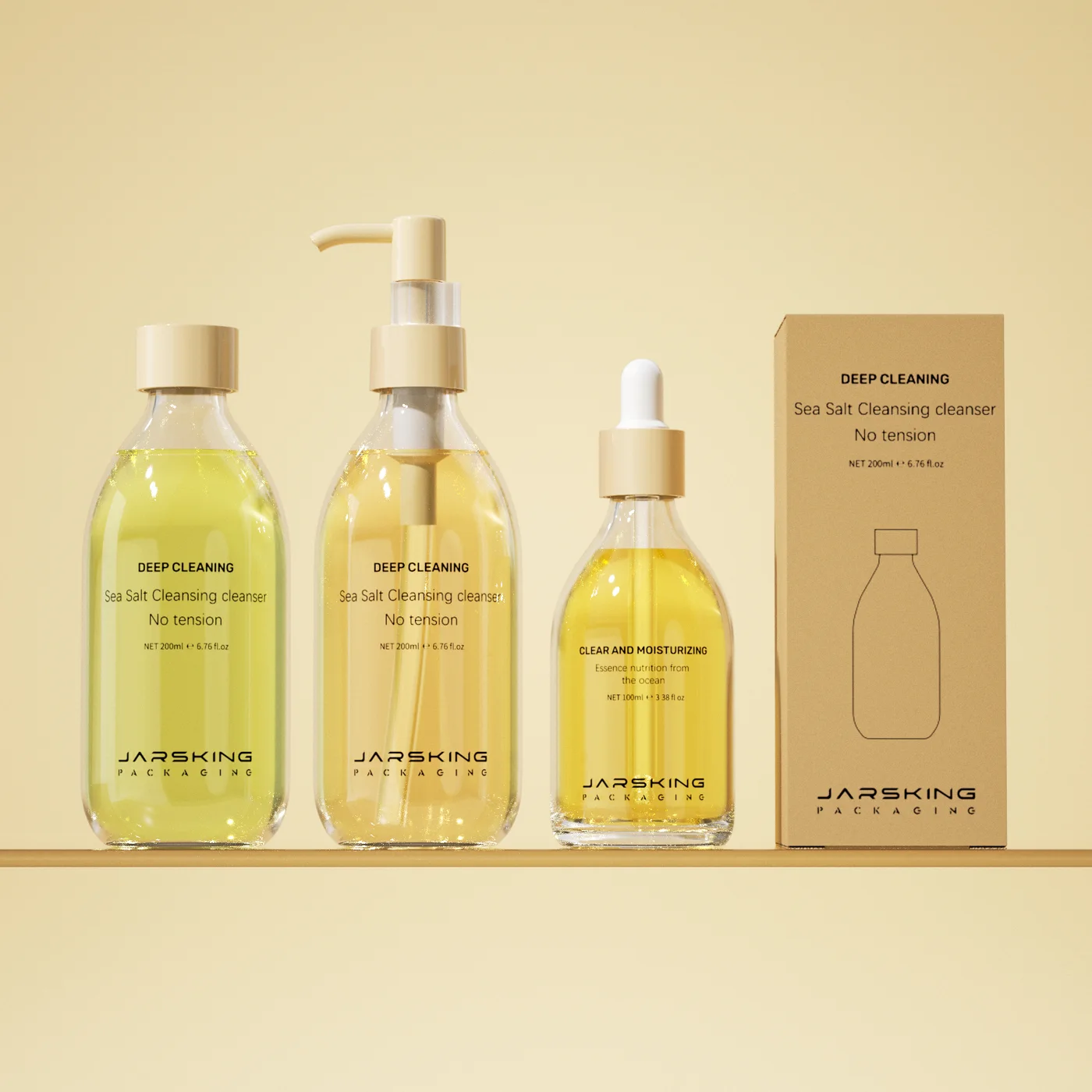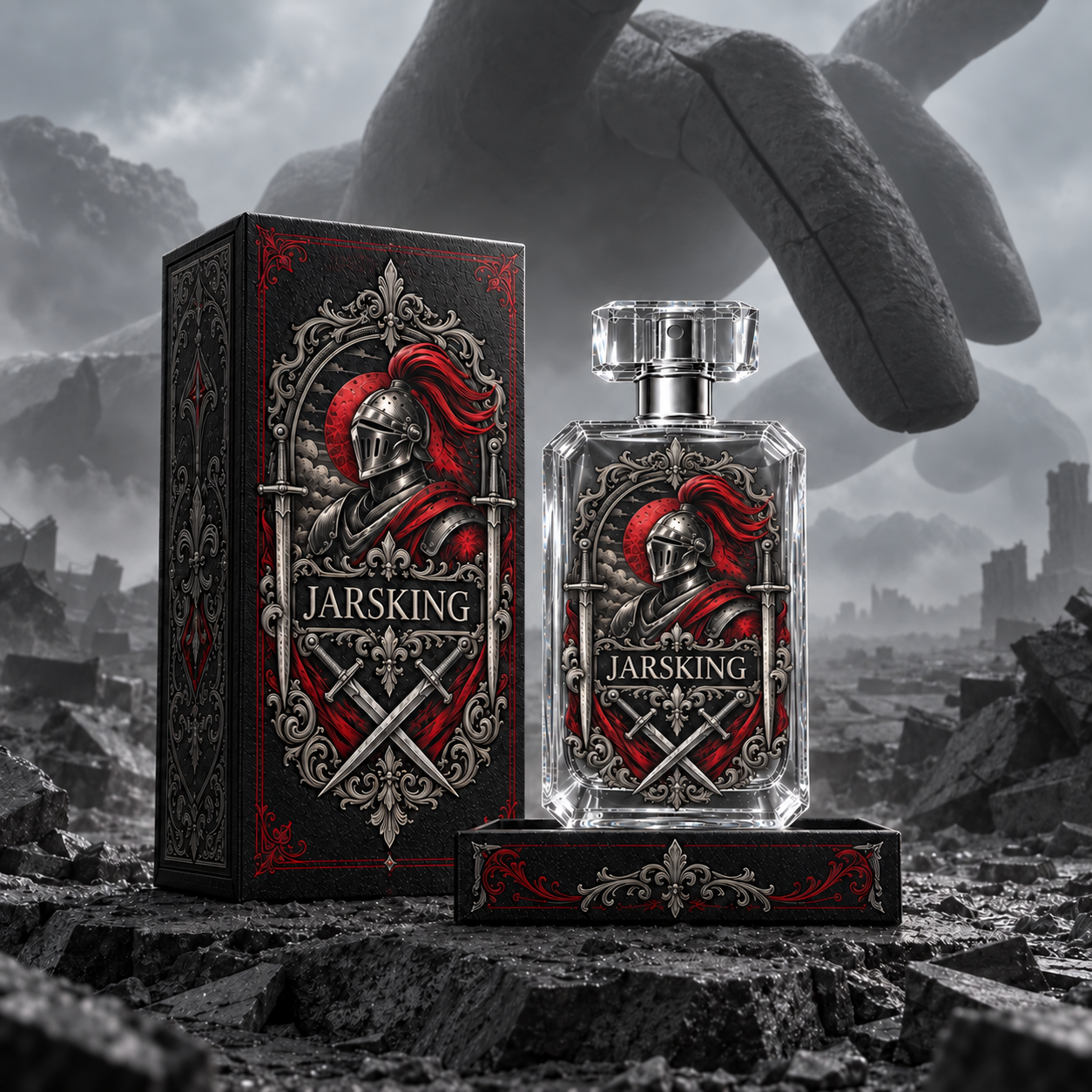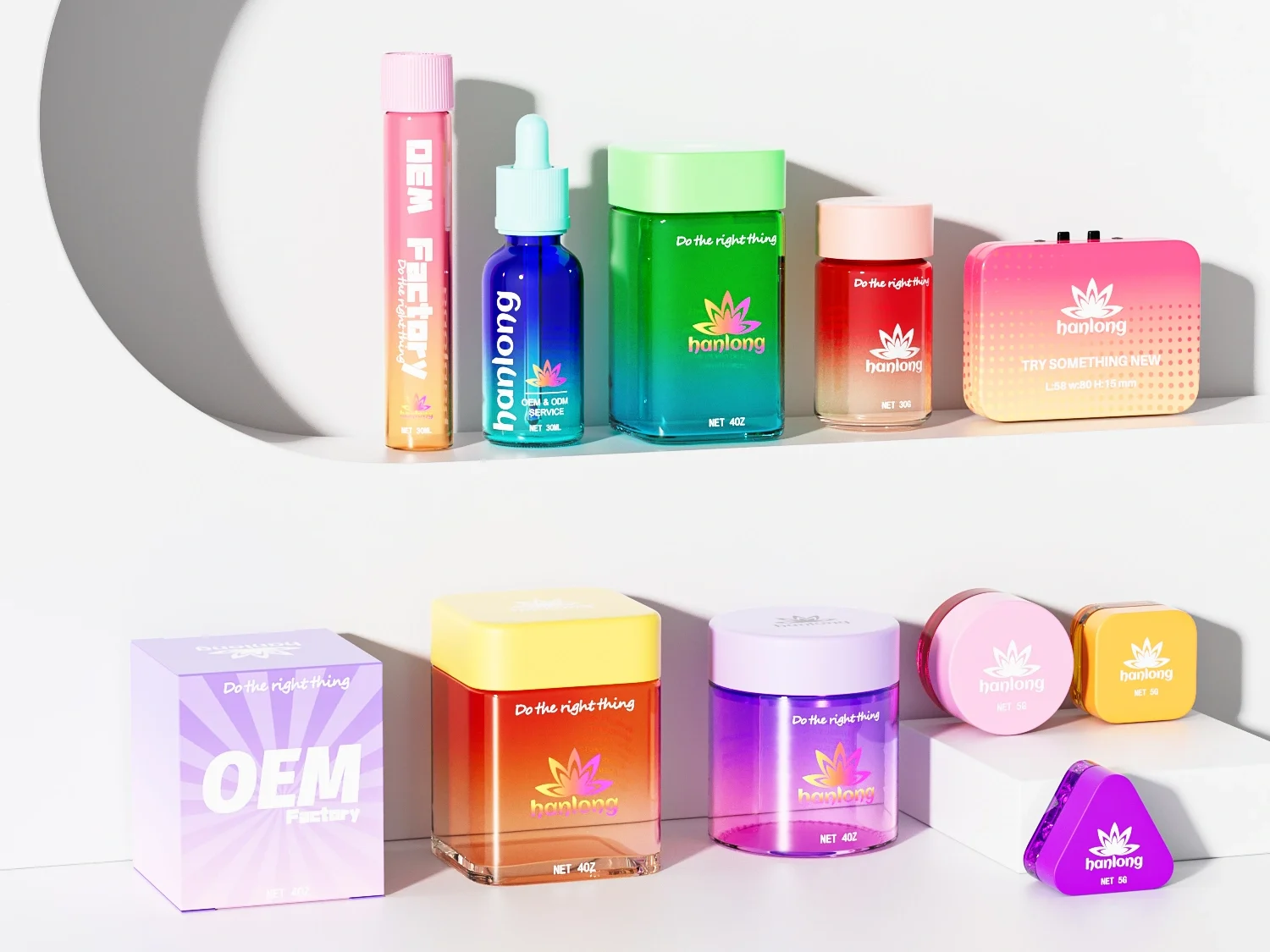


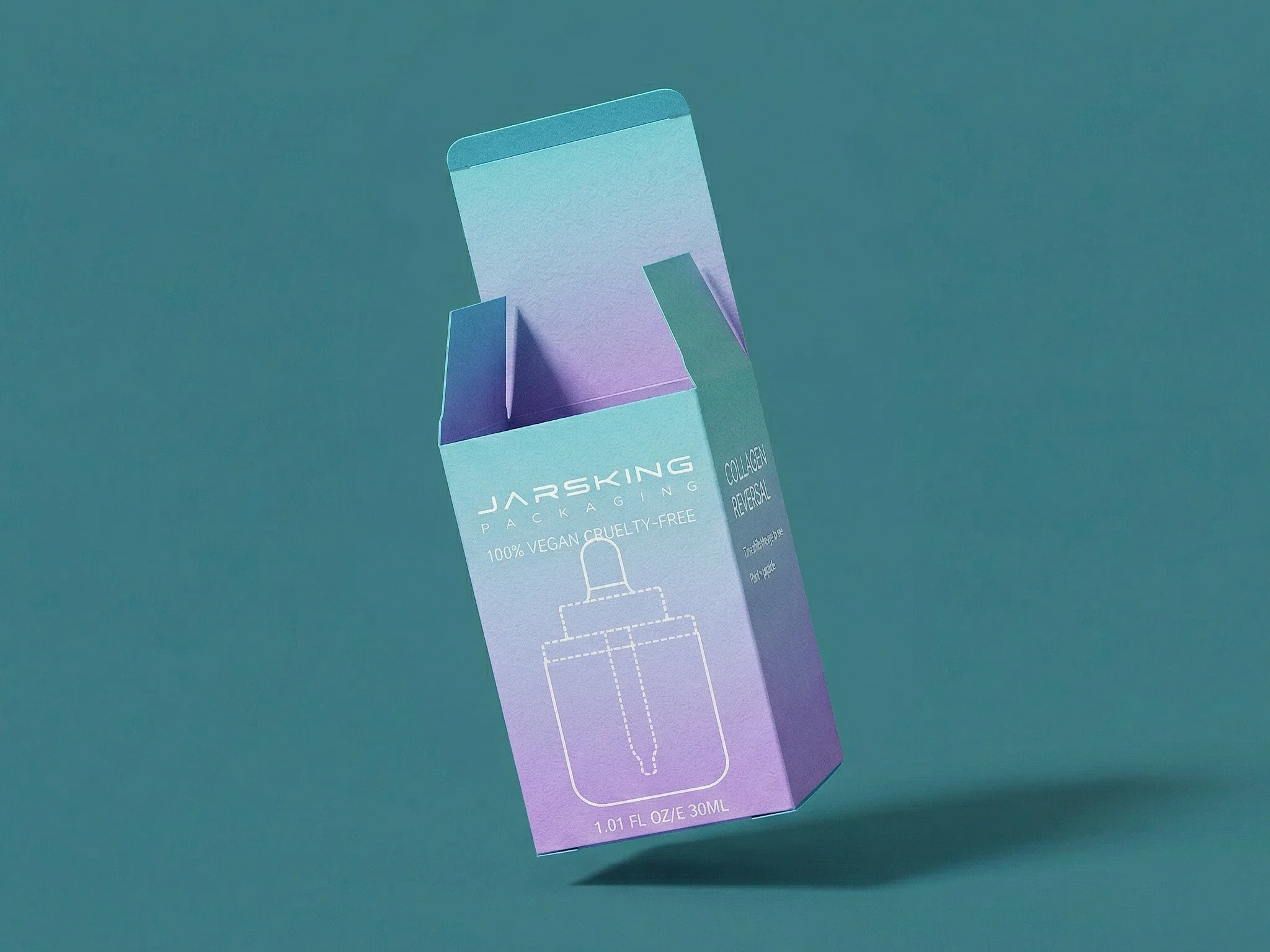










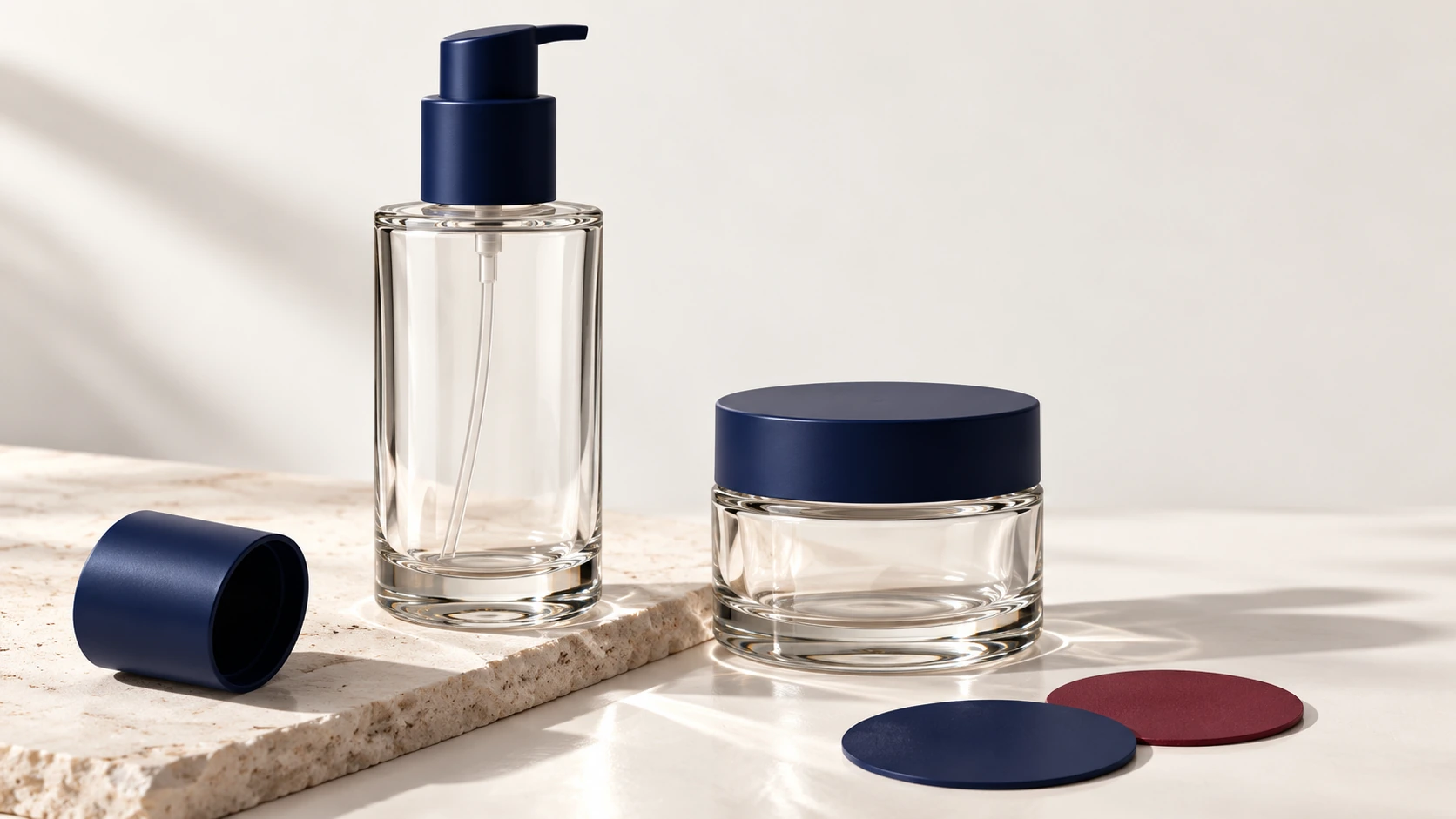
A Middle East-based personal-care company needed custom cosmetic packaging that could introduce a more premium product presentation at an approaching exhibition. The shapes had been selected and the client had its own artwork. What remained was consequential: settle a decoration specification and price, develop the samples, coordinate color, and get the packaging to the client's filling partners before exhibition preparation.
Jarsking helped move the program forward by turning an uncertain decoration quotation into a physical reference the client could assess, coordinating sample development, and organizing the final handoff with local support. According to the project team's account, the samples reached the filling partners in time for the exhibition, and the client subsequently reported a positive presentation response.
That is the milestone this case examines. Further color refinement remained under discussion afterward. The experience offers a practical view of packaging development under pressure, including the difference between meeting an exhibition deadline and completing every approval required for repeat production.
Case at a Glance
- Client
- An established Middle Eastern personal-care company
- End market
- Gulf Cooperation Council consumers, within a wider international business
- Consumer position
- Accessible everyday care, with a more premium presentation being developed
- Packaging route
- Selected structures, client-supplied artwork, customized decoration and samples
- Main constraint
- A compressed exhibition schedule with several interdependent handoffs
- Jarsking's contribution
- Quotation clarification, sampling coordination, color work, and local sample handoff
- Reported outcome
- Samples available for exhibition preparation; positive client feedback
- Continuing work
- Further color refinement; no retail sales result established
Figure 1. The program's objective, responsibilities, and reported milestone.
A More Premium Consumer Offer
The client wanted packaging that could support a step toward a more premium personal-care offer. Its broader business served everyday fragrance and grooming needs, while the project called for a more considered physical presentation.
The relevant end consumers were men and women buying personal-care products for everyday use. For a sourcing team, that is a useful starting point: the package has to make sense within an everyday purchase while expressing the intended upgrade. The brief centered on familiar accessibility and a product experience intended to feel more premium.
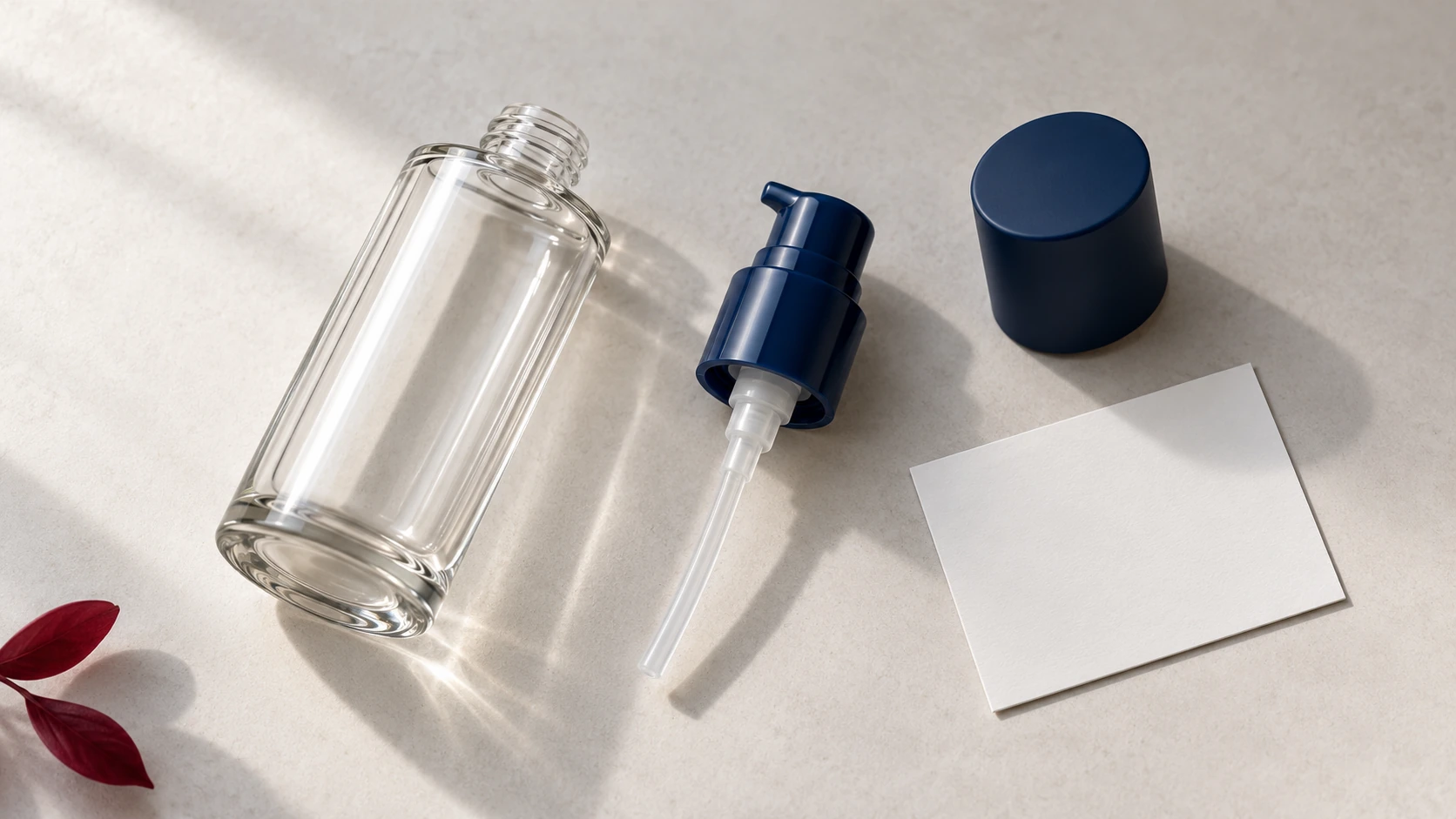
Agree the selected structure and its decoration reference.
Include the chosen dispensing component when reviewing the set.
Review its appearance with neighboring parts.
Keep the accepted version linked to the sample.
Consumer and price context
Price provides context, but it needs a clear boundary. As a UAE retail benchmark, selected mainstream deodorant and body-spray listings reviewed for this article sat roughly within AED 15–30, across promotional and regular prices. That is an illustrative category reference, rather than a market average or the price of this client's new range. Nahdi's UAE retail listings show the underlying examples.
The exhibition range's intended retail price was not established in the project account. Its packaging direction was nevertheless clear: move toward a more refined presentation, with the selected container, decoration, and components carrying that change together.
What the account does establish is a deliberate packaging preference. Glass containers were discussed for the personal-care presentation, and the client had clear views about the selected components. Jarsking's task was to help realize that direction through decoration and sampling, while keeping the commercial discussion moving.
The Relationship Began With Follow-Through
Direct communication helped us understand the buyer before making the packaging program larger or more complicated. We began with research and outreach, followed by a telephone conversation and meetings supported by colleagues in the region.
Those conversations moved beyond an exchange of catalog images. Samples were taken to the client, product choices were discussed, and quotation and artwork-area information followed. Local support gave the relationship continuity while the production work was coordinated elsewhere.
Our contribution at this stage was responsive coordination across those questions. Prompt follow-up kept the discussion moving while the commercial team, client, and sampling contacts worked through the details needed for the next decision.
Read the buying detail
For a packaging buyer, that sequence matters because different questions belong to different people. A commercial contact may explain the launch objective. A designer needs the usable artwork area. A production colleague needs an achievable decoration reference. The filling partner needs complete samples at a usable time.
The client also retained ownership of its creative direction. It selected structures and supplied artwork. The project should therefore be understood as adapting and executing an agreed packaging presentation, rather than evidence that Jarsking originated the client's brand identity or engineered a new proprietary bottle shape.
The Challenge: Price Needed a Reference
The first important obstacle was uncertainty about what a decoration quotation actually covered. One component involved a large decorated area, and the team could not confidently finalize the price without resolving the expected quality level.
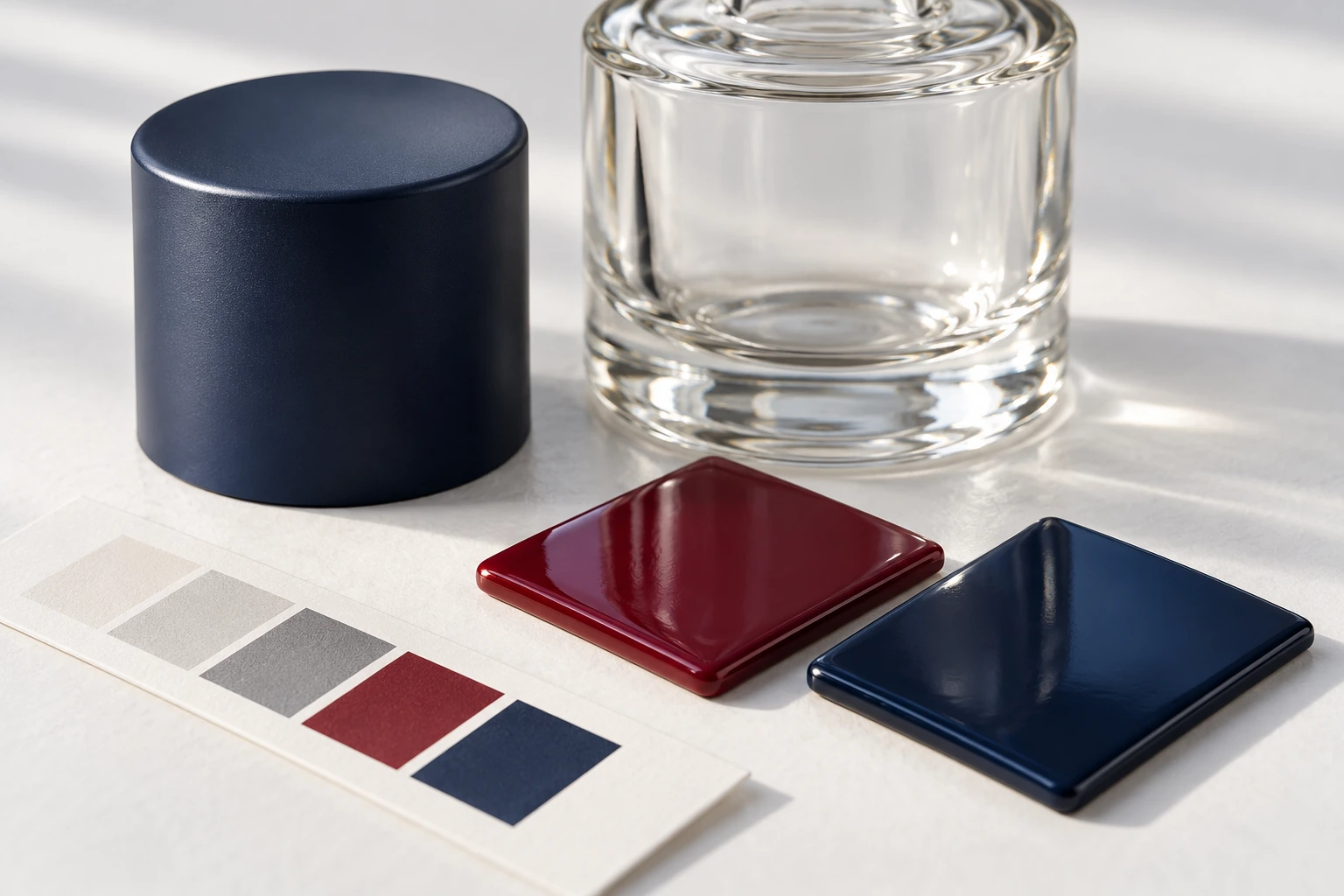
The quotation decision
The buyer needed a final price while decoration quality was still being clarified.
A physical reference made the achievable decoration quality visible at the proposed price.
The client accepted that reference as the basis for the commercial agreement.
The team could proceed into sample and color development for the exhibition.
Why the reference changed the price discussion
The buyer wanted to place an order. The internal quotation process was still treating the final amount as dependent on sampling. That left a circular problem: the customer needed price certainty to proceed, while the supplier wanted a clearer physical result before committing to the price.
Simply repeating a number would not have resolved the difference. Neither would a rendering alone establish the finish the customer would accept. The commercial conversation needed an object both sides could evaluate.
The importance of this decision was its specificity. Instead of negotiating an undefined expectation of premium quality, the parties could discuss a visible result. The price had an associated reference, and the reference had an associated commercial basis.
For buyers sourcing custom cosmetic packaging, the transferable practice is to connect the price to a named reference and a defined scope. Record which component, artwork version, finish, and sample the quotation covers. Changes can then be discussed against something specific.
The Response: Coordinate Sample Development
Once the commercial basis was accepted, the challenge shifted to developing the samples within the remaining exhibition window. We arranged color work quickly and followed several days of matching and sample preparation.
The package needed to work visually as a group. A bottle and its neighboring components are seen together, even when their sampling routes differ. Coordinating those pieces was therefore part of the presentation challenge.
The work involved more than a single uncomplicated sample. There were several pieces to collect and organize, and accessories were a source of scheduling pressure. Some sample work continued close to departure.
Decoration quality and price were not aligned
- Recorded response
- A physical reference was offered for client acceptance
- Buyer control to carry forward
- Link the quotation to an identifiable sample
Color development needed repeated attention
- Recorded response
- The team coordinated matching and sample work
- Buyer control to carry forward
- Review the assembled presentation together
Accessories affected the schedule
- Recorded response
- Sample collection and follow-up continued close to departure
- Buyer control to carry forward
- Track each component's readiness separately
Filling needed time after packaging arrived
- Recorded response
- Local colleagues helped organize the handoff
- Buyer control to carry forward
- Plan backward from the filling partner's receiving deadline
Figure 3. Recorded responses and recommended controls are shown separately.
How to preserve the approval reference
Quotation uncertainty, complex decoration, and accessory timing made the program harder to manage. We kept pursuing the decisions and handoffs needed for the immediate milestone.
There is a practical distinction between prioritization and approval. Prioritization determines which decision or component needs attention first. Approval determines whether the result meets the agreed requirement. A short schedule makes the first more urgent; it does not automatically settle the second.
For a future program, an approval record should identify the assembled presentation as well as individual parts. Component references, artwork versions, and color expectations need to remain traceable when samples are revised. These are recommendations for future programs.
The Deadline Extended Beyond the Factory
The real deadline was the point at which the client's filling partners needed usable packaging. Exhibition preparation came afterward, so a sample leaving its production location was only one stage in the schedule.
Plan backward from the receiving deadline
The compressed window included holidays, and the filling partners needed their own processing time. Decoration, sample collection, transportation, sorting, and onward delivery therefore had to be coordinated within the same schedule.
This is a common planning trap worth making visible: a buyer asks when the packaging can be ready, while the launch depends on when the next operator can start. The relevant date is the receiving deadline for the next activity, with enough allowance for checking and preparation.
In this project, the team coordinated the immediate sequence around the exhibition. For other buyers, the lesson is to establish the complete sequence earlier and identify where a late component would prevent the next activity from beginning.
A shared schedule should name the required input at each handoff. The filling partner may need a complete set rather than an attractive container alone. The exhibition team needs a presentable product rather than a shipment confirmation. Working backward exposes those dependencies before they become urgent.
Making the Final Handoff Work
The final sample movement required direct coordination. Our team collected samples, carried them to the region, and worked with local colleagues and client representatives to sort and distribute them to the relevant filling partners.
Some samples were still being received near the team's departure. After arrival, the immediate task was to organize what had been brought and move it onward so the downstream work could begin.
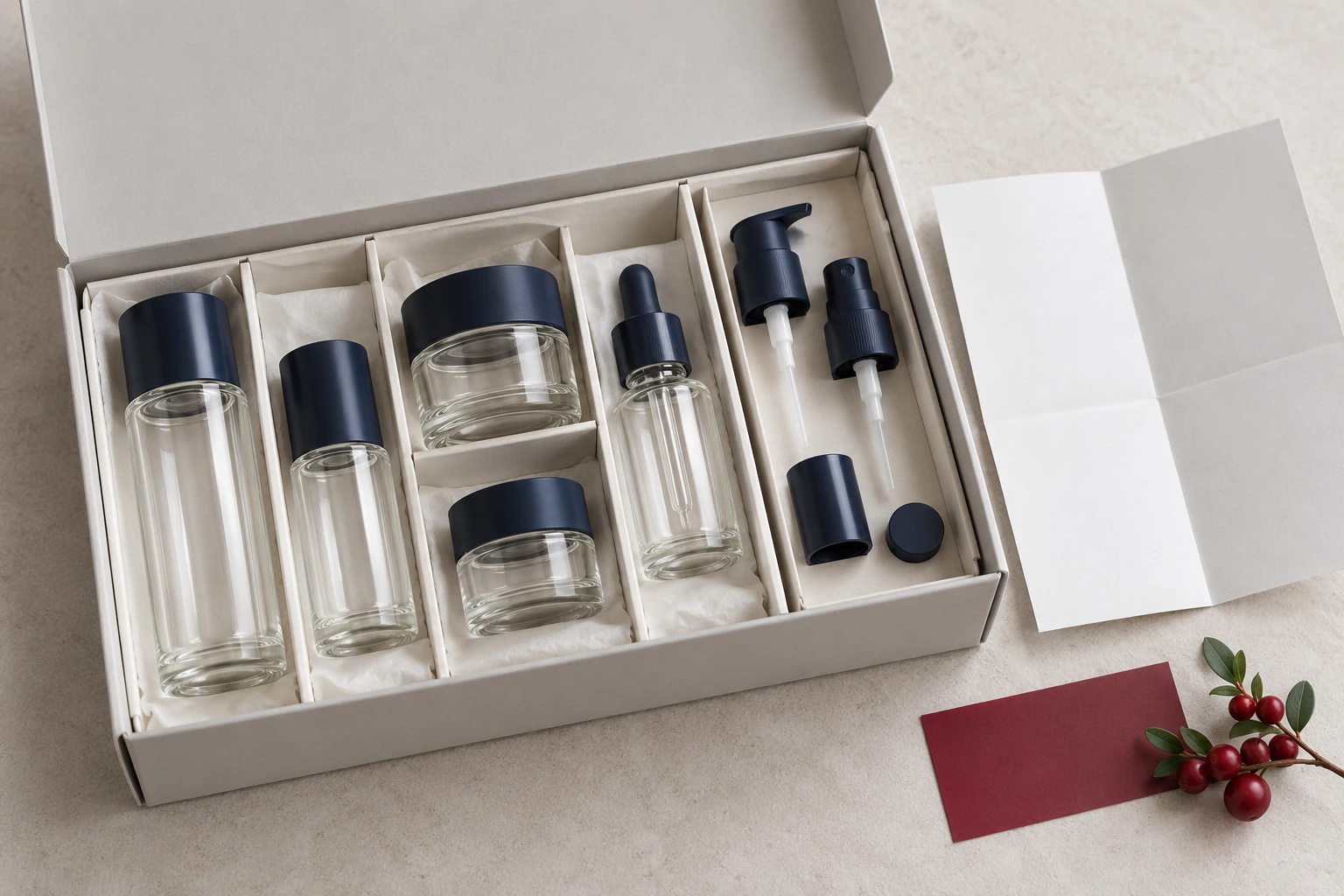
Packaging samples prepared and collected
Jarsking coordination with the relevant production contacts
Samples received and sorted locally
Jarsking colleagues working with client representatives
Samples passed to filling locations
Coordinated local delivery and allocation
Product filling and exhibition preparation
Client-appointed partners and the client's team
What the coordinated handoff involved
The useful detail is the handoff itself. Receiving people were involved, samples had to be allocated, and more than one filling location was discussed. The work continued until the packaging was with the people responsible for the next operation.
This was an exceptional response to the project's circumstances. It is not a promise that personal transport is an appropriate standard shipping route or that every urgent project can use the same approach. Buyers should agree transport arrangements and responsibilities for their own program.
Jarsking's role remained the supply and coordination of empty packaging. The client's appointed partners handled filling; this case makes no claim that Jarsking formulated or filled the finished products.
Results: The Exhibition Milestone
The reported result was that the sample program reached the exhibition presentation stage. The project team recalled positive client feedback after the event opened and described the premium packaging presentation as visibly different from the client's existing offer.
The account also reports that the client continued with Jarsking despite a lower competing offer, citing patient problem-solving and timely responses. There is no independently documented, like-for-like price comparison, so the useful finding is the client's reported reason for choosing the team.
Reported milestone
- Exhibition preparation
- Samples reportedly reached filling partners in time
- Client response
- Positive feedback recalled by the project team
- Supplier choice
- Responsiveness reportedly influenced the client's decision
Still to establish
- Further development
- Additional color refinement remained under discussion
- Commercial performance
- No substantiated sales uplift or repeat-order result
The later discussion provides an equally important boundary: color refinement and resampling were still being discussed. Commercial sales feedback was not yet available. An exhibition presentation is therefore the achieved milestone; final production completion, repeat-order performance, and retail sales growth are not established outcomes here.
The Next Gate: Production Approval
Further color work meant that the next development decision still needed attention. The later conversation refers to resampling and differences within the packaging presentation, but does not establish the precise affected specification or a documented final resolution.
What needs a separate production signoff
That distinction matters when an exhibition generates enthusiasm. A sample can communicate a range effectively while a production reference still needs refinement. The positive response gives the commercial team useful feedback; it does not define the acceptable appearance of every future shipment.
For buyers preparing the next stage, the practical task is to turn remaining comments into identifiable decisions. Which sample remains the reference? Which part is being revised? Does the revision change the assembled appearance? Who needs to see the complete set again before release?
Those questions should be answered against the actual project requirements. A color difference should not be described as resolved merely because a new sample has been requested, and a revised component should not silently replace an earlier approved reference. The approval history needs to remain understandable to everyone handling the next run.
The same discipline applies to the commercial scope. If a new finish or component changes the agreed basis, the quotation and schedule need to be reviewed together. A reference that helped close the first purchasing decision remains useful only while everyone understands which version governs.
This case ends before that final production gate is documented. Its contribution is a clearer way to evaluate the partnership: look at how a supplier makes decisions visible, follows through on an urgent milestone, and keeps unfinished work open for review. The exhibition outcome is valuable in its own right, while the next stage deserves a separate, explicit signoff based on its own evidence.
Buyer Takeaways for the Next Program
The strongest lesson is to remove ambiguity early enough that exceptional effort does not become the launch plan. The experience suggests five practical controls for a new packaging brief.
Connect price to a reference.
Identify the physical sample and decoration scope behind the quotation. A shared visual expectation makes a price decision more useful than an unexplained unit figure.
Review components together.
Bottles, caps, and dispensers form one presentation. Ask how revisions to individual pieces will be reviewed against the complete package, and retain a clear reference for subsequent decisions.
Plan from the downstream deadline.
Establish when the filling partner needs the packaging, what constitutes a complete delivery, and who can accept it. Allow for the work after arrival rather than stopping the schedule at dispatch.
Separate appearance from validation.
An exhibition sample can support a presentation decision without establishing formula compatibility or finished-product stability. ISO/TR 18811 explains that stability protocols must be selected and justified for the product and relevant conditions. Cosmetics Europe's packaging guidance also distinguishes supplier information from the finished-product safety assessment. These are general development principles, not evidence of tests completed in this case.
Define the next approval.
After an exhibition milestone, identify what remains before production release. Keep outstanding color work, component revisions, and client validation visible so a successful presentation does not obscure unfinished decisions.
The buyer's takeaway
Agree what the sample must show, who must receive it, and which approval comes next.
Frequently Asked Questions
What should a custom packaging quotation include?
A useful quotation identifies the container, components, decoration scope, artwork version, and quality reference being priced. Quantities, commercial terms, and delivery assumptions should be agreed for the specific project. Where decoration remains uncertain, a physical reference can help clarify the purchasing decision before the parties treat a price as final.
Can existing structures support premium packaging?
Existing structures can provide the basis for a customized presentation through selected components and decoration. In this case, the client selected structures and supplied artwork; the account does not establish new bottle tooling. Whether that route suits another project depends on its design objectives, specifications, budget, and approval requirements.
How should exhibition samples be scheduled?
Work backward from the filling partner's required receiving date and the exhibition preparation schedule. Include artwork decisions, decoration references, component sampling, transport, checking, and onward delivery. Agree which complete samples are essential to the event. The exceptional coordination described here should not be treated as a standard sample lead time.
Who validates the formula and package combination?
The client and its qualified manufacturing or technical partners retain responsibility for the relevant formula compatibility, stability, and finished-product assessments. Jarsking may advise on packaging materials and provide assembled samples. An accepted appearance reference does not, by itself, demonstrate suitability for a particular formula or establish a finished-product shelf life.
What outcome did this project establish?
The project team's account supports an exhibition sample milestone and positive client feedback. It also describes further color work after that milestone. The case does not establish completed bulk production, measured sales growth, or repeat-order volumes. Its practical value lies in the decisions and coordination that helped the sample program progress.
Conclusion: Start With the Next Decision
The exhibition deadline was met, according to the team, through specific decisions: clarify decoration quality, connect it to price, coordinate the samples, and organize the next handoff. Continuing color work shows why each milestone needs its own approval boundary.
Planning a premium personal-care range? Discuss your packaging brief with Jarsking. Share your selected structures or design direction, artwork, component requirements, target consumer and price position, and the dates your filling partners need samples. We can help develop a custom empty-packaging approach and agree clear next steps for careful review together with your project team.